Stainless Steel Cutlery Manufacturer | Custom Finishes for B2B Brands
Do You Wash Plastic Cutlery Before Use?
When using plastic cutlery, many people question whether it needs to be washed before use. While this might seem like an unnecessary step,
it’s actually quite important for both cleanliness and safety. Plastic cutlery, like forks, knives, and spoons, is commonly used in casual dining, picnics,
or takeout orders. However, washing it before use is highly recommended,
especially if it has been stored for a while or if it has been manufactured in bulk for commercial use.
Let’s discuss why washing plastic cutlery before use is a smart choice, and how you can ensure it’s properly maintained.
Why Wash Plastic Cutlery?
The primary reason to wash plastic cutlery before use is to ensure it’s free from dust, chemicals,
or germs that may have accumulated during manufacturing, shipping, or storage. Even though plastic cutlery is often sealed in packaging,
it's still exposed to the elements, which means it can pick up debris and bacteria.
While many manufacturers take care to ensure the cleanliness of their products, a quick rinse will provide peace of mind,
especially if the cutlery has been stored in less-than-ideal conditions.
Additionally, washing plastic cutlery can help remove any lingering odors that might have developed during the packaging process.
Even though plastic is a non-porous material, some plastic cutlery may still absorb scents from packaging materials or nearby food.
Proper Way to Wash Plastic Cutlery
Washing plastic cutlery is straightforward, but it’s important to follow the right steps:
Rinse Immediately – If you’re not planning to use your plastic cutlery right away,
rinse it with warm water immediately after removing it from the package to remove any dust or residue.
For those who are using the cutlery immediately, simply rinse it under cool water before use.
Use Gentle Soap – Mild dish soap works well for cleaning plastic cutlery. Avoid using harsh chemicals or abrasive scrubbers that could scratch the plastic.
Dry Thoroughly – After washing, dry your plastic cutlery completely. This step ensures that no moisture is left,
which can reduce the risk of bacterial growth and helps maintain the cutlery's longevity.
When Should You Skip Washing Plastic Cutlery?
If the plastic cutlery is being used immediately after opening a sealed package, and you are confident that it’s clean and free from contamination,
it may not be necessary to wash it. However, if you’re storing it for later use or if it’s been left out for a while, washing it before use ensures safety and cleanliness.
Conclusion: Keep Your Plastic Cutlery Clean
In conclusion, washing plastic cutlery before use is a simple yet effective way to ensure your safety and cleanliness.
Even though these utensils may appear to be disposable, it’s always a good practice to rinse them before use to avoid potential contaminants.
While Cutco kitchenware is known for its long-lasting durability and premium quality,
plastic cutlery should still be treated with care and cleanliness, ensuring a safe dining experience every time.
Stainless Steel Cutlery Manufacturer: Choosing the Right Finish for Your Custom Flatware
When buyers develop a new stainless steel cutlery collection, the product shape is usually one of the first considerations. However, the surface finish can be just as important when creating a distinctive product for a specific market.
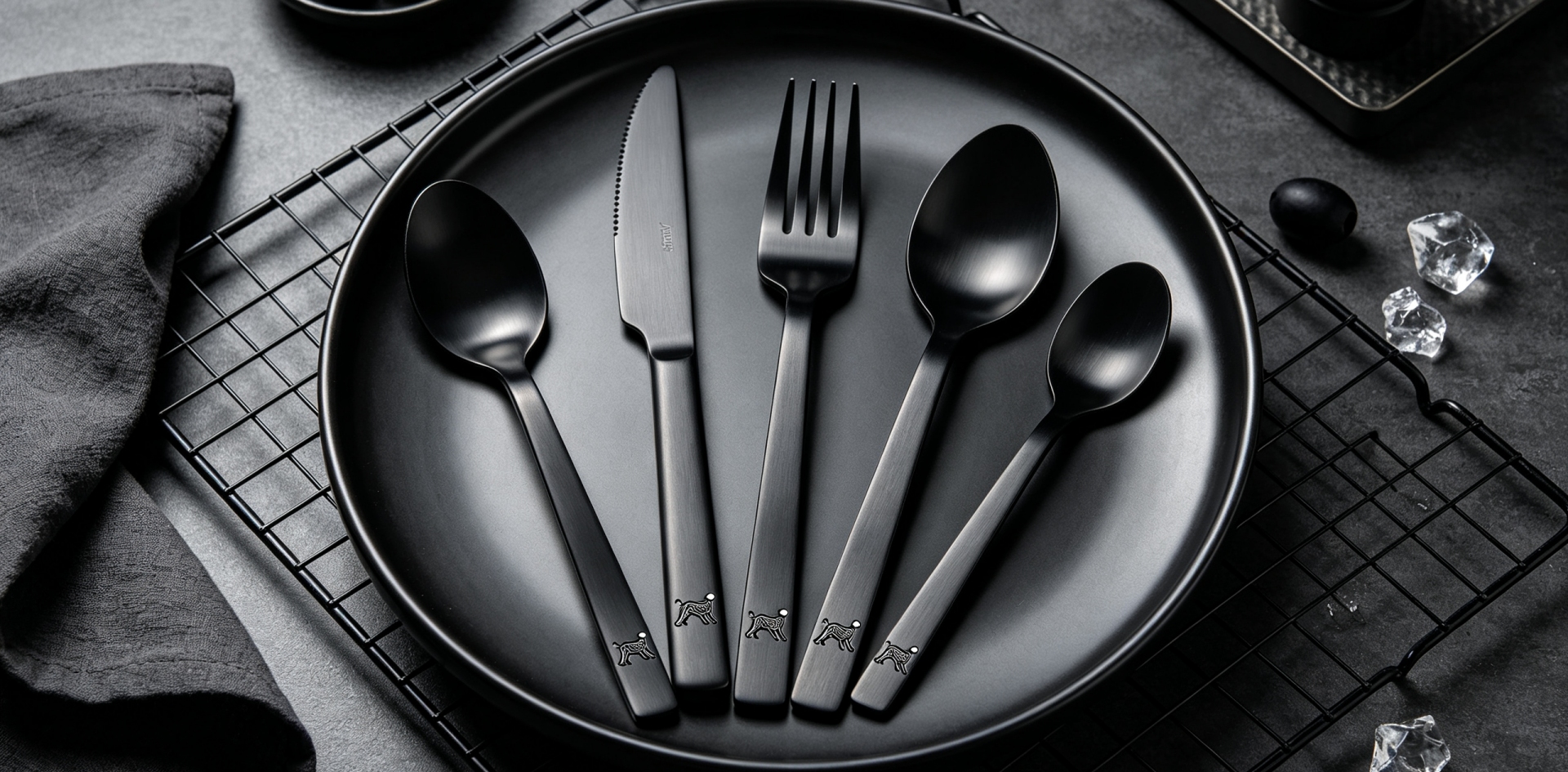
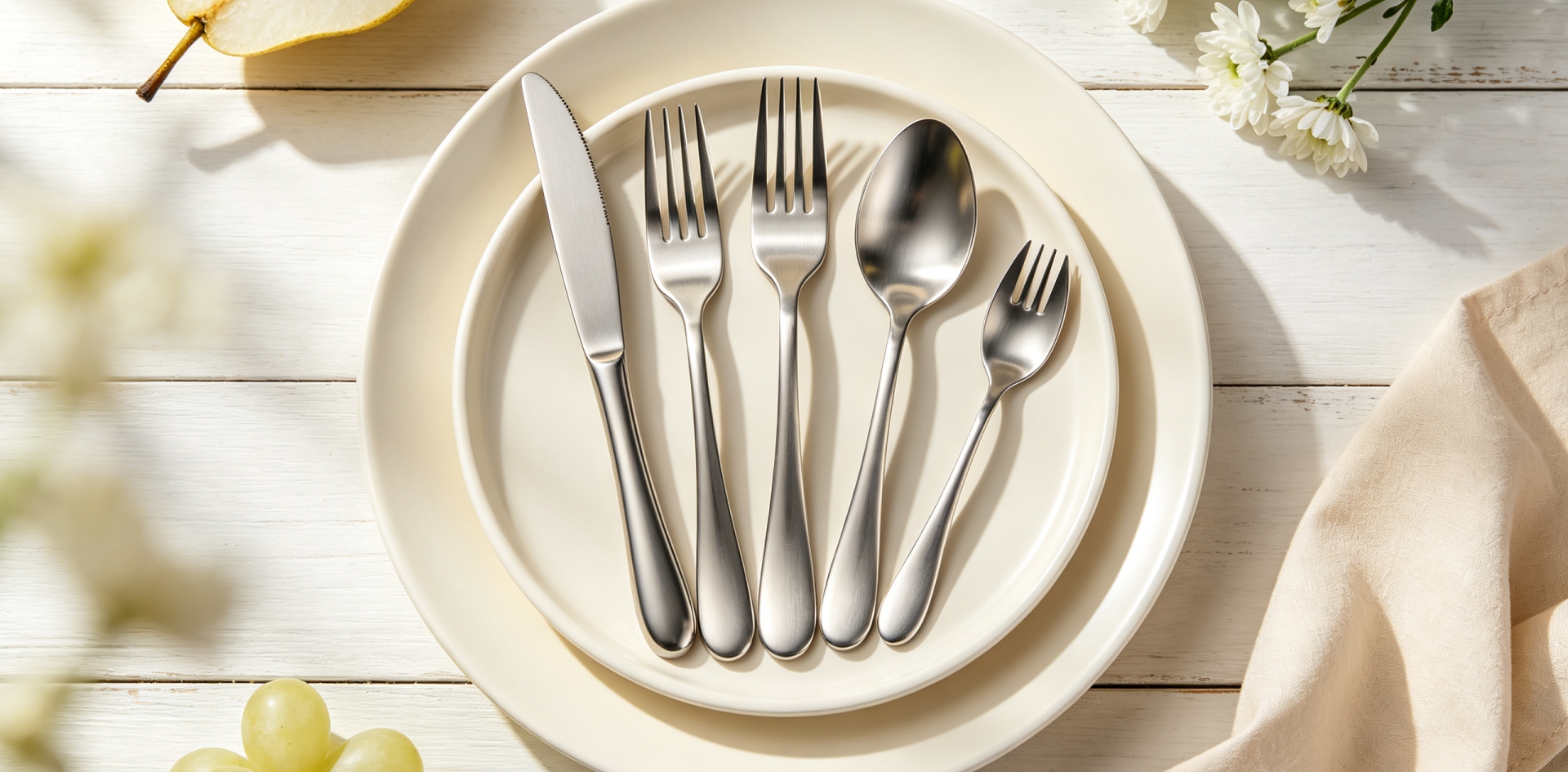
The finish influences how stainless steel cutlery looks, feels and is perceived by customers. A bright polished surface can create a classic appearance, while a softer matte finish can give a collection a more contemporary character.
For retail brands, distributors, hospitality suppliers and private label businesses, choosing the right finish can help connect the physical product with the intended market position.
An experienced Stainless Steel Cutlery Manufacturer can help buyers evaluate different finishing requirements and develop products according to their preferred appearance.
Why Cutlery Finish Matters
Stainless steel provides a practical foundation for spoons, forks, knives and flatware sets, but the final appearance depends heavily on how the surface is treated.
The same basic cutlery shape can look very different when produced with different finishes.
A highly polished surface may create a bright and traditional appearance. A matte surface can provide a more understated and modern look. Other finishing approaches can be considered when a brand wants to create a more distinctive visual identity.
This gives B2B buyers additional flexibility when developing products.
Instead of competing only through the basic shape of a spoon or fork, a brand can combine product design, surface finish, branding and packaging to create a more recognizable collection.
Popular Stainless Steel Cutlery Finishes
Different markets may have different preferences, so there is no single finish that is suitable for every project.
Polished stainless steel is one of the most familiar options. Its bright appearance works well for many household, restaurant and hospitality applications.
A matte or brushed appearance can create a softer visual effect and may be suitable for contemporary homeware collections.
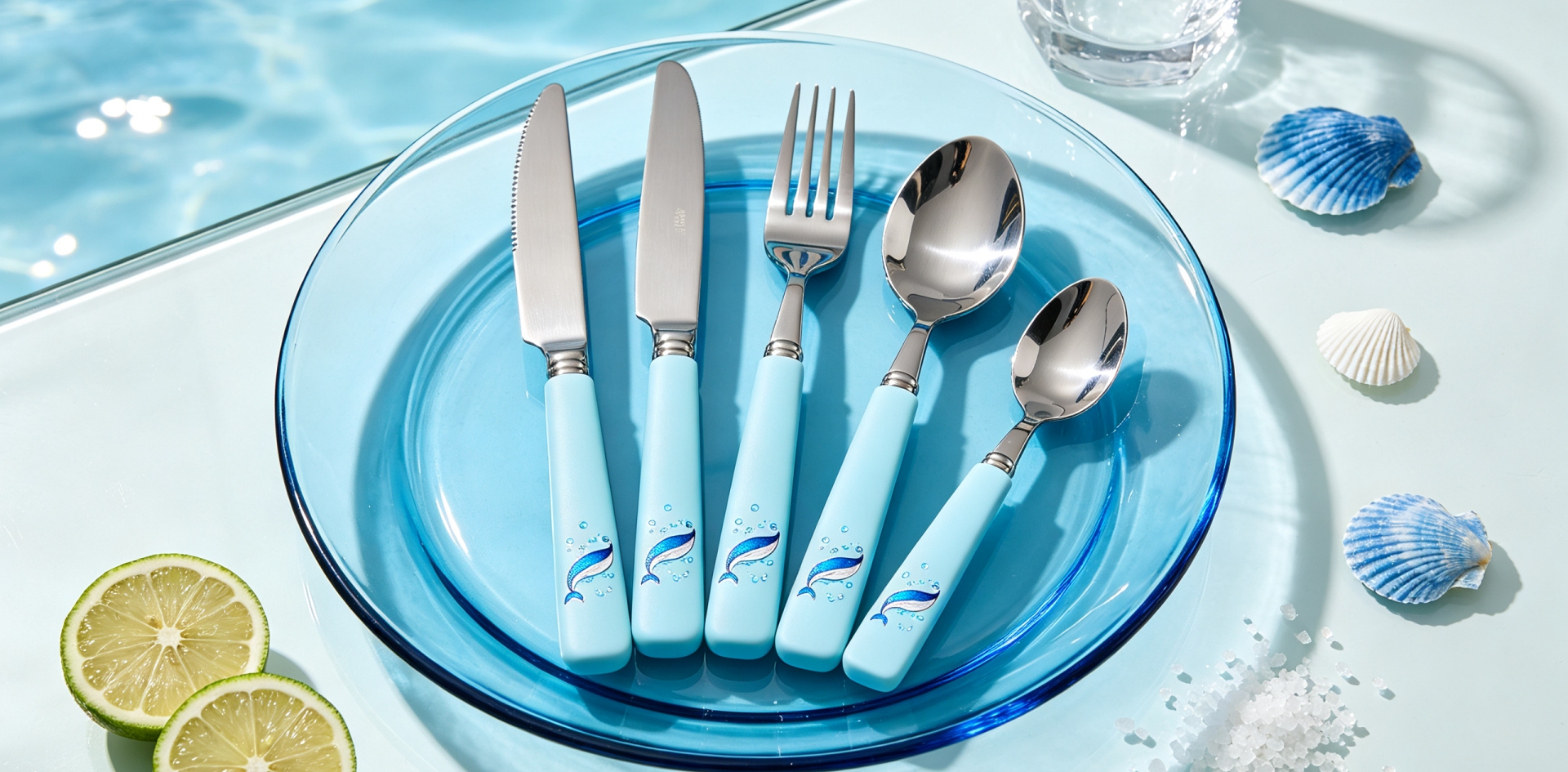
Colored finishes can also be considered when a brand wants to create a stronger visual identity or coordinate the cutlery with other tableware products.
The appropriate option depends on the product design, target market and expected retail positioning.
For this reason, buyers should evaluate the finish together with the complete product rather than selecting it separately.
Matching the Finish With the Product Design
A successful cutlery collection should have a consistent visual relationship between its shape and surface treatment.
A minimalist handle may work particularly well with a subtle matte finish, while a more traditional profile may suit a brighter polished surface.
The finish can also influence how handle details appear.
Curves, edges, decorative elements and transitions may become more noticeable depending on the way light interacts with the surface.
When developing a custom product, buyers should therefore consider the handle design and finish together.
This is one reason why sample development can be useful. Seeing the actual product allows the buyer to evaluate how the selected finish works with the complete design.
Creating Different Market Positions
Surface finishing can contribute to the way a cutlery product is positioned in the market.
For an everyday household collection, buyers may prefer a practical appearance that appeals to a broad customer group.
For a modern lifestyle brand, a softer or more distinctive finish may help create a contemporary product image.
For premium tableware, the surface appearance may be an important part of the overall presentation.
The finish does not determine product value by itself, but it can contribute to the customer's perception of the collection.
B2B buyers should therefore consider the intended retail price, target customer and sales environment when choosing a finish.
Custom Finishes for Private Label Brands
Private label brands often need products that are recognizable without becoming overly complicated.
A customized stainless steel cutlery finish can be one way to create differentiation.
The brand may combine a specific handle shape with a selected surface treatment and customized packaging.
This creates a product that is more closely connected to the brand's identity than a completely generic flatware item.
For a private label project, buyers should communicate the desired appearance clearly and provide reference images or samples where possible.
A Stainless Steel Cutlery Manufacturer can then evaluate the practical production requirements before the project moves into larger-scale manufacturing.
Evaluating Finish Samples
Pictures are useful for discussing general appearance, but actual samples provide a more reliable reference.
Lighting conditions can change how stainless steel surfaces appear in photographs. A finish that looks very bright on a screen may appear different under natural or retail lighting.
A physical sample allows buyers to evaluate the product more accurately.
During sample approval, buyers can check:
Surface brightness
Texture
Color appearance where applicable
Handle details
Edge definition
Overall consistency
Visual relationship between different cutlery pieces
Packaging presentation
This evaluation can be especially important for a collection containing several different products.
A spoon, fork and knife should ideally create a consistent appearance when displayed together.
Developing a Complete Flatware Collection
A custom finish becomes more valuable when it is applied consistently across a complete collection.
For example, a brand may develop matching dinner spoons, table forks, table knives and teaspoons.
The same surface treatment can help connect the individual products visually.
Additional serving pieces can later be introduced using the same product language.
This approach allows a brand to start with a core collection and expand the range over time.
For distributors and retailers, a coordinated collection can also make product presentation easier because multiple SKUs share a recognizable appearance.
Finish Selection for Hospitality Products
Hospitality buyers may have different priorities from retail brands.
Restaurants, hotels and catering suppliers often need products that look professional and remain suitable for repeated commercial use.
In these cases, the finish should be considered together with the intended usage environment and maintenance requirements.
A professional-looking surface can contribute to table presentation, but practical considerations remain important.
For commercial projects, buyers should communicate their expected usage conditions to the manufacturer so that the product specification can be evaluated as a whole.
The same principle applies to large-scale foodservice supply. The finish should be consistent across the collection and suitable for the buyer's operational requirements.
Combining Finish With Branding
A surface finish can also influence how branding appears on stainless steel cutlery.
If a logo is added to a product, its position and visual treatment should work with the surrounding surface.
A subtle logo may be suitable for a minimalist product, while a stronger brand presentation may be preferred for certain retail collections.
The relationship between logo, finish and handle design should be considered during product development.
This is particularly important when the cutlery is being created for a private label brand.
A well-planned product does not treat branding as an isolated element. Instead, branding becomes part of the overall product appearance.
Custom Colored Stainless Steel Cutlery
Some brands want to move beyond traditional stainless steel appearance and introduce additional visual elements.
Colored stainless steel cutlery can provide a different product direction for lifestyle, gift, retail or specialty tableware collections.
Color selection can be connected to a brand's existing visual identity or to a particular seasonal or product concept.
However, color and surface treatment need to be considered carefully during product development.
The desired appearance should be confirmed through samples before bulk production.
For B2B buyers, this helps establish a practical reference for the final product and reduces uncertainty when discussing customized requirements.
The Importance of Finish Consistency
Once a finish has been selected and approved, maintaining consistency becomes important throughout production.
The buyer expects the final products to match the approved appearance as closely as practical.
This is particularly important when multiple products are displayed together or when a retailer receives repeat orders.
Inconsistent surface appearance can make products look like different collections even when the basic designs are the same.
For this reason, buyers should clearly confirm the desired finish during the development stage and make sure it is included in the final product specifications.
A professional Stainless Steel Cutlery Manufacturer can use the approved product requirements as a reference for subsequent production.
Finish and Product Cost
Different finishing requirements may influence manufacturing costs.
The final quotation can depend on factors such as product structure, finishing requirements, order quantity, packaging and other customization details.
Buyers should therefore avoid comparing prices based only on the basic product shape.
Two stainless steel spoons may appear similar in a product photograph but require different finishing processes or specifications.
A more useful comparison considers the complete product requirement.
When requesting quotations, buyers should provide as much information as possible about the desired finish so that manufacturers can prepare a more accurate proposal.
How to Communicate Your Finish Requirements
Clear communication is especially helpful when the buyer has a specific appearance in mind.
A useful product request can include:
Reference photographs
Existing product samples
Preferred finish description
Color reference where applicable
Product dimensions
Material requirements
Logo requirements
Estimated quantity
Packaging requirements
Target market
If the buyer has previously produced a similar collection, providing an existing sample can also help the manufacturer understand the desired appearance.
The clearer the reference, the easier it is for both sides to discuss the project.
Why Work With an Experienced Cutlery Manufacturer
Custom finishing requires more than simply choosing a color or surface description.
The finish needs to work with the product structure, handle design, branding and intended application.
An experienced Stainless Steel Cutlery Manufacturer understands that these elements are connected.
Homefelt has more than 40 years of experience in stainless steel cutlery manufacturing and has worked with international brands and B2B customers. The company supports OEM, ODM and customized cutlery projects for different market requirements.
For buyers developing a new flatware collection, this manufacturing experience can help turn a visual concept into a practical product specification.
From Sample to Bulk Production
A typical custom finishing project can begin with an initial product concept or reference sample.
The manufacturer can review the product requirements and discuss possible finishing approaches.
Samples can then be developed for evaluation.
After the buyer confirms the product specifications, the project can move toward bulk production.
This process gives the buyer an opportunity to review the actual product before committing to a larger order.
It also creates a clear reference for future production.
For brands planning repeat orders, maintaining the same product specification can help keep the collection visually consistent over time.
Creating a More Distinctive Cutlery Collection
In a competitive tableware market, small product details can make a meaningful difference.
A distinctive surface finish can help a stainless steel cutlery collection look different from standard products.
Combined with the right handle design, branding and packaging, it can become part of a stronger overall product identity.
For B2B buyers, this creates opportunities to develop products that are not simply interchangeable with generic cutlery.
The objective is not always to create the most complicated product. In many cases, a carefully selected finish combined with a clean and practical design can produce a more appealing commercial product.
Start Your Custom Cutlery Project
If you are developing a new stainless steel flatware collection, consider the surface finish at the beginning of the product development process rather than treating it as a final detail.
Think about the target customer, sales channel, product positioning and desired appearance.
Then provide the manufacturer with clear references and specifications.
Whether you need polished stainless steel cutlery, a matte appearance, a customized colored collection or another finishing requirement, an experienced manufacturer can evaluate the project and help establish suitable product specifications.
For retailers, distributors, private label brands and hospitality suppliers, the right finish can help transform a standard stainless steel product into a collection that better matches the brand and its customers.
When product design, surface finish, branding and packaging are considered together, the result can be a more complete and commercially focused cutlery solution.
Need Custom Stainless Steel Cutlery With a Specific Finish? Request a Factory Quote
Want to Develop a Distinctive Flatware Collection for Your Brand? Send Your Requirements
Looking for Custom Polished or Matte Stainless Steel Cutlery? Contact Our Factory
Need Colored Stainless Steel Cutlery for a Private Label Project? Start an Inquiry
Have a Reference Finish or Product Sample? Send It to Our Manufacturing Team
Looking for a Custom Flatware Supplier for Your Retail Collection? Request a Quote
Need OEM Stainless Steel Cutlery With Customized Surface Finishing? Get in Touch
Want Matching Finishes Across Spoons, Forks and Knives? Start Your Project
Looking for a Manufacturer for Your Customized Flatware Range? Contact Us Today
Ready to Develop Your Next Custom Stainless Steel Cutlery Collection? Send Your Inquiry
Does Atlanta Cutlery Still Martini Rifles Anymore?
Do You Wash Cutlery Before Adding to Knife Block?
Related Article