
Custom Stainless Steel Cutlery Handle Design for B2B Collections
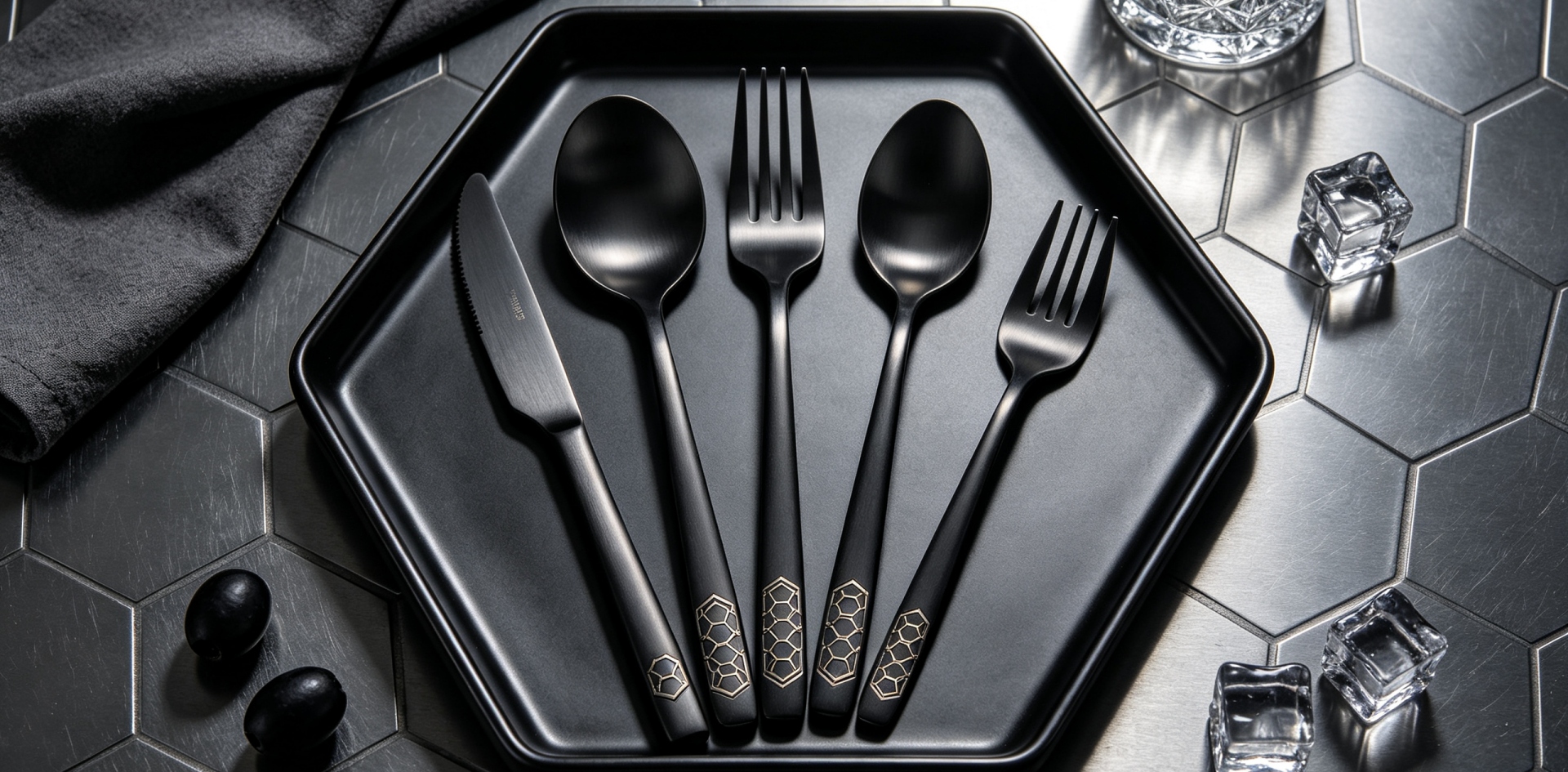
Custom Stainless Steel Cutlery Handle Design for B2B Collections
For a stainless steel cutlery collection, the handle is often the first element that gives the product its visual identity.
A spoon, fork and knife may use the same stainless steel material, but different handle shapes can create completely different impressions. For B2B customers developing their own product range, handle design can therefore become an important part of product customization.
Wholesalers, distributors, restaurant suppliers and private label brands may have different requirements for the same type of stainless steel cutlery. Some customers may need a simple and practical design, while others may want a distinctive handle that becomes part of their brand identity.
Homefelt factory provides OEM, ODM and private label manufacturing for stainless steel knives, forks, spoons and complete flatware collections. With more than 40 years of experience in stainless steel cutlery manufacturing, the factory can support customers from product concept and design development through bulk production and shipment.
Why Handle Design Matters in Cutlery
The handle connects the user with the product directly.
Its shape, width, profile and surface appearance can affect how the cutlery looks in the hand and how the complete collection is perceived on the table.
For B2B buyers, handle design can also help distinguish one product collection from another.
A retailer may want a recognizable appearance across its private label range. A restaurant supplier may prefer a practical design that works across multiple table settings. A distributor may require several styles to serve different customer groups.
Because of these differences, the handle should be considered as part of the overall product concept rather than as a separate decorative element.
Creating a Consistent Cutlery Collection
When a customer develops a complete collection, the spoon, fork and knife should normally share a common design language.
The handle shape does not have to be identical in every detail, because each item has a different function. However, the overall visual relationship can be carefully coordinated.
For example, the following elements can be developed together:
-
Handle outline
-
Handle width
-
Handle thickness
-
End shape
-
Decorative details
-
Surface finish
-
Logo position
-
Overall proportions
This approach can create a more unified appearance when the products are displayed together.
For private label brands, a consistent collection can also make it easier to expand the product range later.
Developing Handle Shapes for Different Product Positions
Not every cutlery project requires a highly complicated handle.
In some markets, a clean and simple handle may be more appropriate.
Other projects may require a more distinctive appearance with decorative lines, special contours or a particular end shape.
The right approach depends on the customer's target market, sales channel, product positioning and price structure.
A professional manufacturer can discuss these factors before the final design is confirmed.
This helps the buyer balance appearance with practical manufacturing requirements.
Custom Spoon Handle Development
The spoon handle can be developed according to the overall style of the collection.
The handle length, width and profile can be coordinated with the spoon bowl so the complete product looks balanced.
For an OEM project, the customer may provide a drawing or existing sample.
For an ODM project, the customer may start with a general concept and ask the factory to develop a suitable design direction.
Either approach can be discussed according to the actual project requirements.
Custom Fork Handle Development
Forks should maintain a visual connection with the matching spoon and knife.
When developing a custom fork, the handle design can be reviewed together with the fork head and overall proportions.
For a complete collection, details such as the transition between the handle and working end can be considered as part of the design.
This is particularly important when the customer wants the entire collection to look like one coordinated product family.
Custom Knife Handle Development
The knife may have a different functional structure from the spoon and fork, but its handle can still follow the same design language.
The shape, profile and finish can be coordinated with the other pieces.
For a private label project, this creates an opportunity to build a recognizable collection rather than purchasing unrelated standard items.
The final design should also take the manufacturing process into consideration.
A visually attractive concept needs to be translated into specifications that can be produced consistently at the required volume.
From Design Concept to Production Sample
Many B2B customers already have a clear product concept before contacting a factory.
They may have:
-
Product drawings
-
CAD files
-
Existing samples
-
Product photographs
-
Packaging references
-
Brand style requirements
Other customers may only have a general idea.
Homefelt can discuss the available information and help determine the next stage of the project.
The purpose of sample development is to allow the buyer to evaluate the actual product before confirming bulk production.
During this stage, details such as handle shape, dimensions, surface finish and overall appearance can be reviewed and adjusted when necessary.
Surface Finish and Handle Appearance
The same handle design can produce different visual effects depending on the surface finish.
Mirror polishing can create a highly reflective appearance, while satin or brushed finishes can produce a softer visual effect.
For some product ranges, the finish is selected to support the overall brand positioning.
When developing a complete set, consistency across spoon, fork and knife is particularly important.
The customer can discuss the expected finish with the manufacturer and confirm it during sample approval.
Logo and Private Label Customization
For private label customers, the handle can also provide an opportunity for brand customization.
Depending on the product design, customers may discuss suitable logo placement and marking requirements.
The final logo treatment needs to be evaluated together with the handle shape and surface finish to achieve a suitable result.
This is one reason why private label projects benefit from discussing branding requirements before mass production.
Packaging Should Match the Product Collection
A customized cutlery collection often includes customized packaging.
The packaging can be developed according to the sales channel and product positioning.
For example, a retailer may require branded retail packaging, while a wholesale customer may prefer practical multi-piece packaging.
Homefelt can coordinate product and packaging requirements as part of the same B2B project.
This allows customers to discuss the cutlery design, branding, packaging and production requirements together instead of managing every stage separately.
One-Stop OEM and ODM Cutlery Service
For international buyers, developing a new cutlery collection can involve many individual decisions.
Homefelt provides one-stop support covering product customization, OEM and ODM manufacturing, private label projects, packaging coordination, bulk production and shipping arrangements.
Customers can choose the level of support they need.
If a buyer already has a complete design, the factory can focus on manufacturing according to the approved specifications.
If the buyer needs help developing the product, the project can begin with the available references and requirements.
This flexible approach allows the service to be adapted to different B2B customers.
Supporting Customers as Their Product Range Grows
A successful cutlery project does not necessarily end with one product.
After developing a spoon, fork and knife, customers may later add additional pieces to the same collection.
For this reason, the initial handle design can be considered as part of a longer-term product strategy.
A consistent design language can make it easier to introduce additional products while maintaining the identity of the collection.
With more than four decades of stainless steel cutlery manufacturing experience, Homefelt works with customers looking for long-term product development and reliable bulk manufacturing support.
Stainless Steel Cutlery Functional Design for Custom B2B Collections
How Cutlery Size and Weight Affect Stainless Steel Flatware Selection
Related Article



