Custom Stainless Steel Cutlery Manufacturing | OEM & ODM Factory
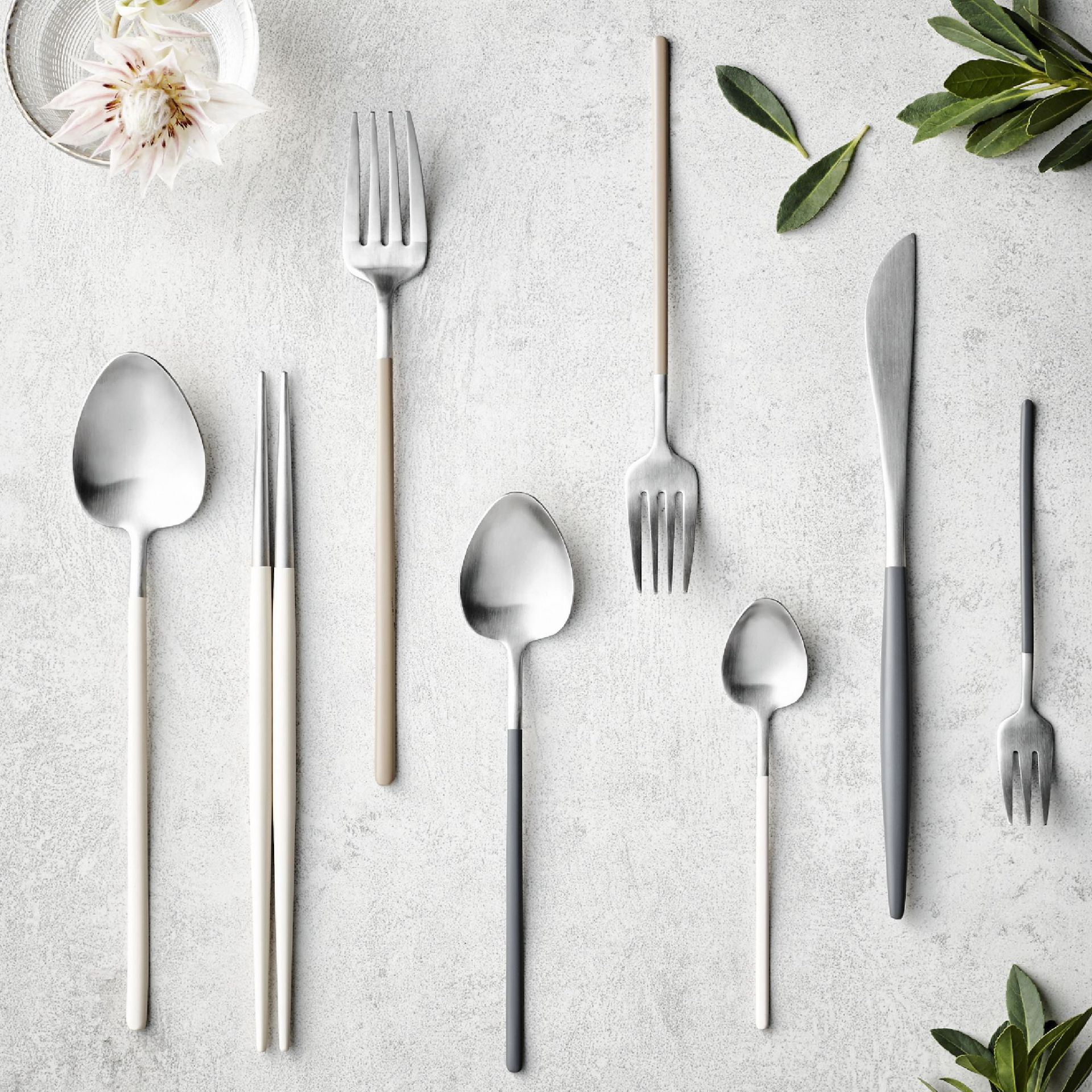
What Happened in the Final Episode of Silver Spoons?
The Silver Spoons sitcom, a staple of 1980s American television, captivated audiences with its unique blend of humor and heart.
Featuring the lovable Ricky Stratton and his wealthy father, Edward, the show explored themes of family, wealth, and the bond between father and son.
But what happened in the final episode of Silver Spoons? As the series concluded, viewers were left with a mix of emotions.
In this article, we’ll explore the final moments of Silver Spoons, the impact it had on TV culture, and how items like American spoon gift baskets,
spoones, and products from Homefelt can bring that same warmth and nostalgia into your own home.
1. Recap of the Final Episode
The last episode of Silver Spoons aired in May 1987, titled “The Last Leaf.” In this episode, the show’s beloved characters face changes in their lives.
The storyline revolves around Ricky Stratton preparing to leave for college, marking a significant turning point for him and his father.
Throughout the episode, the father-son dynamic is explored in a heartfelt way, bringing closure to their relationship.
1.1 The Emotional Farewell
The final episode of Silver Spoons is filled with poignant moments, culminating in Ricky’s departure.
The emotional weight of Ricky leaving home mirrors the show’s overarching theme of growth and independence.
As he steps into the next chapter of his life, he and his father share a final moment of mutual understanding,
signifying that their bond remains strong despite the changes.
2. The Legacy of Silver Spoons
Silver Spoons was one of the pioneering sitcoms of the 1980s, with its blend of comedy and emotional storytelling.
Its influence on television comedy cannot be understated, as it helped shape the portrayal of family dynamics and relationships in TV shows.
2.1 Cultural Impact of Silver Spoons
The show not only provided entertainment but also left a cultural footprint. Its theme song, "Silver Spoons," became iconic,
and the image of Ricky Stratton living in a lavish mansion with his father resonated with viewers.
The series reflected an era when family sitcoms were an integral part of American television, and its finale solidified the values of family and personal growth.
3. How the Spirit of Silver Spoons Lives On in Everyday Items
The warmth and sentimentality of Silver Spoons can be captured in everyday objects that bring people together.
For instance, American spoon gift baskets are perfect for sharing with loved ones, just as the characters of Silver Spoons shared moments of love and connection.
These thoughtful gift baskets are not just practical but also reflect the emotional bonds that we nurture through shared experiences, much like the Stratton family did.
3.1 Homefelt's Contribution to Bringing People Together
At Homefelt, we create products that foster connection and warmth.
From spoones designed for everyday use to motor spoon civic accessories that add a touch of flair to your kitchen,
our range of spoons offers something for every taste.
Whether you’re hosting a family dinner or gifting a loved one an American spoon gift basket, our products help create moments of joy and togetherness.
4. Conclusion
The final episode of Silver Spoons encapsulated the emotional growth and enduring bonds between family members.
It was a fitting conclusion to a series that resonated with viewers on a personal level.
Just like the show’s theme of family, products like American spoon gift baskets and Homefelt items bring people together,
making everyday moments special. Whether you’re reliving the nostalgia of Silver Spoons or creating new memories with your loved ones,
spoons and thoughtful gifts can help you nurture those important connections.

How a Stainless Steel Cutlery Manufacturer Turns Custom Ideas Into Finished Products
For brands, wholesalers, retailers, restaurant groups and hospitality suppliers, creating a custom cutlery collection often starts with a simple idea: a different handle shape, a new finish, a branded spoon, or a complete flatware set designed specifically for a target market.
Turning that idea into a finished product, however, requires more than simply finding a factory that can produce spoons, forks and knives. The manufacturer needs to understand the product concept, evaluate the technical requirements, coordinate samples, manage production details and maintain consistency when the project moves into bulk manufacturing.
This is where an experienced stainless steel cutlery manufacturer can make a significant difference.
A professional manufacturing partner can help transform an initial concept into a practical product that is suitable for production, packaging and commercial distribution. For B2B buyers, this can make the development process more efficient while reducing unnecessary changes between sampling and mass production.
Starting With the Customer's Product Concept
Every custom cutlery project begins differently.
Some buyers already have detailed technical drawings and specifications. Others may have only a product photograph, a physical sample or an idea of the style they want to develop. A retailer may be looking for a distinctive flatware collection, while a hospitality company may need durable cutlery for frequent commercial use.
An experienced stainless steel cutlery manufacturer should be able to work with different levels of product information.
The first step is understanding what the buyer wants to achieve. This can include the intended market, product positioning, estimated order quantity, preferred material, dimensions, finish, packaging and branding requirements.
For example, a premium retail collection may require a carefully designed handle and sophisticated surface treatment, while a high-volume foodservice project may place greater emphasis on durability, consistency and cost efficiency.
Understanding the commercial purpose of the product helps the manufacturer approach customization from a practical production perspective.
From Design to Production Specifications
A product design may look simple on paper, but cutlery contains many details that need to be confirmed before production.
The length and width of each piece, handle proportions, bowl shape, blade dimensions, weight, thickness and overall balance can all influence the final product.
For a custom stainless steel spoon, for example, the bowl shape affects both appearance and usability. A fork requires accurate tine dimensions and forming. A knife requires appropriate blade shaping and finishing. A complete cutlery set also needs visual consistency across different product categories.
This is why communication between the buyer and manufacturer is important before tooling or mass production begins.
The manufacturer can review the available drawings, samples or images and identify details that may need to be adjusted for production. If the buyer is developing a new collection, practical manufacturing experience can also help avoid designs that are unnecessarily difficult or expensive to produce.
OEM Cutlery Manufacturing for Brand-Specific Products
OEM manufacturing is a common solution for businesses that already have their own product concept.
Instead of purchasing a standard product directly from a catalog, the buyer can provide specific requirements for the cutlery. These may include product dimensions, materials, finishes, logos and packaging.
The manufacturer then works according to the confirmed specifications to produce samples and, after approval, proceed with bulk manufacturing.
This approach is useful for private-label brands and retailers that want their products to look different from standard market offerings. Even relatively small design changes can create a stronger visual identity when the products are presented as part of a complete collection.
For businesses with established brand guidelines, OEM manufacturing also makes it easier to coordinate the appearance of cutlery with other tableware products, packaging and retail presentation.
ODM Support for Buyers Developing New Collections
Not every buyer has a complete design ready for production.
Some businesses know the type of product they want but need help developing the details. This is where ODM manufacturing can be useful.
An experienced stainless steel cutlery manufacturer may already have a broad range of product designs and production experience. Buyers can use these resources as a starting point and then discuss possible modifications.
The handle, proportions, finish, color, logo or packaging can potentially be adjusted according to the requirements of the target market.
This gives buyers a practical alternative to developing every component from zero. It can also help shorten the development process when a business needs to introduce a new collection within a specific commercial timeframe.
Custom Finishes for Different Market Positions
Surface finish is another important part of custom stainless steel cutlery.
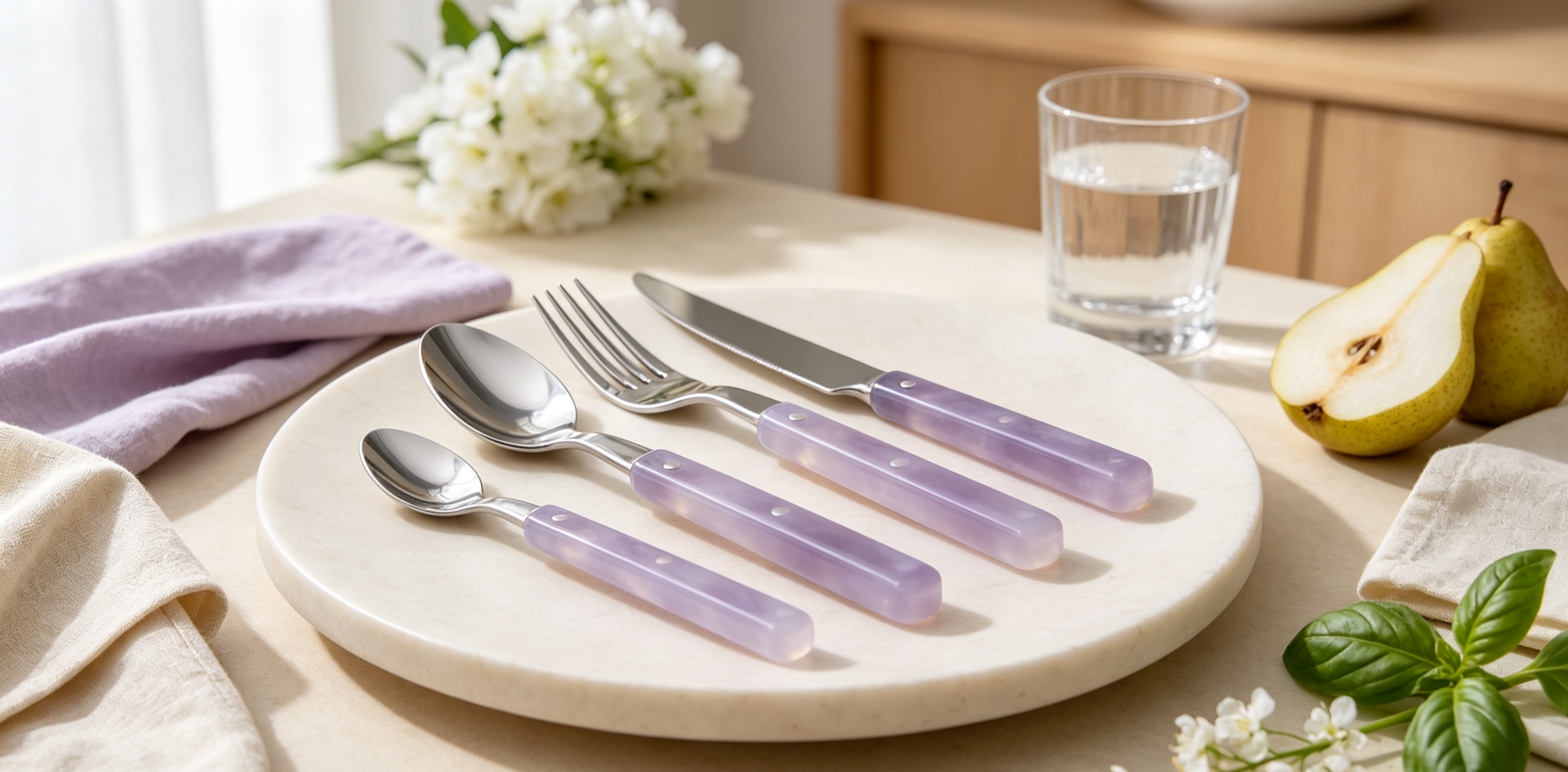
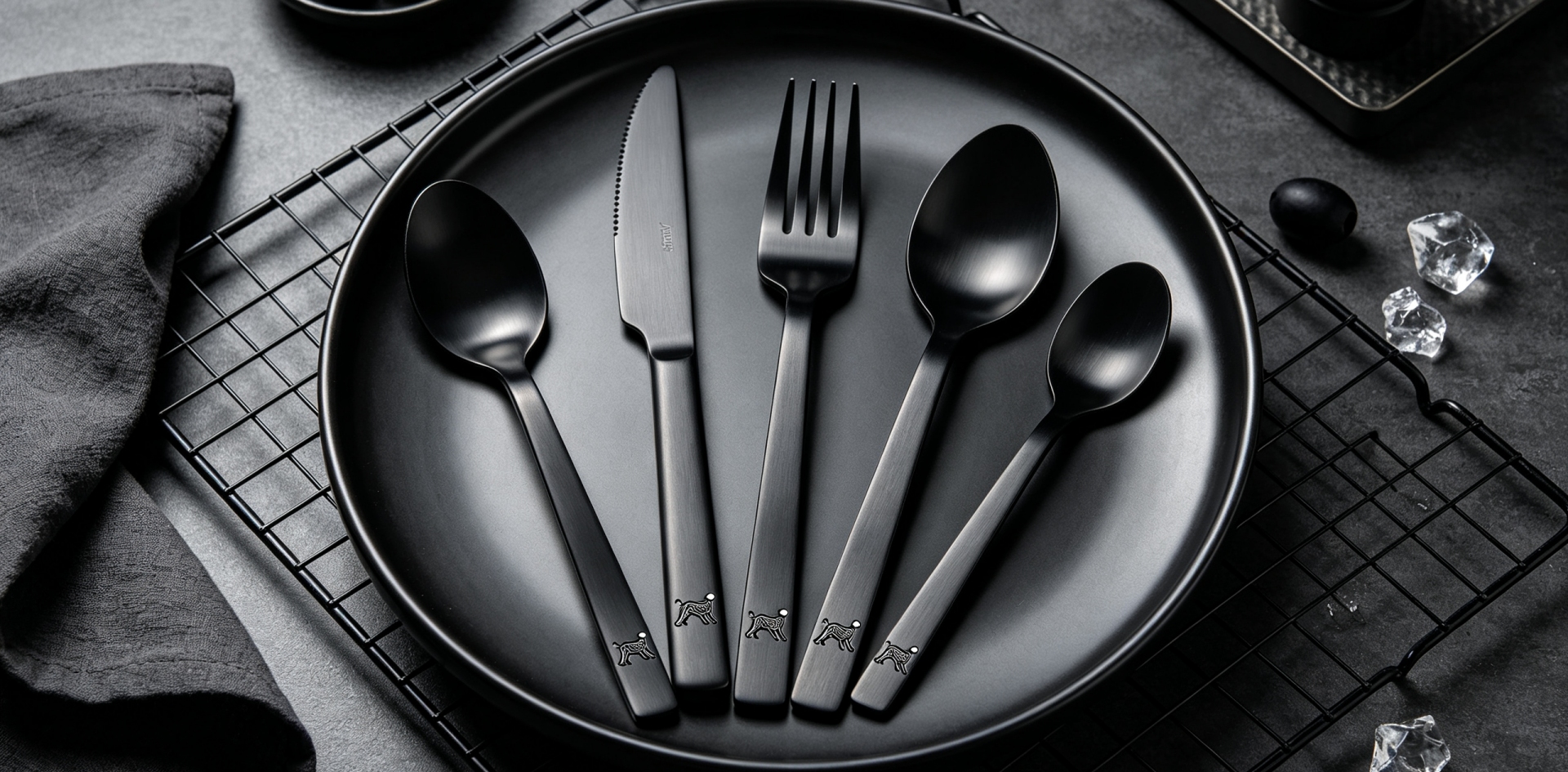
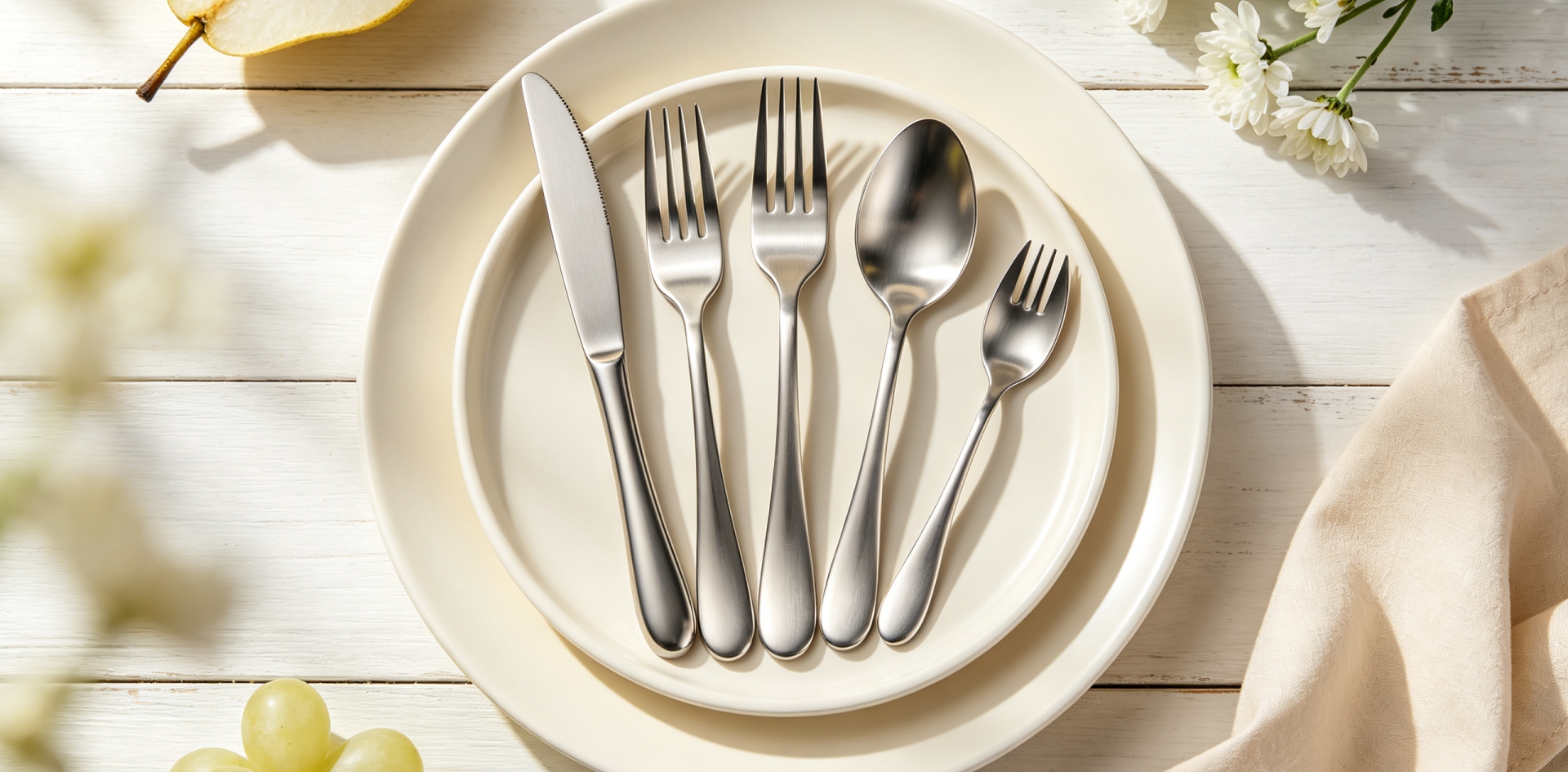
A bright mirror finish provides a traditional and elegant appearance and is widely associated with classic table settings. Satin or brushed finishes can create a more contemporary look and may be suitable for modern hospitality or retail collections.
Other decorative treatments can be considered when the product concept calls for a distinctive appearance.
The right finish depends on the customer's product positioning, target consumers and intended application. A manufacturer should therefore discuss the desired appearance together with the practical requirements of the product.
For large B2B orders, consistency is particularly important. The appearance of samples and mass-produced products needs to remain aligned with the specifications approved by the buyer.
Branding and Private Label Development
For many businesses, custom cutlery is not complete until the brand identity has been incorporated into the product.
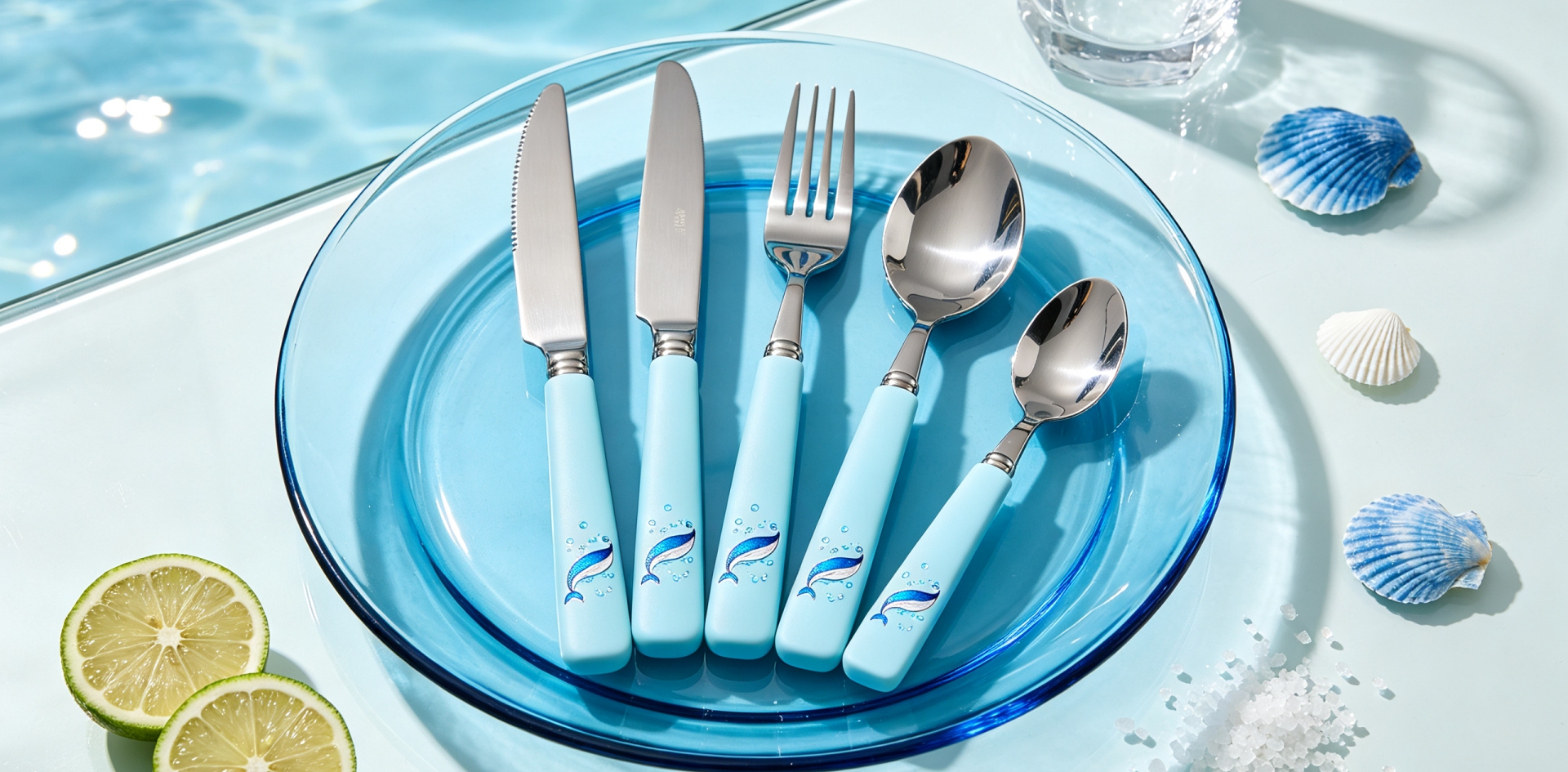
Logo customization can help turn a standard spoon, fork or knife into a branded product. Depending on the project, branding may also be incorporated into packaging, boxes, sleeves or complete flatware set presentations.
Private-label manufacturing is particularly attractive to retailers, distributors and consumer brands that want to sell cutlery under their own names.
Instead of competing only on generic products, a private-label collection gives the buyer more control over product presentation, packaging and market positioning.
A stainless steel cutlery manufacturer with OEM, ODM and private-label experience can support this process from initial product discussion through sample approval and production.
Quality Consistency During Mass Production
One of the biggest differences between developing a sample and manufacturing thousands of pieces is consistency.
A sample can be carefully inspected before approval, but a commercial order may contain thousands or tens of thousands of individual pieces. The manufacturer therefore needs appropriate production procedures to ensure that the approved specifications are maintained throughout the order.
For stainless steel cutlery, quality checks can include dimensions, weight, shape, surface appearance, polishing, edges, logo placement and packaging.
Consistency is especially important when the same product will be reordered over a long period. A retailer or restaurant group needs confidence that the next production batch will maintain the same appearance and specifications as the previous order.
This is one reason why long-term manufacturing experience can be valuable when selecting a supplier.
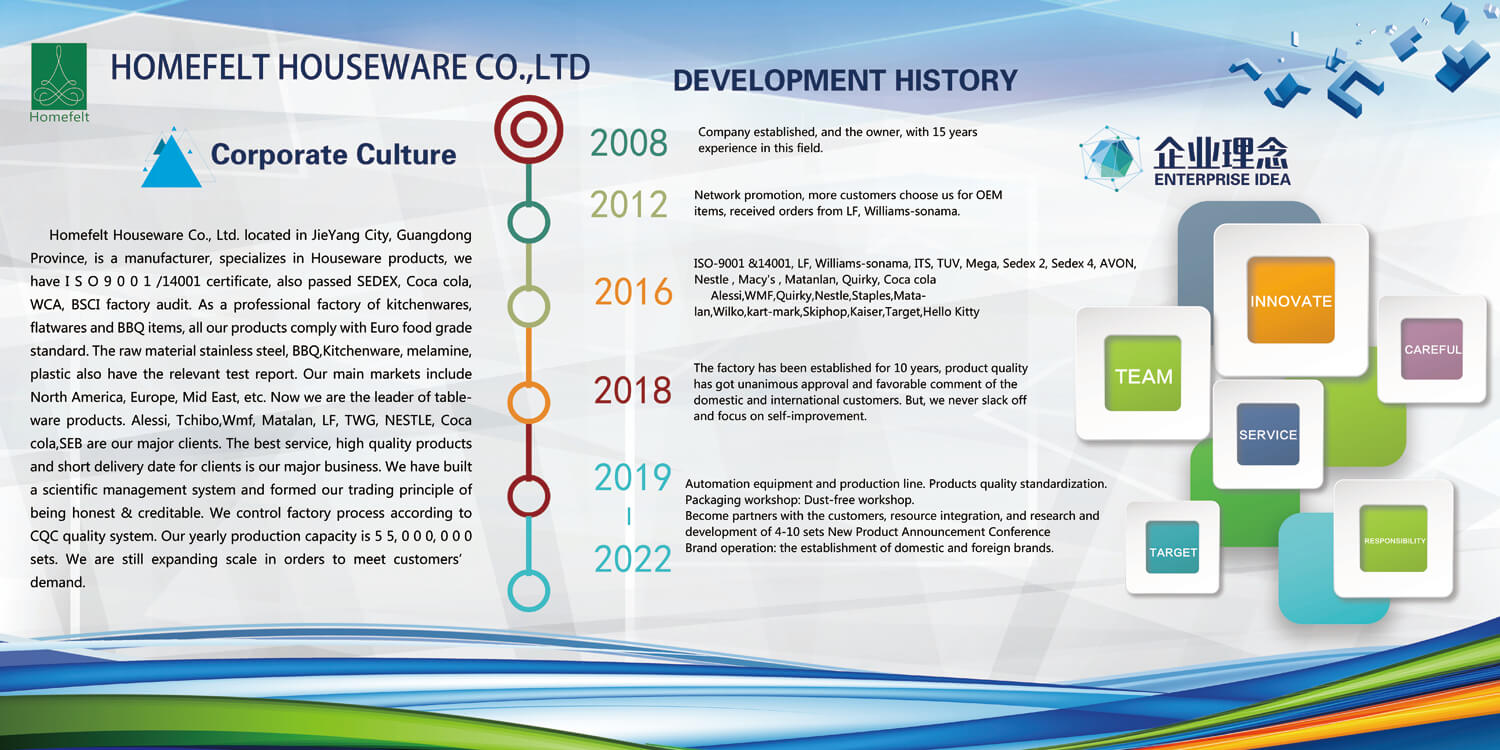
Homefelt states that it has more than 40 years of experience in stainless steel cutlery manufacturing and provides OEM, ODM, private-label and B2B customization services. The company also lists BSCI, SEDEX 4P, BRC and ISO9001 audits, together with Disney audit experience and FAMA and FSC certifications.
These capabilities are relevant to buyers who need more than a basic wholesale supplier and are looking for a manufacturing partner capable of supporting customized B2B projects.
Packaging Is Part of the Product
For retail and private-label projects, the cutlery itself is only one part of the finished product.
Packaging can influence how the collection is displayed, transported and presented to customers. Buyers may require individual packaging, multi-piece flatware sets, gift boxes, retail cartons or customized packaging designed around their brand identity.
Packaging requirements should ideally be discussed at the beginning of the project.
This allows the manufacturer to consider the dimensions of the cutlery, set configuration, packaging structure and shipping requirements together rather than making packaging decisions after production has already been completed.
For large export orders, practical packaging can also help reduce damage during transportation and improve warehouse handling.
Supporting Different B2B Cutlery Projects
The requirements of a restaurant group are different from those of an online retailer. A hotel may require a large quantity of coordinated spoons, forks and knives, while a private-label brand may focus on appearance, packaging and product differentiation.
A wholesale distributor may need several price levels for different customers. A retailer may need a complete cutlery set that fits a particular shelf or e-commerce product specification.
A capable stainless steel cutlery manufacturer should be able to understand these differences and provide manufacturing solutions accordingly.
Homefelt describes its main customers as wholesalers, distributors, retailers, foodservice suppliers and private-label brands, with international markets including North America, Europe, the Middle East and East Asia.
This type of B2B experience can be useful when a project involves multiple products, customized specifications or ongoing repeat orders.
What Buyers Should Include When Requesting a Quote
Before contacting a stainless steel cutlery manufacturer, buyers do not need to have every technical detail finalized.
However, providing several basic pieces of information can make the quotation process much more efficient.
Start with the product type. Explain whether you need spoons, forks, knives, serving utensils, a complete flatware set or several product categories.
Then provide your estimated quantity. If the order will be repeated regularly, mention the expected purchasing frequency as well.
If you have a reference design, send photographs, drawings or a physical sample description. For private-label projects, provide the logo and explain where you would like the branding to appear.
You can also specify your preferred finish, color, packaging style and target market.
If you are not sure about the material, thickness, finish or production method, simply explain your intended application and target price range. An experienced manufacturer can then evaluate the requirements and suggest suitable options.
Making the Customization Process More Efficient
Good communication at the beginning of a project can save considerable time later.
Instead of discussing only the unit price, buyers should communicate the complete product requirements. This allows the manufacturer to understand the project as a whole and identify potential production issues before samples are made.
A clear project brief can include product drawings, dimensions, material requirements, estimated quantity, logo specifications, packaging requirements and target delivery schedule.
The manufacturer can then review the information and determine what needs to be confirmed before sampling.
For buyers developing several products at once, this approach is particularly useful. It allows the manufacturer to consider the collection as a complete product family rather than treating every spoon, fork and knife as an unrelated item.
Build a Custom Cutlery Collection With a Manufacturing Partner
The value of a stainless steel cutlery manufacturer is not limited to its ability to produce a finished spoon, fork or knife.
For customized B2B projects, the manufacturer's experience can influence almost every stage of the process, from product concept and material selection to sampling, finishing, branding, packaging and mass production.
For businesses developing a new private-label collection, expanding an existing tableware range or sourcing customized flatware for wholesale and hospitality applications, choosing the right manufacturing partner can make the project more predictable and easier to manage.
Homefelt combines long-term stainless steel cutlery manufacturing experience with OEM, ODM and private-label capabilities for international B2B customers.
If you are planning a new custom cutlery project, you can send your product drawings, reference photos, required quantities, logo information or packaging ideas for evaluation.
Whether you already have a finished design or are still developing the concept, sharing your requirements with an experienced stainless steel cutlery manufacturer is a practical first step toward turning your idea into a production-ready product.
For buyers who are looking for a long-term supplier, the right conversation can begin with a simple inquiry: describe the cutlery you need, your expected quantity and the customization you have in mind, and let the manufacturing team evaluate the project with you.
You May Be Interested In
Request a Custom Cutlery Quote From Our Stainless Steel Manufacturing Factory
Have a Cutlery Design? Let Our Factory Turn It Into a Finished Product
Looking for OEM Stainless Steel Cutlery for Your Brand? Get in Touch With Us
Start Your Private Label Cutlery Project With an Experienced Manufacturer
Need Custom Spoons, Forks or Knives? Send Us Your Requirements
Get a Custom Stainless Steel Flatware Solution for Your Next Bulk Order
Looking for a Long-Term Cutlery Manufacturing Partner? Contact Our Team
Tell Us Your Cutlery Requirements and Request a Factory Quotation
Develop Your Own Stainless Steel Cutlery Collection With Our Factory
Ready to Develop Custom Cutlery for Your Brand? Send an Inquiry Today
What is 1 Man 2 Spoons?
What Does It Mean to Be a Little Spoon?
Related Article