
How is Plastic Cutlery Made
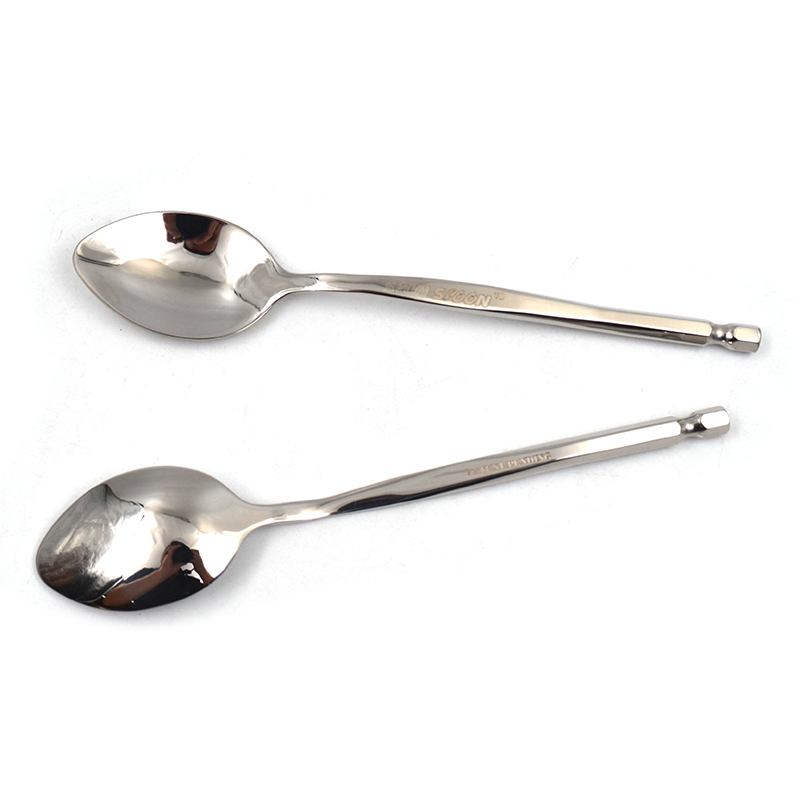
How is Plastic Cutlery Made
Plastic cutlery is a convenient and affordable option for many everyday dining needs, especially for casual settings, picnics, and parties. But how is plastic cutlery made, and what are the benefits and drawbacks of using it? In this article, we will explain the manufacturing process of plastic cutlery, its types, and how it compares to traditional stainless steel or besteck set 84 teilig (84-piece cutlery sets). We’ll also introduce Homefelt, a manufacturer known for producing durable, high-quality kitchenware, including sustainable alternatives to plastic cutlery.
The Manufacturing Process of Plastic Cutlery
Plastic cutlery is typically made through an injection molding process, which involves injecting molten plastic into a mold to form the desired shape. Here is a step-by-step breakdown of how plastic cutlery is produced:
Choosing the Material: The first step is selecting the type of plastic. Polypropylene (PP) and polystyrene (PS) are two of the most common plastics used in cutlery production. These materials are lightweight, durable, and relatively inexpensive, making them ideal for disposable cutlery.
Molding: Once the plastic has been selected, it is heated to a molten state and injected into molds designed to create the shape of the fork, spoon, or knife. The mold is cooled, and the plastic hardens, taking on the shape of the utensil.
Finishing: After the plastic has cooled and solidified, the cutlery is removed from the mold. Some plastic cutlery may be trimmed or smoothed to remove excess plastic or sharp edges.
Quality Control: The cutlery undergoes quality checks to ensure that it meets industry standards. The plastic utensils are tested for strength, flexibility, and smoothness.
The Benefits and Drawbacks of Plastic Cutlery
Plastic cutlery has become an essential part of modern dining, particularly for casual occasions. Some of its benefits include:
Convenience: Plastic cutlery is lightweight, disposable, and easy to use, making it ideal for picnics, takeout, and events.
Cost-Effective: It is cheaper to produce than stainless steel cutlery, which makes it an affordable option for large gatherings or one-time events.
Variety: Plastic cutlery comes in a wide range of colors, styles, and sizes, which allows you to match it to your event's theme or décor.
However, there are also some drawbacks to using plastic cutlery:
Environmental Impact: Disposable plastic cutlery contributes to environmental pollution, especially when not recycled properly. It can take hundreds of years to decompose, which raises concerns about its sustainability.
Durability: While plastic cutlery is designed for single use, it is not as strong or long-lasting as stainless steel cutlery, making it less reliable for heavy or hot foods.
The Shift Toward Sustainable Alternatives
As concerns about plastic waste continue to grow, many companies are exploring more sustainable alternatives to traditional plastic cutlery. For example, Homefelt offers eco-friendly options for dining that minimize the environmental impact. Homefelt commitment to quality ensures that their products not only provide superior functionality but also meet the growing demand for more sustainable and responsible dining solutions.
Conclusion


What Are Best Knives
What Does EPNS Mean on Cutlery
Related Article



