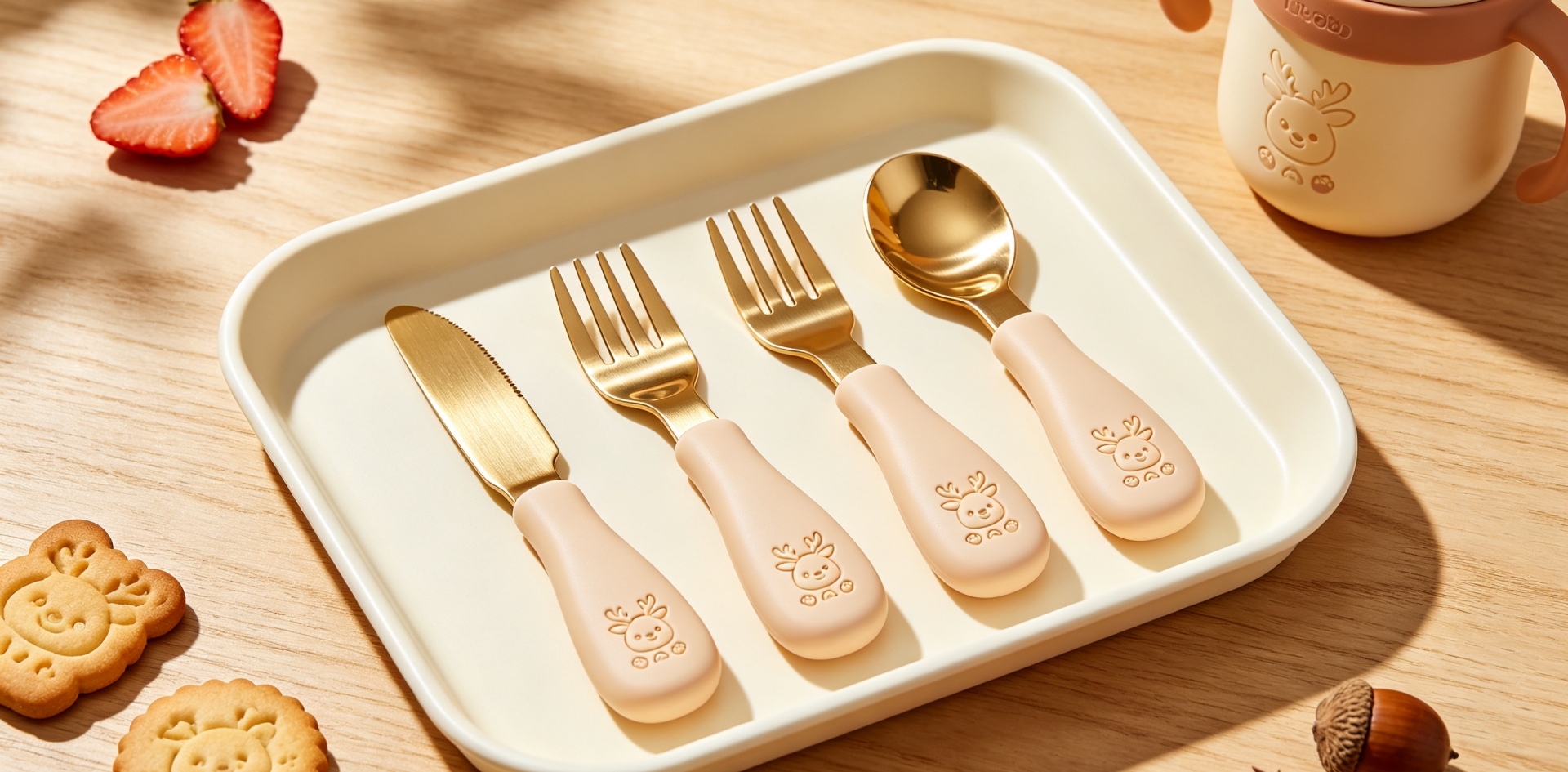
Stainless Steel Spoon Bowl Curvature and Contour Control
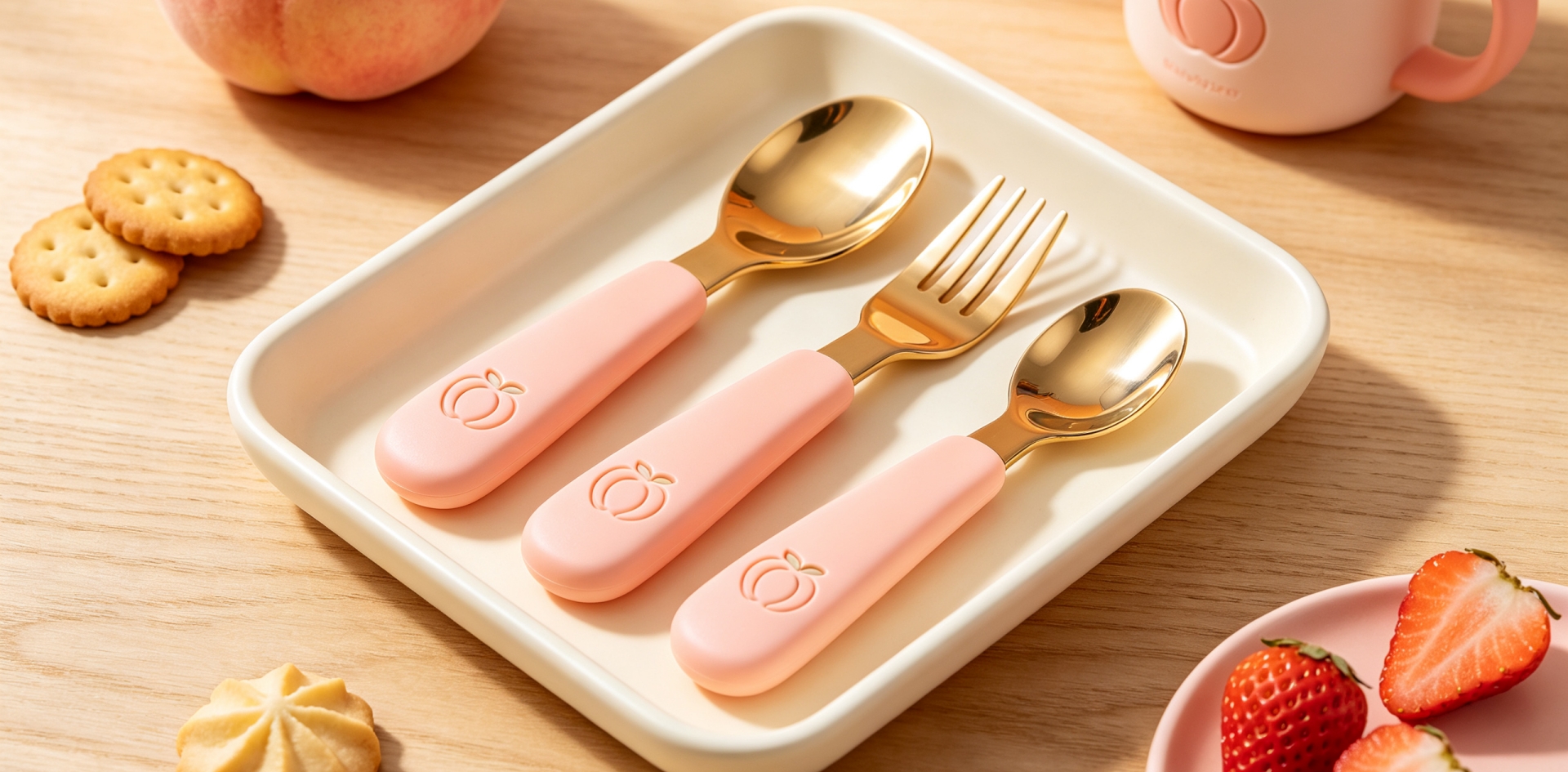
Stainless Steel Spoon Bowl Curvature and Contour Control
The curvature of a stainless steel spoon bowl influences its appearance, depth, usable capacity, and overall proportions. For importers, distributors, retailers, and foodservice suppliers, bowl contour is an important design detail to confirm before approving a sample for wholesale production.
Two spoons can have similar overall dimensions while presenting different bowl profiles. One may have a deeper center with a more pronounced curve, while another may have a flatter shape and a wider transition toward the rim. These differences can affect how the spoon looks, how it holds food, and whether products from different batches match the approved design.
For B2B buyers developing a new cutlery collection, a clearly defined bowl profile helps turn a visual preference into a repeatable manufacturing specification. Homefelt factory supports stainless steel spoon customization, OEM/ODM development, private label projects, and large-volume cutlery production.
What Is Spoon Bowl Curvature?
Spoon bowl curvature describes how the bowl surface changes direction from the rim toward the center and along its length and width. It is a three-dimensional feature rather than a single length or width measurement.
Several elements work together to create the final contour:
-
Longitudinal curvature, which describes the profile from the front of the bowl toward the handle.
-
Transverse curvature, which describes the profile across the bowl's width.
-
Central depth, which indicates how far the lowest point sits below a defined rim reference.
-
Rim outline, which determines the shape and dimensions of the bowl opening.
-
Transition geometry, which describes how the bowl profile approaches the handle connection.
A bowl can be relatively shallow across its width but deeper along its length, or it can have a more uniform curved profile. The correct configuration depends on the product design and intended use.
For this reason, buyers should avoid defining bowl shape through a single depth measurement when the contour itself is important to the product.
Why Similar Dimensions Can Produce Different Results
Overall bowl length and width provide useful dimensional controls, but they do not fully describe the internal surface.
Imagine two spoons with the same bowl length, maximum width, and nominal depth. The first has a gradual curve from the rim to the center. The second has steeper sides and a more concentrated central depression. Their measured dimensions may be close, yet their appearance and usable capacity can differ.
This matters when a buyer wants a specific visual style or needs a coordinated range of spoon sizes. A shallow dessert spoon, a standard table spoon, and a serving spoon may use different contours, but each model should reproduce its approved shape consistently.
Bowl curvature can also affect how reflections appear on polished stainless steel. A small contour variation may create a visible change in reflected light, particularly on a bright finish. Visual inspection should therefore consider both the shape and the way the finished surface reflects light.
How to Specify a Bowl Profile
A useful bowl specification combines dimensional information with a clear representation of the intended shape.
For standard designs, buyers may specify bowl length, maximum width, depth, and overall spoon length. When the contour is distinctive, a technical drawing should include suitable profile views or cross-sections.
The specification can identify:
-
Bowl length and maximum width.
-
Bowl depth and the reference points used to measure it.
-
Longitudinal profile or cross-section.
-
Transverse profile or cross-section.
-
Rim outline and symmetry requirements.
-
Relevant tolerances for critical dimensions.
-
Approved sample identification and drawing revision.
Depth measurements are only comparable when the measurement reference is consistent. For example, the lowest point of the bowl should be related to a clearly defined rim plane or other agreed datum. If different measurement methods are used, the recorded values may not be directly comparable.
For custom projects, the buyer and factory should agree which dimensions are critical to function and appearance. This prevents the inspection process from becoming unnecessarily complicated while ensuring that the most important design features are controlled.
Sample Evaluation Before Bulk Production
Sample approval is the best stage to identify whether a bowl contour meets the buyer's expectations. A physical sample allows the buyer to examine the profile from several angles and compare it with the intended product design.
During evaluation, check the following points:
-
Compare the bowl outline with the drawing or approved reference.
-
Check bowl length, width, and depth using the agreed method.
-
Examine the longitudinal and transverse curves.
-
Review the transition from the bowl into the handle.
-
Compare the appearance under consistent lighting.
-
Record any changes required before approval.
If a sample needs adjustment, the feedback should identify the affected feature rather than simply requesting a “deeper” or “rounder” bowl. A clearer instruction might identify the central depth, the side-wall curvature, or the profile in a particular cross-section.
When a revised sample is produced, record its version and approval status. This helps prevent an earlier sample from being used as the production reference after the design has changed.
Manufacturing Factors That Influence Bowl Contour
The finished bowl profile depends on the selected design, material, tooling, forming method, and subsequent finishing operations. Changes in any of these factors may influence the final contour.
The forming process must reproduce the intended three-dimensional shape while maintaining the required dimensions and surface condition. If the bowl profile is especially shallow, deep, or asymmetrical by design, the tooling and inspection method should reflect those characteristics.
Finishing can also affect the final result. Excessive material removal may soften the rim or alter a defined transition. Handling and storage can introduce deformation if products are not adequately protected.
For high-volume orders, the production plan should identify the bowl dimensions and contour features that require monitoring. Inspection frequency should reflect the complexity of the design, order quantity, and the buyer's agreed quality requirements.
Contour Consistency Across Different Spoon Sizes
A coordinated cutlery collection often includes several spoon models with different bowl dimensions. The challenge is to maintain a consistent design language without assuming that every size should share identical proportions.
For example, a smaller spoon may require a shallower bowl to maintain the intended appearance, while a larger spoon may need a different curvature to preserve its proportions. The appropriate design should be evaluated for each model.
Buyers can simplify range development by defining shared design principles, such as the rim outline, general curvature style, finish, and handle transition. Each individual SKU can then have its own dimensional drawing and acceptance requirements.
For OEM and private label projects, Homefelt can discuss how proposed bowl profiles fit into a wider stainless steel cutlery range. Final dimensions and samples should be confirmed for each item before mass production begins.
Inspection Records and Technical Documentation
A bowl profile is easier to reproduce when its requirements are documented rather than communicated only through photographs or verbal descriptions.
A useful project file may include the approved technical drawing, sample identification, dimensional inspection results, material specification, surface finish requirements, and applicable quality records. If special profile measurement is required, the method and reference points should be documented as well.
Where applicable, buyers can request relevant material documentation, product test reports, and factory certification records. The documents should correspond to the actual product, facility, and scope involved. Certification alone does not establish that a particular bowl contour meets its drawing requirements; dimensional and visual checks are still needed where specified.
Clear records also support repeat purchasing. When a distributor reorders the same spoon months later, the supplier can refer to the approved drawing revision and agreed inspection criteria instead of relying on an informal description.
What to Include in a Bowl Design Inquiry
When requesting a quotation for a custom stainless steel spoon, provide the intended spoon type, target dimensions, material preference, finish, order quantity, and packaging requirements. If bowl curvature is a key design feature, include a dimensioned drawing, cross-section, or physical reference sample.
It is also useful to state whether the bowl profile is a visual preference or a controlled specification that must be measured during inspection. This distinction helps the factory prepare an appropriate sampling and quality plan.
Homefelt factory offers stainless steel spoon and flatware customization, OEM/ODM manufacturing, wholesale supply, and bulk production. One-stop support can include product design coordination, packaging, and transportation planning according to each customer's requirements.
To discuss bowl contour development or request a bulk quotation, contact ingrid@homefelt.net with your drawings, target specifications, and expected quantity.
You May Be Interested In
Stainless Steel Spoon Decorative Pattern Alignment
Stainless Steel Spoon Surface Roughness and Consistency
Related Article