
How to Bend Cutlery
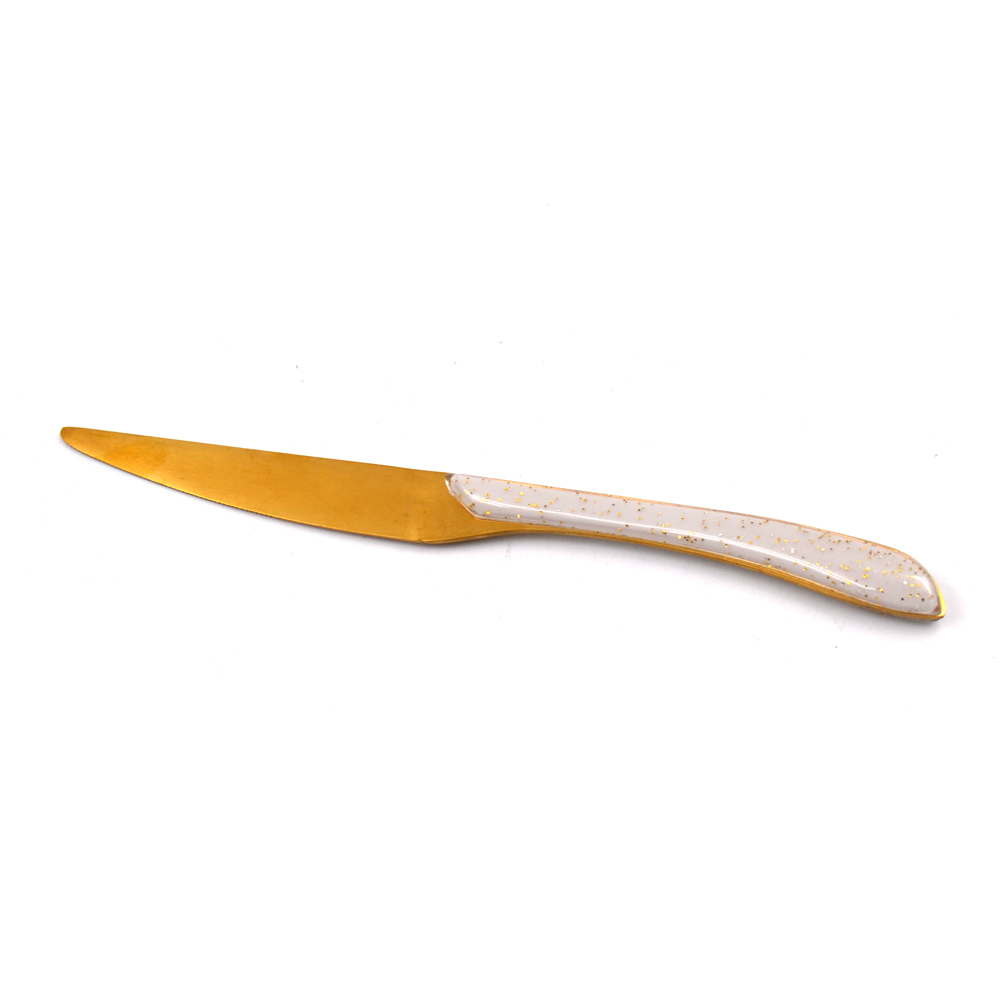
How to Bend Cutlery
Cutlery is a staple in every household, and it’s used on a daily basis for a variety of purposes. However, what if you need to bend your cutlery for a specific task or creative project? Whether you’re customizing utensils for a themed event or simply need to adjust the shape of your knives, forks, or spoons, learning how to bend cutlery properly is an important skill. In this article, we’ll explore the process of bending cutlery, the materials involved, and how Homefelt, with over 30 years of expertise in stainless steel, ensures the durability and flexibility of their cutlery products.
1. Why Would You Bend Cutlery?
Bending cutlery is not something most people do on a regular basis, but there are several reasons why you might need to bend your utensils. Some people bend cutlery to create custom designs for themed events or special occasions. Others may need to bend utensils to fit specific storage spaces or achieve a more ergonomic design.
Bending cutlery can also be useful for certain food preparation tasks. For example, a fork can be bent to create a custom shape that makes it easier to serve food in a specific way, such as for serving cakes or delicate items. Besteck für 80 personen (cutlery for 80 people) often requires customized pieces for catering events, and bending cutlery can be part of the customization process.
2. How to Bend Stainless Steel Cutlery
If you plan to bend cutlery, it’s essential to understand the material you’re working with. Stainless steel cutlery, like the high-quality options offered by Homefelt, is highly durable but can be bent with the right tools and techniques.
To bend stainless steel cutlery, you’ll need to heat the utensil first to make it more malleable. Use a blowtorch or heat source to warm the area of the cutlery you want to bend. Once heated, use pliers or a bending tool to gently bend the cutlery to your desired shape. Be sure to apply consistent, even pressure to avoid breaking or damaging the utensil.
It’s important to note that while stainless steel is durable, it can still be damaged if bent too sharply or improperly. Besteck metallgeschmack (metallic taste in cutlery) can sometimes be a result of excessive manipulation or use of poor-quality metals, so always ensure you’re working with high-quality cutlery like the products from Homefelt, which guarantees a smooth finish and superior performance.
3. Tips for Bending Cutlery Without Damage
Heat before bending: Always heat the stainless steel cutlery to make it more pliable. This prevents cracking or breaking.
Use the right tools: Use pliers or a bending tool that will allow you to control the bending process and avoid bending the cutlery too harshly.
Work slowly: Take your time when bending to ensure that the cutlery doesn’t break or lose its integrity. Gradual bending is key.
4. The Role of Homefelt in Durable Cutlery Design
At Homefelt, we focus on producing high-quality stainless steel cutlery that can withstand everyday use, including bending or customizing. Carl Eickhorn Solingen Besteck (cutlery from Carl Eickhorn Solingen) is an example of the quality and durability you can expect from Homefelt. The design and manufacturing processes ensure that the cutlery can handle the rigors of bending or shaping without losing its functionality or visual appeal.
5. Conclusion


Is a Plate Cutlery
Is Bamboo Cutlery Set Reusable
Related Article



