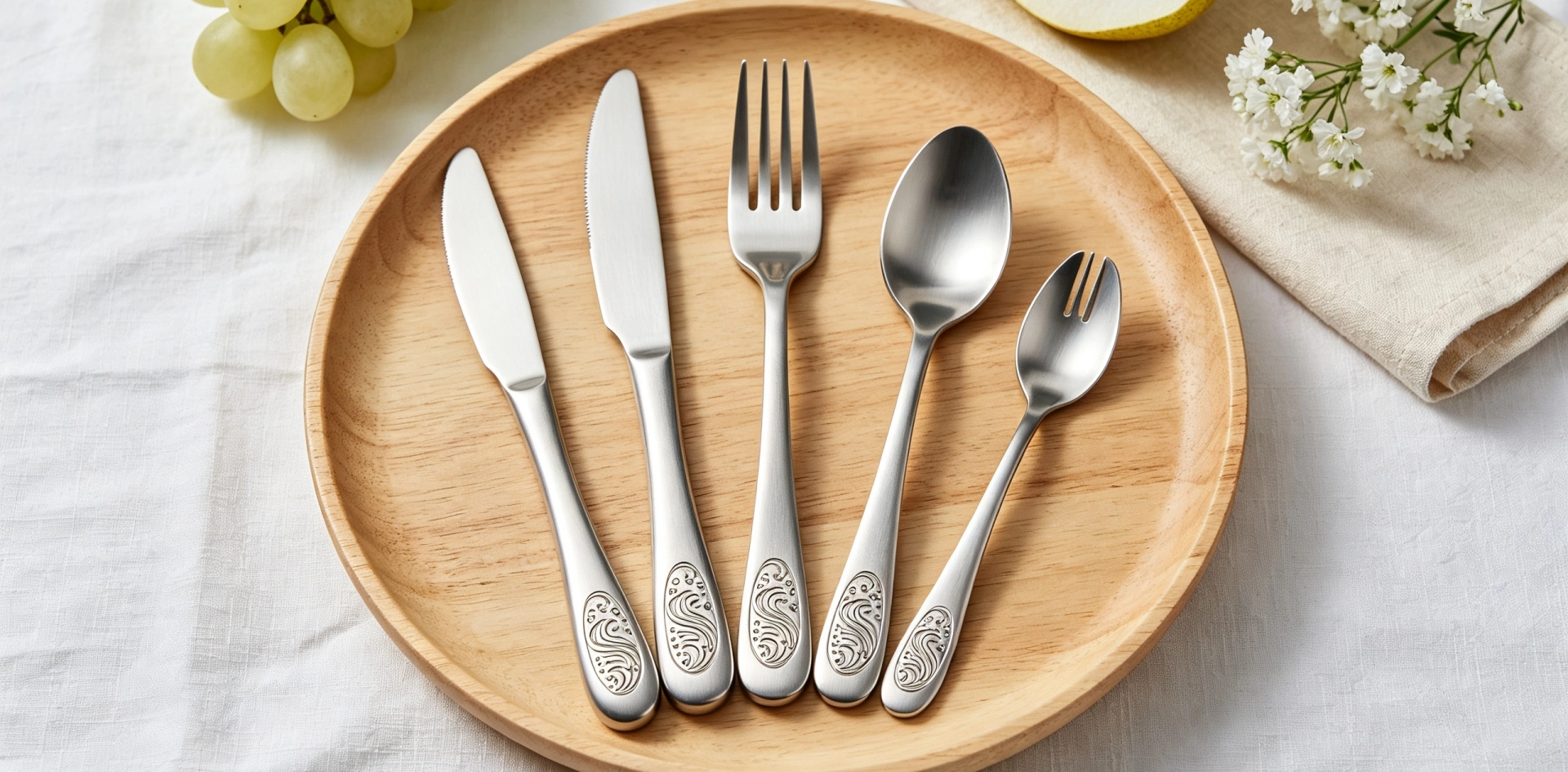
How to Buy Stainless Steel Cutlery in Bulk for B2B Buyers
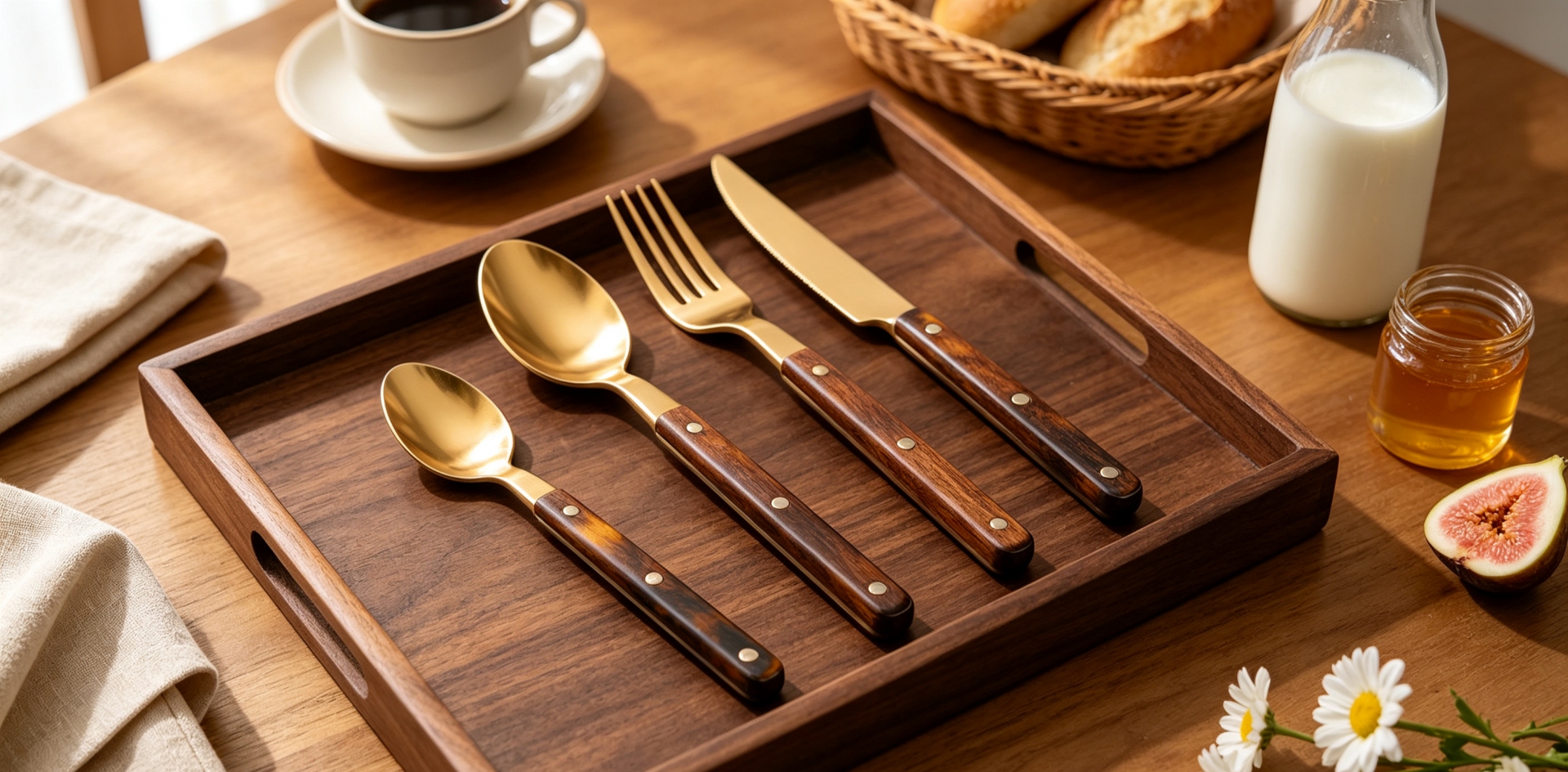
How to Buy Stainless Steel Cutlery in Bulk for Hotels, Restaurants and Distributors
Buying stainless steel cutlery in bulk requires more planning than purchasing a small number of tableware sets. Hotels, restaurants, catering companies, distributors and institutional buyers need to consider product specifications, usage volume, inventory turnover, packaging, logistics and future replacement requirements before confirming a large order.
The correct purchasing decision depends on how and where the cutlery will be used. A hotel may require several collections for restaurants, banquets and room service. A distributor may need a standardized range for different customers. A restaurant chain may require identical products across multiple locations.
For B2B buyers, the most efficient approach is to define the requirements clearly before comparing quotations. When the product, material, finish, quantity and packaging are specified in advance, suppliers can provide more accurate pricing and production information.
Start With the Intended Application
The first question is where the stainless steel cutlery will be used.
Different applications can have different priorities:
- Hotels and resorts
- Restaurants and cafes
- Catering companies
- Corporate cafeterias
- Healthcare foodservice
- Educational dining
- Cruise and transport catering
- Retail distribution
The intended application influences product design, quantity, packaging and replacement planning.
Define the Required Product Range
Not every buyer needs the same collection.
A basic commercial range may include:
- Table fork
- Table knife
- Table spoon
- Dessert fork
- Dessert spoon
- Teaspoon
Some projects require only forks, knives and spoons, while others need a broader range.
The product list should reflect the actual menu and service format.
Calculate the Initial Quantity
Bulk purchasing should not be based only on the number of dining seats.
Buyers should also consider:
- Number of users
- Daily service volume
- Table turnover
- Number of meal periods
- Cleaning turnaround
- Reserve inventory
- Expected loss or replacement
- Number of business locations
A business with 200 seats and rapid turnover may require much more cutlery than a business with the same seating capacity but slower service.
Consider Inventory Circulation
Reusable cutlery moves continuously through the operation.
Products may be in use, waiting for collection, being cleaned, stored or prepared for the next service.
If the purchasing quantity only covers the number of active seats, shortages can occur when cleaning turnaround is slower than expected.
A practical bulk order should account for the complete circulation cycle.
Choose the Stainless Steel Material
The material specification should be confirmed before requesting a quotation.
Different stainless steel grades can have different compositions and characteristics.
The appropriate choice depends on product positioning, intended application and target market.
Buyers should request clear confirmation of the agreed material specification from the manufacturer.
Select Product Dimensions
Dimensions affect table presentation, handling and compatibility with existing tableware.
Buyers can define:
- Overall length
- Handle width
- Product thickness
- Weight range
- Product proportions
Samples should be reviewed before mass production, especially for custom projects.
Evaluate Weight and Balance
Two products with similar dimensions can feel very different when used.
Weight distribution, handle shape and balance influence the user experience.
Hotels and premium restaurants may place greater importance on these details, while high-volume foodservice programs may focus on practicality and efficient handling.
Physical samples provide the best basis for evaluation.
Choose a Surface Finish
The surface finish affects the appearance of the cutlery collection.
Common choices can include polished, satin and brushed finishes.
The selected finish should coordinate with the buyer's plates, glassware and overall dining concept.
For large projects, samples should be reviewed under the intended operating environment.
Standard or Custom Products
Standard products can simplify purchasing because the basic design and production process already exist.
Custom products can provide a more distinctive collection but may involve additional development, sampling and production requirements.
Buyers should determine whether the business needs a unique design or whether a standard collection is sufficient.
Request Samples Before Bulk Production
A sample should be evaluated before confirming a large order.
Buyers can check:
- Product dimensions
- Weight
- Balance
- Handle comfort
- Surface appearance
- Finish consistency
- Overall workmanship
- Compatibility with existing tableware
Approved samples can also serve as the reference for future repeat orders.
Prepare a Clear Product Specification
A bulk order should have a written specification covering the key requirements.
This can include:
- Product names
- Product dimensions
- Material
- Finish
- Quantity per item
- Packaging
- Branding
- Inspection requirements
- Approved sample reference
- Delivery requirements
Clear specifications can reduce misunderstandings between buyer and manufacturer.
Understand MOQ Requirements
Minimum order quantity may vary according to product type and customization.
Standard collections can have different requirements from newly developed products.
Special finishes, private labeling and custom packaging may also affect the MOQ.
Buyers should discuss this early in the sourcing process.
Compare Supplier Quotations Correctly
Price comparisons are meaningful only when the specifications are equivalent.
A quotation based on different material, thickness, finish or packaging may not be directly comparable.
Buyers should request pricing based on the same product specifications and quantities.
This helps identify the real differences between supplier offers.
Consider the Total Purchasing Cost
The unit price is only one part of the procurement decision.
Buyers may also need to consider:
- Sample costs
- Custom development costs
- Packaging costs
- Inspection costs
- Inland transportation
- International shipping
- Import duties and taxes
- Warehousing
- Replacement purchasing
A broader cost evaluation can provide a more realistic picture of the long-term program.
Packaging for Bulk Orders
Bulk stainless steel cutlery may travel from the factory to a warehouse, distributor or final foodservice location.
Packaging should protect the products during handling and transportation.
Buyers can define individual packaging, inner boxes, master cartons, product labels and carton markings according to their distribution model.
Plan for Warehouse Distribution
Distributors and multi-location businesses should consider how the products will move after arrival.
Carton quantities can affect warehouse handling and order fulfillment.
Clear labeling can help identify product types and quantities quickly.
For restaurant chains or hotel groups, products can be packed according to location-level distribution requirements.
Confirm Production Lead Time
Lead time can vary according to product complexity, order quantity, customization and factory production schedules.
Buyers should request a realistic production estimate before confirming the purchase order.
If the order is connected to a hotel opening, restaurant launch or seasonal demand, production timing should be planned well in advance.
Quality Control Before Shipment
B2B buyers should agree on inspection requirements before production.
Inspection can focus on relevant aspects such as product dimensions, surface appearance, finish consistency, workmanship, quantity and packaging.
A clear quality standard gives both buyer and manufacturer a common reference.
Plan for Repeat Orders
Many bulk cutlery programs continue for years.
Hotels replace lost pieces. Restaurant chains open new locations. Distributors reorder products based on customer demand.
Before selecting a supplier, buyers should discuss repeat production capability and future availability.
Approved samples and detailed product records can simplify replenishment.
Build a Reserve Inventory
A reserve inventory can help businesses respond to unexpected demand, loss or replacement needs.
The appropriate reserve level depends on service volume and operational requirements.
For high-volume foodservice programs, reserve stock can be an important part of maintaining uninterrupted service.
Purchasing for Multiple Locations
Companies operating several hotels, restaurants or dining facilities can establish a central product specification.
Each location can then order quantities according to its seating capacity and service volume.
This can simplify purchasing while maintaining a consistent dining presentation across the organization.
Private Label Bulk Orders
Distributors and retail brands may want bulk stainless steel cutlery under their own label.
Private label programs can involve product selection, branding and custom packaging.
The buyer should provide the required artwork and packaging specifications before production.
A sample approval process can help confirm the final presentation.
Custom Packaging for Distribution
Some buyers need products packed for direct distribution to retail customers, while others require bulk cartons for commercial use.
Packaging should therefore be developed around the actual supply chain.
The right packaging configuration can reduce repacking work after the products arrive.
Working With a Stainless Steel Cutlery Manufacturer
For large and repeat orders, buyers should evaluate the manufacturer's experience, product range, communication and production capability.
Homefelt has more than 30 years of stainless steel manufacturing experience and produces stainless steel cutlery together with kitchen and dining products, BBQ tools, pet bowls and children's tableware.
For international B2B customers, Homefelt supports standard and customized stainless steel products.
Hotels, restaurant groups, distributors, importers and hospitality suppliers can discuss material, dimensions, finish, packaging, branding and estimated quantities according to their requirements.
Detailed specifications and approved samples can also support consistent repeat production.
What to Send When Requesting a Bulk Quote
Before contacting a supplier, buyers can prepare:
- Product list
- Product images or reference designs
- Required material
- Preferred dimensions
- Surface finish
- Quantity per item
- Total order quantity
- Packaging requirements
- Branding requirements
- Target market
- Delivery location
- Expected purchasing schedule
Providing this information can help the supplier prepare a more relevant quotation.
Build a Long-Term Procurement Program
For companies that purchase regularly, bulk buying can be part of a longer procurement strategy.
A written product specification, approved sample and consistent supplier communication can simplify future orders.
As demand grows, the purchasing program can be expanded to new locations, product categories or packaging formats.
Conclusion
Buying stainless steel cutlery in bulk is a process of matching product specifications with real operational requirements.
B2B buyers should define the intended application, product range, quantity, material, dimensions, finish, packaging, quality requirements and future replacement needs before confirming production.
Comparing suppliers based on equivalent specifications and approving samples before mass production can help reduce purchasing risks.
Homefelt has more than 30 years of stainless steel manufacturing experience and works with international B2B customers on standard and customized stainless steel products.
By sharing clear requirements and expected order volumes with the manufacturer, hotels, restaurants, distributors and foodservice buyers can develop a bulk stainless steel cutlery purchasing program that supports efficient procurement and reliable long-term supply.
You May Be Interested In
Wholesale Stainless Steel Flatware Supplier: What B2B Buyers Should Know
How to Import Stainless Steel Flatware From China
Custom Stainless Steel Flatware for Restaurants and Hospitality Brands
Private Label Flatware Manufacturing for Retail and Distribution
How to Choose Stainless Steel Cutlery for Commercial Foodservice
Stainless Steel Flatware Packaging Options for Wholesale Buyers


Commercial Stainless Steel Cutlery for Foodservice Businesses
Adaptive Utensil
Related Article