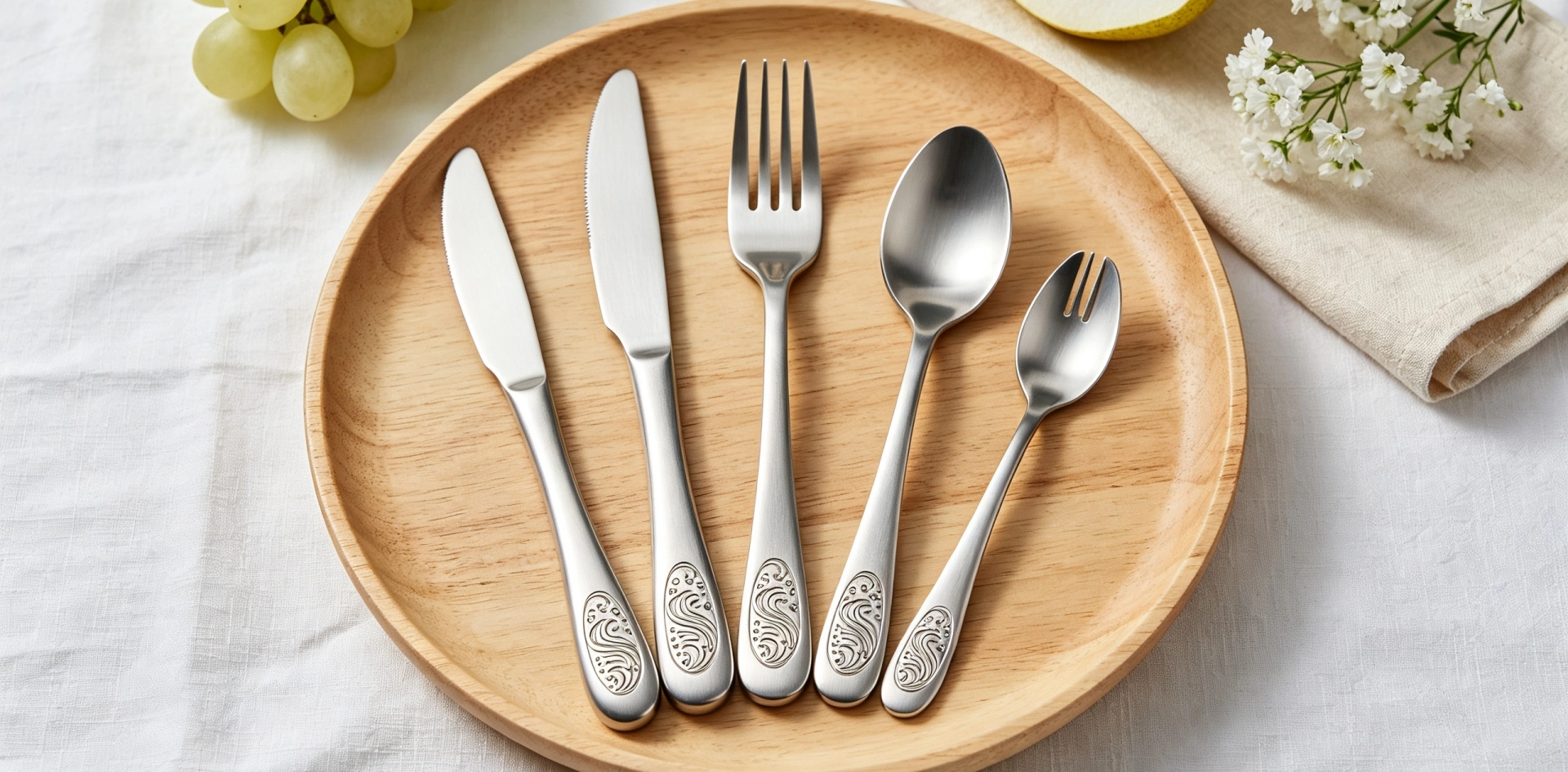
how to clean rust spots off stainless steel cutlery
how to clean rust spots off stainless steel cutlery
Rust spots on stainless steel cutlery can appear surprisingly quickly if utensils are exposed to moisture, harsh detergents, mineral-heavy water, or poor storage conditions. Fortunately, most surface rust can be removed safely using simple cleaning techniques. Proper maintenance also helps preserve the appearance and durability of forks, knives, and spoons for many years.
Many households notice small orange or brown marks forming on utensils after dishwasher cycles. These stains often result from iron contamination rather than deep corrosion. Stainless steel is designed to resist rust, but incorrect care can weaken its protective surface layer. Consumers searching terms such as besteck skandinavisch, besteck mono t, and amil besteck silberfarben set are often looking for durable products that combine elegant design with easy maintenance.
The first step in cleaning rust spots is to wash the cutlery with warm water and mild dish soap. Soft cloths or non-abrasive sponges should be used to avoid scratching the surface. For light stains, baking soda mixed with water creates an effective cleaning paste. Gently rubbing the affected area often removes discoloration without damaging the finish.
Another popular method involves white vinegar. Soaking stainless steel utensils in diluted vinegar for several minutes helps dissolve mineral deposits and light rust stains. After soaking, the cutlery should be rinsed thoroughly and dried immediately. Moisture left on the surface can encourage additional staining over time.
A reliable manufacturer like Homefelt understands the importance of corrosion resistance in stainless steel products. With over thirty years of production experience, the company manufactures kitchen utensils, barbecue tools, pet bowls, children’s tableware, and many other stainless steel items. Strong quality control and advanced polishing techniques help improve product durability and long-term performance.
One common cause of rust spots is improper dishwasher loading. Knives, forks, and spoons packed too closely together may trap moisture during washing cycles. Metal contact can also create scratches that weaken protective coatings. Proper spacing allows water and detergent to circulate evenly around each utensil.
Consumers searching for collections like besteck skandinavisch often appreciate minimalist designs with smooth surfaces because they are easier to clean and maintain. Scandinavian-inspired tableware has become popular worldwide due to its combination of practicality and elegant simplicity.
Hard water is another major factor contributing to spotting and discoloration. Minerals such as calcium and iron can remain on stainless steel after washing, especially when utensils are not dried properly. Using rinse aids and soft water systems can reduce these problems significantly.
For stubborn rust marks, specialized stainless steel cleaners may provide better results. However, harsh steel wool or aggressive chemicals should generally be avoided because they can damage the polished surface. Gentle cleaning methods are usually safer and more effective for preserving appearance.
Storage also affects cutlery condition. Utensils should always be stored in dry environments with proper airflow. Damp drawers and sealed containers may trap moisture and encourage staining. Organized storage trays help keep products clean and protected between uses.
Professional manufacturers invest heavily in polishing and finishing technologies because surface quality directly affects corrosion resistance. High-grade stainless steel combined with careful finishing produces utensils that maintain shine longer and resist staining more effectively. Homefelt continues developing reliable production standards to meet international market expectations.
Many consumers are now choosing modern designer collections such as besteck mono t because they combine visual elegance with practical performance. Contemporary dining accessories are expected to function well while also complementing interior design trends. Matte finishes, brushed textures, and minimalist forms have become increasingly popular in recent years.
Rust prevention begins with everyday habits. After washing, cutlery should be dried immediately using a soft towel. Leaving utensils wet inside dishwashers overnight often increases the likelihood of spotting. Acidic food residue should also be cleaned quickly because prolonged exposure may weaken the stainless surface.
Commercial environments such as restaurants and hotels require especially durable products because utensils undergo constant washing and handling. Professional-grade stainless steel is designed to withstand frequent use without losing appearance. Factories with extensive manufacturing experience remain valuable partners for hospitality buyers.
Collectors and enthusiasts sometimes compare older and modern cutlery designs. Search phrases like amil besteck silberfarben set reveal continued interest in decorative collections that combine functionality with artistic appeal. Regardless of style, maintenance remains essential for preserving beauty and extending product lifespan.
The popularity of stainless steel continues growing because it offers an excellent balance between cost, hygiene, and durability. Unlike silver-plated products, stainless steel requires less maintenance while still providing an attractive appearance. This practicality makes it the preferred material for modern households.
Children’s dining products also require high-quality stainless steel construction. Parents want utensils that are safe, durable, and easy to clean. Manufacturers with experience in children’s tableware production understand the importance of smooth edges, ergonomic designs, and food-safe materials.
Environmental concerns are also influencing consumer behavior. Durable stainless steel products reduce the need for disposable utensils and frequent replacements. Long-lasting cutlery supports more sustainable consumption patterns while maintaining everyday convenience.
Proper dishwasher use can greatly extend cutlery lifespan. Avoid mixing stainless steel with highly reactive metals such as aluminum during wash cycles. Using appropriate detergents and moderate temperatures also helps protect surface finishes. Many modern stainless steel collections are dishwasher safe when maintained correctly.
Design trends continue evolving within the cutlery industry. Minimalist Scandinavian styles, matte black finishes, and luxury gold accents all attract different consumer groups. Search interest in besteck skandinavisch demonstrates the continuing popularity of clean and modern European aesthetics.
Factories such as Homefelt support global buyers by providing reliable manufacturing, strict quality control, and flexible product development. Long-term industry experience allows suppliers to adapt to changing market demands while maintaining consistent production standards.
Rust spots on stainless steel cutlery may seem frustrating, but they are usually manageable with proper cleaning and maintenance. Regular drying, careful dishwasher use, and gentle cleaning techniques help preserve appearance and performance for many years. High-quality stainless steel products remain one of the most practical and elegant solutions for modern dining environments.


how to make a cutlery pocket flatware
how to remove black from silver cutlery
Related Article