How to make the handle printing more strong
author: Alisa
2026-09-14
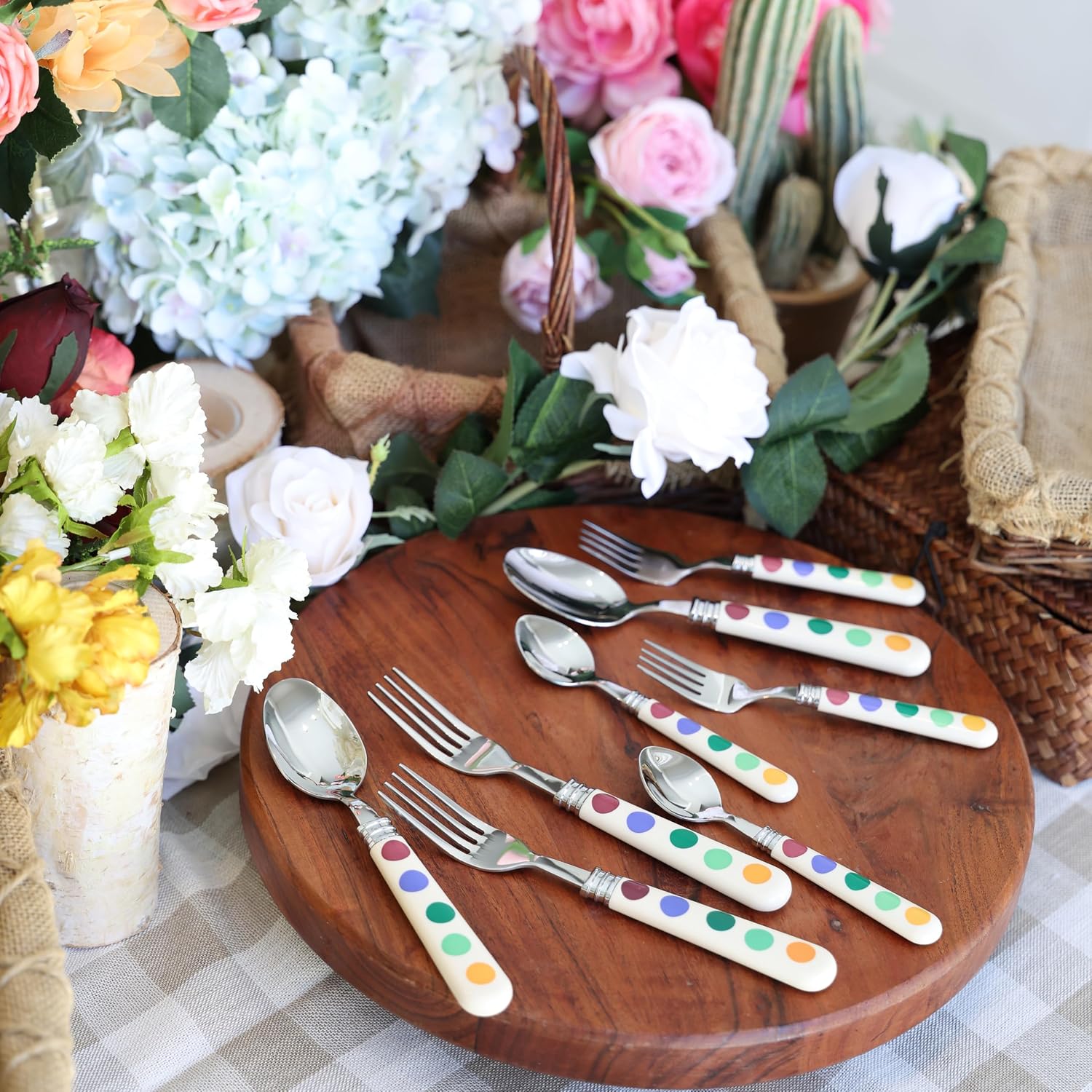
The main issue: plastic surface is smooth, low surface tension. Ink can easily peel or scratch off, especially after dishwashing.
Common plastic types for knife handles: PP, ABS, TPE, PA nylon. Different plastics need different treatments.
1. Surface pre-treatment (the most critical step)
For PP / PE (hardest to print, non-polar plastic)
- Flame treatment: quickly flame the printing area to raise surface energy.
- Plasma treatment: better and more stable than flame, good for mass production.
- Corona treatment: another option for thin plastic parts.
Without this, ink will never stick well on PP.
For ABS / Nylon / TPE
- Degrease first: wipe with isopropyl alcohol to remove release agent, oil, dust from injection molding.
- Light blast (fine sand blast): create tiny micro roughness to lock ink. Do not over-sand.
Check surface energy: Use dyne test pen. Target ≥ 40 dyne for good printing.
2. Choose the right ink
Do NOT use general plastic ink. Use two-component (2K) food-safe plastic ink for cutlery:
- 2K ink (ink + hardener): chemical cross-linking after curing, high scratch & detergent resistance.
- Match ink to plastic material: PP dedicated ink, ABS dedicated ink.
- For dishwasher requirement: select ink resistant to alkaline detergent and hot water (60–70°C).
One-component air dry ink is cheap but weak, easy to rub off after washing.
3. Printing process control (pad printing / silk screen)
- Mix ink and hardener strictly following ratio. Do not reduce hardener.
- Control ink layer thickness: thin but full coverage. Too thick → crack; too thin → easy wear.
- Flash off: let solvent evaporate properly before final curing.
4. Curing (very often ignored)
- 2K ink: full curing time is required. Some need 24–48 hours room temperature curing.
- Oven baking (low temperature 60–80°C) can speed up curing and improve adhesion. ⚠️ Do not use too high temperature, plastic handle will deform.
5. Add clear protective top coat
After logo ink fully cures, print a food-grade clear hard overcoat.
- Protect printed layer from friction, scratch and dishwasher chemicals.
- Big improvement for abrasion resistance.
6. Product & design tips
- Avoid very thin lines and small text; they wear faster.
- If possible, make a slight recessed area on plastic handle for logo. The ink sits inside, less friction.
- Avoid printing on the high friction grip area of the handle.
7. Strength test after printing
- 3M tape test: stick tape tightly then peel; no ink flaking.
- Eraser / steel wool rub test.
- Dishwasher aging test: repeated hot wash cycles.
Alternative permanent marking (no ink peeling)
If ink still cannot meet durability requirement:
- Laser marking on plastic: no ink. The laser burns/foams the plastic surface to form mark. Permanent. Limitation: only single color, cannot do multi-color logo.
Do you know how to set a dinner table