
how to remove black from silver cutlery
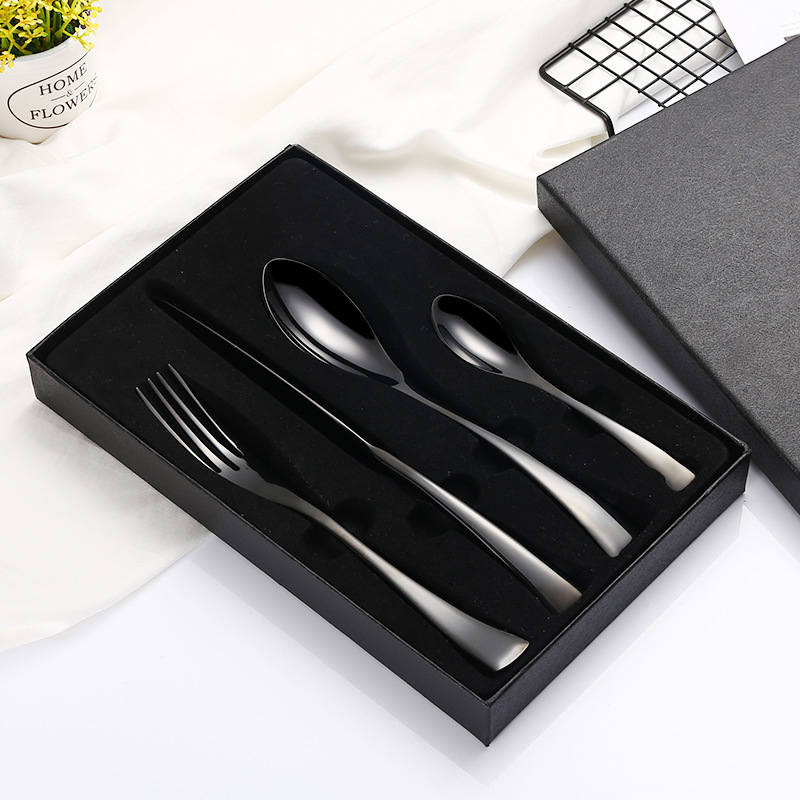
how to remove black from silver cutlery
Silver cutlery is admired around the world for its elegant appearance, luxurious shine, and timeless dining appeal. However, over time, silver utensils can develop dark discoloration or black tarnish caused by oxidation and chemical reactions with sulfur compounds in the air. Many homeowners and collectors search for reliable ways to restore the original beauty of silver flatware without damaging delicate surfaces. Understanding how to remove black from silver cutlery properly is essential for maintaining long-lasting beauty and preserving valuable dining collections.
Silver tarnish forms naturally when silver reacts with environmental elements. Moisture, humidity, food acids, and improper storage conditions accelerate the oxidation process. Dark spots and black discoloration may appear unevenly across forks, spoons, knives, and serving utensils. Although tarnish does not usually damage the structural integrity of silver products, it significantly affects appearance and dining presentation.
As consumers become more environmentally conscious, many people compare reusable silverware with sustainable alternatives such as einweg besteck bambus products. Bamboo disposable utensils have gained popularity because they are biodegradable and eco-friendly. However, traditional silver and stainless steel cutlery remain preferred for luxury dining because of their durability, elegance, and reusable nature. Proper cleaning and maintenance help preserve these premium products for many years.
Portable dining solutions have also become increasingly popular. Search trends related to klapp reise besteck demonstrate growing demand for compact travel utensils suitable for camping, outdoor dining, and takeaway meals. Consumers now expect dining tools to combine convenience with durability and attractive design. Manufacturers capable of producing both traditional and portable dining products benefit from expanding global market opportunities.
Decorative patterns continue to influence silverware purchasing decisions as well. Many buyers are attracted to vintage-inspired styles including besteck mit spatenmuster because classic patterns create sophisticated table presentations. Spade-pattern handles and ornamental detailing remain especially popular among collectors and upscale dining enthusiasts. Modern factories often combine traditional aesthetics with updated stainless steel materials to improve product lifespan and reduce maintenance requirements.
The safest method for removing black tarnish from silver cutlery begins with gentle cleaning. Warm water mixed with mild dish soap helps remove grease, food residue, and surface dirt before polishing. Soft microfiber cloths should be used because abrasive materials can scratch delicate surfaces. After cleaning, silverware should be dried immediately to prevent water spots and additional oxidation.
For deeper tarnish removal, baking soda and aluminum foil methods are commonly recommended. A container lined with aluminum foil is filled with hot water, baking soda, and a small amount of salt. When silver cutlery touches the foil, a chemical reaction helps transfer sulfur compounds away from the silver surface. This method effectively restores shine without aggressive scrubbing.
Specialized silver polishing creams are another popular option for restoring heavily tarnished utensils. High-quality silver polish removes oxidation while helping protect the surface from future discoloration. However, over-polishing should be avoided because excessive abrasion may gradually wear away silver plating on delicate items.
Proper storage is extremely important for preventing future tarnish. Silver cutlery should be stored in dry environments away from excessive humidity. Anti-tarnish cloths, protective storage cases, and controlled humidity conditions help reduce oxidation. Many premium dining collections are packaged with specialized storage materials designed to protect surface finishes over long periods.
High-quality manufacturing also plays a major role in product durability and maintenance. This is where Homefelt demonstrates strong expertise in stainless steel and dining product manufacturing. With more than 30 years of production experience, Homefelt specializes in stainless steel kitchenware, barbecue tools, pet bowls, children’s tableware, and customized dining accessories. The company’s advanced production capabilities and strict quality control systems help ensure long-lasting product performance for global customers.
Modern cutlery production involves advanced polishing technologies designed to improve corrosion resistance and surface smoothness. Mirror polishing, satin brushing, and protective surface treatments help maintain product appearance even after repeated washing. Experienced manufacturers understand how material quality and finishing techniques directly influence long-term durability.
Dishwasher use is another important consideration when maintaining silver or silver-plated cutlery. Strong detergents, acidic food residue, and prolonged moisture exposure may accelerate discoloration. Manufacturers often recommend hand washing premium silverware to preserve shine and reduce surface wear. Proper drying immediately after cleaning further helps prevent oxidation.
Commercial hospitality businesses such as hotels and restaurants require especially durable dining products because utensils are cleaned frequently under heavy usage conditions. Commercial buyers prioritize corrosion resistance, polishing quality, and structural stability when selecting suppliers for large-volume orders.
The rise of social media dining culture has also increased interest in elegant tableware. Luxury table settings featuring polished silver utensils, decorative serving pieces, and coordinated dining accessories are frequently shared online. As a result, consumers are increasingly willing to invest in premium dining products that enhance both functionality and visual presentation.
Customization continues to influence modern dining product development. Restaurants, hotels, and promotional brands often request engraved logos, personalized packaging, or custom handle designs. Manufacturers capable of OEM and ODM production provide valuable flexibility for businesses seeking unique product identities.
Sustainability trends are shaping the industry as well. Reusable stainless steel and silverware products remain attractive alternatives to disposable plastic utensils. Durable products reduce waste while offering long-term value and superior dining experiences. Factories investing in environmentally responsible manufacturing practices are becoming increasingly competitive in international markets.
The hospitality sector remains one of the largest drivers of premium cutlery demand. Fine dining establishments, luxury hotels, and catering companies rely on elegant utensils to support sophisticated guest experiences. Strong polishing quality and durable surface finishing help maintain attractive presentation even under continuous use.
Product packaging also contributes significantly to customer satisfaction. Luxury gift boxes, anti-tarnish storage systems, and eco-friendly packaging materials help improve product protection and enhance retail appeal. Attractive packaging is especially important for wedding gifts and collectible dining sets.
As global demand for premium dining products continues growing, reliable manufacturing remains essential. Buyers increasingly prefer suppliers capable of combining elegant design, durable materials, and strict quality control. Professional factories with decades of production expertise are better positioned to support long-term business partnerships.
Through continuous innovation and reliable manufacturing standards, Homefelt continues supporting global customers with professional stainless steel product solutions. From household flatware to commercial dining accessories, the company combines advanced production technology with extensive industry experience to meet diverse market requirements efficiently.


how to clean rust spots off stainless steel cutlery
what year did chicago cutlery come into existance
Related Article



