
Is Bamboo Cutlery Reusable
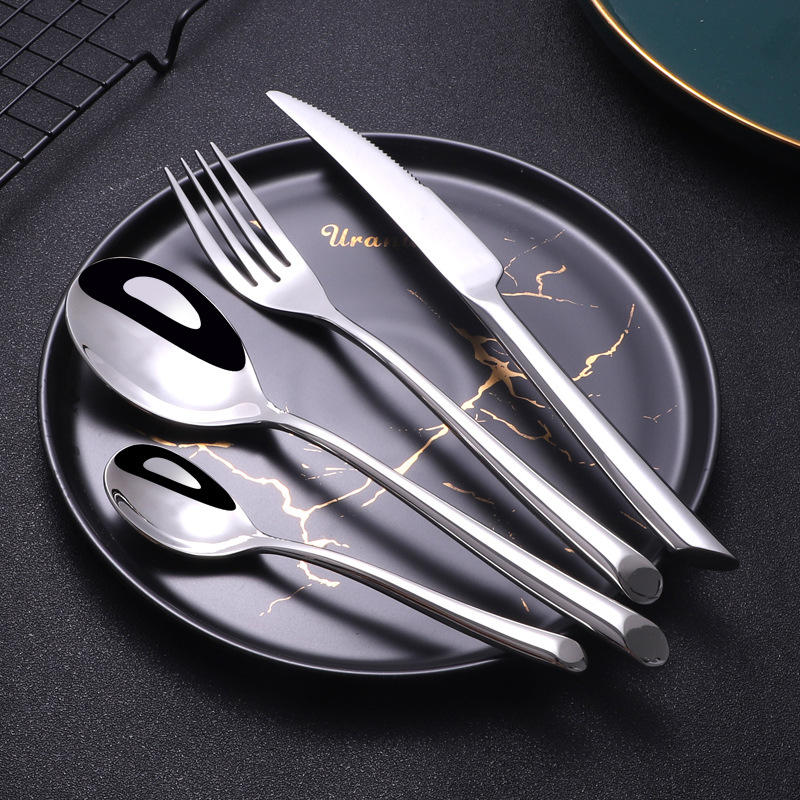
Is Bamboo Cutlery Reusable
In recent years, bamboo cutlery has emerged as a sustainable alternative to plastic and even stainless steel utensils.
The question of whether bamboo cutlery is reusable often arises among eco-conscious consumers and businesses alike.
The answer is yes—but with caveats. While bamboo cutlery is indeed reusable, its longevity depends on usage patterns, care routines, and product quality.
Manufacturers like Homefelt have recognized this demand and developed bamboo-inspired and hybrid stainless steel products to meet both sustainability and performance needs.
The Rise of Eco-Friendly Dining Solutions
Environmental concerns have led to widespread adoption of biodegradable and reusable tableware.
Bamboo cutlery stands out due to its renewable sourcing, lightweight nature, and aesthetic appeal.
However, unlike stainless steel, bamboo is more susceptible to wear and moisture damage. Proper handling is key to extending its usable life.
How Long Does Bamboo Cutlery Last
High-quality bamboo utensils can be reused multiple times if properly maintained. This means washing them promptly, drying them completely, and storing them in a well-ventilated space.
Avoid soaking or putting them in dishwashers, as this weakens the material. On average, a well-maintained bamboo fork or knife can last several months or even longer.
While not as long-lasting as stainless steel, bamboo still offers a strong value proposition for certain settings such as picnics, cafes, or eco-themed events.
It combines environmental responsibility with functional utility.
Comparing Bamboo with Real Gold and Artisan Designs
In contrast to high-end alternatives like real gold cutlery or designer tools such as the artisan cutlery tomahawk d2, bamboo is more about lifestyle and purpose than luxury.
That said, both segments play an important role in modern dining—gold flatware for premium events and bamboo for casual, green living.Cutlery trends have become increasingly diverse,
and manufacturers like Homefelt are meeting this demand by expanding their product lines to include both stainless steel and eco-conscious materials.
Using Bamboo Cutlery with Smart Storage Solutions
Storage impacts reusability. A cutlery tray 700mm is ideal for organizing utensils, including bamboo ones.
Trays with breathable sections help keep the wood dry and free from mold. This organization also reduces wear caused by stacking or jostling.
Why Homefelt Supports Eco-Conscious Innovation
While stainless steel remains the primary product line for Homefelt, the company also pioneers hybrid designs that blend bamboo aesthetics with stainless steel durability.
This innovation allows users to enjoy the best of both worlds—style and sustainability.
Guidelines for Commercial Use of Bamboo Cutlery
For restaurants or catering services considering bamboo, bulk purchasing and proper rotation are essential.
Staff must be trained to clean and handle bamboo items differently than traditional flatware.
Disposable versions should be responsibly sourced and composted after use, while reusable ones need storage solutions and inspection protocols.
Homefelt’s Role in the Sustainable Dining Movement
With decades of experience in stainless steel and related materials, Homefelt is uniquely positioned to lead in sustainable cutlery manufacturing.
Their approach emphasizes longevity, hygiene, and modern aesthetics, offering tailored solutions for eco-conscious markets around the globe.
Is Cutlery a Hazardous Substance
Is Bamboo Cutlery Recyclable
Related Article



