is plant starch cutlery compostable
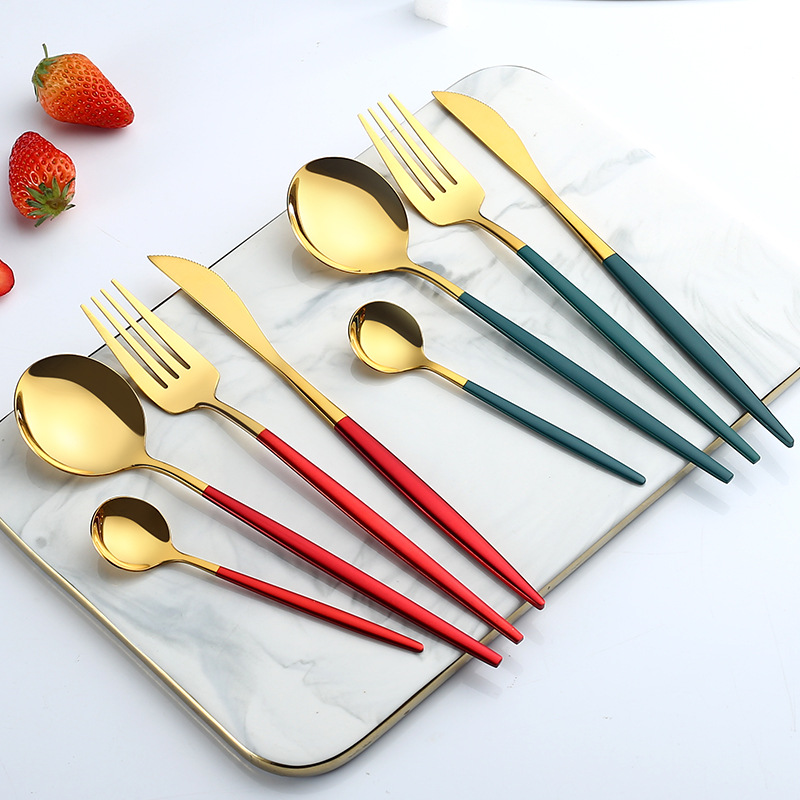
is plant starch cutlery compostable
As environmental awareness continues to shape consumer behavior, more people are asking questions like is plant starch cutlery compostable.
The rise of sustainable alternatives to plastic has led to the development of eco-friendly materials such as PLA (polylactic acid), CPLA, and other plant starch-based composites.
Plant starch cutlery is often marketed as biodegradable and compostable, but the answer isn’t always straightforward.
Compostability depends on the materials used, manufacturing process, and composting environment.
While some plant starch utensils can break down in industrial composters, they may not decompose effectively in home compost systems.
At Homefelt, sustainability is a key consideration in both our stainless steel and eco-friendly product lines.
With over 30 years in kitchen and dining product manufacturing,
we are exploring plant-based innovations while continuing to produce long-lasting, reusable alternatives that reduce overall waste.
Understanding Compostable Materials
To be truly compostable, plant starch cutlery must break down into water, carbon dioxide, and biomass within a specific time frame—usually 90 days in industrial composting facilities.
Many consumers confuse biodegradable with compostable, but not all biodegradable products meet composting standards.
Cutlery made from materials like PLA or PBS may need controlled temperatures and specific microbial conditions.
Therefore, even if a product claims to be compostable, it might not degrade in a backyard compost pile.
Global Demand for Sustainable Utensils
In markets like Australia, brands such as leon cutlery australia are introducing plant-based dining solutions.
Similarly, some heritage-inspired designs like the cutlery set sheffield are now being reimagined using sustainable materials while preserving aesthetic value.
Homefelt recognizes this growing demand and is expanding its portfolio to include both biodegradable and reusable options.
While we maintain leadership in stainless steel solutions, our R&D team is actively testing compostable materials for future development.
Reusable Cutlery as an Eco-Conscious Alternative
While compostable cutlery is suitable for single-use needs, reusable stainless steel remains the most sustainable long-term solution.
Homefelt cutlery is engineered to last for years, reducing the need for constant replacement and minimizing environmental impact.
Unlike materials that require specific disposal methods, stainless steel can be washed and reused countless times, making it ideal for both commercial and residential use.
This also eliminates the confusion over whether or not a utensil like cutlery waffen is recyclable or landfill-safe.
Homefelt’s Hybrid Approach to Sustainability
Our factory has begun producing hybrid lines—combining durable stainless steel handles with replaceable plant-based tips.
This reduces waste while maintaining the durability and hygiene benefits of metal.
For example, a hybrid cutlery set sheffield style can combine nostalgia with modern material responsibility.
Conclusion: Sustainable Dining Starts with Informed Choices
So is plant starch cutlery compostable? Yes, in certain conditions. However, it's essential to understand the material, the composting method, and the end-use application.
At Homefelt, we help customers make sustainable choices by offering both compostable options and reusable stainless steel solutions designed for modern environmental challenges.
Whether your business is inspired by European classics like the cutlery set sheffield, operates in progressive markets like leon cutlery australia,
or needs clarity on biodegradable standards like cutlery waffen, Homefelt delivers responsible solutions backed by experience, innovation, and factory excellence.
Is Plastic Cutlery Recyclable NZ
Is Old Silverplated Cutlery Safe
Related Article