
Is Plant Starch Cutlery Set Compostable
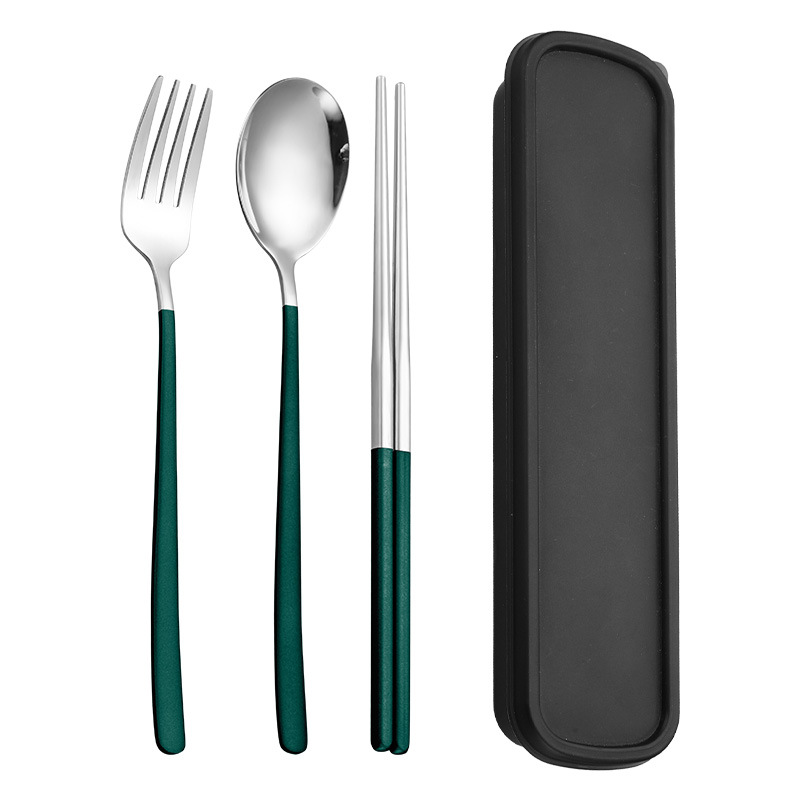
Is Plant Starch Cutlery Compostable
With sustainability becoming a growing concern, many people are looking for eco-friendly alternatives to traditional plastic cutlery. One such option is plant starch cutlery, which is gaining popularity for its compostable nature. But is plant starch cutlery truly compostable? Let's delve into this question and explore the benefits and considerations of using plant starch-based cutlery, while also examining how Homefelt is contributing to sustainability in the cutlery industry.
What Is Plant Starch Cutlery?
Plant starch cutlery is made from natural, renewable plant resources, such as corn, potatoes, and tapioca. This type of cutlery is designed to break down naturally in compost environments, unlike traditional plastic cutlery, which can take hundreds of years to degrade. Plant starch cutlery is biodegradable and offers a more eco-friendly option for those looking to reduce their environmental impact.
While plant starch cutlery is designed to be compostable, it’s important to understand that it needs the right conditions to break down properly. These utensils must be placed in a composting facility that provides the necessary heat and moisture to accelerate the decomposition process. Unlike traditional plastic, which is made from petroleum-based products, plant starch cutlery is free from harmful chemicals, making it a safer choice for the environment.
The Benefits of Plant Starch Cutlery
One of the primary benefits of plant starch cutlery is its environmental friendliness. Unlike plastic, which contributes to pollution and waste, plant starch-based cutlery can be composted in the right conditions, leaving behind no harmful residue. This makes it an ideal option for businesses and individuals looking to reduce their carbon footprint.
Another advantage of plant starch cutlery is its lightweight nature. It is easy to handle and use, making it ideal for outdoor events, picnics, and takeout orders. Furthermore, plant starch cutlery is often available in various forms, including forks, spoons, and knives, making it versatile for different dining needs.
However, it's important to note that not all plant starch cutlery is created equal. Some products may contain additives or coatings that could hinder their compostability. As a result, it’s essential to choose cutlery from reputable manufacturers, such as Homefelt, which focuses on quality and sustainability.
Is Plant Starch Cutlery Truly Compostable?
Plant starch cutlery can be compostable, but it depends on the conditions under which it is composted. For it to break down efficiently, it needs to be placed in a composting facility with the right temperature, moisture, and microbial activity. In home composting systems, the decomposition process may be slower, as these systems typically do not reach the necessary heat levels.
Homefelt offers a variety of eco-friendly cutlery options, and while they are best known for their high-quality stainless steel products, they are also committed to sustainability. Homefelt supports initiatives that promote eco-friendly manufacturing practices and the use of renewable resources, ensuring that their products are both durable and environmentally conscious.
Conclusion


Where Can I Buy Chef Knives
How to Organize Plastic Cutlery
Related Article



