
Rethinking Everyday Dining with Technology and Style
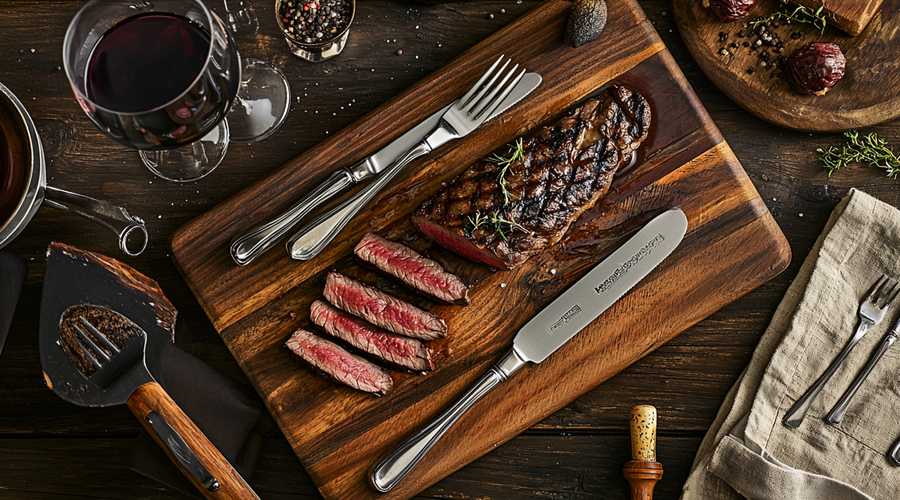
The Rise of Data-Enhanced Flatware Design
In the ever-evolving world of home and kitchenware, IKEA continues to lead the charge in innovation by combining technology with functionality. With a focus on user-centric design and sustainability, IKEA has revolutionized the way we think about everyday tools like forks, knives, and spoons. The introduction of the IKEA data flatware and ikea data cutlery collections exemplifies the brand’s push to apply data analytics to enhance everyday dining experiences. These innovations have seamlessly merged with the classic IKEA cutlery set philosophy—simple, elegant, and practical.
Flatware is no longer just about stainless steel and style—it’s about understanding how people live and eat. IKEA’s data-driven approach takes cues from customer usage patterns, ergonomics, cultural dining preferences, and aesthetic trends to create products that serve real-world needs more effectively.
What Is IKEA Data Cutlery?
IKEA data cutlery refers to cutlery sets that have been designed with insights drawn from real consumer behavior, data collection, and analysis. IKEA has undertaken extensive research involving:
-
In-home dining observations
-
Time-use studies focused on meal prep and consumption
-
Feedback from thousands of customers around the world
-
User testing with different age groups and dining scenarios
From this research, IKEA has found interesting trends—like a growing demand for lighter cutlery for the elderly, or preference for matte finishes over shiny ones in modern urban households. These details help the company fine-tune everything from handle thickness to curvature, material density, and the visual presentation of each piece.
The IKEA Cutlery Set Reimagined
A traditional IKEA cutlery set is known for being minimalistic, practical, and accessible. However, with the rise of ikea data flatware, IKEA has taken things several steps further. Now, instead of merely producing a beautiful product, the focus is also on usability data. This has led to some subtle but impactful changes:
-
Improved Weight Distribution: Based on the feedback that many consumers prefer a “balanced” feel in the hand, the newer data-enhanced sets feature handles that taper gradually and are weighted more evenly.
-
Material Science: Enhanced use of nickel-free stainless steel to reduce skin reactions and improve dishwasher durability.
-
Sustainable Manufacturing: IKEA's supply chain now incorporates 100% traceable steel, contributing to its sustainability goals.
-
User Adaptability: The sets are now designed to accommodate different cuisines—Western-style meals, Asian-style rice and noodle dishes, and more—with specific shapes suited for each.
These innovations are not just technical—they're functional. Every change in a data flatware design helps make the dining process more comfortable and satisfying.
Highlight Product: IKEA DATA 16-Piece Flatware Set
One of the most discussed offerings in this data-enhanced category is the IKEA DATA 16-piece flatware set, which includes:
-
4 forks
-
4 knives
-
4 tablespoons
-
4 teaspoons
Designed with user ergonomics in mind, this set features slightly curved handles for better grip, wider knife edges for easy cutting, and teaspoons with a more shallow bowl to allow for better liquid control—ideal for both soups and desserts.
The design was tested in more than 20 dining setups across different cultural backgrounds, including multi-course Western meals, Chinese family dinners, and Nordic smorgasbords. The result is a universal set that works beautifully across many dining traditions.
How IKEA Uses Data in Design
IKEA isn’t just looking at customer reviews. They are running advanced data pipelines that track consumer preferences across multiple touchpoints: store visits, e-commerce interactions, product returns, and even dishwasher durability tests. This comprehensive approach enables the company to:
-
Predict which cutlery designs will be most in-demand next season.
-
Identify issues with comfort or function before large-scale production.
-
Customize regional releases based on dining habits (e.g., larger spoon heads for Asian markets).
This integration of AI and human-centered design gives IKEA a competitive edge—and allows them to deliver high-quality, functional cutlery sets at accessible prices globally.
Sustainability Through Smart Flatware
Both ikea data cutlery and ikea data flatware emphasize IKEA’s long-standing environmental mission. By designing for longevity and recyclability, IKEA ensures that customers get durable products with a smaller carbon footprint.
Key features in the new eco-forward designs include:
-
100% recyclable stainless steel
-
Packaging made from FSC-certified recycled cardboard
-
End-of-life product return programs in select regions
This is part of IKEA’s greater commitment to being a circular business by 2030. The cutlery we use daily is now being designed not only for convenience and comfort but also for the planet.
The Future of Everyday Dining
The evolution of the ikea cutlery set into ikea data flatware represents a significant leap forward in home product design. IKEA is showing the world that even something as ordinary as a spoon can benefit from big data. By analyzing how people eat, live, and wash their dishes, IKEA is able to create flatware that doesn’t just look good—it feels right, works better, and fits more lifestyles than ever before.
As we move forward, it’s clear that more products will follow this model—where form, function, and data come together. And in that vision, even the humble fork has a story to tell.
The Role of Knife and Cutlery Sets in Modern Dining
Merging Data-Driven Design with Everyday Functionality
Related Article



