
Seasonal Stainless Steel Cutlery Collections for B2B Brands
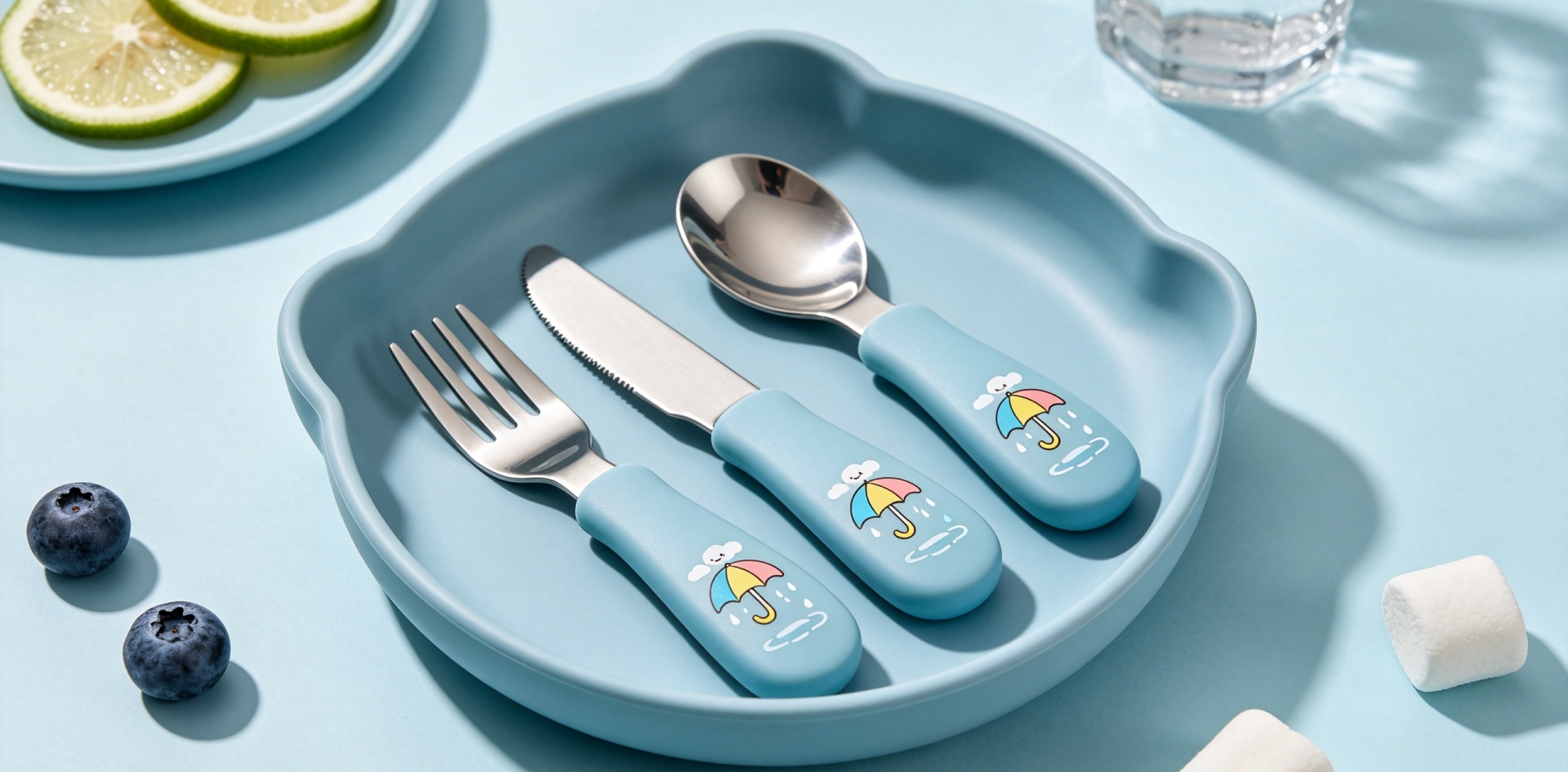
Seasonal Stainless Steel Cutlery Collections for B2B Brands
Product ranges often change with the seasons. Retailers introduce new collections, brands refresh their product lines, and distributors adjust their offerings according to different selling periods. Stainless steel cutlery can also be developed as part of this seasonal product strategy.
Rather than treating knives, forks and spoons as products that remain visually unchanged throughout the year, B2B brands can create seasonal flatware collections with different design directions, finishes, combinations or presentation concepts.
For companies working with OEM, ODM or private label manufacturers, seasonal stainless steel cutlery provides an opportunity to introduce fresh products while remaining within an established tableware category.
Why Seasonal Cutlery Collections Matter for B2B Brands
A seasonal product does not necessarily mean that the product can only be used during one particular period. In many cases, the seasonal element comes from the design concept, product combination or collection presentation.
This gives brands more flexibility.
A company may introduce a new stainless steel flatware collection for a particular sales season while keeping the core functionality of the product unchanged.
For retailers and distributors, this can create additional opportunities to refresh their product assortment without moving into an entirely different product category.
For private label brands, seasonal collections can also provide a way to test new design directions before deciding whether to develop them into longer-term products.
Planning a Seasonal Flatware Concept
The first step is to define what makes the collection seasonal.
The concept may come from a color direction, a particular design style, a special retail period or a planned product campaign.
For stainless steel cutlery, the seasonal identity can be expressed through the overall collection rather than relying on complicated product changes.
For example, a brand may develop a more decorative collection for a particular sales period, while another may choose a cleaner and more contemporary style.
The important point is to establish a clear concept before moving into detailed product development.
Connecting Seasonal Design With Brand Identity
A seasonal collection should still feel connected to the brand behind it.
If every new season introduces a completely unrelated design language, customers may find it difficult to recognize the relationship between collections.
A more structured approach is to maintain certain recognizable characteristics while introducing selected seasonal elements.
This can create continuity across different product launches.
For B2B brands, this is particularly useful when the seasonal collection is part of a broader private label flatware program.
The collection can feel new without appearing disconnected from the company's existing products.
Choosing Knives, Forks and Spoons for a Seasonal Range
Not every seasonal project needs a large number of SKUs.
A focused collection can sometimes be easier to present and manage.
The buyer can determine whether the seasonal range should include individual knives, forks and spoons or a complete flatware set.
The choice depends on the intended sales channel and target customer.
A retailer may prefer a complete set that can be displayed as one product. A distributor may require individual pieces for customers who purchase different quantities.
For OEM and ODM projects, these requirements should be discussed before the final product configuration is confirmed.
Developing a Seasonal Collection From Existing Designs
Seasonal development does not always require creating a completely new product from the beginning.
In some cases, a brand may already have an established stainless steel cutlery design and want to develop a new version based on the same general direction.
This can help maintain a connection with the existing collection while giving the seasonal product its own identity.
A manufacturer can discuss which elements can be adapted and which characteristics should remain consistent.
This approach may be suitable for brands that want to introduce new products while keeping a recognizable product family.
Creating a New Seasonal Design
Other B2B buyers may prefer to create a completely new collection.
In this case, the project can begin with references, drawings, product photographs or a general creative direction.
The manufacturer can then work through the product development process to turn the concept into practical stainless steel knives, forks, spoons or flatware sets.
Physical samples are particularly valuable for new designs because they allow buyers to evaluate the actual product before approving the final version.
A sample can reveal differences between a visual concept and the finished three-dimensional product, making it easier to refine the design before larger production.
Seasonal Collections and Product Timing
Timing can be an important consideration for seasonal product programs.
A seasonal collection needs to be ready for the intended sales period, which means design discussions, sampling and production planning should be considered together.
For B2B buyers, this does not mean rushing the development process. Instead, it means establishing the target launch period early enough for the manufacturer to understand the project schedule.
Clear communication about the expected timing can help both sides organize the development and production stages more effectively.
Wholesale Opportunities for Seasonal Flatware
Seasonal stainless steel cutlery can also be useful for wholesalers and distributors.
A distributor may introduce a limited collection to its customers as a new product option without replacing its entire existing flatware range.
This can create variety within the product catalog and provide customers with additional choices.
For wholesale buyers, the key is to select seasonal designs that remain commercially practical and can be supplied at the required volume.
The product should therefore be evaluated not only for its appearance but also for its manufacturing requirements and expected sales quantity.
Private Label Seasonal Cutlery
Private label brands have particular flexibility when developing seasonal products because the collection can be designed around their own brand identity.
The brand may choose a consistent design language and then introduce different seasonal variations over time.
This creates the possibility of building a recognizable family of products rather than producing unrelated seasonal items.
For customers, the brand remains familiar while the individual collections provide something new.
For manufacturers, this type of program benefits from clear product specifications and reliable reference samples.
Managing Seasonal Product Versions
When a brand develops several seasonal collections, keeping the product versions clearly defined becomes important.
Different collections may use different designs, finishes, combinations or product configurations.
Each version should have an identifiable product specification so that the correct design can be reproduced when the order is placed.
This is especially useful when a seasonal product becomes successful and the buyer wants to reorder it later.
A clear reference helps prevent confusion between the current collection and previous versions.
Working With an Experienced Cutlery Manufacturer
Seasonal product development combines creative planning with manufacturing.
A brand may have a strong concept for the collection, but the manufacturer needs to translate that idea into stainless steel products that can be produced consistently.
This is especially important for B2B orders because the final quantity may be much larger than the initial sample quantity.
A factory experienced in OEM and ODM cutlery production can help buyers move from the initial concept to a practical production specification.
Homefelt Factory for Seasonal Stainless Steel Cutlery
Homefelt Factory specializes in stainless steel knives, forks, spoons and complete flatware sets for B2B customers.
The factory supports OEM, ODM, private label, wholesale and large-volume production programs.
For a seasonal project, buyers can provide an initial design concept, reference products, drawings or photographs. The factory can then discuss the required product configuration and production requirements.
The development process can cover individual pieces as well as complete coordinated collections.
For brands that regularly introduce new products, working with an experienced manufacturer can also make it easier to build a repeatable product development process.
Building a Long-Term Seasonal Program
A seasonal collection does not necessarily have to be a one-time project.
Brands can create a long-term product calendar with different stainless steel cutlery concepts introduced throughout the year.
This approach allows the company to maintain a fresh product assortment while keeping the core category consistent.
Over time, successful seasonal designs can also become permanent products if customer demand supports continued sales.
For B2B buyers, this creates a flexible way to experiment with new product concepts without immediately restructuring the entire product range.
How to Prepare for a Seasonal Cutlery Project
Before contacting a manufacturer, buyers can prepare several basic details.
Start with the intended sales period and the overall collection concept. Then determine which cutlery pieces are required and whether the products will be sold individually or as sets.
An estimated order quantity is also useful, even if the final volume has not yet been confirmed.
If the brand already has an existing collection, providing reference products or photographs can help the manufacturer understand which design elements should remain consistent.
Finally, explain the intended sales channel and target market.
This information gives the manufacturer a clearer picture of the project and creates a practical starting point for customization and quotation.
Turning Seasonal Ideas Into Stainless Steel Products
Seasonal product development gives B2B brands another way to keep their flatware assortment fresh.
The concept does not need to involve unnecessary complexity. A well-defined design direction, coordinated product selection and clear brand identity can be enough to create a distinctive seasonal collection.
With OEM and ODM manufacturing support, brands can develop stainless steel knives, forks, spoons and complete flatware sets around their own commercial requirements.
The most important step is to connect the seasonal concept with a realistic production plan. When design, quantity and timing are considered together, the project becomes easier to manage from initial concept through mass production.
For brands that want to expand their stainless steel cutlery range, seasonal collections can become part of a broader private label and wholesale product strategy.
Stainless Steel Cutlery Product Tiers for B2B Brands
Co-Branded Stainless Steel Cutlery for B2B Collections
Related Article



