Should Kids Cutlery Be One-Piece or Use a Soft Handle
There is no single “best” structure for every kids cutlery collection.
One-piece stainless steel and soft-handle cutlery solve different problems.
For buyers developing a new product line, the better question is:
Who will use the product, and what matters most to that customer?
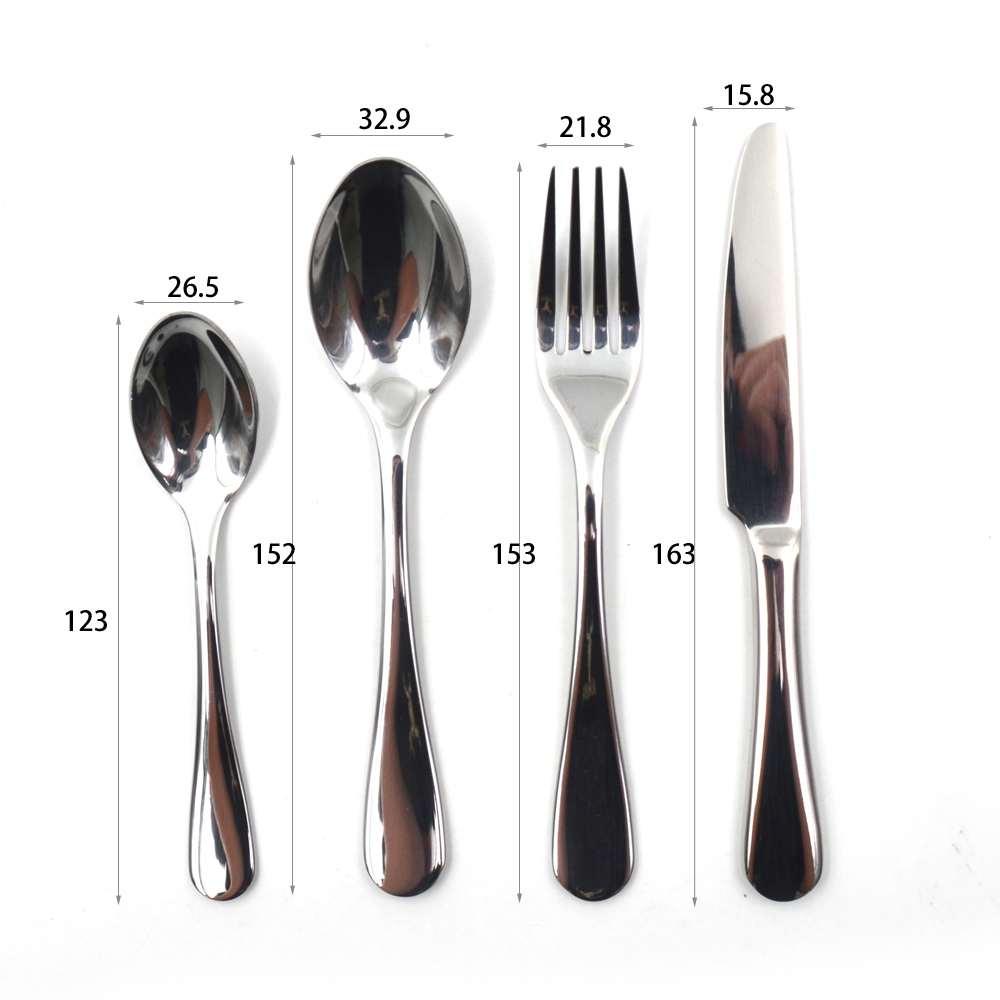
One-piece stainless steel cutlery has a clear advantage in simplicity. There is no connection between different materials, so cleaning is straightforward. The product is durable, dishwasher-friendly when appropriately designed, and suitable for brands that want a clean, long-lasting product.
Soft silicone handles solve another problem.
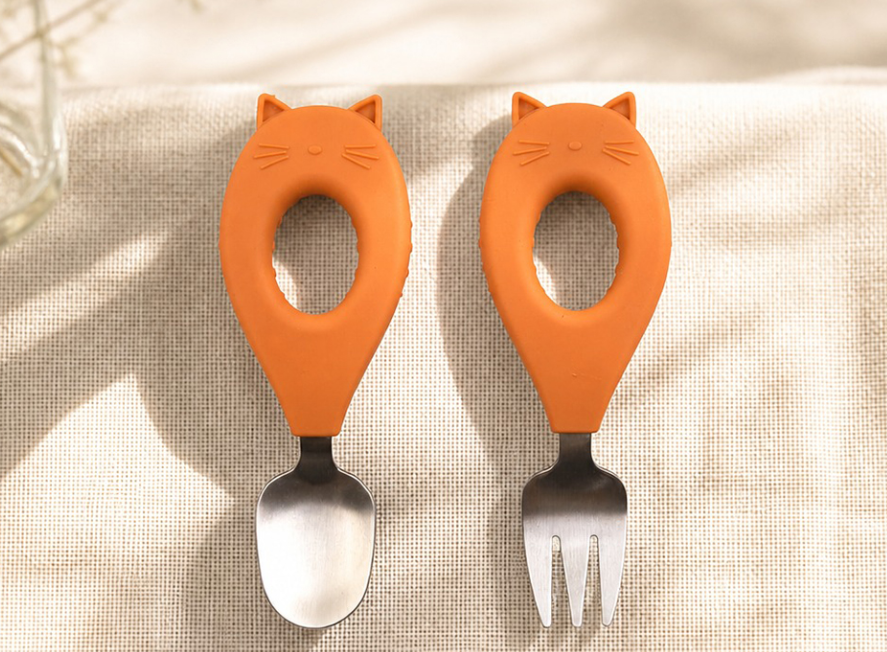
For younger children learning to feed themselves, a thicker handle can be easier to grip. Silicone also gives brands more freedom with colors, shapes and character-based designs.
But structure becomes important.
If silicone is permanently assembled around stainless steel, buyers need to consider how the connection area will perform after repeated washing. If the silicone handle is detachable, parents can remove it and clean both components separately.
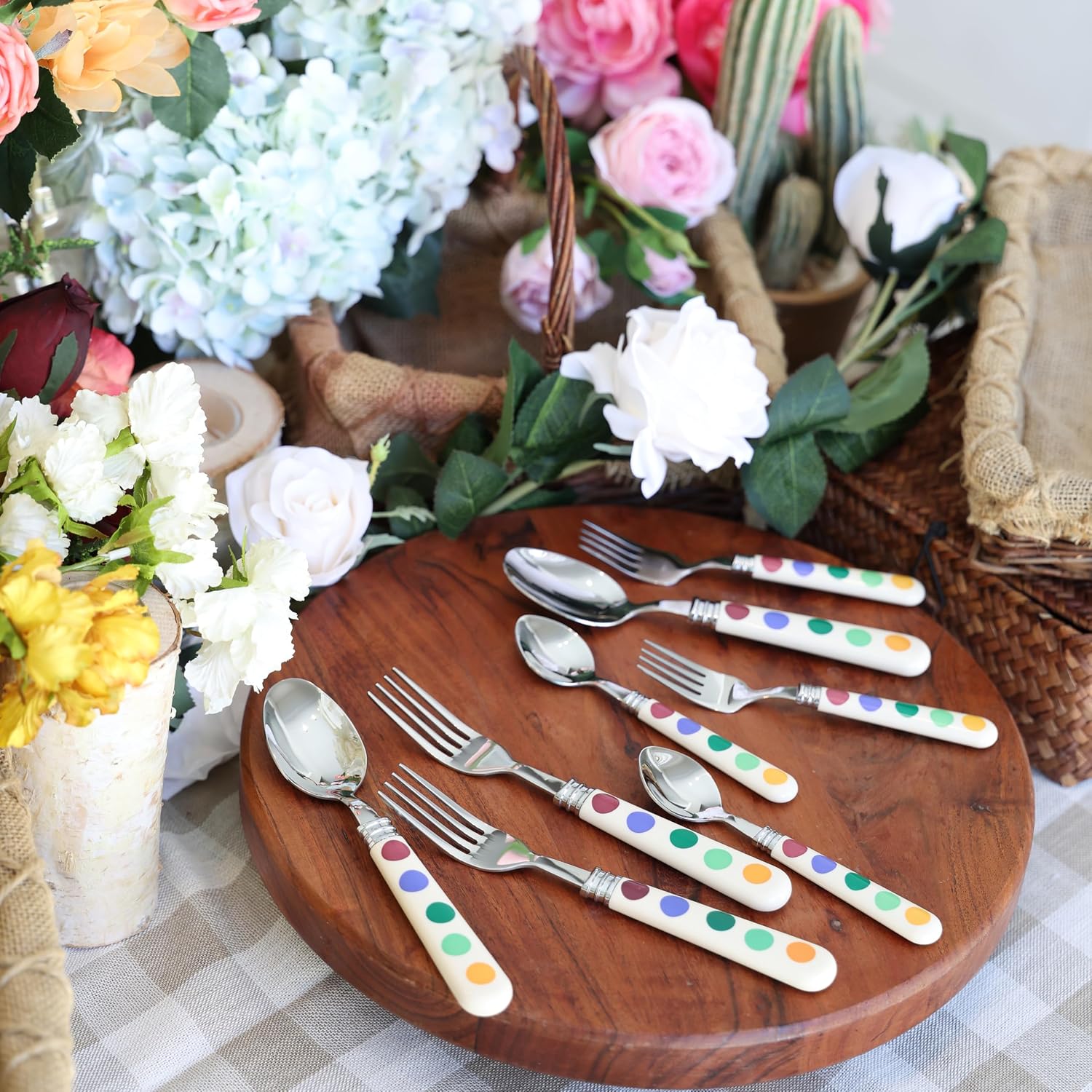
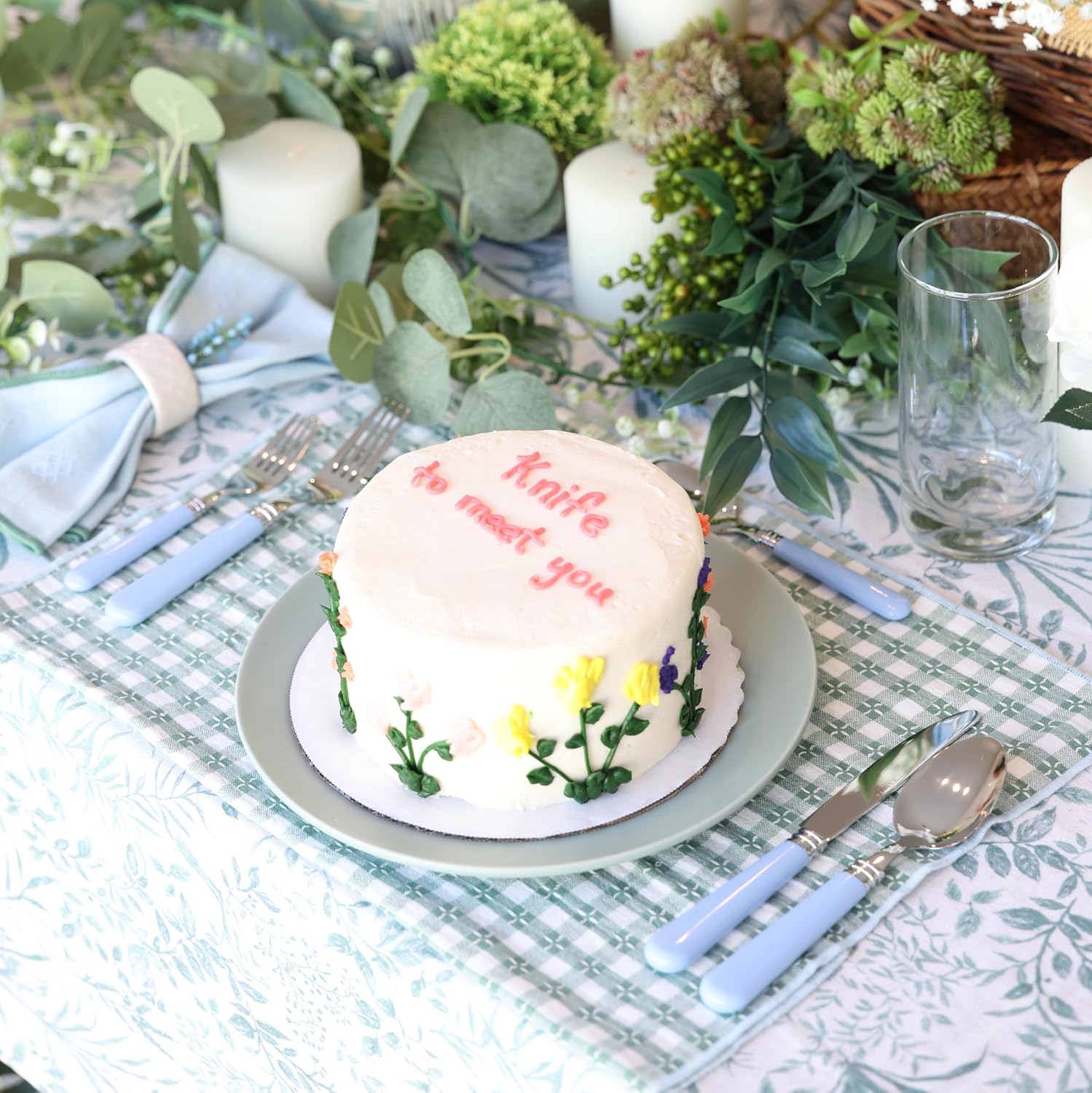
Plastic handles offer another option. They can support detailed colors and single- or double-sided printing, making them useful for branded children's collections. Unlike detachable silicone designs, however, many plastic-handle products use a fixed construction.
There is therefore no reason to force every kids range into one solution.
Industry Insight
Children's tableware is increasingly being developed around specific stages of use rather than one generic “kids” category. Training products, toddler products and older children's cutlery can have very different requirements.
Expert Tip
Build the product around the age group first. Grip size, utensil length, weight and cleaning method should be decided before colors and packaging.
Buyer Takeaway
One-piece stainless steel is strong on hygiene and durability. Silicone handles can improve grip and design flexibility. Plastic handles offer excellent printing possibilities.
The right structure depends on the customer you are designing for.
Why Product Specifications Matter More Than Product Photos in OEM Cutlery Sourcing
Why Paper Packaging Does Not Automatically Mean Better Packaging
Related Article