
Stainless Steel Cutlery Call-Off Orders for B2B Supply
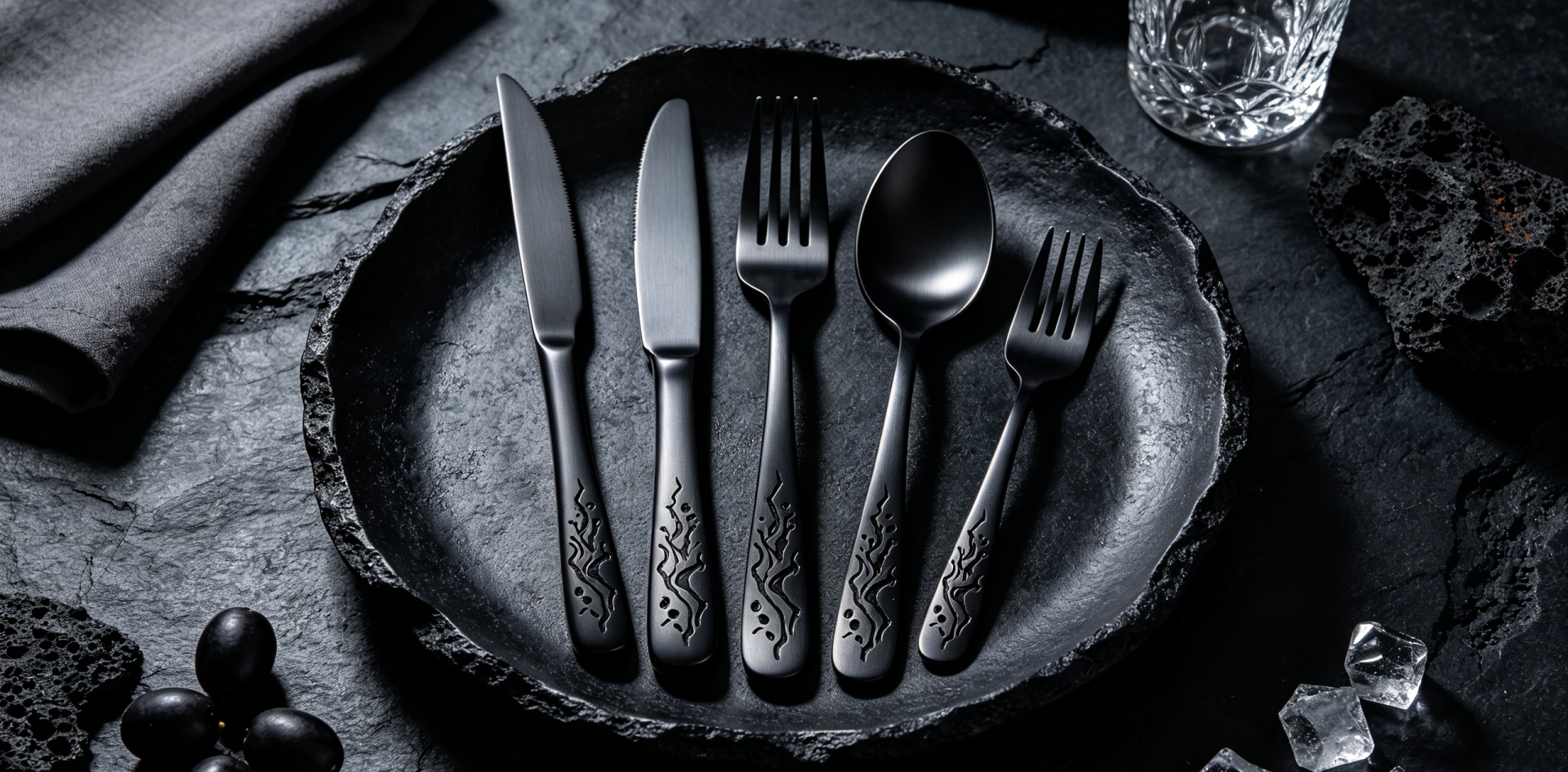
Stainless Steel Cutlery Call-Off Orders for B2B Supply
For businesses that purchase stainless steel cutlery regularly, ordering the entire annual requirement in one shipment is not always the most practical solution.
Retailers, distributors, hospitality suppliers and private label brands may know approximately how much cutlery they need over a longer period, while actual demand can change from month to month. In these situations, a call-off order can provide another way to organize supply.
Instead of treating every shipment as a completely separate project, the buyer and stainless steel cutlery manufacturer can establish a larger supply arrangement and release quantities according to an agreed schedule or actual demand.
What Is a Call-Off Order?
A call-off order is a purchasing arrangement in which a buyer commits to an overall quantity or supply program while requesting delivery in separate releases.
For example, a buyer may plan a large quantity of stainless steel spoons, forks and knives for the year but only need part of that quantity at one time.
The buyer can arrange the overall requirement with the manufacturer and then call off individual quantities when needed.
This approach can be useful for businesses that have recurring demand but do not want all finished goods delivered at once.
How Call-Off Supply Works
A typical call-off arrangement starts with the buyer and manufacturer agreeing on the main product specifications, quantities and commercial conditions.
The products may include standard stainless steel cutlery or custom knives, forks, spoons and complete flatware sets.
Once the overall program is confirmed, the buyer can communicate individual release requirements based on the agreed arrangement.
The manufacturer then plans production and prepares the corresponding quantity for each release.
The exact structure depends on the customer's purchasing system, production requirements and commercial agreement, so the important point is to define the arrangement clearly before the program begins.
Why It Can Help B2B Buyers
One advantage of a call-off model is that it can connect long-term purchasing plans with actual delivery requirements.
A distributor may know that a certain cutlery collection will be needed throughout the year, but customer orders may arrive at different times.
Similarly, a retail brand may have regular demand for a successful SKU but may not want to receive its entire planned volume in a single shipment.
Call-off supply can give the buyer more flexibility in managing when quantities are released.
It can also make communication with the manufacturer more structured because future demand is discussed as part of an established supply program rather than as a series of completely independent purchases.
Suitable Products for Call-Off Programs
Call-off arrangements can be particularly useful for products with relatively stable specifications.
For example, a buyer may repeatedly purchase the same stainless steel dinner fork, table knife, spoon or cutlery set.
The products can be manufactured according to an established specification and then supplied in planned releases.
This can also work for private label collections where the design, surface finish, packaging and branding requirements have already been confirmed.
Once the product specification is stable, future releases can focus mainly on quantity and delivery requirements.
Call-Off Orders for Custom Cutlery
Custom stainless steel cutlery can also be included in a call-off supply program.
This may be useful when a brand has invested in its own product design and expects the same collection to remain in the market for an extended period.
The buyer and factory can establish the product specifications during the development stage. After the products are approved, future releases can follow the established requirements.
This can help avoid repeatedly restarting product development for every new purchasing cycle.
For OEM and private label programs, this can be especially useful when a company expects continuing demand for the same collection.
Production Planning for Call-Off Supply
For the manufacturer, a call-off program requires clear production planning.
The factory needs to understand the overall expected volume, individual release quantities and approximate timing.
This information can help the production team plan materials, capacity and manufacturing sequences more effectively.
The more accurate the buyer's demand information is, the easier it can be for the manufacturer to prepare for future releases.
At the same time, a call-off program should leave room for reasonable adjustments when market demand changes. The exact flexibility should be agreed between the buyer and supplier rather than assumed.
Managing Multiple Cutlery SKUs
A call-off arrangement becomes more useful when it is clearly organized across multiple products.
A buyer may have several spoons, forks and knives within one collection, with different quantities required for each release.
A structured release list can identify the product reference, quantity and required delivery for each SKU.
This makes it easier for the manufacturer to understand which products are needed and reduces unnecessary back-and-forth communication.
For large B2B cutlery programs, organized SKU information can be particularly helpful when dozens of products are involved.
Call-Off Orders and Private Label Brands
Private label brands often need to balance product availability with inventory management.
A successful cutlery collection may generate continuing demand, but storing the entire expected annual volume may not always be suitable for the buyer.
A call-off supply model can provide a framework for maintaining access to the product while arranging deliveries according to the purchasing plan.
This can be useful for brands that have established products and relatively predictable demand.
For new products, however, buyers may first want to observe actual market performance before establishing a longer-term supply arrangement.
What Buyers Should Confirm
Before starting a call-off program, buyers should make sure the main conditions are clearly understood.
Important points can include:
The total planned quantity
Individual release quantities
Product specifications
Approved samples
Packaging requirements
Expected release schedule
Production arrangements
Delivery requirements
Commercial terms
How changes to future releases will be handled
Clear communication at this stage can help prevent misunderstandings later.
The buyer and manufacturer should know which requirements are fixed and which elements can be adjusted during the supply period.
The Role of a Stainless Steel Cutlery Manufacturer
A call-off program works best when the manufacturer understands both the product and the buyer's purchasing pattern.
An experienced stainless steel cutlery factory can review the product specifications, estimated volume and release requirements before confirming the supply arrangement.
Homefelt factory supports OEM, ODM and private label manufacturing for stainless steel knives, forks, spoons and complete flatware sets. The factory also supports wholesale and large-volume B2B production for customers that require continuing supply of established products.
For a long-term program, the manufacturer can work with the buyer to understand expected demand and organize production around the agreed supply requirements.
When a Call-Off Model Makes Sense
A call-off arrangement can be considered when three conditions are generally present.
First, the buyer has recurring demand for the same or closely related products.
Second, the product specifications are sufficiently stable for repeated production.
Third, the buyer and manufacturer can communicate future release requirements clearly.
When these conditions are met, call-off supply can provide a practical structure for managing ongoing stainless steel cutlery purchasing.
It is not necessary for every B2B buyer. A one-time project or highly unpredictable product may be better handled through conventional purchasing. The suitable approach depends on the customer's demand pattern and supply requirements.
Planning Your Next Stainless Steel Cutlery Program
If your company expects to purchase the same stainless steel cutlery products repeatedly, it may be useful to discuss the expected annual or long-term requirement with the manufacturer before placing individual orders.
Providing the product references, estimated quantities, preferred release schedule and customization requirements gives the factory a clearer picture of the project.
Homefelt can support buyers developing custom stainless steel cutlery programs for wholesale, OEM, ODM and private label applications.
Whether you need stainless steel spoons, forks, knives or complete flatware sets, a clear supply plan can make long-term purchasing easier to manage.
Custom Stainless Steel Cutlery Manufacturing
OEM & ODM Stainless Steel Flatware
Stainless Steel Cutlery Packing Lists for B2B Shipments
Stainless Steel Cutlery Product References for B2B Orders
Related Article



