
Stainless Steel Cutlery Carton Drop Protection for Bulk Export Orders
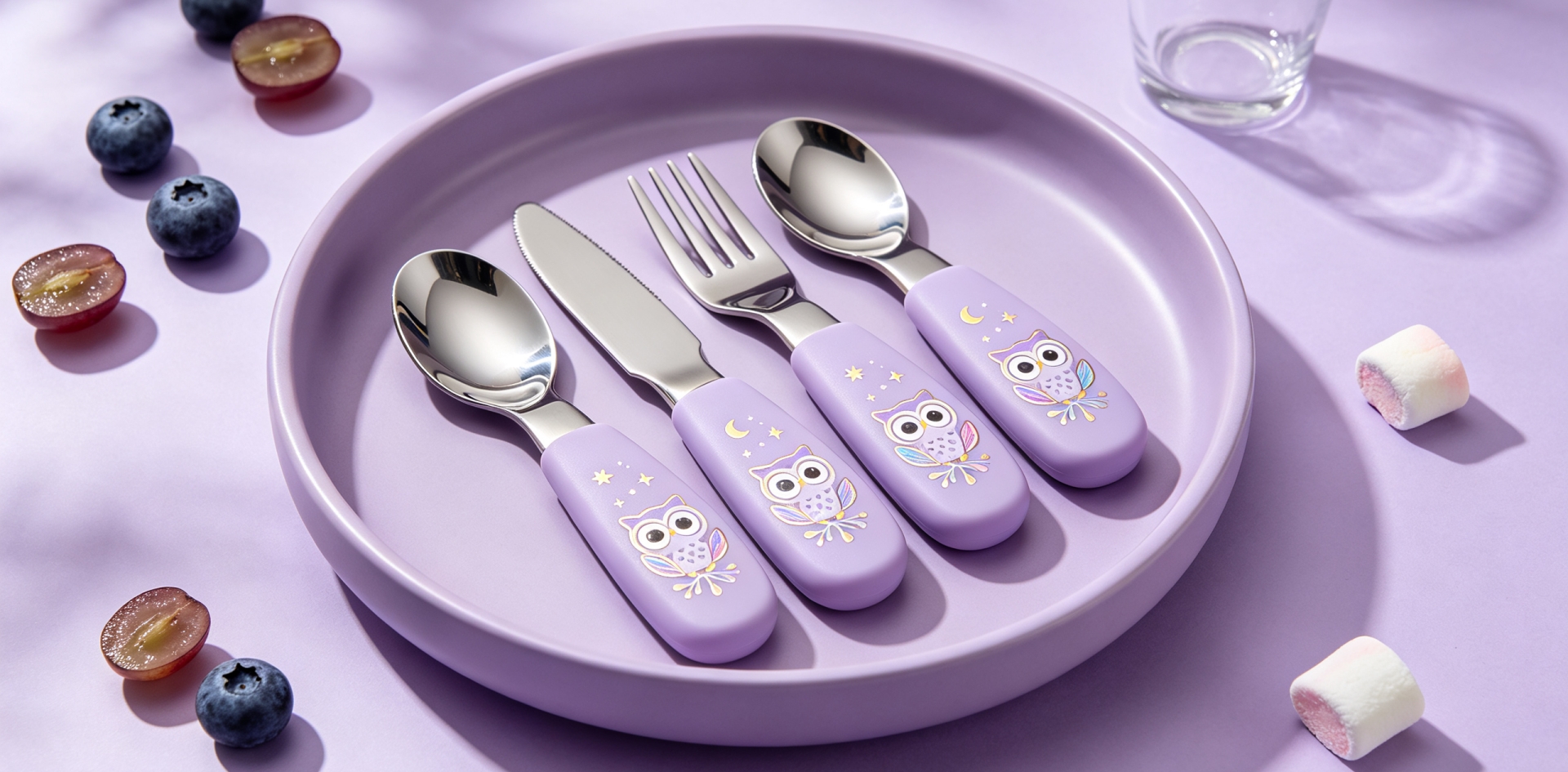
Stainless Steel Cutlery Carton Drop Protection for Bulk Export Orders
Stainless steel cutlery can be carefully manufactured and polished, yet still arrive with scratches, dents or damaged packaging if the products are not protected adequately during transport. For importers, wholesalers and retail brands, export packaging is therefore an important part of the purchasing specification, not simply the final step before shipment.
Knives, forks and spoons may be packed in individual sleeves, retail boxes, compartment trays or bulk cartons. Each format provides a different level of separation and protection. Choosing an appropriate carton structure and internal packing method helps reduce product movement and limits the risk of damage during routine handling.
Homefelt factory supports stainless steel cutlery customization, OEM and ODM production, private label packaging and wholesale orders. Discussing carton protection early helps buyers coordinate the product, packaging design and shipping requirements as one project.
Why Carton Protection Matters for Stainless Steel Cutlery
Preventing Surface Scratches
Polished stainless steel surfaces can develop visible marks when pieces rub against one another during handling. If a carton allows knives, forks and spoons to move freely, repeated contact may affect the appearance of the finished products.
Individual sleeves, dividers, trays or other suitable protective materials can help separate pieces. The right choice depends on the product finish, packaging format, shipment conditions and target cost.
Reducing Impact Damage
Cartons may experience impacts while being moved between vehicles, warehouses and distribution centers. If internal packing does not restrain the products adequately, cutlery can shift and strike other items or the carton walls.
Protective packaging should limit unnecessary movement while providing suitable cushioning for the complete pack. A carton that is too large for its contents may allow excessive movement, while an unsuitable internal layout may concentrate pressure on particular products.
Preserving Retail Presentation
For private label brands, packaging damage can affect the customer’s first impression even when the cutlery itself remains usable. Crushed corners, loose inserts or disorganized pieces may make a set appear less carefully presented.
Packaging design should therefore consider both transit protection and the condition in which the products will be displayed or delivered to the end customer.
Key Elements of a Protective Carton Design
Carton Strength and Construction
The carton should be suitable for the packed weight, dimensions, stacking conditions and intended shipping route. Board specification, carton style, closure method and overall dimensions all influence how the package performs during handling.
Buyers should provide the estimated carton weight and packing configuration when discussing packaging options. The manufacturer or packaging supplier can then assess a suitable construction for the specific shipment.
There is no single carton specification that is ideal for every cutlery order. A small retail set and a heavy master carton containing multiple sets have different protection requirements.
Internal Dividers and Inserts
Dividers and inserts help maintain separation between individual pieces or retail packages. Their layout should fit the actual product dimensions rather than relying on a generic arrangement that leaves excessive gaps.
For a set with a table knife, dinner fork, dinner spoon and teaspoon, the insert should hold each item in its intended position. If the product assortment changes, the internal layout may need to be reviewed as well.
Packaging materials should also be compatible with the intended product finish. Buyers can request a sample pack to check how easily the items can be placed inside, removed and returned to their compartments.
Limiting Movement Inside the Carton
Empty space inside a carton can allow the contents to shift during transport. However, simply filling every gap with additional material is not always the best solution. Excessive pressure may deform packaging or create unwanted contact between products.
The objective is to secure the contents without putting unnecessary pressure on the cutlery or its retail packaging. The required arrangement depends on the carton dimensions, insert design and quantity of products per pack.
Moisture and Storage Considerations
International shipments may pass through different storage environments. Packaging choices should consider the expected shipping and warehouse conditions, particularly when products are packed for extended periods.
Cutlery should be packed clean and dry, with packaging materials appropriate for the product and destination. Any special storage or moisture-control requirements should be agreed according to the specific shipment rather than assumed to be necessary for every order.
How to Evaluate Packaging Before Bulk Production
Before approving a packaging design, buyers should review the complete packed product rather than only the empty carton.
Useful checks include:
-
Product fit: Confirm that each knife, fork and spoon fits its designated compartment or protective sleeve.
-
Surface protection: Check whether products can rub against each other during normal handling.
-
Carton dimensions: Verify that the internal space suits the actual packing configuration.
-
Closure security: Ensure that the carton can be closed and secured as intended.
-
Stacking suitability: Review the carton arrangement for the expected storage and transport conditions.
-
Label information: Confirm the product code, quantity and other required shipping or handling details.
-
Packing efficiency: Evaluate whether the packaging protects the products without unnecessary material or wasted space.
For larger orders, a packed sample allows the buyer to review the complete arrangement before the packaging is used in bulk production.
Example: Preparing a Retail Cutlery Set for Export
Consider a distributor ordering a polished stainless steel cutlery set for retail sale. The initial packaging sample protects the items individually, but the master carton leaves enough space for the retail boxes to move during handling.
The buyer and factory review the carton dimensions, the number of retail sets per carton and the internal arrangement. They adjust the packing layout and prepare a revised sample for evaluation.
The revised pack is checked for fit, closure and product movement. If the project requires formal packaging tests, the parties agree on suitable methods and acceptance criteria before the shipment is released.
This is an illustrative example of packaging development, not a claim about a specific completed order. Actual carton design and testing should reflect the product, shipping method and buyer requirements.
Drop Testing and Packaging Validation
A drop test can help assess how a packed product responds to specified impact conditions. However, a meaningful result depends on the test method, package weight, drop height, impact orientation and acceptance criteria.
Buyers should not assume that passing one drop test guarantees protection under every transport condition. Export packaging may also be affected by vibration, compression, stacking, handling practices and the number of transfers during shipment.
Where packaging validation is required, the buyer and manufacturer should agree on the applicable test procedure and define what constitutes acceptable performance. The assessment may consider carton damage, retail package condition, product movement and any damage to the cutlery itself.
For lower-risk projects, a practical packaging review may be sufficient. For higher-value or more demanding distribution programs, a documented test plan may be appropriate.
Carton Configuration and Shipping Efficiency
Protection and shipping efficiency should be considered together. Larger cartons may hold more sets, but the increase in packed weight and dimensions can affect handling and storage. Smaller cartons may be easier to manage but require more individual packages.
The preferred configuration depends on the order volume, destination, transportation method, warehouse capabilities and customer requirements.
For a custom cutlery project, buyers should confirm the number of sets per carton, carton dimensions, estimated gross weight and any labeling requirements before finalizing the packing plan. If the assortment or retail packaging changes, the carton configuration should be reviewed again.
Documentation and Quality Checks
A complete packaging specification can include carton dimensions, material requirements, insert layout, quantity per carton, packing instructions and approved packaging samples. Where relevant, inspection records and packaging test results can also be retained.
Homefelt has experience in stainless steel cutlery manufacturing and supports OEM, ODM, wholesale and private label projects. Its business credentials include BSCI, SEDEX 4P, BRC and ISO 9001 audit or certification experience, as well as Disney audit experience. FAMA and FSC certificates are available for applicable projects. Buyers should confirm the documents and scope relevant to their specific requirements.
For repeat orders, maintaining the approved packaging reference and recording revisions can help ensure that subsequent shipments follow the agreed configuration.
One-Stop Support for Cutlery Manufacturing and Packaging
International cutlery orders may involve product customization, logo marking, retail packaging, carton planning and transportation coordination. Reviewing these requirements together helps buyers assess the finished product and shipping arrangement as one integrated project.
Homefelt factory works with importers, wholesalers, distributors, retailers and hospitality buyers sourcing stainless steel knives, forks, spoons and complete flatware sets. Buyers can share their target assortment, estimated order quantity, retail packaging concept and destination details to begin discussing suitable options.
You May Be Interested In
Stainless Steel Cutlery Handle Design Transition Planning for OEM Collections
Stainless Steel Cutlery Finish Gloss Level Control for OEM Production
Related Article



