
Stainless Steel Cutlery for Coastal Environments
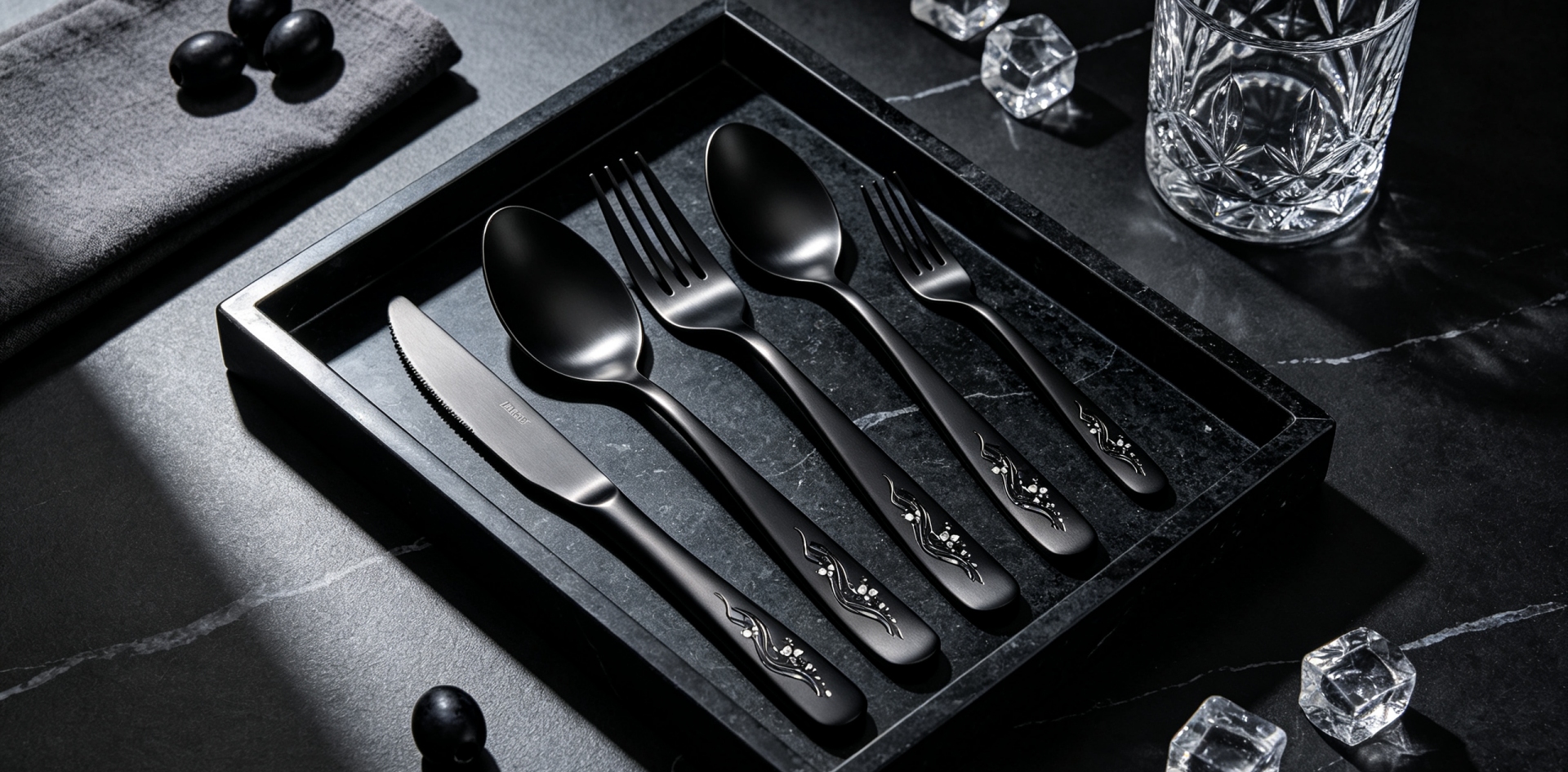
Stainless Steel Cutlery for Coastal Environments
Stainless steel cutlery is used in many different commercial environments, from restaurants and hotels to resorts, cruise-related hospitality and outdoor dining operations. When products are used near the coast, however, the surrounding environment can become an additional consideration during product development.
High humidity, airborne salt and frequent exposure to moisture can create more demanding conditions for metal products.
For B2B buyers sourcing knives, forks, spoons or complete stainless steel flatware collections for coastal markets, it is useful to consider the environment before selecting the final product specification.
Why Coastal Environments Require Attention
Coastal areas can expose products to moisture and salt-containing air more frequently than many inland environments.
This does not mean that stainless steel cutlery cannot be used near the sea. Stainless steel is widely selected for its corrosion resistance and suitability for repeated use.
The important point is that corrosion resistance depends on several factors, including the stainless steel grade, surface condition, cleaning practices and the environment in which the product is used.
For a custom stainless steel cutlery project, these factors should be considered together.
Material Selection Comes First
The stainless steel grade is one of the fundamental considerations for a B2B cutlery project.
Different grades have different chemical compositions and corrosion-resistance characteristics. When a product is intended for a demanding environment, the buyer should communicate the intended application to the manufacturer rather than selecting material based only on appearance or price.
A professional OEM stainless steel flatware factory can then evaluate the product requirement in relation to the intended use.
For long-term commercial supply, having the material requirement clearly defined also provides a useful reference for future production.
Salt Exposure Is Different From Normal Humidity
Humidity alone and salt exposure are not exactly the same condition.
A coastal environment may combine high humidity with airborne salt particles. These conditions can increase the importance of surface cleanliness and proper care.
Cutlery used in a seaside hotel, resort or restaurant may also be exposed to food residues, cleaning chemicals and repeated washing.
The complete usage environment therefore matters more than simply describing a project as a “coastal” product.
A B2B buyer can give the manufacturer a more useful picture by explaining where and how the cutlery will actually be used.
Surface Condition Matters
The surface of stainless steel can influence its resistance to environmental exposure.
A properly finished surface is easier to keep clean and can help maintain the intended appearance of the product.
Different surface treatments can also create different visual characteristics. A polished finish, for example, has a different appearance from a matte finish.
For private label stainless steel cutlery, the selected finish should therefore balance visual requirements with the intended commercial environment.
The manufacturer can then evaluate the requested finish as part of the overall product specification.
Cleaning After Salt Exposure
Even corrosion-resistant stainless steel benefits from proper cleaning.
Salt deposits and other residues should not be allowed to remain on the surface unnecessarily.
This is particularly relevant in commercial environments where cutlery may be transported, stored or handled before and after use.
For buyers supplying coastal hospitality businesses, understanding the expected cleaning process can help when discussing the product with a manufacturer and with the eventual end user.
Good material selection works together with appropriate product care.
Storage Also Matters
The environment does not stop affecting the product when it leaves the table.
Storage conditions can also influence the condition of stainless steel cutlery.
If products are stored in a humid environment for extended periods, especially when moisture or salt residues are present, appropriate storage practices become important.
For distributors and wholesalers, this means that the supply chain should be considered as part of the product environment.
Cutlery may spend time in a warehouse, shipping container or hospitality storage area before reaching the final user.
Coastal Hospitality Applications
Coastal restaurants and hotels are among the obvious applications for stainless steel cutlery in humid environments.
Resorts may require large quantities of knives, forks and spoons for dining rooms, breakfast areas, banquets and other foodservice operations.
In these applications, the cutlery may be washed repeatedly and returned to service many times each week.
For a B2B supplier, understanding the expected usage frequency and cleaning conditions can be useful when developing a suitable product specification.
Cruise and Marine-Related Projects
Marine-related hospitality environments can create additional considerations because of their proximity to seawater and salt-containing air.
A buyer developing products for such applications should communicate the intended environment at the beginning of the project.
The objective is not to create a completely different type of cutlery simply because it will be used near the sea. Instead, the product should be selected and manufactured according to the actual conditions it will encounter.
An experienced ODM cutlery manufacturing supplier can use this information when discussing material and finishing options.
Outdoor Dining and Hospitality
Coastal outdoor dining can expose cutlery to environmental conditions that are less controlled than indoor table service.
Products may be temporarily exposed to humid air, moisture or airborne salt before being washed and returned to storage.
For brands and distributors supplying these customers, it can be useful to consider the complete operating cycle rather than looking only at the moment when the cutlery is being used.
This broader approach can help create more realistic product expectations.
Do Not Judge Corrosion Resistance by Appearance Alone
A new stainless steel spoon or fork may look identical to another product at first glance.
However, visual appearance alone does not provide enough information about material grade or long-term environmental performance.
This is why B2B purchasing decisions should be based on documented product requirements and appropriate manufacturing information.
A magnet test, visual inspection or simple surface comparison may provide useful observations, but none of these should replace a clear material specification.
Discuss the Intended Environment Before Production
One of the simplest ways to improve a custom cutlery project is to tell the manufacturer where the products will be used.
Instead of simply requesting “stainless steel cutlery,” a buyer can explain that the products are intended for a seaside restaurant, coastal hotel, resort or another humid environment.
This gives the manufacturer additional context when reviewing the product requirements.
It can also help avoid selecting a specification that was designed for a substantially different application.
Planning for Long-Term Supply
For B2B buyers, the objective is normally not only to complete one shipment.
A successful cutlery product may remain in the catalog for years, with new quantities ordered as inventory is consumed or hospitality operations expand.
The material and finishing requirements established for the first production can therefore become the basis for future orders.
Maintaining the same product reference helps the buyer and manufacturer keep the supply consistent as the business grows.
Custom Coastal-Use Cutlery From Homefelt Factory
Homefelt factory manufactures stainless steel knives, forks, spoons and complete flatware sets for B2B customers, including OEM, ODM, private label, wholesale and large-volume projects.
For customers serving coastal hospitality, restaurant or resort markets, the intended application can be discussed as part of the product development process.
Material, surface finish and other manufacturing requirements can then be considered according to the customer's actual commercial needs.
For importers, distributors, hospitality suppliers and private label brands, this approach helps connect product development with the environment in which the finished cutlery will be used.
Stainless steel remains a practical material for commercial cutlery, but the best product specification is always related to the actual application.
When coastal humidity, salt exposure, cleaning conditions and storage are considered before production, B2B buyers can communicate their requirements more clearly and build a more suitable stainless steel flatware program.
Custom Stainless Steel Cutlery Manufacturing
OEM & ODM Stainless Steel Flatware
Private Label Cutlery Production
Stainless Steel Fork Tine Spacing for B2B Custom Designs
Stainless Steel Cutlery Dimension Consistency for B2B Buyers
Related Article



