
Stainless Steel Cutlery Collection Matching for B2B Brands
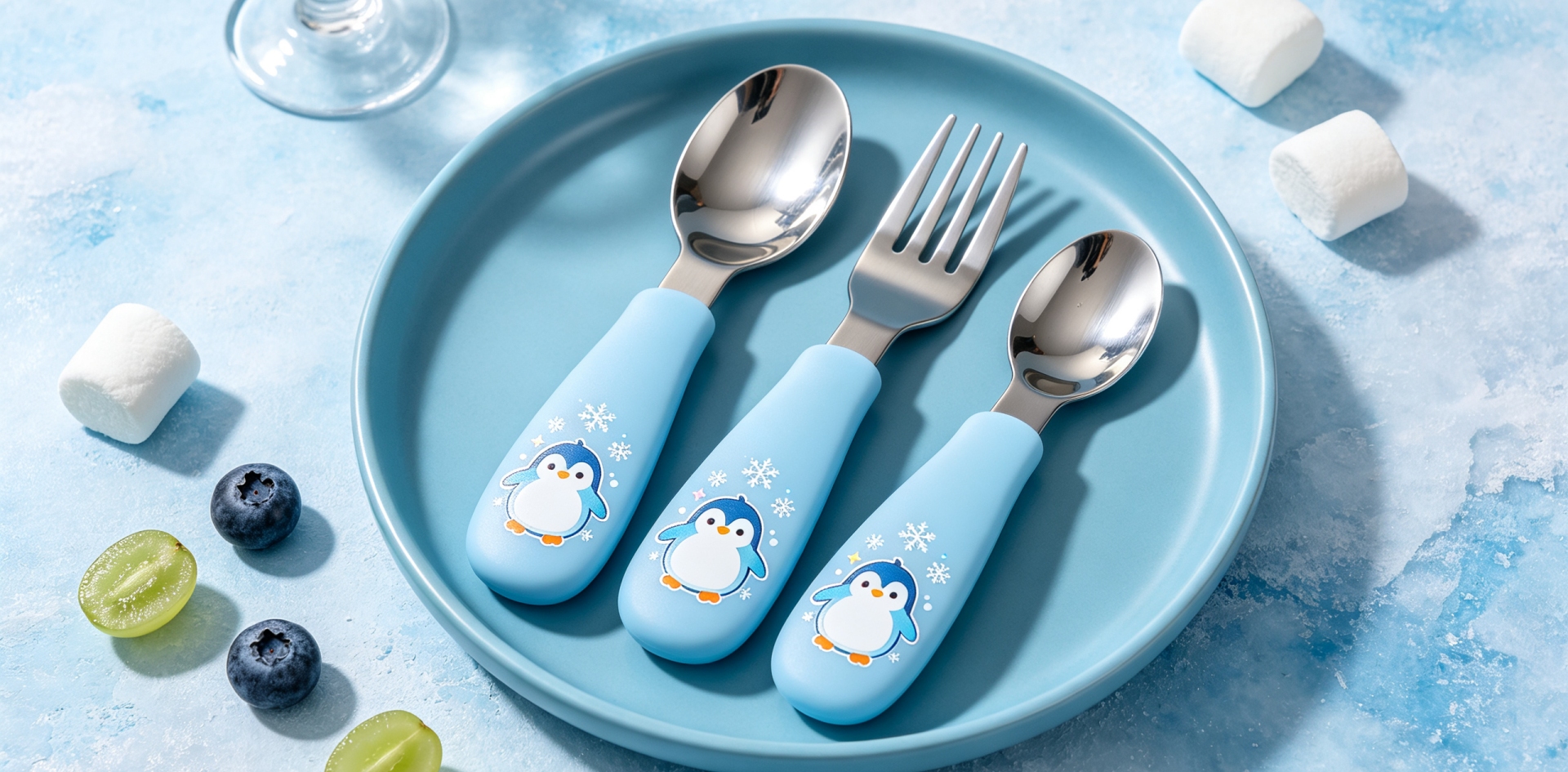
Stainless Steel Cutlery Collection Matching for B2B Brands
For many B2B brands, stainless steel cutlery is not sold as an isolated product. A knife, fork or spoon may need to work visually and commercially with other products already included in the customer's collection.
A retailer may already have a tableware range and want to add stainless steel flatware. A hospitality supplier may need cutlery that fits an existing dining concept. A private label brand may already have plates, bowls or other table products and want to develop matching stainless steel knives, forks and spoons.
In these situations, the challenge is not simply finding a standard cutlery product. The factory needs to understand the existing collection and develop a suitable stainless steel cutlery solution around it.
Why Collection Matching Matters for B2B Cutlery
Customers often experience a table setting as a complete visual environment.
Even when individual products are purchased separately, buyers may expect them to look coordinated when placed together. The appearance of a stainless steel fork next to a plate, glass or other tableware can influence how the entire collection is perceived.
For B2B brands, this creates an opportunity to develop stainless steel cutlery that fits naturally into an existing product range.
The goal does not necessarily have to be an identical appearance. In many cases, the cutlery can provide a complementary visual element while maintaining its own practical identity.
This is particularly relevant for brands that want to expand an existing collection without changing its overall character.
Starting with the Existing Product Range
When developing matching stainless steel cutlery, the first step is understanding what already exists.
A buyer can provide photographs, samples, drawings or product information for the existing tableware collection. These references give the stainless steel cutlery manufacturer a clearer understanding of the intended style.
The factory can then discuss possible directions for the new knife, fork and spoon.
For example, an existing collection may have a simple contemporary appearance, a more traditional character or a distinctive design detail. The cutlery can be developed to complement that direction.
This approach can be more effective than selecting a standard cutlery set without considering the rest of the customer's product range.
Matching Does Not Mean Making Everything Identical
A coordinated collection does not require every product to have exactly the same appearance.
In fact, creating some visual distinction can make the collection more interesting.
A stainless steel spoon may have its own functional shape while sharing certain design characteristics with the customer's existing tableware. A fork and knife can then follow the same overall direction without becoming visually identical to another product.
For OEM and ODM projects, this balance can be discussed with the manufacturer during product development.
The customer can explain which characteristics should remain consistent and where there is room for a new stainless steel cutlery design.
Using Reference Samples for Custom Cutlery Development
Physical samples can be particularly useful when developing matching stainless steel flatware.
A sample allows the factory to see the actual proportions, surface appearance and visual relationship between products.
Photographs can also provide useful information, especially during the early stage of an international project. Customers can send reference images of their existing products together with their expectations for the new stainless steel knife, fork or spoon.
The more clearly the factory understands the existing collection, the easier it becomes to discuss suitable customization options.
For private label brands, this can also help maintain a consistent product identity across different product categories.
Developing Matching Knives, Forks and Spoons
Once the overall direction has been established, the manufacturer can develop the individual cutlery pieces.
A complete collection may include dinner knives, dinner forks and spoons, with additional pieces introduced later according to the customer's needs.
The important point is that the products should be considered as part of the same commercial collection.
For example, a brand may want the knife, fork and spoon to share certain visual characteristics while retaining the appropriate functional structure for each piece.
This requires coordination during product development rather than simply selecting three unrelated products.
B2B Collection Matching for Retail Brands
Retail brands often need products that can be displayed together.
A coordinated stainless steel cutlery collection can make it easier for a retailer to present several related products as part of one product story.
The customer may choose to sell individual knives, forks and spoons, or offer them as complete flatware sets.
The appropriate combination depends on the customer's sales channel and target market.
A custom stainless steel cutlery manufacturer can discuss these requirements with the brand before production and develop products according to the intended commercial use.
Matching Cutlery for Hospitality Projects
Hospitality suppliers may have another type of requirement.
A restaurant, hotel or catering supplier may already have a defined table setting and need stainless steel cutlery that fits the existing environment.
In this situation, the cutlery needs to work with the customer's broader product concept rather than simply meeting a basic specification.
A factory can review the customer's reference products and discuss suitable stainless steel knife, fork and spoon options.
For larger B2B projects, this type of coordination can help the customer develop a more complete sourcing solution.
Supporting Private Label Product Expansion
A private label brand may begin with one product category and gradually expand.
When stainless steel cutlery is introduced later, the new products need to fit the brand's existing identity.
The manufacturer can work from the customer's existing product references rather than treating the cutlery as an independent project.
This can be useful when a brand wants to create a more complete tableware collection under one name.
OEM and ODM manufacturing provide flexibility for this type of project because the customer can communicate the desired direction instead of being limited to completely standard products.
What B2B Buyers Should Prepare
Customers planning a matching stainless steel cutlery project can prepare several types of information before contacting the factory.
Useful materials include photographs of existing products, physical samples, drawings, brand references, target price range, estimated quantities and the type of stainless steel cutlery required.
It is also helpful to explain which elements of the existing collection are important.
For one customer, the overall visual style may be the priority. Another customer may care more about the relationship between product proportions. A third may want the cutlery to fit a specific retail collection.
These details help the manufacturer understand the project more accurately.
Homefelt: Custom Stainless Steel Cutlery for B2B Collections
Homefelt factory specializes in stainless steel knives, forks, spoons and complete cutlery sets for B2B customers.
We support OEM, ODM and private label projects for wholesalers, distributors, importers, retailers and brands. Customers can provide existing product references, drawings, samples or ideas, and we can discuss suitable stainless steel cutlery solutions according to their requirements.
Our one-stop service can include product design, customization, packaging, transportation and other related support.
We can also develop a dedicated service package according to each customer's actual situation. This allows the product and service solution to be adjusted according to the customer's market, product range and business plans.
For customers expanding an existing tableware collection, the goal is to create stainless steel cutlery that fits naturally into the overall product concept.
Building Long-Term Product Cooperation
Collection matching can also create opportunities for long-term cooperation.
A customer may initially develop one stainless steel cutlery set and later add additional knives, forks, spoons or related products.
Because the factory already understands the customer's product direction, future discussions can start from an established foundation.
This can save communication time and make it easier to develop new products as the business grows.
For B2B customers, a manufacturing relationship can therefore become more than a source of finished products. It can become part of the process of expanding and improving the product collection.
At Homefelt, we value long-term cooperation and aim to grow together with our customers as their stainless steel cutlery business develops.
Stainless Steel Fork Back Profile for Custom B2B Cutlery
Stainless Steel Cutlery Market Feedback for B2B Product Development
Related Article



