
Stainless Steel Cutlery Collection Storytelling for B2B Brands
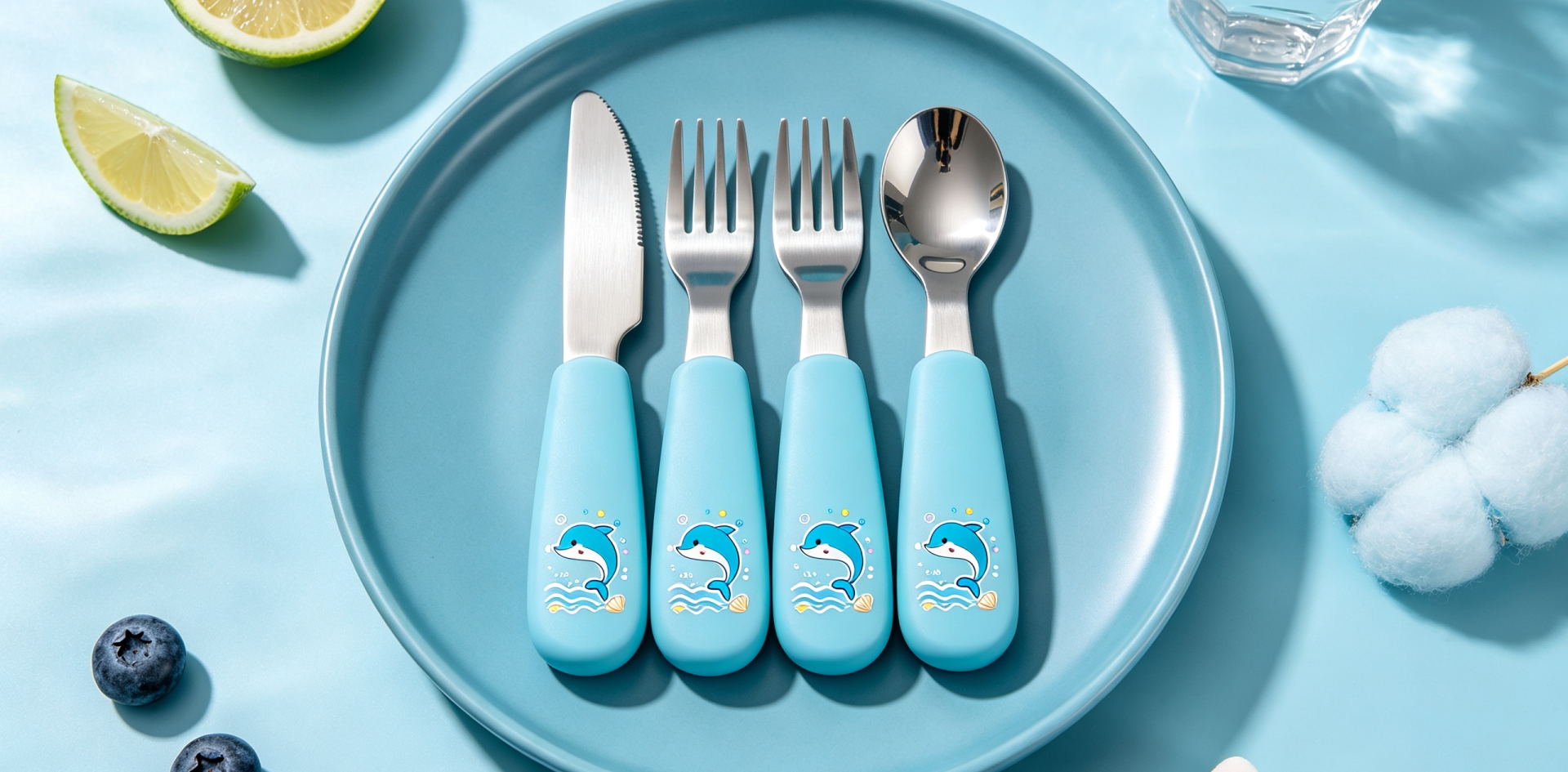
Stainless Steel Cutlery Collection Storytelling for B2B Brands
For a B2B cutlery collection, the products themselves are only part of the sales story. Buyers also need to understand what connects the pieces, what makes the collection distinctive, and how the range can fit their own market.
A well-structured collection story can help distributors, retailers, hospitality suppliers and private label brands present stainless steel cutlery with greater clarity. Instead of showing buyers a long list of individual spoons, forks and knives, a collection can be presented as a complete product concept with a recognizable design direction.
For manufacturers, this also creates a useful framework for discussing customization, OEM projects and long-term product development.
Why Collection Story Matters in B2B Cutlery
B2B buyers often review multiple suppliers at the same time. They may receive catalogs containing dozens or hundreds of stainless steel cutlery designs. If every product is presented simply as another spoon, fork or knife, it can become difficult to understand the difference between collections.
A clear collection story gives buyers a reason to group products together.
For example, one range may focus on clean contemporary lines, while another may emphasize traditional proportions and decorative details. A third collection may be designed around a particular retail positioning or hospitality concept.
The purpose is not to use complicated marketing language. It is to make the product structure easier to understand.
When buyers can quickly identify the design direction, matching pieces and intended market position, discussions about samples, customization and pricing can become more focused.
Building a Consistent Design Language
A successful stainless steel cutlery collection normally has visual relationships between its individual pieces.
The spoon, fork and knife do not need to look identical, but they should feel like members of the same family. Similar handle proportions, surface treatments, transitions, decorative elements or overall silhouettes can create this connection.
This is particularly useful for B2B brands developing a private label flatware range.
Instead of selecting unrelated products from a factory catalog, a buyer can develop a group of items with a more coherent identity. The result may include dinner knives, dinner forks, tablespoons, teaspoons and other pieces that share the same design language.
For an OEM stainless steel cutlery supplier, understanding these relationships is important because new pieces may need to be developed around an existing collection rather than treated as completely independent products.
From Individual Products to a Complete Range
A collection story becomes stronger when the range has a logical structure.
A buyer may begin with a core set of everyday pieces and then add complementary products according to the requirements of the target market. The collection can therefore support different selling formats without losing its overall identity.
For example, a retail brand might introduce a basic four-piece set before expanding into larger combinations. A distributor may require individual pieces for replacement sales. Another customer may need customized sets for a specific customer group.
The important point is that the same design language can support different commercial formats.
This gives a B2B brand more flexibility when planning its product assortment.
Using Material and Finish as Part of the Story
Stainless steel itself can also contribute to the identity of a collection.
Different grades, surface treatments and finishes can create different visual impressions while maintaining the functional characteristics expected from stainless steel flatware.
Polished surfaces can create a clean and reflective appearance. Satin or other controlled surface effects can provide a different visual character. PVD finishes can introduce additional color options for brands developing a distinctive collection.
However, the finish should support the collection concept rather than being selected independently.
For a private label project, buyers can discuss the intended appearance with the manufacturer and determine whether the selected finish can be applied consistently across the required pieces.
This is where an experienced stainless steel cutlery manufacturer can contribute beyond simple production. The factory can help translate the visual direction into manufacturable specifications.
Creating a Collection for a Specific Market
A collection story should always connect with the commercial market where the products will be sold.
A distributor serving several customer groups may require a broad range of styles. A retail brand may prefer a more recognizable signature appearance. A hospitality supplier may need collections that fit different property concepts.
The same stainless steel cutlery manufacturer can therefore produce very different collections for different customers.
For OEM and ODM projects, the buyer can define the desired design direction, target price level, finish, packaging concept and product combination. The manufacturer can then work from those requirements to develop the appropriate pieces.
This approach is particularly useful when the customer wants a collection that is recognizable as its own brand rather than simply another standard catalog selection.
Making the Collection Easy for Buyers to Understand
A collection should be easy to explain.
Instead of presenting every specification at the same level, B2B product information can organize the range around several practical questions:
What is the overall design concept?
Which pieces belong to the collection?
Which products are the core items?
Which finishes or material options are available?
Which pieces can be customized?
Which quantities are suitable for wholesale or bulk purchasing?
Which products can be combined into different set configurations?
Clear answers to these questions help buyers move from product discovery toward a quotation discussion.
For a manufacturer, this also makes communication more efficient because the buyer can identify the relevant products before requesting samples or pricing.
Supporting Private Label Development
Private label customers often need more than a single finished product.
They may be developing an entire range under their own brand and need several related SKUs that can be launched together.
A collection-based approach allows the manufacturer and buyer to discuss the range as one development project.
The customer can select a basic design direction and then determine which knives, forks and spoons should be included. Additional requirements such as logo application, finish selection, packaging and set combinations can be discussed according to the project.
For an ODM project, the manufacturer may also provide existing design directions that can be adapted to the customer's requirements, subject to the agreed customization scope.
The objective is to create a practical product family that can be manufactured in commercial quantities while maintaining a recognizable appearance.
Why Collection Thinking Helps Repeat Business
A collection can also make future product expansion easier.
Once a B2B brand has established a recognizable cutlery design direction, new pieces can be developed to complement the existing range. This may allow the customer to expand the assortment without creating an entirely new visual identity each time.
For distributors, this can simplify product presentation. For retailers, it can create opportunities to introduce additional set combinations. For private label brands, it can support long-term range development.
The relationship between the buyer and manufacturer therefore becomes more than a single SKU transaction. It can develop into an ongoing product program based on a shared understanding of the collection.
Working With a Manufacturer From the Beginning
The earlier a manufacturer is involved in collection development, the easier it can be to identify production considerations before finalizing the range.
Different shapes may require different tooling arrangements. Certain decorative details may affect manufacturing steps. Surface finishes may require specific production processes. The relationship between several products also needs to be considered when developing a complete range.
Discussing these points during the early stage can help buyers make more practical design decisions.
At Homefelt factory, customers can discuss stainless steel knife, fork and spoon projects for OEM, ODM and private label production. The factory can support customized flatware collections, wholesale requirements and large-volume orders according to the customer's specifications.
For buyers who already have drawings or samples, these can become the starting point for a more detailed manufacturing discussion. For customers who are still developing a collection concept, the discussion can begin with the required product types, target market and desired design direction.
Turning a Collection Concept Into an Order
A good collection story should ultimately support a clear purchasing process.
Once the buyer has identified the desired range, the next step is normally to confirm specifications, quantities, customization requirements, packaging needs and delivery expectations.
A manufacturer can then prepare the appropriate quotation and development plan.
For B2B customers, providing a clear product list at the inquiry stage is helpful. Even a preliminary list of required knives, forks, spoons, finishes and estimated quantities can give the supplier enough information to begin discussing the project.
This makes the transition from design idea to commercial order much more straightforward.
A stainless steel cutlery collection is therefore not simply a group of matching products. It can become a structured product concept that helps buyers communicate their brand identity, organize their assortment and develop a long-term flatware range.
For brands, wholesalers and distributors looking for customized stainless steel cutlery, working with a manufacturer that understands both product development and large-volume production can provide a practical foundation for turning a collection concept into finished products.
Custom Stainless Steel Cutlery for B2B Brands
OEM & ODM Stainless Steel Flatware Manufacturing
Private Label Cutlery Collection
Wholesale Stainless Steel Cutlery Supplier
Homefelt Factory — Custom Stainless Steel Cutlery, OEM/ODM & Bulk Production
Stainless Steel Cutlery Design Concepts for B2B Brands
Stainless Steel Cutlery Product Tiers for B2B Brands
Related Article



