
Stainless Steel Cutlery Design Concepts for B2B Brands
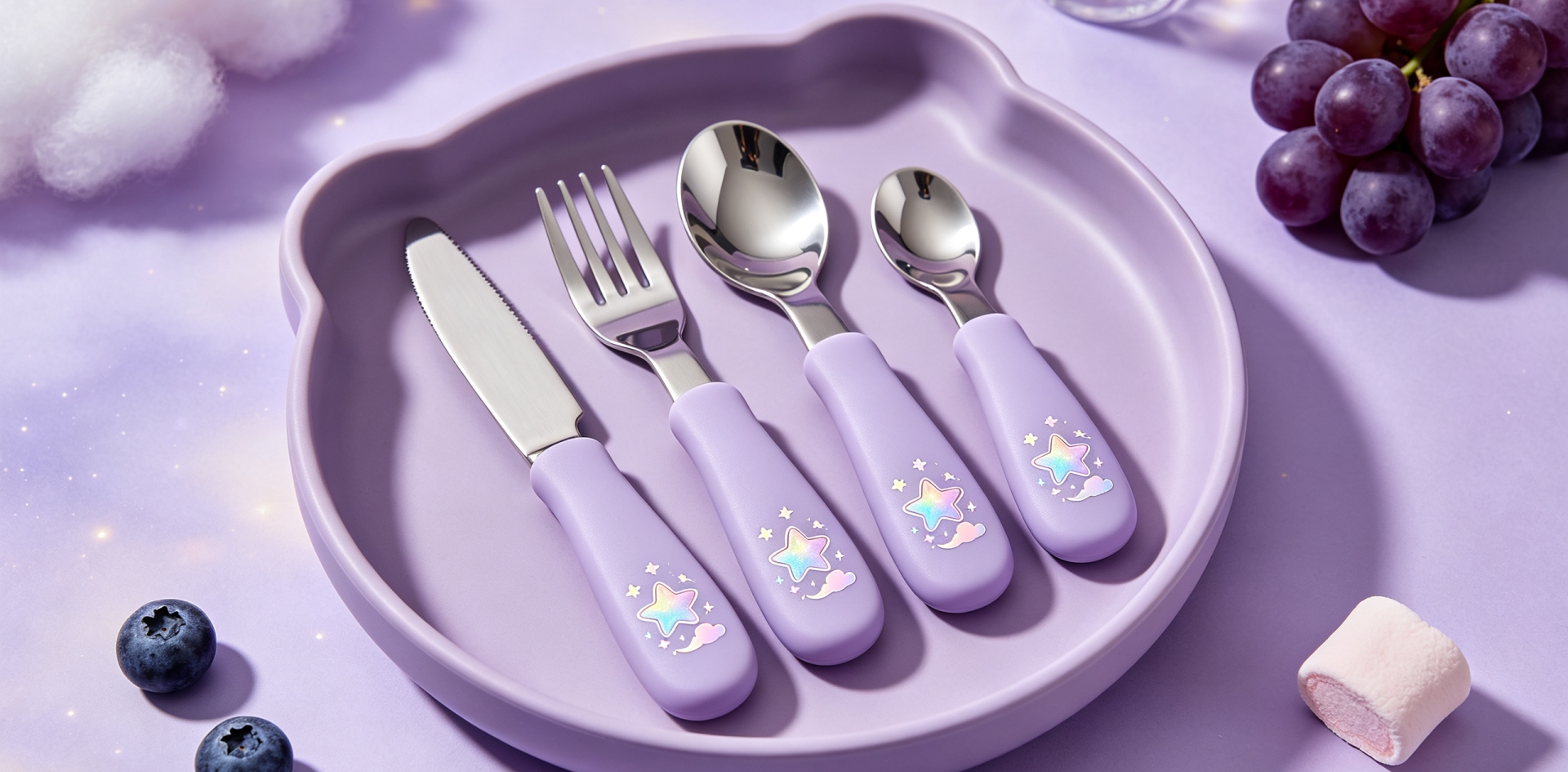
Stainless Steel Cutlery Design Concepts for B2B Brands
A stainless steel cutlery collection often begins with a simple idea: a particular shape, a distinctive handle, a special surface, or a visual style that a brand wants to bring to market. Turning that idea into a commercially viable collection, however, requires more than making an attractive spoon, fork or knife.
For B2B brands, the design concept needs to work across several products while remaining suitable for manufacturing, wholesale distribution and long-term sales. A well-developed concept can give a flatware collection a recognizable identity without making the production process unnecessarily complicated.
This is especially important for companies developing OEM, ODM or private label stainless steel cutlery.
Starting With a Clear Design Direction
Before individual products are developed, it helps to establish what the collection is intended to communicate.
A design may be contemporary, traditional, minimalist, decorative or strongly distinctive. These descriptions are only starting points, but they provide a framework for deciding how the individual pieces should relate to one another.
For example, a contemporary collection may use simple transitions and restrained proportions, while a more decorative range may rely on additional lines, contours or surface details.
The key for B2B development is consistency. The design direction should be clear enough that a buyer can recognize the relationship between a spoon, fork and knife even when the three pieces have different functional requirements.
This creates a stronger foundation for developing a complete custom flatware range.
Connecting the Design Across Different Pieces
A cutlery collection is made up of products with different functions. A knife requires a blade, a fork requires functional tines, and a spoon requires a bowl. Their shapes cannot simply be copied from one another.
Instead, the design connection can come from shared visual elements.
The handle may use a related silhouette. The transition between the functional head and handle may follow a similar concept. Surface treatment, decorative details or overall proportions can also help establish a common identity.
For B2B brands, this approach allows the collection to remain visually coherent while respecting the practical requirements of each individual piece.
A stainless steel cutlery manufacturer can use this design direction as a reference when developing multiple SKUs for the same customer.
Balancing Appearance With Everyday Function
A successful design concept cannot depend only on appearance.
Knives need to provide a practical cutting edge. Fork tines need to function effectively. Spoon bowls need to hold food comfortably. Handles need to provide a practical grip during normal use.
These requirements do not mean that B2B brands have to choose between attractive design and practical functionality.
Instead, they provide boundaries within which the collection can be developed.
For an OEM stainless steel cutlery project, the design discussion should therefore consider both the desired appearance and the intended use of each piece.
A design that looks distinctive in a drawing may require modification before it becomes a practical mass-produced product. Early communication between the buyer and manufacturer can help identify these points before the collection is finalized.
Designing for a Complete Range
Another important consideration is how the design will expand beyond the initial products.
A buyer may initially require a standard combination of knife, fork and spoon. Later, the same brand may want to introduce additional pieces or different set configurations.
If the original design concept is flexible enough, new products can be developed without making the collection look disconnected.
This is particularly valuable for private label brands that plan to build their flatware range gradually.
A manufacturer can discuss which design characteristics should remain consistent and which elements can change according to the function of each new product.
This creates a framework for future product development rather than treating every new SKU as an unrelated project.
Choosing the Right Level of Detail
Design details can make a stainless steel cutlery collection distinctive, but too many details may make the range difficult to manage.
A simple design can often be extended across several products more easily. A highly detailed design may require additional production considerations and more careful control of the relationship between individual pieces.
For B2B buyers, the right approach depends on the target market.
A brand positioned around clean contemporary products may prefer a restrained design language. Another brand may need more visible details to create a stronger shelf presence.
The objective is not to make every collection look complicated. It is to make the design recognizable and appropriate for its intended market.
Considering the Stainless Steel Material
Material selection is another part of the design concept.
Stainless steel provides a combination of durability, corrosion resistance and a clean appearance, making it widely used for knives, forks and spoons.
However, the selected stainless steel specification should be considered together with the overall product requirements.
Different customers may have different expectations regarding material grade, thickness, weight, finish and intended use. These details should be defined according to the project rather than assumed to be identical for every collection.
For a custom flatware manufacturer, receiving these requirements at the development stage makes it easier to evaluate the proposed design and prepare suitable production specifications.
Using Surface Treatment to Reinforce the Concept
The surface can significantly influence how a cutlery collection is perceived.
A highly reflective polished surface creates a different visual impression from a controlled matte or satin appearance. Colored finishes can create another direction for brands that want stronger visual differentiation.
The important point is that surface treatment should work with the underlying design.
A minimalist handle may benefit from a clean surface, while a more decorative concept may use finish variations to emphasize specific areas.
For private label stainless steel cutlery, buyers can discuss available finishing options with the manufacturer and determine which approach is appropriate for the collection.
The finish should also be considered across the full range so that the knife, fork and spoon remain visually connected.
Creating Distinctive Designs Without Losing Practicality
B2B buyers sometimes want a collection that stands apart from standard market products.
Distinctiveness does not necessarily require an unusual shape.
Small design decisions can create a recognizable identity. The relationship between handle width and length, the transition into the functional head, the treatment of a decorative line or the overall silhouette can all influence the final appearance.
This gives designers considerable room to develop a custom concept while keeping the products practical.
For an ODM flatware supplier, these types of design directions can also become the basis for developing product concepts that can later be adapted to the customer's specific market requirements.
Planning the Design for Manufacturing
One of the most important stages in a custom cutlery project is understanding how the design will translate into production.
A product may look straightforward visually but contain details that require particular manufacturing processes.
The relationship between the handle and functional head, the shape of curves, the transitions between different sections and the selected surface treatment can all affect production.
This is why experienced manufacturers should be involved before a design is considered completely finalized.
At Homefelt factory, customers can discuss custom stainless steel knives, forks, spoons and complete flatware collections for OEM, ODM and private label projects. The factory can evaluate the proposed product direction and work with buyers on the practical requirements for wholesale and large-volume production.
This is particularly useful when a brand has its own design concept but needs manufacturing support to turn the concept into a repeatable product.
Developing a Design That Can Support a Brand
For B2B brands, a cutlery design is often more valuable when it can become part of a broader product identity.
A recognizable handle style or collection concept can help a brand maintain consistency across its product range. When buyers later add new pieces, the existing design language provides a useful reference.
This can also simplify communication with distributors and retail customers because the products can be presented as a unified collection rather than a collection of unrelated SKUs.
Over time, a successful design concept may become one of the visual characteristics associated with the brand's flatware range.
From Concept to Commercial Production
Once the design direction has been established, the next step is to define the actual product requirements.
The buyer and manufacturer can confirm the required pieces, dimensions, material specification, surface treatment, customization requirements and estimated quantities.
Samples can then be developed according to the agreed concept so the buyer can evaluate the physical result.
This stage allows the brand to see how the original design idea translates into an actual stainless steel product. Adjustments can be discussed before the collection moves into larger-volume manufacturing.
For wholesale and private label customers, this development process can provide a practical bridge between creative design and commercial production.
A strong stainless steel cutlery design concept is therefore not simply about making a product look different. It is about creating a recognizable visual direction that can work across knives, forks, spoons and complete flatware sets while remaining suitable for real-world use and manufacturing.
For B2B brands planning a new collection, working directly with an experienced stainless steel cutlery factory can help connect design ideas with practical production requirements.
Homefelt factory supports custom stainless steel cutlery, OEM, ODM, private label and bulk manufacturing projects for buyers looking to develop their own flatware collections.
Custom Stainless Steel Cutlery for B2B Brands
OEM & ODM Stainless Steel Flatware Manufacturing
Private Label Flatware Manufacturer
Custom Knife, Fork and Spoon Production
Wholesale Stainless Steel Cutlery Collections
Homefelt Factory — Custom Stainless Steel Cutlery & Bulk Manufacturing
Heritage Stainless Steel Cutlery for B2B Brands
Stainless Steel Cutlery Collection Storytelling for B2B Brands
Related Article



