
Stainless Steel Cutlery Design Ownership for B2B Projects
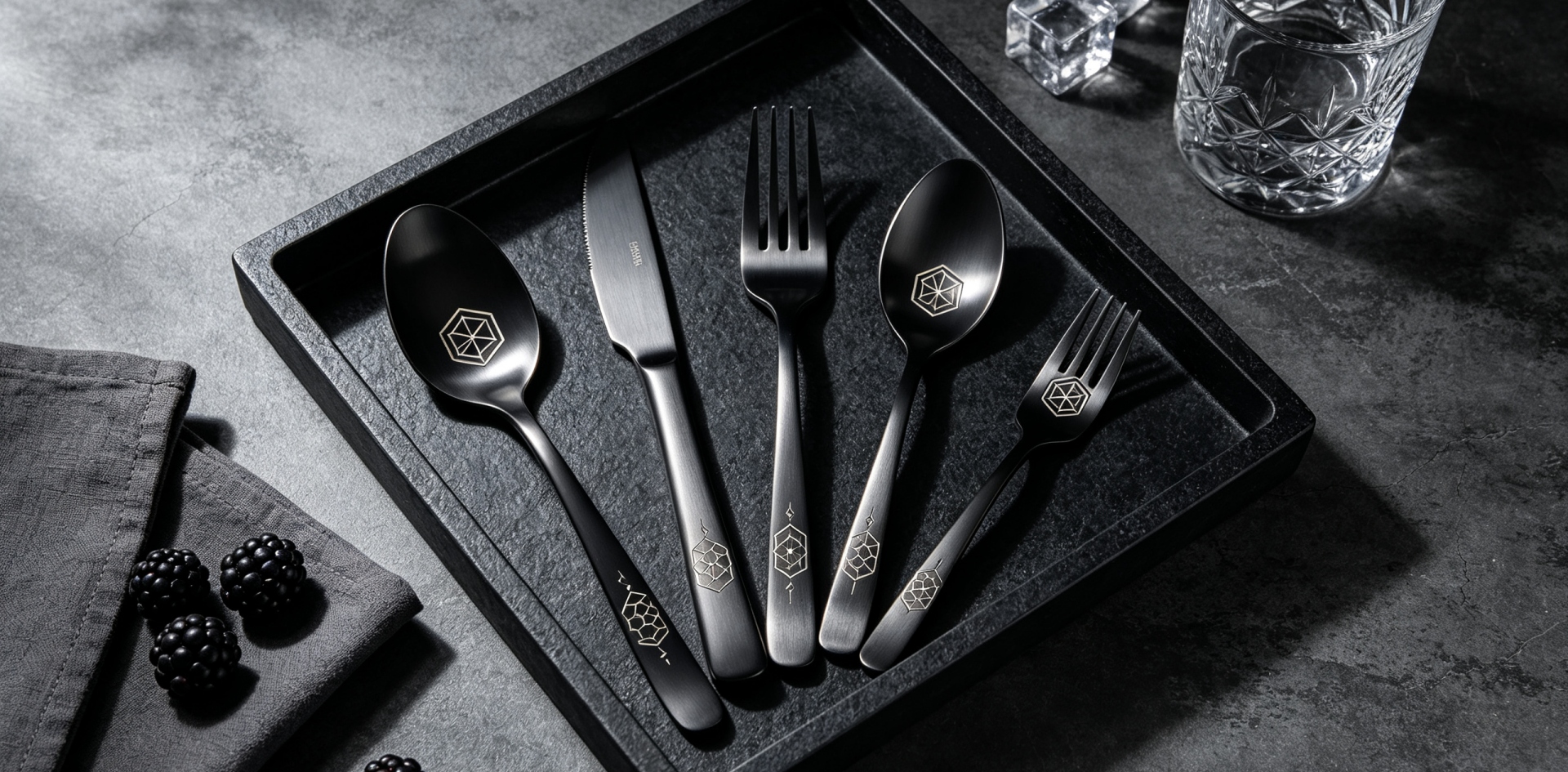
Stainless Steel Cutlery Design Ownership for B2B Projects
When a brand develops a custom stainless steel cutlery collection, the product itself is only one part of the project. The design, drawings, tooling, specifications and production arrangements also need to be clearly organized before a large order begins.
For B2B buyers working with an OEM or ODM stainless steel cutlery manufacturer, understanding design ownership and production responsibilities can make the cooperation more efficient. It helps both sides establish clear expectations when a product moves from an initial concept to samples and eventually to repeat bulk production.
Why Design Ownership Matters in Custom Cutlery
A standard stainless steel spoon, fork or knife can often be selected from an existing factory range. A private label project, however, may require changes to the handle shape, proportions, surface treatment, logo position, set configuration or other product details.
Once these elements are customized, the design becomes part of the commercial value of the product.
For a brand, a distinctive cutlery design may be used across a wider product collection. For a manufacturer, the design needs to be translated into practical production requirements. Clear communication about which elements are supplied by the buyer and which elements are developed by the factory helps prevent misunderstandings later in the project.
This is particularly relevant when a buyer plans to place repeat orders or develop several related stainless steel flatware SKUs.
Buyer-Provided Designs and Factory-Assisted Development
B2B cutlery projects generally begin in different ways.
Some buyers already have detailed drawings, dimensions, reference samples or CAD files. In this situation, the manufacturer can work from the buyer's specifications and focus on turning the design into a manufacturable stainless steel product.
Other brands have only an initial concept. They may have a reference image, a rough sketch or an existing product they want to modify. In an OEM or ODM project, the manufacturer can help translate the concept into practical cutlery specifications.
The important point is to establish the design requirements before production begins. Details such as overall dimensions, handle proportions, blade or tine configuration, surface finish, material requirements and set composition should be clearly defined.
This creates a more reliable foundation for sample development and future production.
From Design Concept to Manufacturing
A custom cutlery design cannot be evaluated only from a visual perspective. It also needs to work within stainless steel manufacturing processes.
A handle may look attractive on a drawing but require adjustments before it can be produced efficiently. The relationship between the handle and functional part, the overall proportions, forming requirements and finishing process all influence how the final product is manufactured.
This is where communication between the B2B buyer and the factory becomes important.
An experienced stainless steel cutlery manufacturer can review a proposed design from a production perspective and identify details that may need clarification before tooling or mass production. Small changes at the development stage can sometimes make a product easier to manufacture while maintaining the intended appearance.
For private label brands, this development stage can be particularly valuable because the finished collection needs to balance brand identity with repeatable production.
Protecting a Distinctive Product Concept
When a brand invests in a custom flatware design, it may want to maintain a clear distinction between its collection and standard market products.
For this reason, buyers should discuss how design files, drawings, samples and customized product information are handled during the project.
The commercial arrangement should clearly identify which designs are provided by the buyer, which elements are developed specifically for the project and which components are based on standard factory designs.
Clear documentation does not need to make the process complicated. A practical project record can include the approved drawing, product code, material specification, finish, dimensions and other agreed requirements.
This gives both parties a common reference when discussing future production.
Custom Design and Long-Term B2B Production
The value of a custom cutlery design often becomes more important after the first order.
A brand may initially order a small selection of knives, forks and spoons to introduce a new collection. If the products perform well in the market, the same designs may later be ordered in larger quantities or expanded into additional SKUs.
At this stage, consistency becomes important.
The manufacturer needs to understand the approved product version and production requirements so that future orders can follow the same design direction. The buyer also benefits from maintaining clear product information rather than recreating specifications every time a new order is placed.
This is one reason why a professional B2B manufacturing relationship should be viewed as more than a single transaction.
Building a Private Label Cutlery Collection
For private label brands, design ownership can also be considered at collection level rather than only at individual SKU level.
A brand may develop one visual language across a table knife, dinner fork, table spoon and additional pieces. The handles may share certain proportions or decorative elements while the functional sections are adapted to each product.
Developing the collection as a coordinated system can create a stronger product identity.
A stainless steel cutlery factory with OEM and ODM experience can work with the buyer on these relationships while keeping each SKU suitable for production. This approach is useful for brands that plan to introduce a complete flatware range rather than a single product.
Why B2B Buyers Should Discuss Design Before Ordering
Many problems in custom manufacturing come from unclear expectations rather than from the product itself.
Before requesting a quotation or placing a bulk order, a buyer can provide as much useful information as possible:
Product drawings or reference images
Required stainless steel material
Dimensions and weight requirements
Surface finish
Logo or branding requirements
Individual SKU information
Cutlery set composition
Expected order quantity
Packaging requirements
Target market and sales positioning
Whether the product is a one-time project or a long-term collection
With these details available, the factory can better understand the project and prepare a more relevant quotation and production proposal.
Homefelt for Custom Stainless Steel Cutlery Manufacturing
Homefelt focuses on stainless steel knives, forks, spoons and cutlery sets for B2B customers. With more than 40 years of experience in the stainless steel cutlery business, the factory supports customers developing customized products for wholesale, OEM, ODM and private label programs.
For a buyer with an existing design, the project can begin from drawings, samples or specifications. For brands developing a new collection, the discussion can start from the desired product concept and commercial requirements.
The goal is to turn a clear product concept into stainless steel cutlery that can be manufactured consistently for bulk orders and future purchasing programs.
A well-defined design is therefore not simply a creative asset. It is also a practical manufacturing reference that connects product development with quotation, sampling and production.
If your company is preparing a new stainless steel cutlery collection, providing the factory with clear design information at the beginning can make the next steps much more efficient.
Custom Stainless Steel Cutlery Manufacturing
OEM and ODM Flatware Production
Private Label Cutlery Manufacturing
Stainless Steel Cutlery Production Release for B2B Orders
Stainless Steel Cutlery Specification Packs for B2B Orders
Related Article



