
Stainless Steel Cutlery Edge Details for Consistent B2B Quality
Stainless Steel Cutlery Edge Details for Consistent B2B Quality
When buyers evaluate stainless steel cutlery, the overall design is usually easy to see. However, many of the details that determine the final product quality are found in smaller areas.
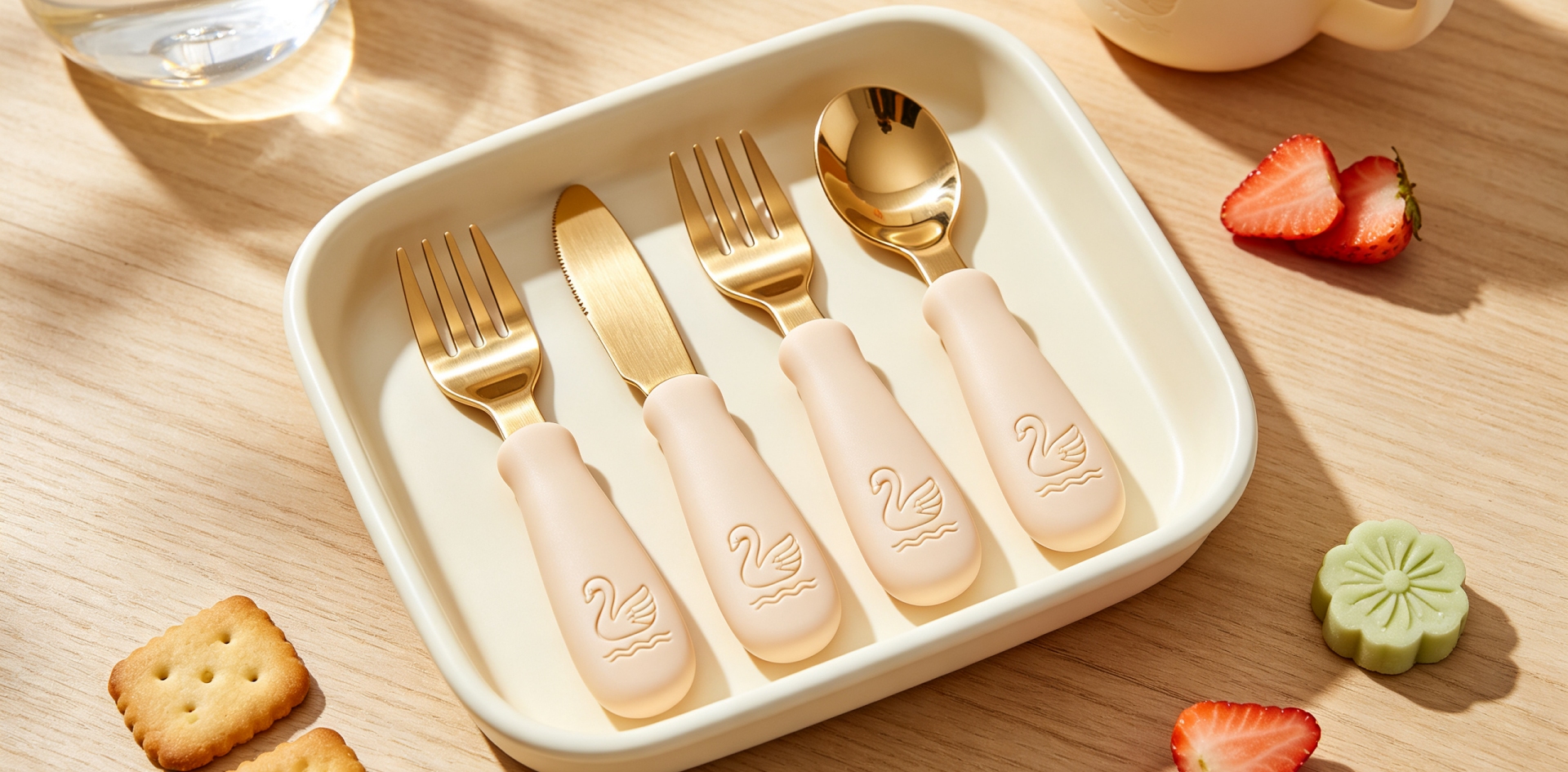
The edge of a spoon bowl, the transition between a fork head and handle, the finishing around a knife and the smoothness of different product surfaces can all influence the final appearance and user experience.
For B2B buyers, these details are particularly important because the same product may need to be manufactured in large quantities with consistent specifications.
Homefelt factory specializes in stainless steel knives, forks, spoons and complete flatware collections. With more than 40 years of stainless steel cutlery manufacturing experience, Homefelt supports OEM, ODM, private label and bulk production projects for international customers.
Why Small Cutlery Details Matter
A stainless steel spoon or fork may have a simple appearance, but it contains multiple formed and finished areas.
The overall product needs to maintain a consistent relationship between the working end and handle.
Small differences in edges, transitions or finishing can become more noticeable when hundreds or thousands of pieces are displayed together.
For this reason, product development should consider not only the main design but also the smaller structural details.
Spoon Bowl Edge and Finishing
The edge of a spoon bowl is an important part of the finished product.
Its shape should correspond with the overall bowl design and product proportions.
During product development, buyers may discuss the bowl shape, depth, width and edge characteristics together.
The final requirement can be confirmed through a production sample before bulk manufacturing.
For B2B customers, this gives both sides a clear reference when evaluating the finished product.
Fork Head and Handle Transition
The connection between the fork head and handle is another area where design details matter.
A well-coordinated transition can help the fork maintain a consistent appearance with the rest of the collection.
When developing a complete set, the spoon, fork and knife can share similar handle characteristics while maintaining their own functional structures.
For OEM and ODM projects, these details can be reviewed during the sample development stage.
Knife Edge and Overall Finishing
The knife requires a different structure from the spoon and fork because of its blade.
Depending on the product requirements, the blade shape, thickness, edge structure and handle connection may all need to be defined.
For a B2B product, the final specifications should be established according to the intended application and market.
Customers can provide reference products, drawings or photographs when explaining their requirements to the factory.
Smooth Surface Transitions
Cutlery consists of multiple surfaces and transitions.
The handle may connect to the working section through a curved or structured area, while the spoon bowl, fork head or knife blade has its own geometry.
These transitions contribute to the overall appearance of the finished product.
For a private label collection, consistent details across different products can help create a more professional visual identity.
The spoon, fork and knife do not need to have identical structures, but their design language can remain coordinated.
Sample Approval for Customized Cutlery
For a customized stainless steel cutlery project, sample approval is an important step before bulk production.
A photograph or drawing can communicate the general concept, but a physical sample allows the buyer to evaluate the actual product.
During sample review, customers can examine:
-
Overall product shape
-
Edge details
-
Handle transition
-
Surface appearance
-
Product dimensions
-
Weight
-
Finish consistency
-
Logo placement
If adjustments are required, they can be discussed before the final specification is confirmed.
This process can reduce unnecessary changes after mass production begins.
Keeping Specifications Clear for Repeat Orders
For B2B buyers, a product may be reordered many times.
Once a stainless steel spoon, fork or knife has been approved, the product specification should provide a clear reference for future production.
Important information may include:
-
Material
-
Dimensions
-
Thickness
-
Weight
-
Handle design
-
Surface finish
-
Edge and detail requirements
-
Logo specifications
-
Packaging requirements
Clear specifications are particularly useful when a customer is building a long-term product range.
Developing Details Across a Complete Collection
When several products are sold as one collection, small details can be coordinated across the range.
For example, a customer may want the spoon, fork and knife to share:
-
Similar handle proportions
-
Consistent surface treatment
-
Matching decorative elements
-
Coordinated end shapes
-
Consistent logo placement
At the same time, each product can maintain its own functional characteristics.
This approach allows the collection to look unified while remaining practical for its intended use.
Custom Cutlery for Different B2B Markets
Different markets can place different emphasis on product details.
Retail brands may focus on appearance and packaging.
Restaurant and foodservice suppliers may prioritize practical product specifications and consistent repeat supply.
Distributors may require several product styles and different set combinations.
Private label brands may want details that distinguish their products from standard market offerings.
Understanding these requirements before production helps the factory determine which details should receive the greatest attention.
OEM Manufacturing Based on Customer Specifications
In an OEM project, the customer may already have detailed drawings or approved samples.
The factory can use these materials as production references.
The more clearly the product requirements are defined, the easier it is to communicate the expected result.
For customers with an established product specification, Homefelt can organize stainless steel spoon, fork and knife production according to the approved requirements.
This is suitable for buyers who already have a clear product concept and need a manufacturing partner for bulk production.
ODM Development for New Product Concepts
Not every customer starts with a complete technical drawing.
Some buyers may have only a product image, reference sample or general design idea.
In an ODM project, the manufacturer can discuss the concept and help determine the relevant product specifications.
The development process can include design discussion, sample production, specification confirmation and bulk manufacturing.
This allows buyers to develop a customized collection without needing to prepare every production detail independently.
Packaging and Product Presentation
Once the product details have been confirmed, packaging can be developed around the finished cutlery.
For private label projects, packaging can include the customer's brand information and product presentation requirements.
Different sales channels may require different packaging formats.
Homefelt can coordinate packaging requirements together with product customization and bulk production, providing a more integrated service for international B2B buyers.
Factory Experience and Supporting Documentation
A professional B2B project may also involve supplier qualification and documentation.
Homefelt has more than 40 years of experience in stainless steel cutlery manufacturing and has experience with BSCI, SEDEX 4P, BRC, ISO 9001 and Disney audits, together with FAMA and FSC certifications.
Specific documentation or testing requirements can be discussed according to the customer's project.
This information can be considered alongside product specifications when buyers evaluate a long-term manufacturing partner.
One-Stop Stainless Steel Cutlery Service
A customized cutlery project can involve many stages, from product concept to shipment.
Homefelt provides integrated support for stainless steel knives, forks, spoons and flatware sets, including:
-
Product design
-
Product specification development
-
OEM manufacturing
-
ODM development
-
Private label customization
-
Sample production
-
Packaging coordination
-
Bulk production
-
Shipping arrangements
The service can be adapted according to the customer's actual requirements.
Whether the buyer has an established specification or is developing a new collection, the project can begin with the available product information.
Supporting Long-Term B2B Cooperation
For B2B customers, product consistency becomes increasingly important as order volume and repeat purchases grow.
A reliable manufacturing relationship allows the customer to maintain approved specifications while expanding the product range.
A spoon developed today may become part of a larger collection that later includes matching forks, knives and additional flatware.
Homefelt aims to support this type of long-term development by combining stainless steel cutlery manufacturing experience with customization and project coordination.
Stainless Steel Cutlery Thickness Specifications for B2B Projects
How to Develop Custom Stainless Steel Cutlery Set Combinations
Related Article



