Stainless Steel Cutlery Factory and Manufacturer for B2B Buyers
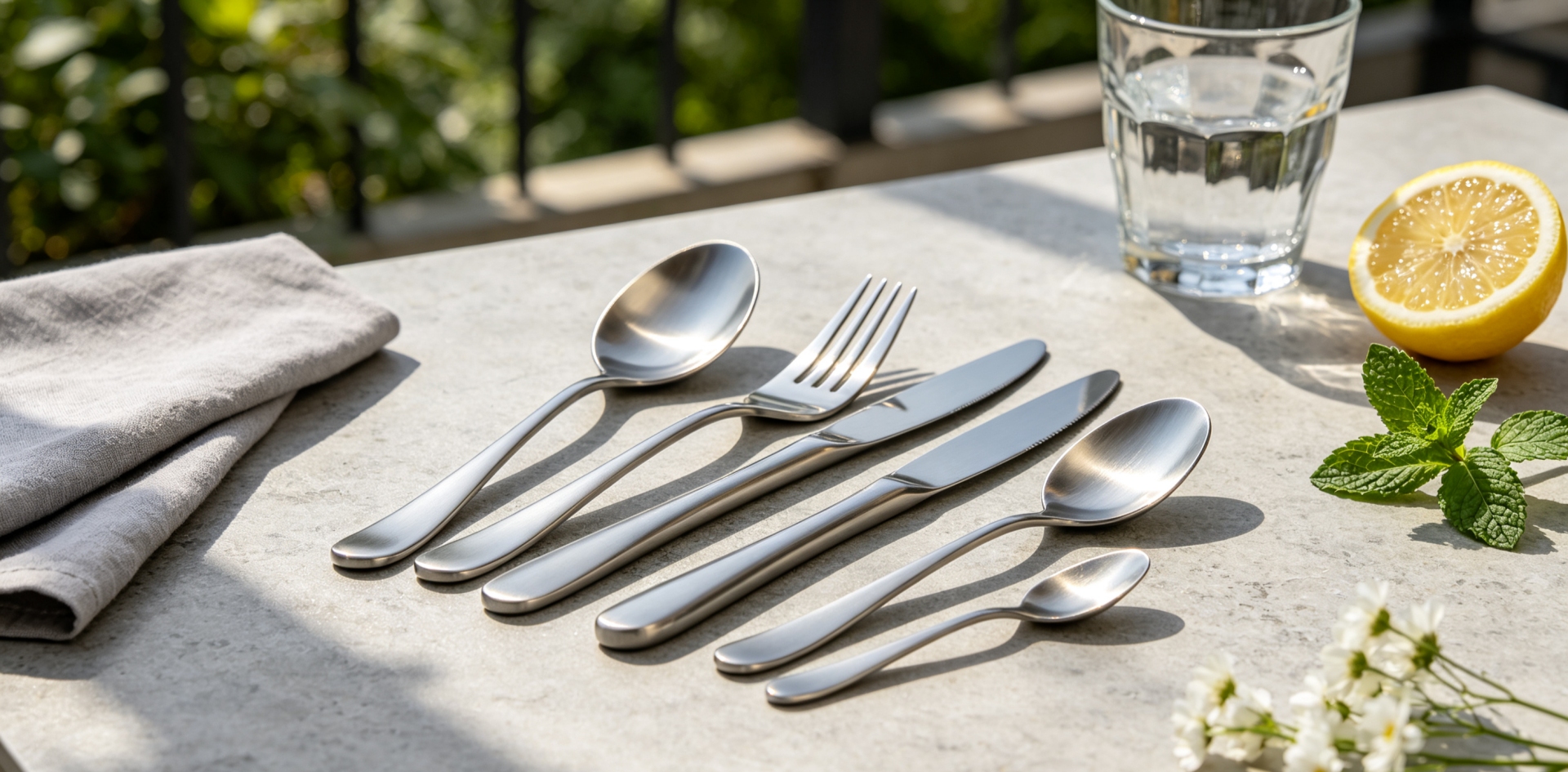
Stainless Steel Cutlery Factory and Manufacturer for B2B Buyers
For wholesalers, distributors, retailers and private label businesses, choosing the right stainless steel cutlery manufacturer can have a direct impact on product quality, delivery and long-term supply.
A supplier may offer attractive prices, but B2B buyers usually need to consider much more than the initial quotation. Manufacturing experience, production capabilities, material control, customization, quality consistency and communication can all influence the success of a project.
For businesses planning regular purchases, working directly with an experienced stainless steel cutlery factory can provide a more structured way to develop and manage a product range.
Why Work Directly With a Cutlery Factory?
Buying directly from a manufacturer can give B2B customers a clearer understanding of how products are developed and produced.
Instead of purchasing only from a trading channel, buyers can communicate specifications directly with the production team.
This can be useful when a project requires:
- Specific stainless steel grades
- Customized designs
- Different surface finishes
- Logo customization
- Special packaging
- Large quantities
- Repeat production
Direct communication can also make it easier to discuss changes during product development.
What Should Buyers Look for in a Manufacturer?
Not every stainless steel cutlery factory has the same capabilities.
Before starting a project, buyers should consider:
- Manufacturing experience
- Product range
- Production capacity
- Material selection
- Product development
- Quality control
- Finishing capabilities
- Packaging options
- Export experience
- Repeat order support
These factors are particularly important when the buyer is developing a long-term product line rather than making a one-time purchase.
Manufacturing Experience Matters
Stainless steel cutlery may appear simple, but consistent production requires experience with materials, forming, polishing, finishing and quality control.
An experienced manufacturer is more familiar with common production challenges and can often provide practical suggestions during product development.
For B2B buyers, this can reduce unnecessary communication and help turn product requirements into workable manufacturing specifications.
Stainless Steel Material Control
The quality of finished cutlery begins with the raw material.
Manufacturers need to work with clearly defined stainless steel specifications and maintain consistency throughout production.
Common cutlery materials include:
- 18/10 stainless steel
- 18/8 stainless steel
- 18/0 stainless steel
The appropriate material depends on the customer's product requirements and target market.
For repeat orders, maintaining the agreed material specification is especially important.
Product Development Capability
A good manufacturing partner should be able to understand more than a product photograph.
B2B customers may provide:
- Drawings
- Samples
- Product dimensions
- Reference products
- Design concepts
The manufacturer then needs to translate these requirements into a production-ready product.
For customized cutlery, this process may involve sample development and adjustments before the final specification is approved.
Standard and Custom Cutlery
Standard products are often suitable for wholesalers and buyers looking for an established design.
Custom products can provide more flexibility for businesses developing their own collections.
Customization may include:
- Handle shape
- Product dimensions
- Weight
- Surface finish
- Logo
- Set configuration
- Packaging
The choice between standard and custom products depends on the buyer's market and purchasing plan.
Production Capacity for Large Orders
Large B2B projects require a manufacturer that can manage production according to the agreed schedule.
Production planning may involve multiple product styles and different quantities.
For example, one order could include:
- Table forks
- Table knives
- Table spoons
- Teaspoons
- Serving utensils
The manufacturer needs to coordinate the complete order rather than treating every product as an unrelated item.
Quality Consistency
For wholesalers and retailers, consistency is essential.
Customers expect products from the same collection to look and feel similar.
Important details include:
- Dimensions
- Weight
- Surface finish
- Handle shape
- Product thickness
- Logo position
A clear approved sample can serve as a reference for future production.
This is particularly useful when the same products need to be reordered several times.
Surface Finishing Capability
The surface finish can strongly influence the appearance of stainless steel cutlery.
Common finishes include:
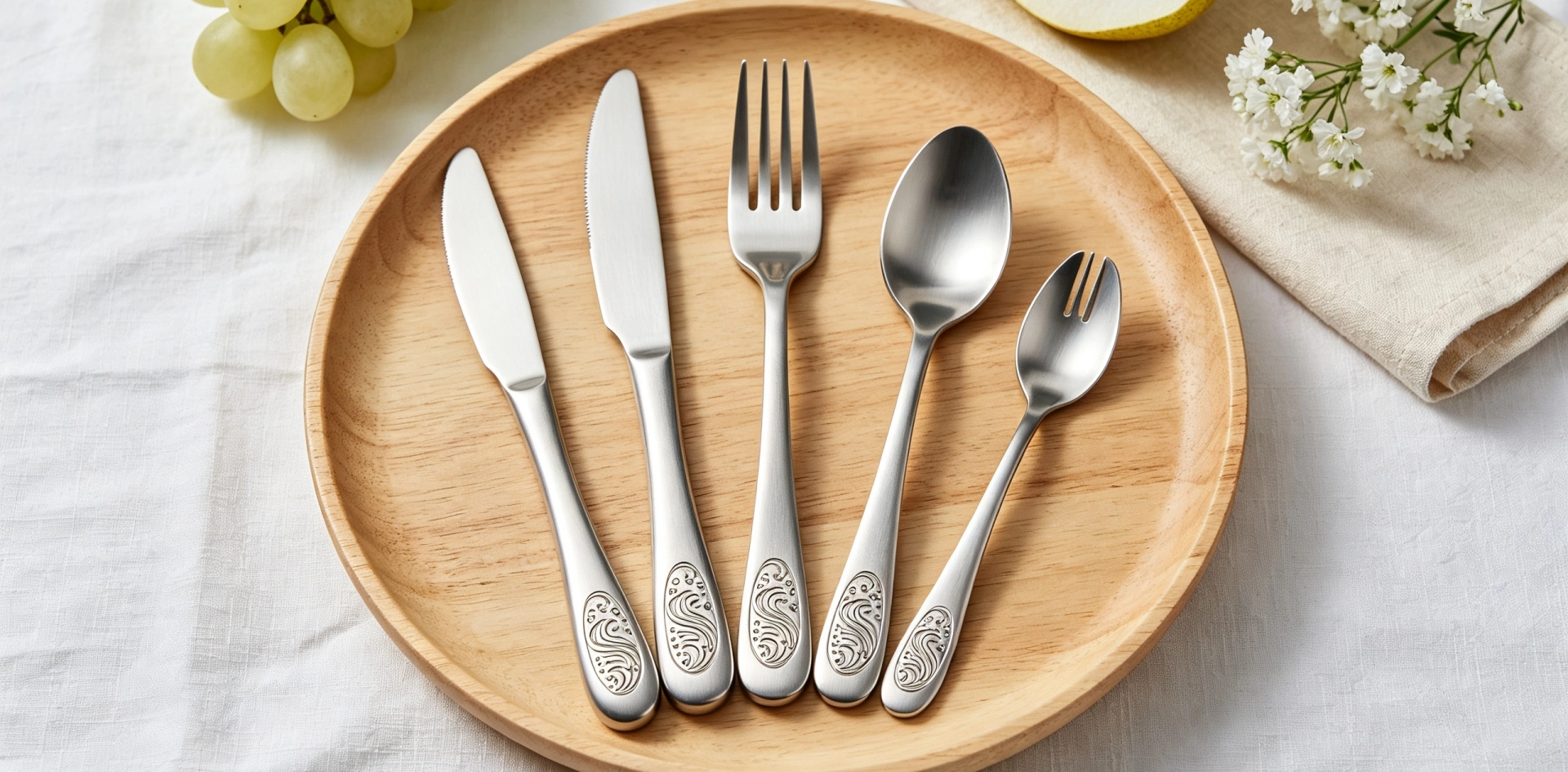
- Mirror
- Satin
- Matte
- Brushed
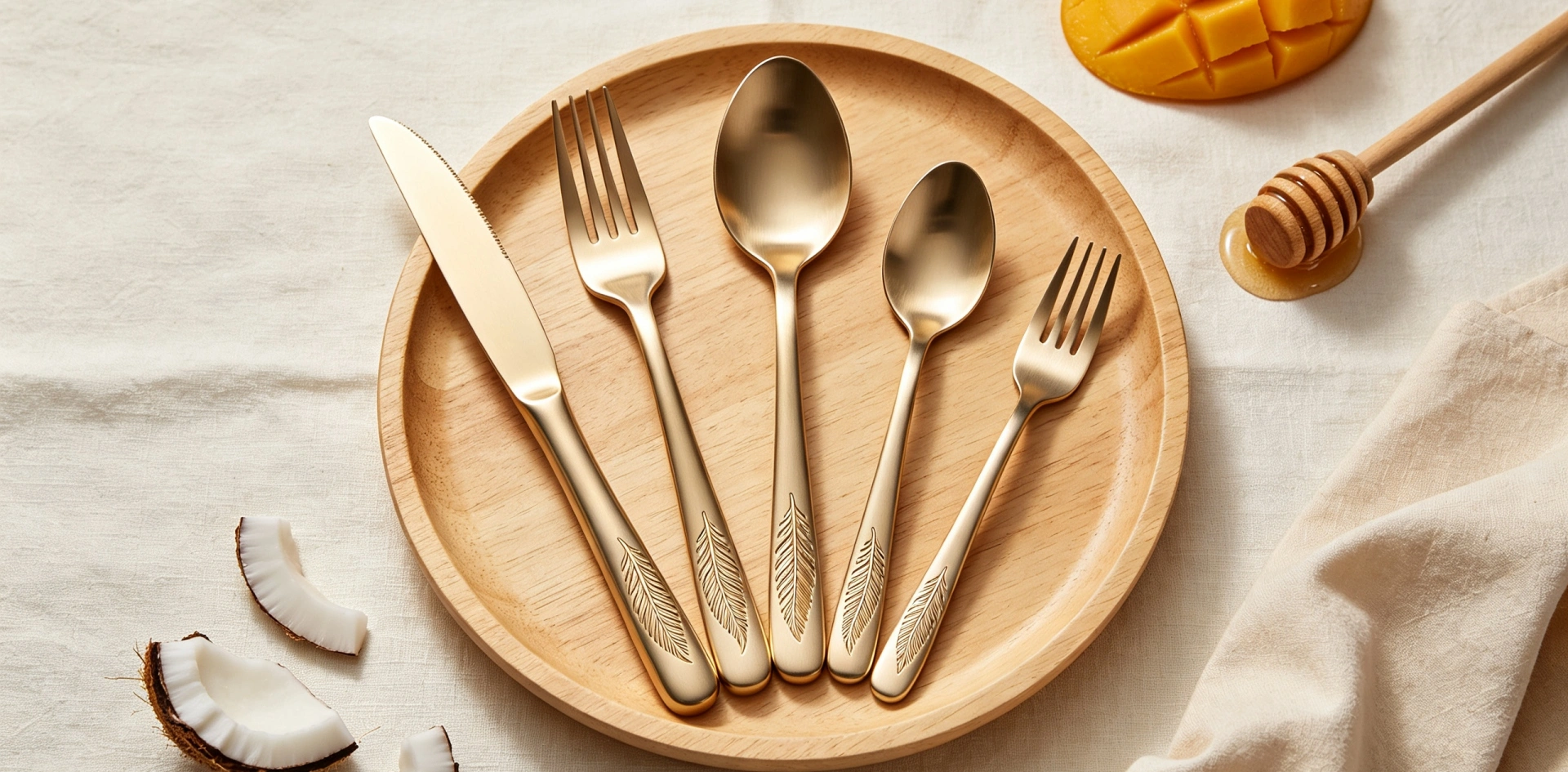
- Decorative finishes
The manufacturer should be able to understand the required appearance and maintain consistency across different products.
For a complete collection, forks, spoons and knives should ideally share the same visual treatment.
Packaging for B2B Orders
Packaging requirements can vary significantly between customers.
A wholesaler may prefer efficient bulk cartons, while a retail brand may require customized consumer packaging.
Possible packaging solutions include:
- Bulk cartons
- Inner boxes
- Sleeves
- Printed boxes
- Custom inserts
- Export cartons
The packaging should protect the products while matching the customer's sales channel.
OEM and ODM Cutlery
OEM and ODM projects can provide more flexibility for B2B customers.
OEM projects may involve producing products according to the buyer's specifications.
ODM projects can involve selecting or developing products with the manufacturer's design and production capabilities.
These models can be useful for:
- Retail brands
- Wholesalers
- Restaurant suppliers
- Hospitality businesses
- E-commerce companies
The project requirements should be established clearly before sampling and production.
Communication With the Manufacturer
Clear communication is one of the most practical parts of international purchasing.
A buyer should provide as much product information as possible, including:
- Product drawings
- Dimensions
- Material
- Finish
- Quantity
- Packaging
- Target market
- Delivery requirements
The clearer the information, the easier it is for the manufacturer to prepare a suitable quotation and sample.
Sample Approval
A sample provides an opportunity to confirm the actual product before mass production.
Buyers can evaluate:
- Shape
- Weight
- Material
- Finish
- Handle comfort
- Overall appearance
For customized products, the sample can become the production reference after approval.
This step can help reduce misunderstandings during larger orders.
Long-Term Supply
For B2B customers, the first order is often only the beginning.
A reliable manufacturer should be able to support future purchasing with consistent specifications.
This is particularly important for products that are sold continuously through:
- Retail stores
- E-commerce channels
- Distribution networks
- Restaurant supply businesses
Maintaining the same product specifications can make future replenishment easier.
Homefelt Stainless Steel Manufacturing
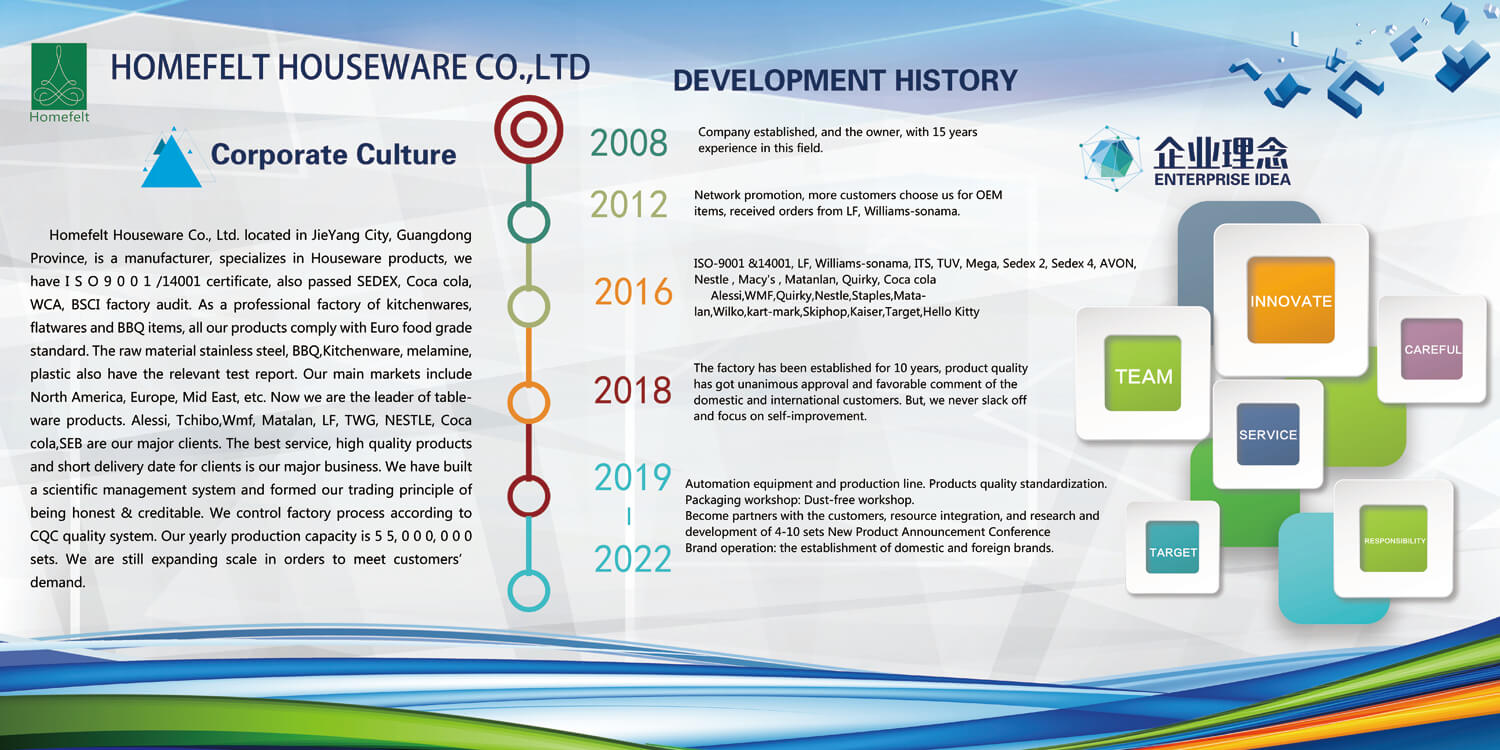
Homefelt has more than 30 years of experience in stainless steel manufacturing.
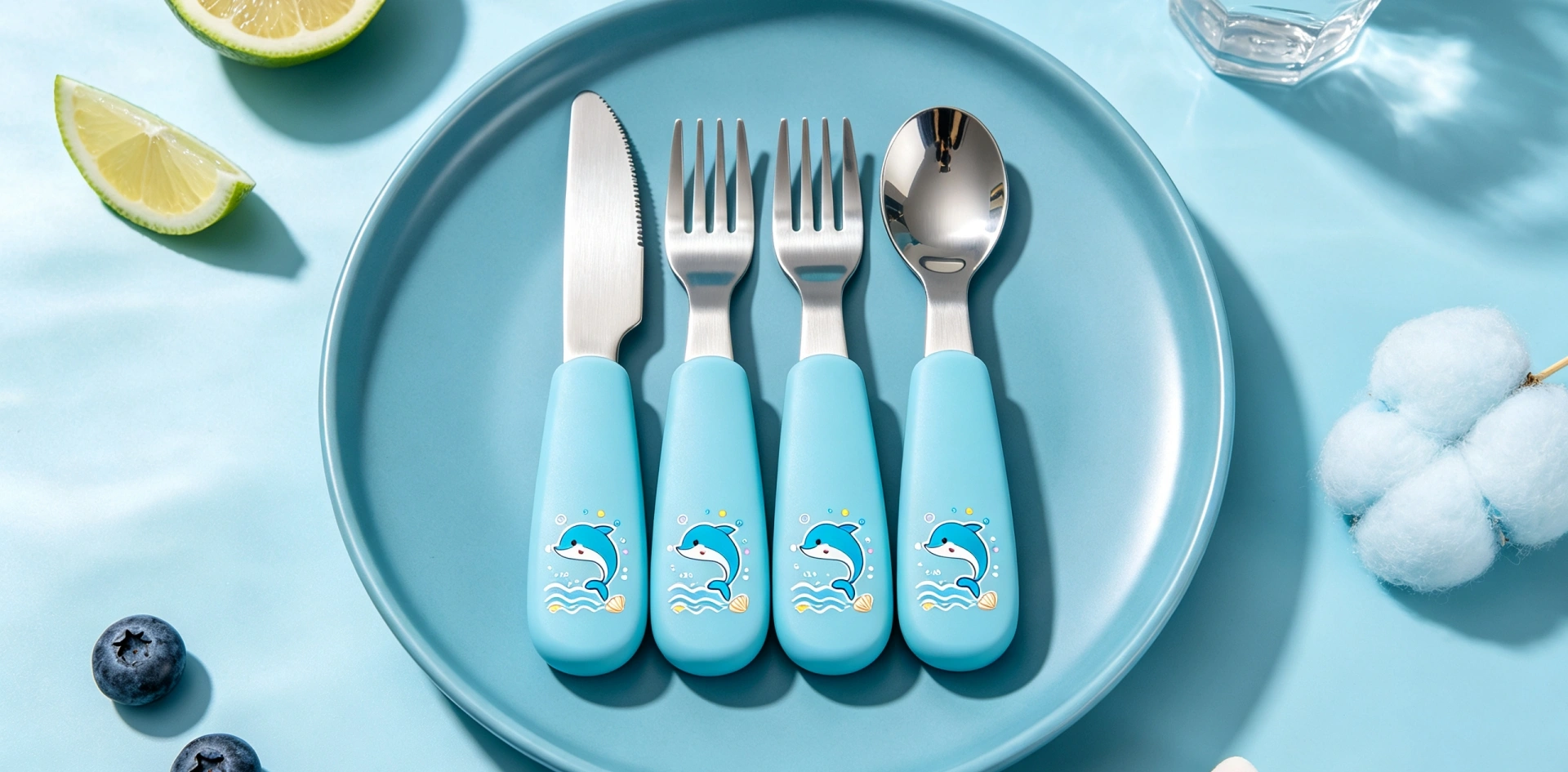
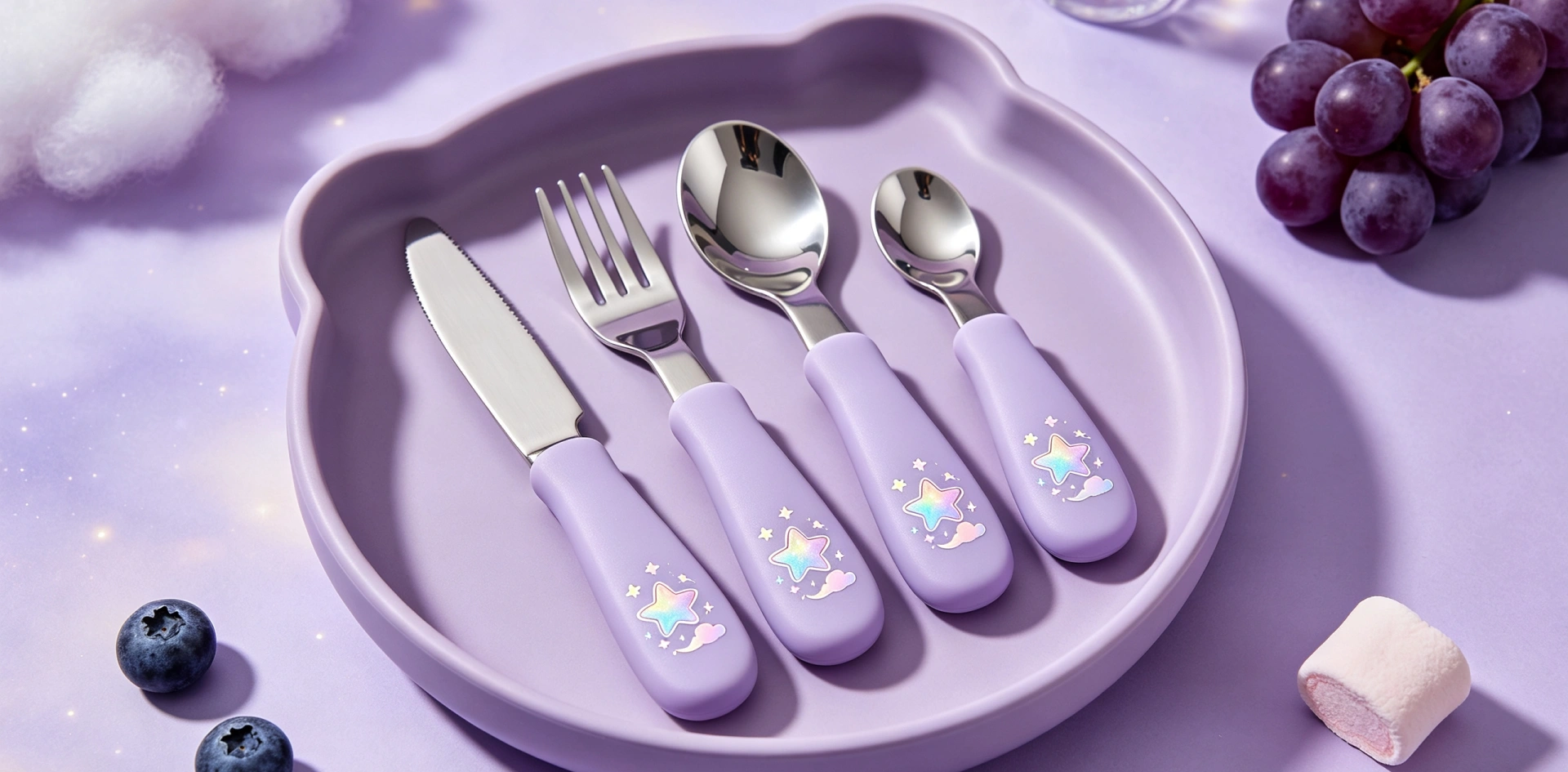
The factory produces a wide range of stainless steel products, including cutlery, kitchenware, tableware, BBQ tools, pet bowls and children's tableware.
For international B2B customers, Homefelt can support standard and customized stainless steel product projects.
Depending on the project, customers can discuss product design, material, dimensions, weight, surface finish, logo customization and packaging.
The combination of manufacturing experience and product range allows buyers to discuss different product requirements with one manufacturing partner.
What to Prepare Before Contacting a Factory
Before requesting a quotation, buyers can prepare a simple specification sheet.
Include:
- Product type
- Product quantity
- Stainless steel grade
- Dimensions
- Weight
- Surface finish
- Logo requirements
- Packaging
- Sample requirements
- Expected delivery schedule
Providing these details can make the initial discussion much more efficient.
Conclusion
Choosing a stainless steel cutlery factory is an important decision for B2B buyers planning wholesale, OEM or long-term supply.
Manufacturing experience, material control, product development, finishing capability, quality consistency and production capacity should all be considered before selecting a supplier.
For businesses that need standard products, customized designs or repeat production, a direct relationship with an experienced manufacturer can make product development and purchasing more efficient.
With more than 30 years of stainless steel manufacturing experience, Homefelt provides stainless steel cutlery and other kitchen and dining products for international B2B customers.
A clear product specification, approved sample and consistent production process can provide a strong foundation for long-term cooperation.
Related Topics for Your Content Matrix
How to Choose the Right Stainless Steel Cutlery Supplier
What Is the Best Stainless Steel Grade for Cutlery
Stainless Steel Cutlery Quality Control: What Buyers Should Check
OEM vs ODM Stainless Steel Cutlery: Which Is Right for Your Business
How to Develop a Custom Stainless Steel Cutlery Collection
Stainless Steel Cutlery Packaging for Wholesale Orders

Stainless Steel Cutlery Quality Control and Inspection Guide
Commercial Stainless Steel Cutlery for Foodservice
Related Article