
Stainless Steel Cutlery Final Inspection Before Shipment for B2B Orders
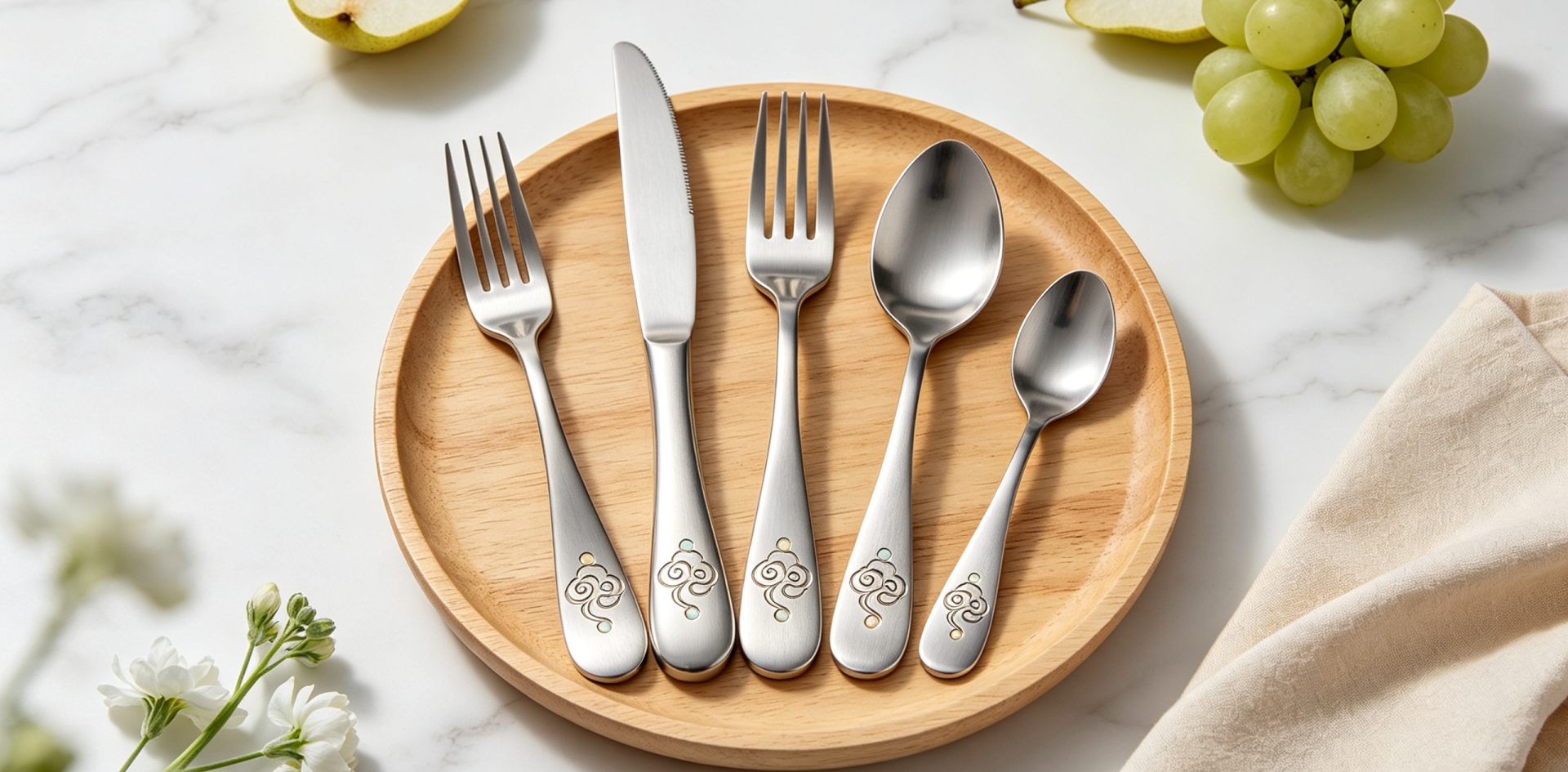
Stainless Steel Cutlery Final Inspection Before Shipment for B2B Orders
For buyers ordering stainless steel knives, forks, spoons, and cutlery sets in bulk, final inspection is an important step before products leave the factory. A product may have already passed sampling and production checks, but the final inspection provides one more opportunity to confirm that the finished goods match the approved requirements.
For distributors, restaurant suppliers, hotel projects, retailers, and private label brands, consistency across a large shipment is often more important than checking only one individual piece. The purpose of final inspection is therefore to review the finished stainless steel cutlery as a complete commercial order and confirm that the shipment is ready for delivery.
At Homefelt factory, product quality control can be connected with the customer's approved specifications, samples, packaging requirements, and order details. This provides a practical reference for checking knives, forks, spoons, and complete cutlery sets before shipment.
What Should Be Checked Before Stainless Steel Cutlery Shipment?
A final inspection should focus on the product characteristics that were agreed during the project.
The first point is product identity. The inspection team needs to confirm that the finished goods correspond to the correct model, size, design, quantity, and product combination. This is particularly important when several similar cutlery designs are produced for the same customer.
For a cutlery set, the correct number of knives, forks, spoons, or additional pieces should be confirmed according to the approved set composition. Different models should not be mixed during packing.
The second point is overall appearance. Stainless steel cutlery should have a consistent appearance throughout the shipment. Inspectors can check for visible scratches, dents, deformation, obvious surface marks, polishing irregularities, or other defects that could affect the commercial presentation of the products.
The third point is structural condition. Knives, forks, and spoons should maintain the required shape and construction defined by the approved sample. The inspection should pay attention to abnormal bending, loose or damaged areas, uneven transitions, and other visible conditions that are inconsistent with the agreed product.
The fourth point is quantity. A shipment may contain thousands of pieces, so quantity control is essential. The factory should verify the packed quantity according to the purchase order and packaging specification.
Appearance Consistency Across Bulk Production
One of the biggest differences between a sample and a bulk shipment is the number of pieces involved.
A buyer may approve several samples during product development, but the final order can contain a much larger quantity. Therefore, the inspection process should not rely on the assumption that every piece will automatically look identical to the approved sample.
For stainless steel cutlery, consistency can include the overall shape, visual proportion, surface appearance, handle appearance, and construction details.
When a customer is developing a private label collection, these details become even more important because the same product may need to be reordered in the future. A consistent inspection standard helps establish a reference that can be used for subsequent production.
The approved sample can serve as a practical visual reference, while documented specifications provide additional information for measurable characteristics. Combining these two references gives the factory a clearer basis for evaluating the finished goods.
Checking Stainless Steel Knives, Forks, and Spoons Separately
Although knives, forks, and spoons are normally sold as one product category, their inspection points are not completely identical.
For stainless steel knives, inspectors can review the overall blade condition, shape, handle connection, surface appearance, and general alignment according to the approved specification.
For stainless steel forks, the head shape, tine arrangement, handle condition, and overall appearance should be consistent with the approved sample.
For stainless steel spoons, the bowl shape, handle condition, overall proportions, and surface appearance can be checked against the agreed product requirements.
When the three pieces are sold as a matching collection, another useful check is the overall coordination between them. The products should look like members of the same collection rather than unrelated individual items.
This is particularly valuable for restaurant tableware, hospitality projects, retail collections, and private label flatware programs where presentation is part of the product value.
Packaging Inspection Is Also Part of the Finished Product
Final inspection should not stop at the individual cutlery pieces.
Packaging can affect whether the products arrive at the customer's warehouse in the same condition in which they left the factory. Therefore, packaging specifications should also be confirmed before shipment.
Depending on the project, inspection may include individual piece protection, set composition, inner packaging, outer cartons, labels, product identification, and carton quantities.
For private label customers, packaging may also contain customized brand information. The correct packaging version should be matched with the correct cutlery model to prevent mixed shipments.
This is especially important when one production order contains several designs, finishes, or packaging versions.
For Homefelt factory, packaging can be coordinated together with product customization. Customers can discuss product design, cutlery specifications, packaging requirements, and transportation arrangements as part of a one-stop service package.
Using Inspection Records for Long-Term B2B Supply
For a one-time purchase, final inspection confirms the condition of one shipment. For long-term customers, inspection records can provide additional value.
When a buyer places a repeat order, previous specifications and quality requirements can be used as a reference for the new production. This can make communication more efficient and help both sides understand which product characteristics are critical.
A documented inspection process can also help identify recurring issues. If a particular product detail repeatedly requires attention, the factory can review the production or inspection procedure and improve the process.
This approach is particularly useful for distributors and brands that purchase stainless steel cutlery regularly. Instead of treating every order as a completely new project, the factory and customer can gradually establish a stable product standard.
Certifications and Factory Documentation
Product inspection is one part of supplier evaluation. Buyers may also want to understand the factory's broader quality and compliance capabilities.
Homefelt has experience working with recognized brands and has passed BSCI, SEDEX 4P, BRC, ISO9001, and Disney audits. The company also has FAMA and FSC certificates.
These certifications and supporting documents can provide additional information when buyers evaluate a supplier for long-term cooperation. They should be considered together with actual product specifications, samples, inspection procedures, production capability, and order communication.
For B2B stainless steel cutlery purchasing, a reliable supplier should be able to explain not only what products it can manufacture, but also how product requirements are controlled from sample development through bulk production and shipment.
Why Final Inspection Matters for Repeat Orders
A successful bulk order should create a reliable reference for the next order.
If the buyer receives knives, forks, and spoons that consistently match the approved sample and agreed specifications, future purchasing becomes easier. Product models can be identified more quickly, packaging requirements can be repeated, and new quantities can be discussed with fewer uncertainties.
This is one reason why final inspection should be treated as part of the complete B2B service rather than simply a final formality before loading a container.
Homefelt factory supports OEM, ODM, wholesale, private label, and large-volume stainless steel cutlery projects. The team can work with customers to confirm product requirements, develop samples, organize production, coordinate packaging, and arrange transportation.
For customers with different market requirements, the factory can also customize an exclusive service package based on the product, order quantity, packaging needs, and delivery arrangement.
The goal is to provide customers with a practical one-stop solution for stainless steel knives, forks, spoons, and cutlery sets while building a stable foundation for long-term cooperation.
Stainless Steel Cutlery Batch Traceability for Reliable B2B Supply
Stainless Steel Cutlery Measurement Tolerances for Consistent B2B Orders
Related Article



