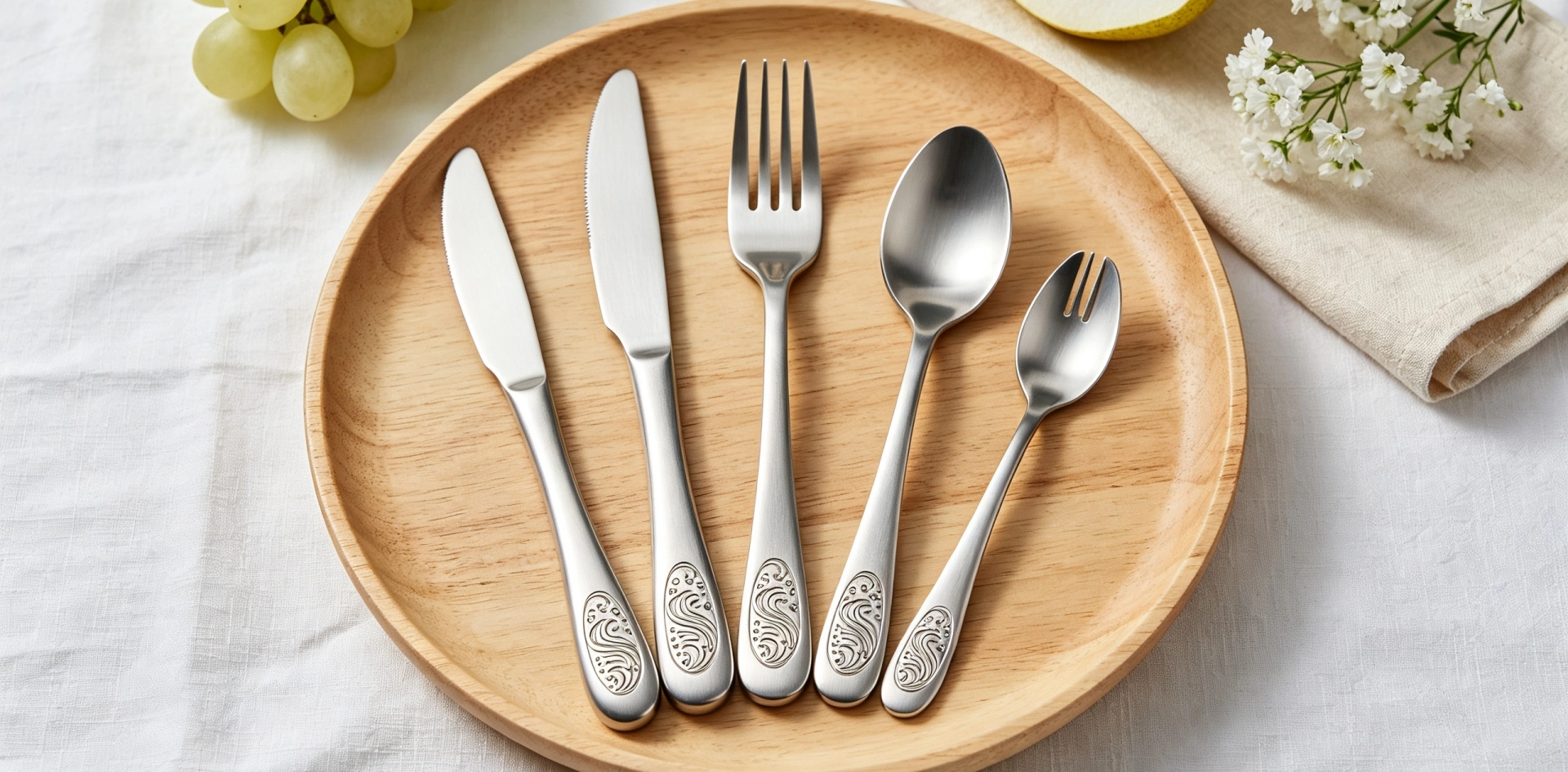
Stainless Steel Cutlery for Retail Brands and Wholesale Buyers
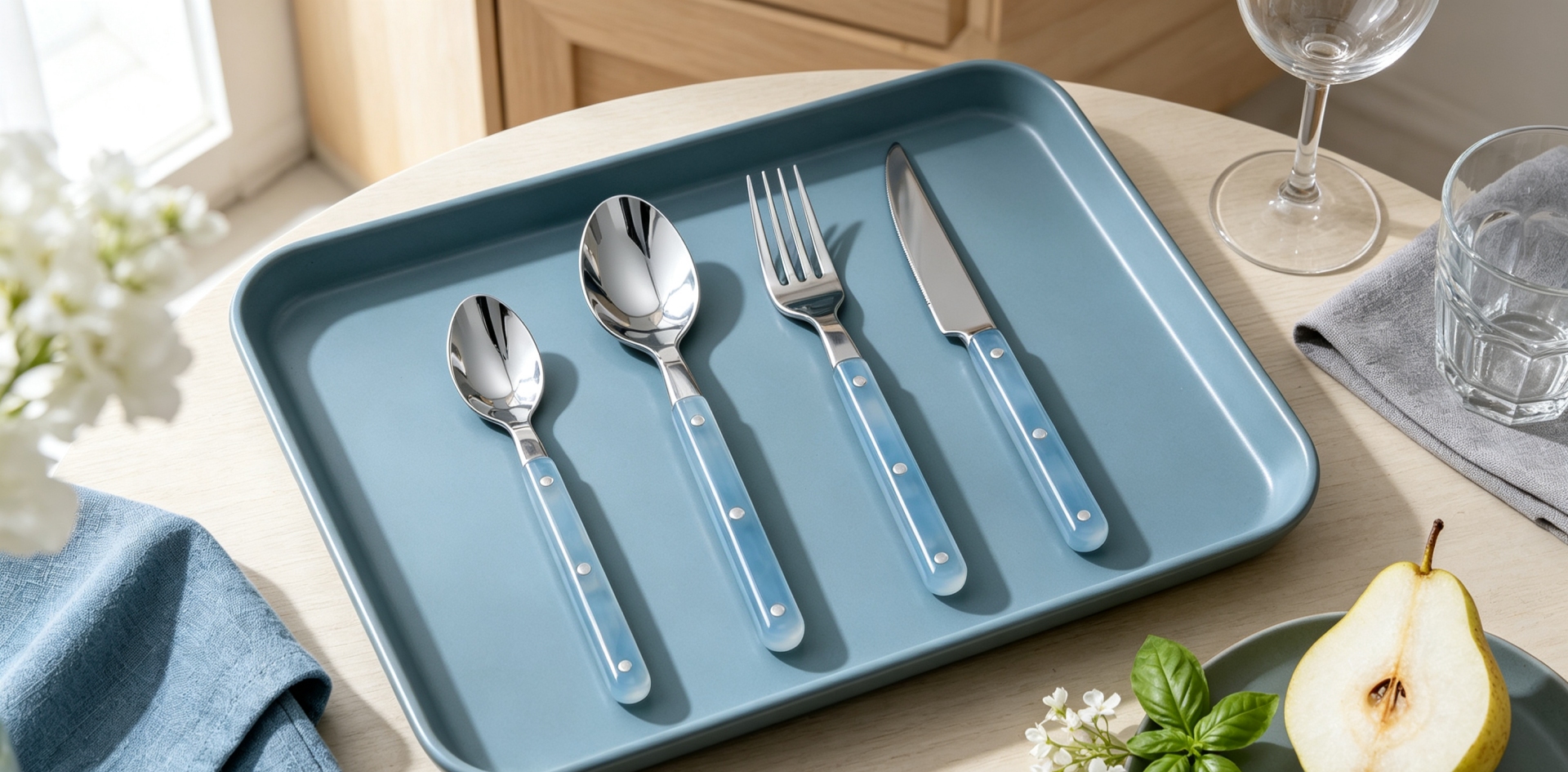
Stainless Steel Cutlery for Retail Brands and Wholesale Buyers
Retail cutlery needs to work well both as a product and as part of a store's overall product selection. Customers often make their first decision based on appearance, packaging and product information before they have an opportunity to use the cutlery.
For retail brands, wholesalers and distributors, this means product development should consider both the end user and the purchasing process.
A suitable stainless steel cutlery collection should offer a clear product style, practical specifications and packaging that fits the intended sales channel.
What Retail Buyers Look for in Cutlery
Retail buyers usually evaluate several factors before adding a new cutlery collection.
These may include:
- Product design
- Stainless steel material
- Product weight
- Surface finish
- Set configuration
- Packaging
- Target price
- Order quantity
- Reorder availability
A product does not necessarily need to be highly complicated to stand out. A well-designed collection with clear positioning can be easier for customers to understand.
Choosing the Right Product Style
Retail stores may serve different customer groups, so the product style should match the target market.
Simple stainless steel cutlery can suit everyday household use.
Modern designs with clean lines may appeal to customers looking for contemporary tableware.
More decorative collections can work well for traditional dining or gift-oriented products.
Premium products may focus on heavier construction, refined finishing and distinctive packaging.
The key is to make sure the product design matches the expected customer and selling environment.
Stainless Steel Material
Material is an important part of product positioning.
Common stainless steel options for cutlery include 18/10, 18/8 and 18/0.
Retail buyers should clearly define the required material before developing product packaging and product descriptions.
The material specification should also remain consistent between the approved sample and mass production.
For products intended for long-term retail sales, stable specifications can make future replenishment much easier.
Product Weight and Feel
Customers can often notice the weight of cutlery when they first pick it up.
A lightweight collection can provide a practical option for everyday dining.
A heavier collection may create a more substantial impression and can be positioned toward premium tableware buyers.
Retail brands should evaluate the complete set rather than considering the weight of one product in isolation.
Forks, knives and spoons should feel compatible when used together.
Choosing Between Individual Pieces and Sets
Retail products can be sold as individual pieces or complete sets.
Individual pieces provide flexibility for customers who want to replace specific items.
Sets can provide a more complete tableware solution and may be easier to present as a coordinated collection.
Common set configurations include:
- 4-piece sets
- 16-piece sets
- 20-piece sets
- Larger family sets
The right configuration depends on the target market and retail channel.
Designing a Complete Collection
A retail collection should have a consistent visual language.
The fork, knife and spoon should share compatible:
- Handle proportions
- Surface finish
- Material
- Overall style
Additional pieces can be introduced according to customer needs.
For example, a collection may later include dessert forks, teaspoons or serving utensils.
This creates opportunities to expand an established product range without changing its overall identity.
Surface Finish and Retail Appeal
The surface finish can influence the way stainless steel cutlery looks under store lighting and in product photographs.
Mirror-polished cutlery provides a bright and traditional appearance.
Satin and brushed finishes offer a softer look.
Matte surfaces can create a more contemporary style.
For retail brands, the finish should be evaluated both in person and in product photography because the appearance may differ between physical stores and online sales channels.
Packaging for Retail Cutlery
Packaging is particularly important for retail products.
The customer may see the package before seeing the actual cutlery.
A good package should protect the products while communicating basic product information.
Depending on the product, packaging may include:
- Product name
- Brand logo
- Product quantity
- Material information
- Product images
- Care information
- Barcode
The packaging design should also fit the expected shelf or display environment.
Private Label Retail Cutlery
Private label products allow retailers and distributors to build their own branded collections.
The product itself can be based on an existing design or developed specifically for the brand.
Customization may include:
- Handle details
- Surface finish
- Logo
- Set configuration
- Packaging
For a new private label project, starting with a small number of well-defined products can make product management easier.
Once demand becomes established, additional products can be added to the same collection.
Retail Cutlery for Different Sales Channels
The same cutlery product may require different presentation depending on where it is sold.
A department store may prefer premium packaging.
A supermarket may prioritize clear product information and efficient shelf presentation.
An online retailer may need packaging that protects the product during parcel delivery.
Wholesale customers may prefer bulk cartons for distribution to multiple stores.
Understanding the final sales channel helps determine the most suitable packaging and product configuration.
Product Photography and Physical Samples
For retail brands, product appearance is often communicated through photographs.
However, product images should be based on an approved physical sample.
The sample allows the buyer to confirm:
- Product shape
- Finish
- Handle details
- Weight
- Overall appearance
Once the product is approved, photographs and packaging can be developed around the actual production specification.
Managing Retail Inventory
Retail buyers need to balance product availability with inventory investment.
Too little stock can lead to missed sales.
Too much inventory can occupy warehouse space and reduce purchasing flexibility.
Before launching a new cutlery collection, buyers should consider:
- Expected sales
- Seasonal demand
- Product range size
- Reorder time
- Warehouse capacity
Starting with a focused collection can make it easier to understand which products perform best.
Repeat Orders and Product Consistency
For successful retail products, repeat purchasing is essential.
A customer who returns to purchase another set expects the new product to match the previous one.
Manufacturers should therefore maintain the agreed specifications for:
- Material
- Dimensions
- Weight
- Finish
- Handle design
- Packaging
An approved sample and clear product specification can help maintain consistency between different production runs.
Developing a Retail Cutlery Collection With a Manufacturer
Retail brands may provide an existing product, drawing, sample or design concept to a manufacturer.
The manufacturer can then evaluate the requirements and develop a suitable production sample.
For customized products, this process may involve several adjustments before the final design is approved.
Homefelt has more than 30 years of stainless steel manufacturing experience and produces stainless steel cutlery together with kitchen and dining products, BBQ tools, pet bowls and children's tableware.
For international B2B customers, Homefelt supports standard products as well as customized designs and private label projects.
Product specifications, finishes, logos and packaging can be discussed according to the requirements of the retail market.
Preparing a Retail Cutlery Project
Before requesting a quotation, buyers can prepare:
- Target customer
- Product type
- Stainless steel grade
- Product dimensions
- Approximate weight
- Surface finish
- Set configuration
- Logo requirements
- Packaging requirements
- Estimated order quantity
This information gives the manufacturer a clearer understanding of the project.
Building a Long-Term Retail Product Line
A successful retail cutlery collection can become more than a single product.
Once the core design has established a market position, related products can be developed using the same style.
For example, a basic collection can later expand into:
- Serving utensils
- Dessert cutlery
- Teaspoons
- Steak knives
- Additional cutlery sets
Keeping the overall design consistent helps create a recognizable product family.
Conclusion
Stainless steel cutlery for retail needs to balance product quality, visual appeal and practical purchasing requirements.
Retail brands and wholesale buyers should consider material, design, weight, finish, set configuration, packaging and future replenishment before launching a new collection.
Private label customization can provide additional flexibility for brands that want their own product identity, while standard products can offer a simpler starting point for testing demand.
With more than 30 years of stainless steel manufacturing experience, Homefelt works with international retail brands, wholesalers and distributors on stainless steel cutlery and other stainless steel products.
A clear product specification, physical sample and suitable packaging can provide a strong foundation for a retail collection designed for long-term supply.
Related Topics for Your Content Matrix
How to Develop a Private Label Stainless Steel Cutlery Collection
Stainless Steel Cutlery Set Packaging for Retail Brands
How to Choose Stainless Steel Cutlery for E-commerce
How to Select Stainless Steel Cutlery for Different Price Levels
Custom Stainless Steel Cutlery for Retail Products
How to Build a Stainless Steel Cutlery Product Collection


Stainless Steel Cutlery for E-commerce and Online Retail
Stainless Steel Cutlery for Catering and Event Services
Related Article