
Stainless Steel Cutlery Handle Taper for B2B Custom Designs
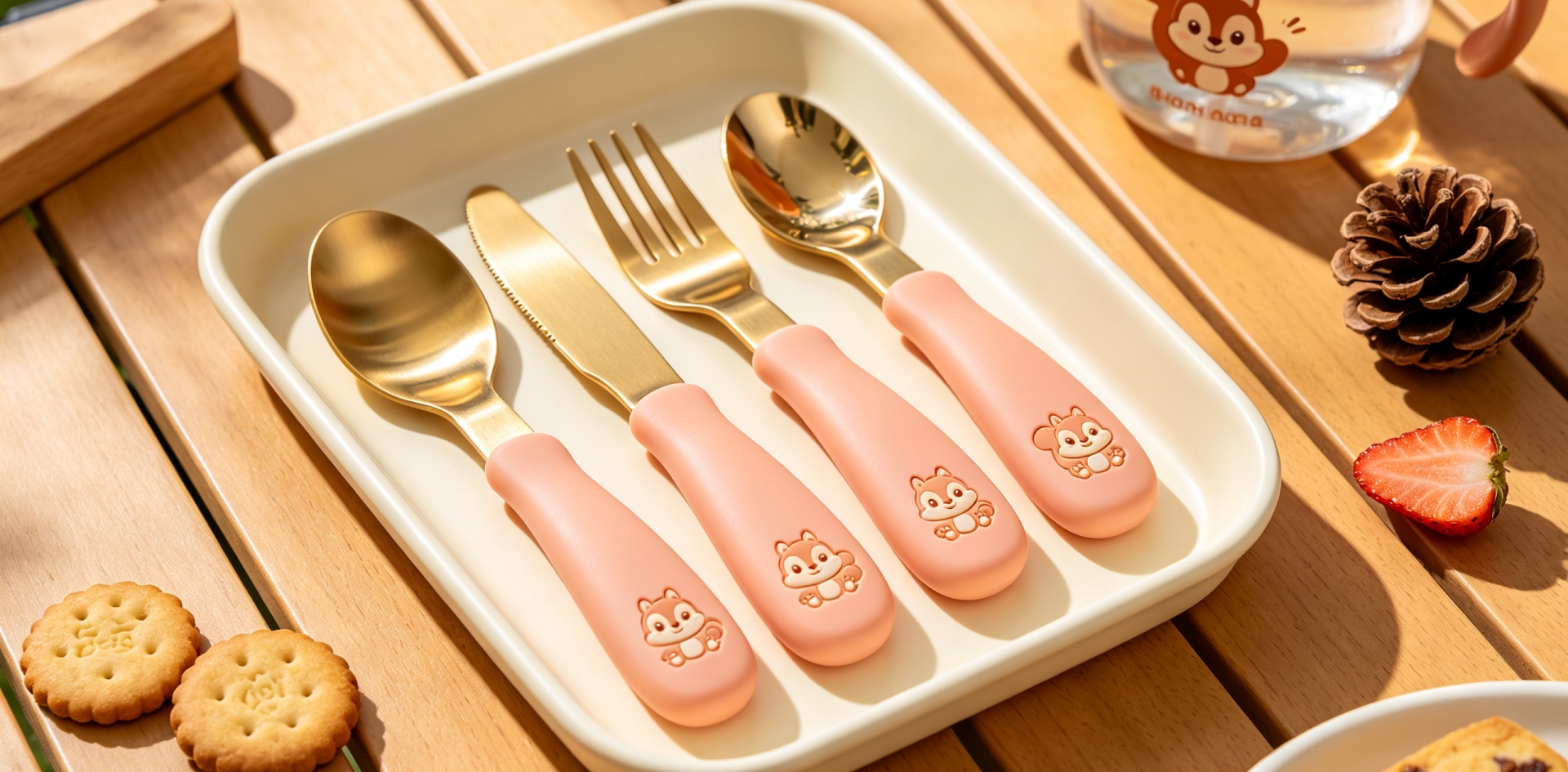
Stainless Steel Cutlery Handle Taper for B2B Custom Designs
The handle is one of the most noticeable parts of stainless steel cutlery, and its shape has a direct influence on how a knife, fork or spoon looks and feels in the hand. One design detail that deserves attention during custom development is handle taper.
Handle taper describes the gradual change in handle width along its length. Instead of maintaining exactly the same profile from the front to the end, a tapered handle can become slightly narrower or wider as it approaches different sections. This small adjustment can change the overall character of a stainless steel cutlery piece without requiring a complicated decorative design.
For B2B buyers developing custom flatware, understanding handle taper can help create products with a more controlled appearance and a more consistent relationship between different cutlery pieces.
Why Handle Taper Matters in Stainless Steel Cutlery
A completely straight handle can create a clean and simple appearance, while a tapered handle can introduce a more distinctive sense of proportion. The amount and direction of taper can influence how the handle visually connects with the working part of the knife, fork or spoon.
Because the handle occupies a significant portion of the product, even a subtle change can be visible when multiple pieces are placed together.
For a custom stainless steel cutlery collection, handle taper can therefore become part of the design language. It can help distinguish one collection from another while keeping the basic construction practical for production.
Handle Taper and Grip Comfort
Handle shape is closely connected with the way a piece of flatware sits in the hand. A gradual taper can influence where the fingers naturally contact the handle and how the product feels when it is held.
The goal is not simply to make the handle narrower or wider. The transition should work with the complete handle shape, edge treatment, thickness and overall length.
A well-coordinated profile can provide a more natural feeling grip without relying on additional materials or complicated surface decoration. This is particularly useful for stainless steel cutlery because the handle itself can provide both functional and visual character.
Different Taper Directions
There are several ways to approach handle taper in stainless steel cutlery design.
A handle can gradually become narrower toward the end, creating a more streamlined appearance. Another design can maintain a stronger rear section while becoming slightly narrower toward the working end. Some collections use a very subtle taper that is difficult to notice from a distance but becomes apparent when the product is held.
The appropriate direction depends on the intended design language and the relationship between the handle and the working section.
For OEM and ODM projects, these details can be adjusted according to the buyer's drawings, reference samples or existing product style.
Coordinating Knife, Fork and Spoon Handles
Handle taper becomes particularly important when a complete cutlery set is being developed.
The knife, fork and spoon do not need to have identical handles, because each piece has a different functional structure. However, their handle proportions should normally share recognizable characteristics.
For example, the same general taper direction, end shape and visual rhythm can be applied across the three pieces. This creates a coordinated collection while allowing each product to retain its own functional requirements.
For B2B brands, this approach can make a cutlery collection look intentionally designed rather than simply assembled from individual products.
Handle Taper and Visual Balance
A stainless steel cutlery piece can look noticeably different depending on where the handle becomes wider or narrower.
If too much visual weight is concentrated at one end, the product may appear unbalanced. A carefully controlled taper can distribute the visual mass more naturally along the handle.
This is especially noticeable when the cutlery is placed flat on a table or displayed as a complete set. The handle profile contributes to the overall silhouette, so its proportions should be considered together with the knife blade, fork head or spoon bowl.
Custom Handle Taper for Private Label Cutlery
For private label flatware projects, handle taper can be used as one of the recognizable characteristics of a collection.
A buyer may already have a preferred handle concept but want the profile modified for a particular product range. In this case, the manufacturer can review the proposed taper together with the remaining specifications.
Reference drawings are useful because they allow the intended profile to be communicated more accurately. If a buyer only has a physical sample or visual reference, the factory can also evaluate the sample and discuss which handle characteristics should be retained or modified.
The important point is to confirm the final handle profile before mass production so that the finished products follow the approved design.
Production Consistency of Tapered Handles
Once a tapered handle has been approved, consistency becomes an important part of the finished product.
The same design should maintain its intended profile across production quantities. Differences in forming or finishing can change the visual appearance of the handle, especially when several pieces are placed side by side.
For B2B orders, consistent handle taper is therefore not only a design consideration but also part of maintaining a stable product specification.
When a collection includes knives, forks and spoons, each individual piece should also maintain the agreed relationship between its handle and working section.
Choosing the Right Handle Taper for a Cutlery Collection
There is no single taper that fits every stainless steel cutlery design. A minimalist collection may benefit from a restrained and nearly straight profile, while a more expressive collection may use a more visible change in width.
The best approach is to evaluate the handle as part of the complete product. Buyers can consider the grip, visual proportion, connection with the working section and consistency with the other pieces in the collection.
A small adjustment to the handle profile can sometimes create a significant difference in the finished appearance.
Homefelt Factory for Custom Stainless Steel Cutlery
Homefelt factory specializes in stainless steel knives, forks, spoons and complete cutlery sets for B2B customers. The factory supports OEM, ODM, private label and wholesale production, allowing buyers to develop cutlery according to their own product concepts.
For custom projects, handle details such as taper, profile, material, finish and overall proportions can be discussed together with the knife, fork or spoon design. Buyers can provide drawings, samples or reference products so the required specifications can be reviewed before production.
This approach allows a custom flatware collection to maintain a consistent design language while preserving the practical characteristics required for stainless steel cutlery.
Stainless Steel Cutlery Handle Thickness for B2B Custom Designs
Stainless Steel Knife Blade Width for Custom B2B Cutlery
Related Article



