
Stainless Steel Cutlery Handle Texture: A Practical Detail for B2B Custom Projects
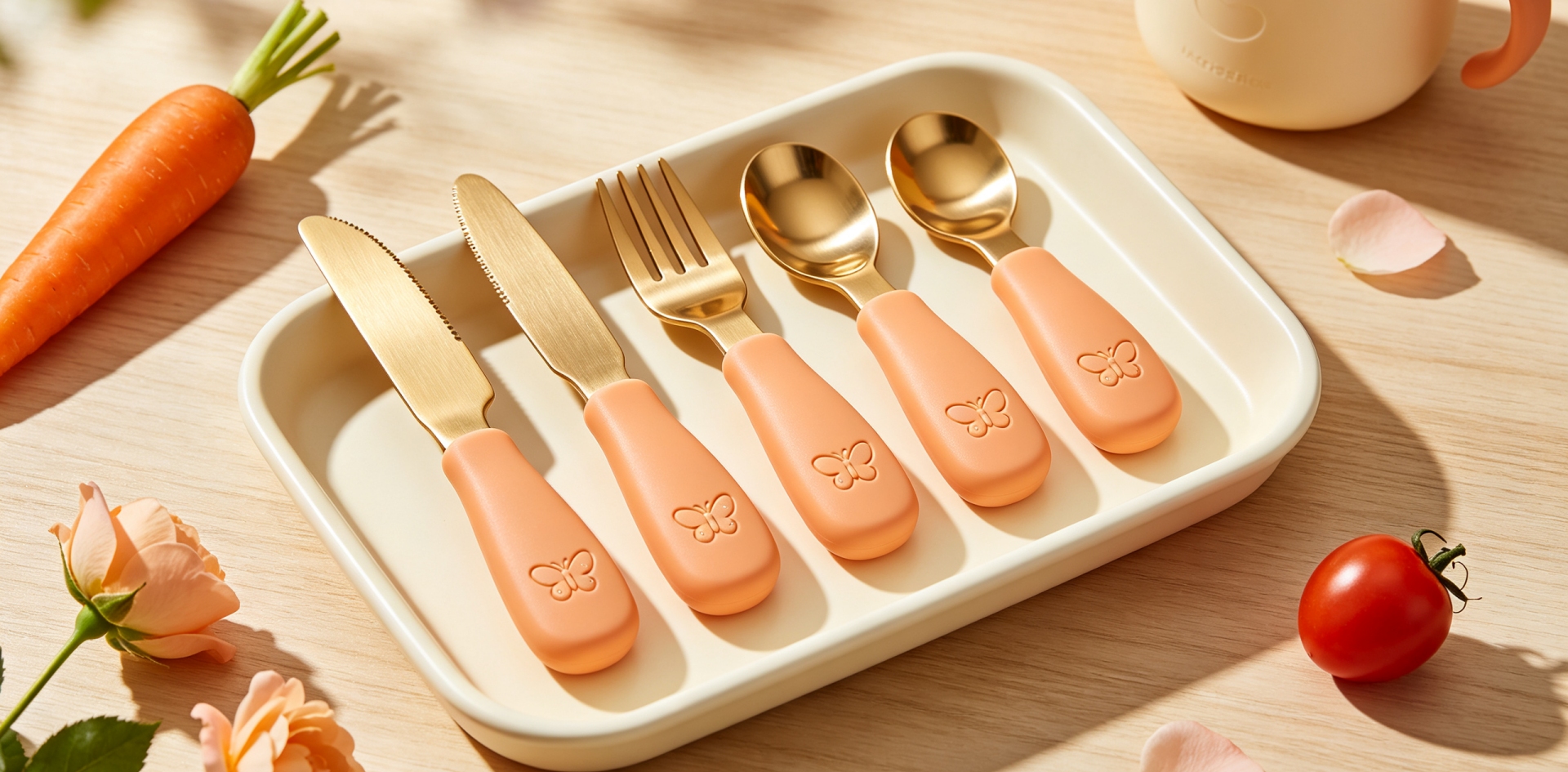
Stainless Steel Cutlery Handle Texture: A Practical Detail for B2B Custom Projects
When developing a custom stainless steel cutlery collection, buyers often focus on the overall shape of the handle, the material, and the surface finish. One smaller detail can also make a noticeable difference: handle texture.
The texture of a cutlery handle can influence how the product looks, how it feels in the hand, and how distinctive the collection appears. For a B2B brand, this detail can become part of the product identity, particularly when the goal is to create a private label range rather than simply purchase a standard design.
At the same time, a decorative or textured handle needs to be suitable for manufacturing in quantity. A design that looks attractive in a concept drawing still needs to be translated into a practical production solution.
For OEM and custom flatware projects, handle texture is therefore worth discussing early with the manufacturer.
Why Handle Texture Matters
A smooth stainless steel handle gives a different visual impression from one with a relief pattern, brushed effect, decorative lines, or other surface details.
Texture can be used to create a more distinctive appearance without completely changing the basic shape of the cutlery. This can be useful for brands that want their collection to have a recognizable design element.
For example, a simple handle can be made visually more interesting through subtle lines or a controlled decorative pattern. A more detailed texture can create a stronger design statement for a premium-oriented collection.
The important point is that the texture should support the overall design rather than appear as an isolated decoration.
Texture and the Feel of the Product
Cutlery is a product that people hold directly, so the handle is experienced not only visually but also physically.
The surface structure can influence how the handle feels when picked up and used. Depending on the design, a texture may create a different tactile sensation from a completely smooth surface.
For a B2B buyer developing a new collection, this means the handle should be considered as part of the overall user experience.
A manufacturer can help assess whether the proposed texture is practical for the intended product and production method.
Different Textures Create Different Product Styles
There is no single texture that works for every stainless steel cutlery collection.
A brand may prefer a very subtle pattern that remains understated, while another may want a stronger decorative effect. Some collections may use texture to emphasize a contemporary design, while others may combine a traditional silhouette with a small decorative detail.
The choice can also depend on the intended market and price positioning.
For wholesale products, a controlled and practical texture may be preferred because it needs to work across a larger sales range. For a private label collection, the brand may be more interested in creating a distinctive visual feature.
This is why the texture should be selected together with the rest of the product concept.
How Texture Affects the Manufacturing Process
From a manufacturing perspective, adding texture to a handle can introduce additional requirements.
The manufacturer needs to understand the depth, shape, location and pattern of the proposed texture. The design also needs to be compatible with the forming and finishing processes used for the product.
A simple decorative line may have different production requirements from a more complex three-dimensional relief pattern.
For B2B projects, these details should ideally be discussed before the final design is approved. This gives the manufacturer an opportunity to evaluate the proposed solution and identify any changes that could make production more practical.
A design that can be reproduced consistently is particularly important when the customer plans a large quantity or expects regular reorders.
Using Reference Samples
A reference sample can be extremely useful when discussing handle texture.
If a buyer has seen a texture on another product that matches the desired appearance, the sample or photograph can help communicate the idea. However, the reference does not necessarily need to be copied exactly.
The customer can use it to explain the desired visual effect while asking the manufacturer to develop a suitable version for stainless steel cutlery.
For OEM projects, this approach can make communication more efficient because both sides have a concrete starting point.
Texture Should Work With the Surface Finish
Handle texture and overall surface finish should not be considered separately.
The same texture can look different depending on how the stainless steel surface is finished. A highly reflective surface can emphasize certain details, while a more subdued finish can create a softer visual effect.
When developing a private label collection, the relationship between these elements can help create a more coherent product.
For this reason, a buyer should ideally communicate the desired texture and finish together when requesting a sample.
Consistency Across a Cutlery Collection
If a brand is developing several pieces, the handle texture should normally be considered across the entire range.
A knife, fork and spoon may have different functional shapes, but their handles can share the same visual language. This creates a stronger connection between the products.
For larger collections, the same principle can be applied across multiple SKUs.
The texture does not necessarily have to be identical in every technical detail. What matters is that the products look like they belong to the same design family.
This can be especially useful for brands selling complete flatware sets or several related collections.
Texture and Product Positioning
Design details can also influence how a product is positioned in a customer's catalogue.
A basic smooth handle may be suitable for a broad commercial range. A more distinctive texture may help a brand create a collection with a stronger visual identity.
Neither approach is universally appropriate. The right choice depends on the product concept, target market, expected price level and sales channel.
For B2B buyers, the practical question is not simply whether a texture looks attractive. It is whether the texture supports the commercial purpose of the product while remaining suitable for the planned production volume.
Consider Cleaning and Daily Use
Because stainless steel cutlery is used repeatedly, the surface structure should also be considered from a practical perspective.
A texture should not be selected purely because it looks interesting in a photograph. Its shape, depth and location can affect how the product behaves during everyday cleaning and handling.
For products intended for foodservice, hospitality or other demanding commercial environments, practical considerations can be especially important.
A manufacturer can help the buyer evaluate whether a proposed decorative detail is appropriate for the intended application.
What B2B Buyers Should Include in an Inquiry
If you are looking for a manufacturer to develop textured stainless steel cutlery, your initial inquiry can include several simple pieces of information.
Start with the type of cutlery required and the approximate order quantity. Then provide any available information about material, dimensions, surface finish and handle design.
If the texture is based on an existing product, add photographs or a physical reference if available. If you already have a drawing, indicate the approximate location and appearance of the texture.
It is also useful to explain whether the project is for an OEM product, a private label collection, or a wholesale range.
These details give the manufacturer a clearer understanding of the project and make it easier to discuss the next step.
From Concept to Custom Sample
For a new cutlery design, the sample stage is where the visual idea becomes a physical product.
A sample allows the buyer to examine the handle texture together with the actual shape, proportions and surface finish. It can also reveal details that are difficult to judge from a drawing alone.
If adjustments are needed, they can be discussed before the product moves into bulk manufacturing.
This process is particularly useful for brands developing their own flatware collection because the final product needs to represent the original design concept while remaining suitable for repeated production.
Choosing a Manufacturer for Custom Textured Cutlery
Custom handle texture is one example of why experience matters in stainless steel cutlery manufacturing.
The manufacturer needs to understand both the design objective and the production requirements. The goal is not simply to create an attractive sample, but to develop a product that can be reproduced consistently in commercial quantities.
Homefelt has more than 40 years of experience in the stainless steel cutlery business and works with international B2B customers on knives, forks, spoons and cutlery sets.
For OEM, private label and wholesale projects, customers can provide their own design ideas, reference products or existing specifications as a starting point for discussion.
A custom cutlery project does not have to begin with a fully finished technical drawing. A clear product concept, reference images, approximate quantities and key design requirements can already provide a useful foundation for a conversation with the factory.
Handle texture may be only one detail within a complete cutlery design, but it can contribute significantly to the way a collection looks and feels.
For brands planning a new stainless steel flatware range, discussing these details early can help connect creative design with practical manufacturing. Once the design direction is clear, the next steps can move naturally toward sample development, quotation and bulk production.
If your business is developing a cutlery collection with a distinctive handle texture, sharing the concept with an experienced manufacturer is a practical way to explore what can be produced and how the design can be adapted for commercial quantities.
Request a Custom Stainless Steel Cutlery Quotation
Discuss Your OEM Cutlery Handle Design
Request a Private Label Flatware Sample
Edelstahlbesteck Griffbreite: Ein wichtiger Designfaktor für B2B-Projekte
Symétrie des Couverts Inox : un Détail de Qualité Important pour les Projets B2B
Related Article



