
Stainless Steel Cutlery Incoterms for B2B Buyers
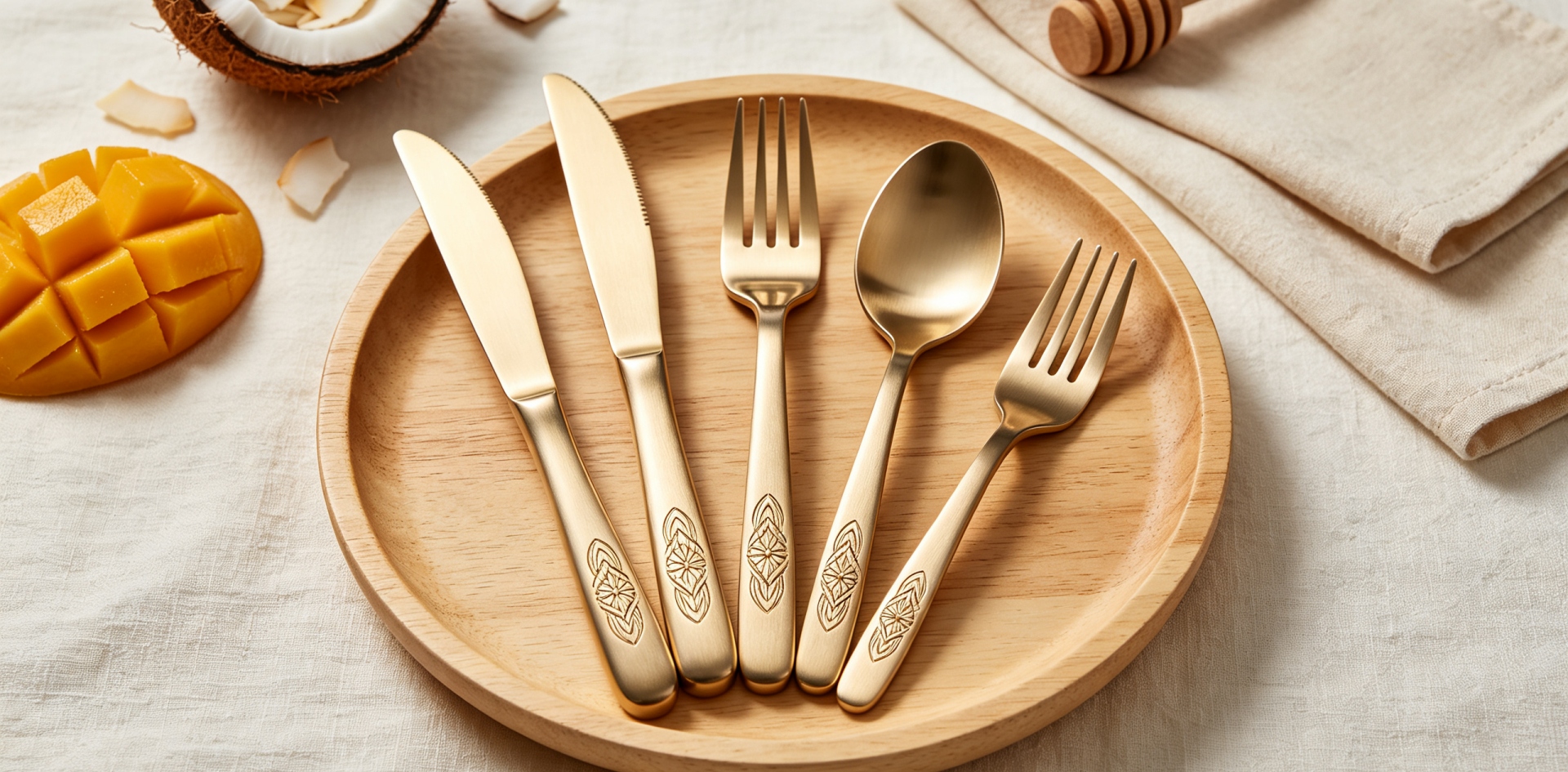
Stainless Steel Cutlery Incoterms for B2B Buyers
When purchasing stainless steel cutlery internationally, the product specification is only one part of the commercial agreement. Buyers also need to understand how the goods will be shipped, who is responsible for different stages of transportation and which costs are included in the quotation.
This is where Incoterms can become important.
For importers, distributors, retailers and private label brands sourcing stainless steel knives, forks, spoons or complete flatware sets, understanding the agreed trade term can make a quotation much easier to evaluate.
What Are Incoterms?
Incoterms are internationally recognized commercial rules used to define responsibilities between buyers and sellers in the delivery of goods.
They help clarify matters such as transportation arrangements, delivery points, costs and the transfer of certain risks between the two parties.
For a B2B stainless steel cutlery order, the selected Incoterm should be considered together with the product price and shipping arrangement.
The exact responsibilities depend on the specific Incoterm stated in the commercial agreement, so buyers should always review the applicable term carefully rather than assuming that freight or other charges are included.
Why Incoterms Matter for Cutlery Quotations
Two stainless steel cutlery quotations can appear to have different prices even when the products themselves are very similar.
One reason may be that the quotations use different delivery terms.
For example, one quotation may cover the goods only up to an agreed point, while another may include additional transportation arrangements.
For B2B buyers, comparing the product price without considering the associated trade term can therefore produce an incomplete picture of the total purchasing cost.
A clear quotation should state the agreed Incoterm and the relevant named place where applicable.
Common Incoterms B2B Buyers May Encounter
International buyers may encounter terms such as EXW, FOB, CIF and DDP when purchasing goods from overseas suppliers.
Each term establishes a different allocation of responsibilities and costs.
EXW generally places substantial transportation responsibility on the buyer from the agreed pickup point.
FOB is commonly used for sea freight and involves the seller completing the agreed delivery obligations up to the specified loading point, with further transportation handled according to the applicable arrangement.
CIF includes cost, insurance and freight to the named destination port, while other responsibilities remain with the buyer according to the rule.
DDP places a much broader delivery responsibility on the seller, subject to the exact terms and applicable import requirements.
These are simplified descriptions. Buyers should refer to the actual Incoterms rule and commercial agreement when determining their responsibilities.
Incoterms and Stainless Steel Cutlery Pricing
For a wholesale or OEM stainless steel cutlery order, the unit price is normally only one component of the overall purchasing cost.
The buyer may also need to consider:
Product cost
Packaging
Inland transportation
Export-related charges
International freight
Insurance where applicable
Import duties and taxes
Destination charges
Local transportation
The selected Incoterm determines how some of these elements are allocated between buyer and seller.
This is why an experienced B2B buyer should evaluate the complete quotation rather than comparing unit prices alone.
Incoterms for OEM and ODM Cutlery Projects
Custom stainless steel cutlery projects often involve significant order quantities.
A private label brand may order customized knives, forks and spoons, while an importer may purchase a complete flatware collection for distribution.
For these projects, the delivery term should be established before the final commercial agreement is confirmed.
The buyer can tell the manufacturer which shipping arrangement is preferred when requesting the quotation.
For example, a buyer who has its own freight forwarder may prefer a term that allows it to manage the international transportation directly.
Another buyer may prefer a broader delivery arrangement because it wants the supplier to coordinate more of the transportation process.
The appropriate choice depends on the buyer's logistics capabilities and commercial requirements.
Incoterms and Freight Forwarders
Many international B2B buyers work with their own freight forwarders.
In this situation, the buyer should tell the stainless steel cutlery supplier about the intended logistics arrangement during the quotation stage.
This can help the factory understand where its delivery responsibility ends and where the buyer's logistics partner takes over.
Clear communication is particularly important for large bulk orders because the shipment may involve substantial quantities of cartons or pallets.
The buyer and factory should work from the same named location and delivery term.
Understanding the Named Place
Some Incoterms require a named place to be specified.
This detail is important because the location can affect how the delivery responsibility is understood.
A quotation should therefore avoid using a trade term without sufficient location information.
For example, simply stating “FOB” does not provide the same level of commercial detail as stating the applicable FOB term together with the agreed port.
For B2B purchasing teams, checking the named place before approving a quotation can help prevent unnecessary misunderstandings.
Incoterms and Import Planning
International buyers should also consider what happens after the goods leave the supplier's responsibility.
Depending on the selected trade term, the buyer may need to arrange international transportation, customs clearance, import duties, taxes or local delivery.
This is particularly relevant for companies importing stainless steel cutlery into a new market.
Before confirming a large order, the buyer should understand which import-related responsibilities remain on its side.
A freight forwarder or customs professional can provide guidance for the specific destination and transaction.
Incoterms for Private Label Flatware
Private label projects often involve planned retail launches and larger commercial quantities.
The buyer may already have a logistics partner, warehouse or distribution network in its destination market.
In this situation, selecting an appropriate Incoterm can help integrate the factory's responsibilities with the buyer's existing supply chain.
The important point is to discuss the delivery arrangement while the quotation is being prepared, rather than leaving it unclear until the goods are ready to ship.
This gives both sides a clearer commercial reference.
How Buyers Can Request a Clear Cutlery Quotation
When contacting a stainless steel cutlery manufacturer, buyers can provide more than product information.
A useful RFQ can include:
Product names
Material requirements
Dimensions or reference samples
Quantity by SKU
Customization requirements
Private label requirements
Packaging requirements
Destination country
Preferred shipping method
Preferred Incoterm
Target purchasing period
With this information, the supplier can prepare a quotation that is better aligned with the actual B2B project.
Homefelt for International Stainless Steel Cutlery Orders
Homefelt specializes in stainless steel knives, forks, spoons and complete cutlery sets for B2B customers.
The factory supports OEM, ODM, private label and wholesale manufacturing for international buyers requiring customized or bulk stainless steel flatware.
When requesting a quotation, buyers can provide their product specifications, quantities and preferred delivery arrangement.
For importers and distributors that already work with freight forwarders, providing the intended logistics requirements at the beginning of the project can also make communication more efficient.
The goal is to establish a clear commercial understanding before the order moves into production and shipment.
From Cutlery Quotation to International Delivery
For international B2B buyers, a stainless steel cutlery quotation should be evaluated as a complete commercial proposal rather than as a unit price alone.
The product, quantity, customization, packaging and delivery term all contribute to the final purchasing arrangement.
Understanding the applicable Incoterm gives the buyer a clearer idea of which transportation and delivery responsibilities belong to each party.
If you are sourcing stainless steel spoons, forks, knives or complete flatware sets for an OEM, ODM, private label or wholesale project, include your preferred delivery arrangement when requesting a quotation.
A clear RFQ gives the factory a better understanding of the complete project and provides a stronger starting point for discussing your bulk order.
Request a Quote for Custom Stainless Steel Cutlery
Discuss OEM and ODM Flatware Manufacturing
Request Private Label Stainless Steel Cutlery
Contact a Stainless Steel Cutlery Factory for International B2B Orders
How to Prepare a Stainless Steel Cutlery RFQ for B2B
Partial Shipment for B2B Stainless Steel Cutlery Orders
Related Article



