
Stainless Steel Cutlery Launch Production for B2B Brands
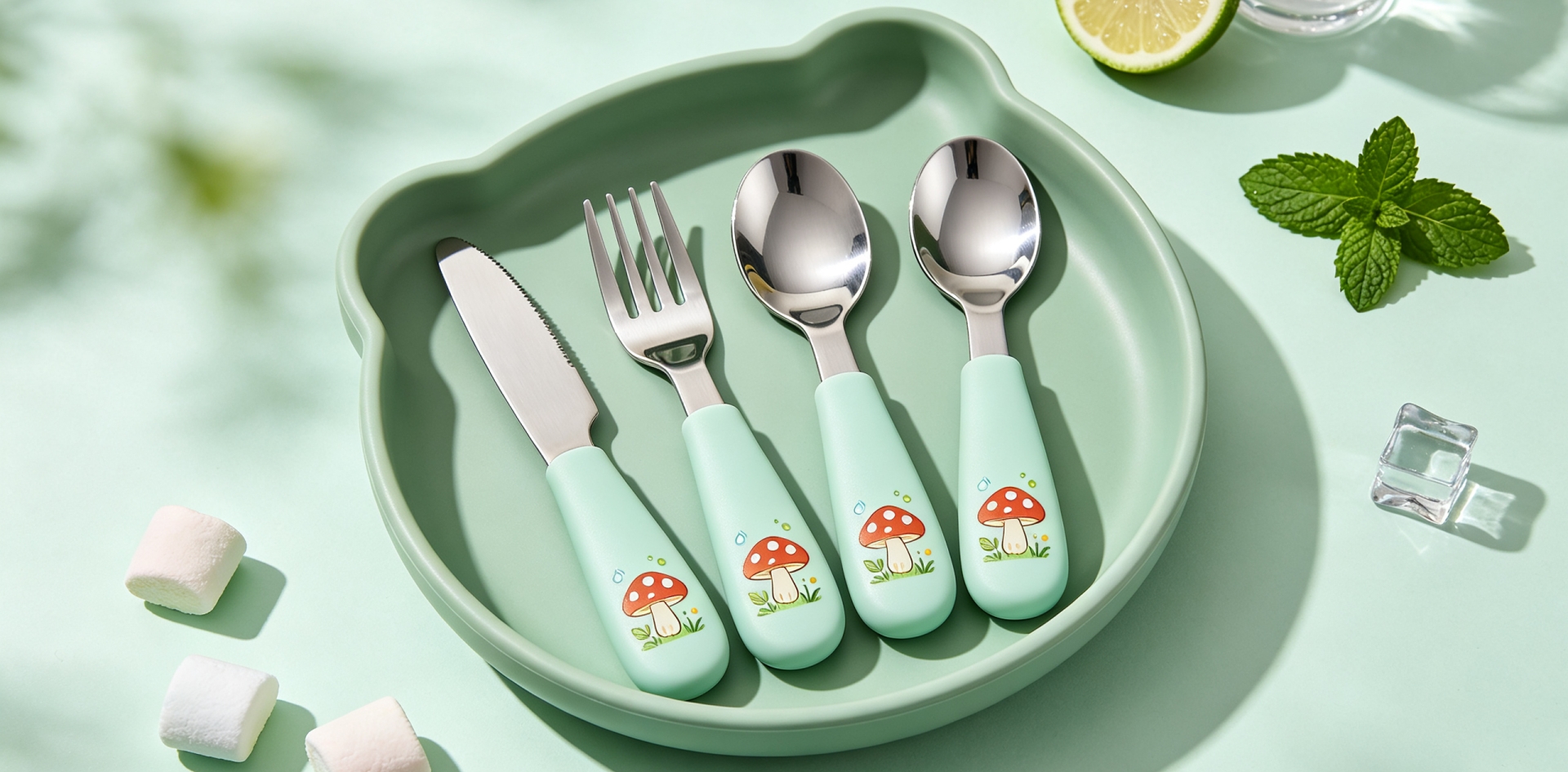
Stainless Steel Cutlery Launch Production for B2B Brands
Launching a new stainless steel cutlery collection involves more than creating an attractive product. For a B2B brand, the first production needs to connect product design with commercial quantities, packaging, customer expectations and future supply.
A new knife, fork, spoon or complete flatware set may look ready once the design has been approved, but the transition into the first commercial production requires careful coordination.
For brands, distributors and private label businesses, having a clear production plan can make the launch more organized and provide a stronger foundation for future orders.
Define the Product Before Production
The first production should be based on a clearly defined product.
For stainless steel cutlery, this can include the material, dimensions, weight, handle design, surface finish and other important specifications. If the product is part of a set, the relationship between each piece should also be confirmed.
A clear specification gives the factory a reliable manufacturing reference.
For customized products, the buyer may provide drawings, samples, photographs or product concepts. These materials can be reviewed together so that the final production requirements are understood before manufacturing begins.
Separate Product Decisions From Packaging Decisions
Product and packaging are connected, but they should not be confused.
The stainless steel knife, fork or spoon may already be approved while the packaging is still being finalized. Keeping these two areas clearly identified can help prevent changes to one part of the project from affecting the other unnecessarily.
For example, a brand may approve a four-piece flatware set but later change the outer box design. The product specification can remain unchanged while the packaging information is updated separately.
This structure can make communication easier during the launch process.
Determine the Commercial Product Format
Before production begins, the buyer should decide how the new product will be sold.
A stainless steel spoon may be sold as an individual piece, while a knife, fork and spoon may be packed as a complete set. A distributor may require bulk cartons, while a retail brand may need individual branded boxes.
The intended sales format affects packaging, labeling and sometimes the production quantity.
Making this decision early gives the factory a clearer picture of the finished commercial product.
Choose the Right Product Mix for the Launch
A new collection does not always need to include every possible cutlery item.
A brand may begin with several core products and expand the range later.
For example, a new collection could initially include a dinner knife, dinner fork, tablespoon and teaspoon. Additional products can then be introduced after the market response becomes clearer.
This approach allows the brand to establish a recognizable collection without creating an unnecessarily complicated first production.
For OEM and private label projects, the factory can discuss which products can be developed around the same design direction.
Plan the First Production Quantity Carefully
The first commercial production quantity should reflect the brand's actual sales plan.
A new product may require enough inventory to support a market launch, but the buyer may also want to avoid producing excessive quantities before demand is established.
This makes the first production an important commercial decision.
The factory can review the required product mix and quantities and discuss suitable manufacturing arrangements according to the project.
For brands with several products, quantities can also differ between SKUs. Core items may require larger volumes, while new or specialty products may begin with smaller quantities.
Keep Customization Consistent Across the Collection
When a brand develops several new stainless steel cutlery products, consistency can be important.
The handle shape, proportions, surface finish and overall appearance should work together if the products are intended to form one collection.
A professional stainless steel cutlery factory can review these requirements across the product range rather than treating every item as an unrelated project.
Homefelt factory supports custom knives, forks, spoons and complete flatware sets for B2B customers. OEM, ODM and private label projects can be developed around a brand's product concept and specifications.
Prepare Packaging for Commercial Production
Packaging often becomes more important when a product moves from development into actual sales.
The buyer may need to confirm box dimensions, labels, product information, set composition, barcodes and carton quantities.
These details should be aligned with the final product before mass production.
For private label projects, packaging can also carry the brand identity and provide the customer with the final retail presentation.
Homefelt can coordinate product and packaging requirements as part of stainless steel cutlery manufacturing projects, allowing buyers to discuss the complete finished product with the factory.
Prepare Information for Sales Teams
A new product needs to be understood not only by the factory but also by the sales team.
Before launch, sales staff may need basic product specifications, product photographs, set information and packaging details.
This helps them answer customer questions and introduce the new collection accurately.
For distributors, this information can also be used when presenting the product to their own customers.
A clear product reference system makes it easier to connect the sales information with the actual factory product.
Keep Future Reorders in Mind
The first production should also consider what happens after the launch.
If the product sells successfully, the next order should be based on the same approved specification. Product references, packaging details and approved samples therefore need to be retained as part of the product record.
This is particularly important for private label brands because customers expect established products to remain consistent.
A well-organized first production can make future replenishment much easier.
Leave Room for Product Expansion
A new collection may begin with a small number of products but grow over time.
A brand might later add serving spoons, additional fork styles or other matching pieces. When the original collection has a clear design direction, these additions can be developed more efficiently.
The factory can use existing products as references while developing new pieces that fit the same collection.
This allows the brand to expand without losing the identity established during the initial launch.
Why Factory Experience Matters for a New Collection
New product launches often involve several types of information at once: product specifications, quantities, packaging, customization and production requirements.
A factory experienced in stainless steel cutlery can bring these elements together during the manufacturing process.
Homefelt focuses on stainless steel knives, forks, spoons and complete flatware sets for B2B customers. The factory supports wholesale, OEM, ODM and private label manufacturing and can discuss customized product requirements for commercial production.
For a brand launching a new collection, this means the factory can be involved not only in producing the final products but also in discussing how the specifications can be prepared for bulk manufacturing.
Building a Clear Production Brief
Before confirming the first commercial production, buyers can prepare a concise production brief containing:
Product references
Material requirements
Dimensions and weights
Surface finish
Product quantities
Set composition
Packaging format
Private label requirements
Special customization
Target market
Any important shipping or carton requirements
This gives the factory a clear overview of the project.
If changes are made later, they can be identified against the original information rather than communicated through scattered messages.
From New Product Concept to Commercial Production
The transition from a product idea to a finished stainless steel cutlery collection is a gradual process.
The design needs to become a clear specification. The specification needs to be matched with production requirements. Packaging needs to correspond with the final product. Quantities need to reflect the commercial plan.
When these elements are coordinated, the first production can provide a stronger foundation for the product's future development.
For B2B brands, the goal is not simply to manufacture the first shipment. It is to create a product that can be sold, reordered and expanded as the business grows.
Homefelt can work with customers developing new stainless steel knife, fork, spoon and flatware set projects, including customized designs, OEM/ODM production, private label manufacturing and bulk orders.
If you are preparing a new stainless steel cutlery launch, contact Homefelt at ingrid@homefelt.net. Send your product concept, preferred specifications, packaging ideas or estimated quantities, and the factory can discuss suitable production options for your project.
New Stainless Steel Cutlery Development
OEM Stainless Steel Flatware Manufacturing
Private Label Cutlery Production
Stainless Steel Cutlery Product Training for B2B Sales Teams
Stainless Steel Cutlery Support for B2B Distributors
Related Article



