
Stainless Steel Cutlery Market Entry for B2B Brands
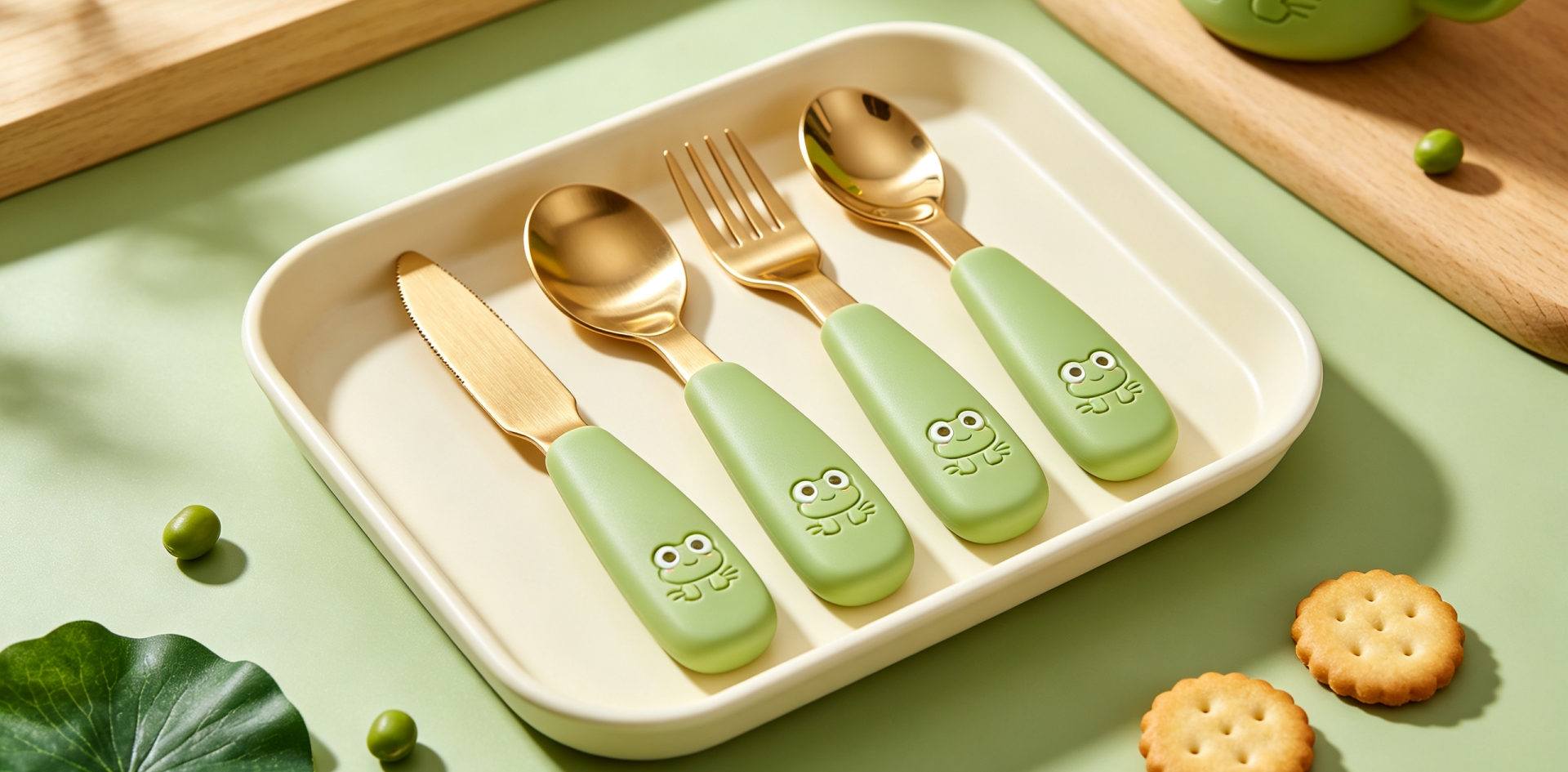
Stainless Steel Cutlery Market Entry for B2B Brands
Launching a new stainless steel cutlery product is not simply a matter of choosing a knife, fork or spoon and placing an order. For a B2B brand, the product needs to fit the target market, sales channel, price positioning and overall brand direction.
This becomes even more important when the project involves custom stainless steel cutlery, OEM manufacturing or a private label collection.
A well-planned market entry connects the commercial idea with practical manufacturing requirements. By discussing these elements with an experienced stainless steel cutlery factory at an early stage, buyers can develop products that are more closely aligned with their intended market.
Start With the Target Market
Before developing a new cutlery product, a B2B buyer should understand who will ultimately purchase it.
A product designed for retail distribution may have different requirements from one developed for hospitality supply or professional foodservice.
The target market can influence the preferred product style, collection structure, packaging approach and expected order volume.
For a private label brand, the cutlery should also fit the visual character of the existing product range.
Providing this background to the manufacturer gives the factory a better understanding of the project rather than treating the product as an isolated item.
Define the Commercial Position
Stainless steel cutlery can be developed for many different market positions.
A brand may be looking for a practical everyday collection, a more distinctive retail range or a premium-looking flatware series.
The commercial position affects how the product should be developed.
For example, a buyer targeting a large-volume wholesale market may prioritize efficient production and broad commercial appeal. A specialized private label brand may place more emphasis on distinctive design and product differentiation.
There is no single correct approach. The important point is that the manufacturing project should support the intended commercial position.
Choose the Right Product Scope
A market entry project does not always require a large collection from the beginning.
Some brands may start with a small group of core products, while others may want a complete flatware collection.
The initial product scope should reflect the planned sales strategy.
A basic collection may include a knife, fork and spoon, while a broader program can include several sizes or complementary pieces.
When discussing the project with a stainless steel cutlery manufacturer, buyers can explain which products are essential for the initial launch and which products may be considered at a later stage.
This gives the factory a clearer picture of the development direction.
Customization Should Serve the Brand
Customization is valuable when it creates a meaningful difference for the customer.
A private label brand may want a distinctive handle profile, a specific surface appearance or a collection that follows an established design language.
However, customization should be connected to the brand's commercial purpose.
The goal is not to add as many special details as possible. Instead, the product should have characteristics that make sense for the target market and strengthen the brand's positioning.
An experienced OEM or ODM factory can discuss how a design concept can be translated into stainless steel cutlery suitable for production.
Consider the Complete Collection
When a brand launches several cutlery products together, consistency becomes important.
The knife, fork and spoon should look like members of the same collection rather than unrelated products.
This can involve visual relationships between the handles, working ends, proportions and surface appearance.
For B2B brands, collection consistency can make the product range easier to present to distributors and retailers.
It also provides a clearer foundation for future product extensions.
A manufacturer involved from the early development stage can help the buyer consider these relationships while the products are still being developed.
Connect Product Design With Production
A product concept may look attractive in a drawing or reference photograph, but the final product must also be suitable for manufacturing.
This is where communication between the buyer's product team and the stainless steel cutlery factory becomes important.
The manufacturer can review the proposed design and discuss practical considerations before the project moves toward bulk production.
For OEM and ODM projects, this exchange can help identify manufacturing approaches that maintain the intended appearance while remaining suitable for commercial production.
The earlier these questions are discussed, the easier it can be to develop a realistic product plan.
Plan for Commercial Quantities
A market entry project should also consider the expected purchasing volume.
The initial order may be relatively limited because the brand is testing a new product. If the product performs well, future orders may increase substantially.
The buyer can therefore communicate both the estimated initial quantity and the potential long-term volume when discussing the project with the factory.
This information gives the manufacturer useful commercial context.
For a wholesale or private label program, understanding the potential scale of the project can also help the factory discuss suitable manufacturing solutions from the beginning.
Why an Experienced Factory Can Add Value
A stainless steel cutlery manufacturer does more than turn raw material into finished products.
For a B2B customer developing a new collection, the factory can become part of the product development process by discussing customization, production feasibility and commercial manufacturing requirements.
Homefelt has more than 40 years of experience in the stainless steel cutlery business and works with international B2B customers on knives, forks, spoons and complete flatware collections.
The factory supports OEM, ODM and private label projects as well as wholesale and bulk stainless steel cutlery manufacturing.
For brands entering a new market, the cooperation can begin with a product concept, reference design, estimated volume and target market. These details provide a useful foundation for discussing customized manufacturing options.
From Market Concept to Finished Cutlery
A successful market entry connects several decisions.
The buyer defines the target customer and commercial positioning. Product requirements are then developed around those objectives. The manufacturer reviews the concept from a production perspective, and the final product is developed through the appropriate customization and sampling process.
Once the product is ready, the same manufacturing relationship can support future bulk orders and additional product development.
This approach is particularly useful for brands that want to build a long-term stainless steel flatware range rather than purchase unrelated products from different suppliers.
For importers, distributors and private label brands, choosing the right manufacturing partner can therefore be an important part of bringing a new cutlery product to market.
If you are planning to introduce a new stainless steel cutlery product or private label flatware collection, sharing your target market, product concept, estimated quantity and customization requirements with a manufacturer is a practical first step toward a B2B quotation.
Custom Stainless Steel Cutlery Manufacturing
Private Label Stainless Steel Cutlery
Stainless Steel Cutlery Version Control for B2B Projects
Fabricant de Couverts Inox : Réussir une Première Commande B2B
Related Article



