
How to Prepare Stainless Steel Cutlery Listings for Online Marketplaces
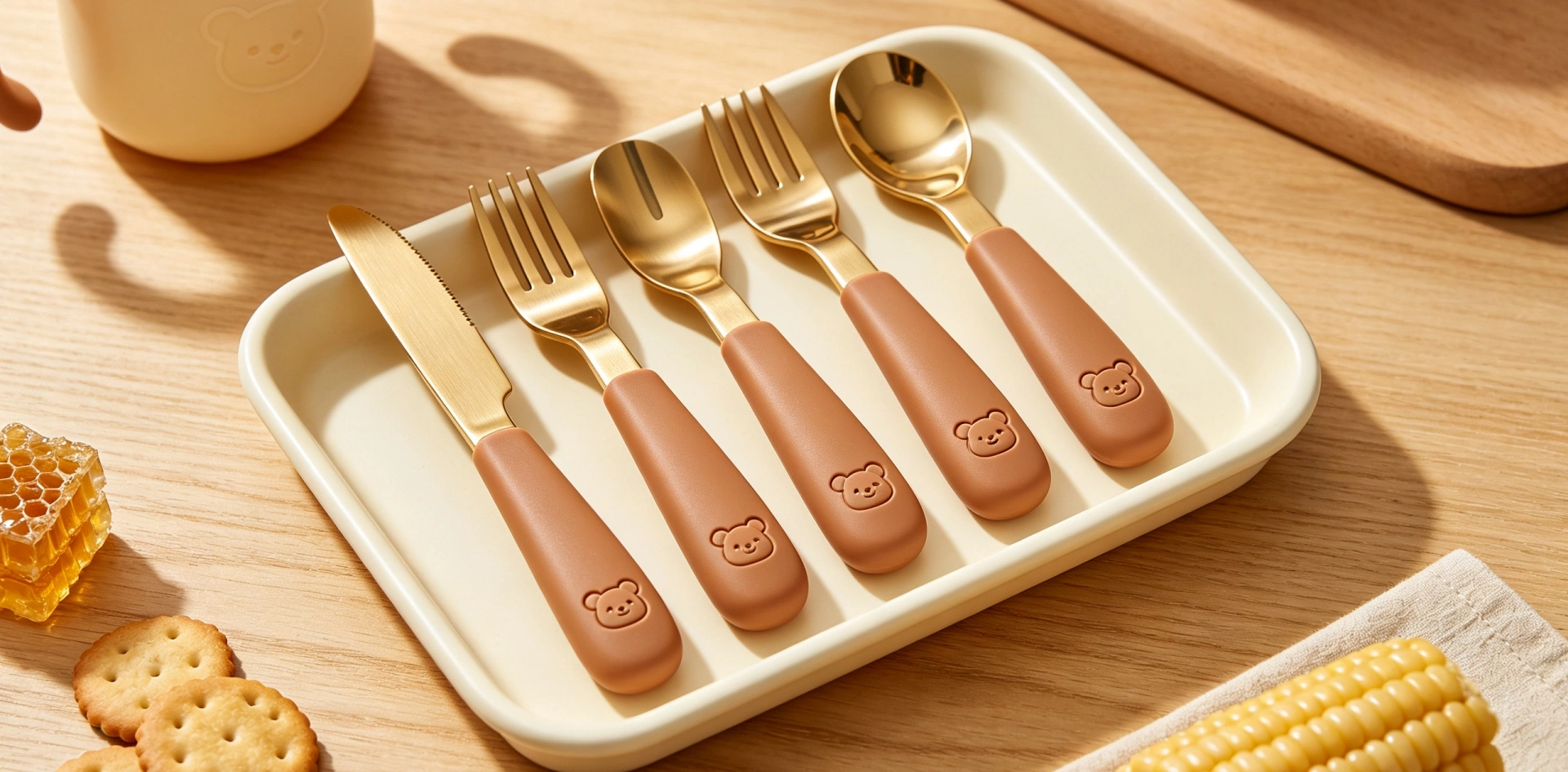
How to Prepare Stainless Steel Cutlery Listings for Online Marketplaces
Online product listings help stainless steel cutlery manufacturers and distributors present their collections to buyers who may be comparing multiple suppliers before requesting a quotation. For importers, retailers, wholesalers, and private label brands, a useful listing should explain what the product is, which variations are available, and what information is needed to evaluate a potential order.
A listing that contains attractive photographs but incomplete specifications may generate questions without helping the buyer make a purchasing decision. Conversely, a well-organized listing connects product images, dimensions, materials, packaging options, and ordering information in a format that is easy to review.
Homefelt factory supplies stainless steel knives, forks, spoons, and flatware sets for wholesale, OEM/ODM, and private label projects. Preparing marketplace content around accurate product information can help B2B buyers identify suitable models and begin more productive discussions about samples, customization, and bulk quantities.
1. Define the Product's Main Purchasing Purpose
Before writing a listing, establish the intended product category and target buyer. A listing for a standard stainless steel cutlery set may serve distributors looking for established designs, while a listing for customizable flatware may attract brands planning a private label collection.
The opening description should identify the product clearly. State whether the listing represents a single spoon, a coordinated knife-fork-spoon set, or a collection available in different configurations.
Avoid mixing unrelated products into one listing simply to increase the number of search terms. If individual utensils and complete sets have different specifications or purchasing conditions, separate listings may provide a clearer buying experience.
For B2B customers, explain the practical application of the product where relevant, such as retail distribution, hospitality supply, promotional programs, or private label sales. The description should remain grounded in the actual product rather than making broad claims that cannot be verified.
2. Present Material and Dimensional Information Clearly
Product specifications are central to cutlery sourcing because similar-looking products may differ in material grade, thickness, weight, dimensions, or construction.
A useful listing can include the following details when confirmed:
-
Stainless steel grade and material information.
-
Overall length of each utensil.
-
Spoon bowl dimensions or capacity, where relevant.
-
Fork tine and handle dimensions, where applicable.
-
Knife blade profile and construction details.
-
Unit weight and thickness, if measured.
-
Surface finish and available color options.
Do not publish a material grade or numerical specification based solely on appearance. Confirm the information against factory records or approved product data before uploading it.
If the product is available in several sizes, display the variations in a consistent format. For example, a buyer comparing dessert and dinner forks should be able to distinguish the models by their references and dimensions without having to request clarification for every detail.
3. Organize Product Variations Without Creating Confusion
A single cutlery design may be offered in different finishes, handle patterns, set sizes, or packaging configurations. Marketplace listings should make these options easy to understand.
Where the platform supports product variations, use the appropriate fields for genuine alternatives. If the differences materially affect specifications or prices, separate product listings may be more suitable.
Keep model names and references consistent across the listing, quotation, sample records, and purchase order. This is particularly important when two designs look similar in a small thumbnail image.
For private label projects, distinguish standard available products from custom development options. A finish shown as an example should not automatically be presented as available for every model or quantity. Confirm which options can actually be produced and under what conditions.
4. Use Images That Support Product Evaluation
Product photographs should show the actual design and help buyers compare models. A strong image set normally includes a complete front view, a reverse view, a close-up of the handle, and detail images for special finishes or decorative features.
For coordinated flatware sets, show the included knives, forks, and spoons together. If packaging is part of the offer, provide a separate image of the relevant box or presentation arrangement.
Keep backgrounds and lighting consistent across related models. Reflective stainless steel can be difficult to photograph, so avoid highlights that hide the handle profile or make a finish look different from the physical sample.
Images should accurately represent the product. Digital mock-ups and concept renders can be useful for custom designs, but identify them as illustrations when they do not show a finished sample. Technical specifications and sample approval records should remain the basis for confirming the final product.
5. Explain Packaging and Customization Options
For B2B buyers, packaging can influence retail presentation, warehouse handling, freight planning, and the final selling format. The listing should identify the standard packaging arrangement when known and explain whether alternative packaging can be discussed.
Relevant information may include individual utensil packaging, set boxes, gift boxes, inner cartons, export cartons, and private label printing. Avoid implying that every packaging option is included in the standard unit price.
Customization details should be presented just as carefully. Buyers may want to discuss handle patterns, logos, surface finishes, set combinations, or packaging artwork. Clarify whether these options involve sample approval, additional tooling, minimum order requirements, or separate costs.
Homefelt factory can support cutlery customization, OEM/ODM development, wholesale supply, and private label projects according to the product and order requirements. A listing can introduce these capabilities, while the quotation process confirms the details that apply to a specific project.
6. Make Wholesale Purchasing Conditions Understandable
A B2B listing should help potential buyers understand the basic conditions for starting a purchase discussion. Depending on the product and platform, useful information may include the minimum order quantity, available sample arrangements, estimated production lead time, packaging configuration, and quotation basis.
Only publish values that the factory can support. If the minimum order quantity or production schedule varies according to finish, packaging, or customization, state that the requirement depends on the selected configuration rather than presenting one figure as universal.
Buyers should also be able to identify what information is needed for a quotation. This might include the selected model, order quantity, destination country, required finish, packaging type, and any logo or artwork requirements.
A clear inquiry process helps avoid repeated messages to establish basic order details. It also allows the supplier to assess whether a standard product or a customized solution is the better fit.
7. Support Claims With Appropriate Documentation
Product listings should distinguish between product specifications, factory credentials, and product-specific test documents. These materials serve different purposes and should not be treated as interchangeable.
Factory certifications and audit records may provide information about management systems or facility practices. Product-related documentation may address material composition, food-contact requirements, or other tests relevant to the destination market. The applicable documents depend on the product, market, and buyer's requirements.
Before mentioning a certification or test result, verify that the document is valid and relevant to the claim being made. Do not imply that every model has been tested to a particular standard unless the supporting records confirm it.
For buyers evaluating a potential supplier, documentation can be reviewed alongside specifications, sample quality, and the supplier's ability to maintain consistent product references. This creates a more balanced assessment than relying on listing claims alone.
8. Review Listing Accuracy Before Publication
Before publishing a marketplace listing, check that every element refers to the same product version. The title, images, specifications, variations, packaging details, and order conditions should agree.
A practical review can include the following questions:
-
Does the product title identify the correct utensil or set?
-
Do dimensions and material details match the approved specifications?
-
Are all finishes and variations accurately identified?
-
Do the images show the correct model?
-
Are packaging options and customization conditions clear?
-
Are certifications and testing statements supported by relevant records?
-
Is the inquiry process suitable for wholesale and custom orders?
Review listings again whenever a product design, finish, packaging configuration, or commercial condition changes. Remove outdated images and update inaccurate details rather than allowing old information to remain available to buyers.
Turn Online Product Interest Into Qualified B2B Inquiries
A successful cutlery listing should do more than attract attention. It should help buyers understand the product, compare suitable variations, and identify the information required for a quotation.
Homefelt factory works with customers seeking stainless steel cutlery wholesale, OEM/ODM manufacturing, custom product development, and private label solutions. Buyers can share marketplace listing references, target quantities, specifications, and packaging requirements to begin a focused discussion about product suitability and production arrangements.
Accurate listings make the initial conversation more efficient, while approved samples, written specifications, and appropriate documentation support decisions before a bulk order is confirmed.
You May Be Interested In
How to Manage Stainless Steel Cutlery Returns From Distribution Channels
How to Improve Picking Accuracy for Stainless Steel Cutlery Orders
Related Article



