
Stainless Steel Cutlery Product Adaptation for Different Export Markets
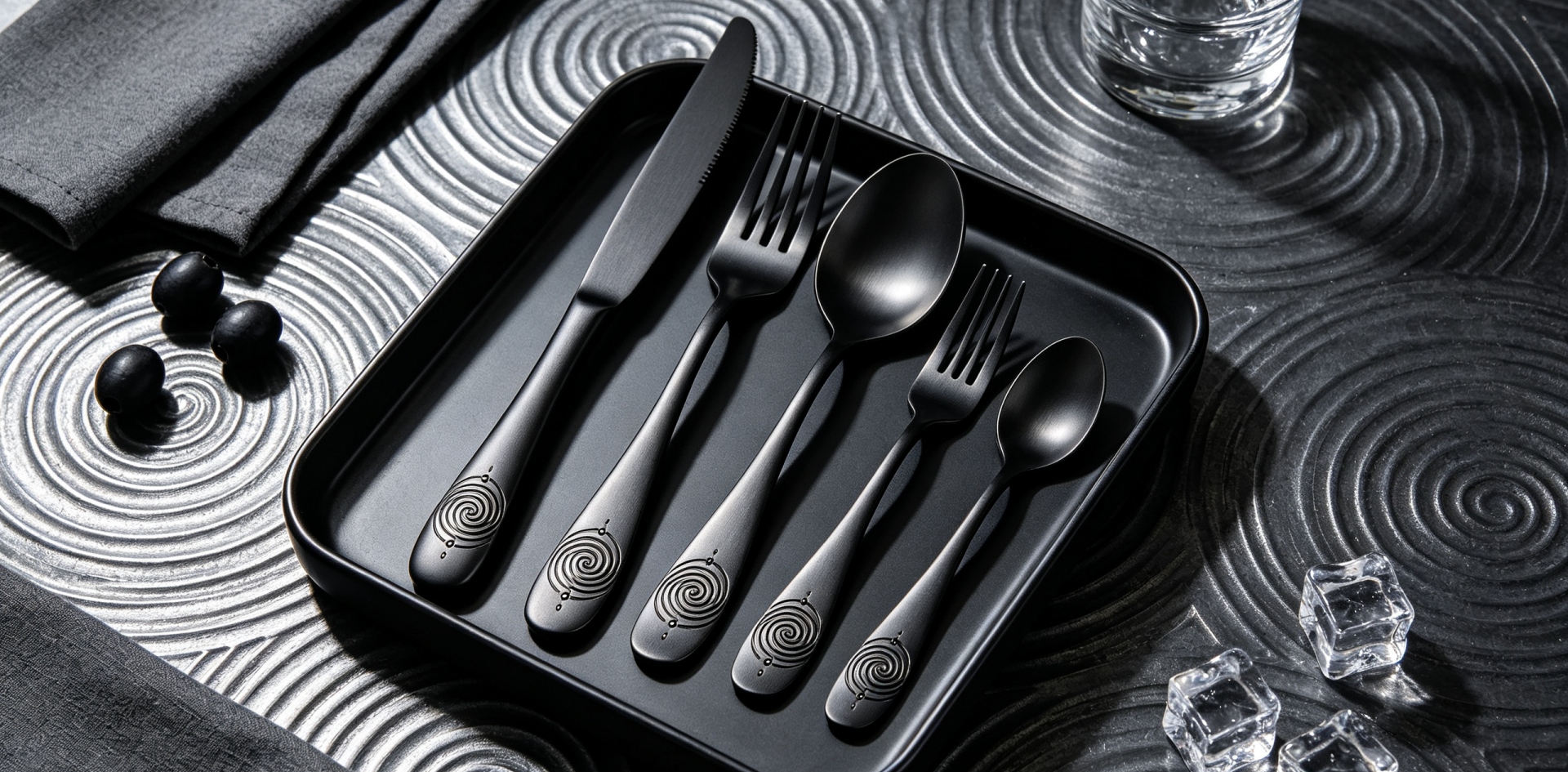
Stainless Steel Cutlery Product Adaptation for Different Export Markets
A stainless steel cutlery collection that performs well in one market may need adjustments before being introduced to another. Retail customers can have different preferences for handle design, product dimensions, surface finishes, set combinations and packaging. Hospitality buyers may prioritize practical handling and repeat supply, while retail brands may focus more on presentation, assortment and shelf appeal.
For importers, distributors and private label businesses, product adaptation is not simply a matter of changing a color or selecting a different box. It requires a clear understanding of the intended customer, the product specifications and the manufacturing implications of each change.
Homefelt factory supports B2B stainless steel cutlery projects through OEM, ODM, private label and wholesale manufacturing. By reviewing market requirements early, buyers can develop products that fit their sales channels while maintaining a workable production specification.
Start with the Intended Customer and Sales Channel
Before adapting a cutlery product, buyers should define who will use it and how it will be sold. A supermarket retail set, an online gift collection and a commercial foodservice assortment may share the same basic product category but require different design and packaging decisions.
For example, retail customers may respond to coordinated finishes and attractive presentation, while restaurant supply distributors may place greater emphasis on practical specifications, replacement availability and consistent repeat orders. Gift-oriented collections may require a more distinctive handle design and a presentation box suited to the target price range.
The intended channel helps determine which product features deserve priority. Without this information, buyers risk adding design elements that increase production complexity without improving the product's commercial value.
During an initial discussion with the factory, buyers should explain the target customer group, expected sales channel, estimated order quantity and intended price positioning. These details create a useful foundation for product development.
Adapt Dimensions and Proportions Carefully
Cutlery dimensions influence both the appearance and practical use of a product. Buyers may need to review overall length, handle width, material thickness, spoon bowl dimensions, fork head proportions and knife specifications according to the intended market and product category.
A reference product can help communicate the desired direction, but its dimensions should not automatically be copied without review. The factory should assess whether the proposed specifications are suitable for the new design, intended use and target cost.
When adapting an existing collection, it is useful to distinguish essential changes from optional refinements. A buyer may need a different spoon size to complete a specific assortment, while the handle shape and surface finish can remain unchanged. Keeping established design elements where possible may simplify development and help preserve a recognizable collection identity.
Technical drawings should identify the important dimensions and any allowable variation agreed for production. If the adaptation changes a functional feature, a new sample may be necessary before the revised specification is approved.
Select Surface Finishes for the Product Positioning
The finish of stainless steel cutlery can strongly influence its appearance and perceived value. Mirror polish, satin or brushed surfaces, and decorative colored finishes each create a different visual effect.
A buyer developing products for several markets should consider whether the finish matches the target customer's expectations, retail positioning and care requirements. A decorative gold collection, for instance, may serve a different market segment from a simple polished stainless steel set.
Finish selection should also be evaluated from a manufacturing perspective. Different treatments may affect production steps, cost, inspection requirements and lead time. Buyers should confirm the proposed method with the manufacturer instead of assuming that all finishes can be applied to every design in the same way.
For a new finish, a physical sample is particularly useful. It allows the buyer to evaluate the actual appearance and compare it with the intended product concept before committing to a bulk order.
Any claims relating to coating durability, cleaning performance or suitability for specific use conditions should be supported by applicable technical information or testing.
Configure the Assortment Around Local Buying Needs
The number and type of pieces in a cutlery set can be adapted to suit different sales strategies. Some buyers may need a compact everyday set, while others may require larger collections or individual pieces for replacement and replenishment.
A product assortment review should identify the exact items required, the number of each item per set and the total order quantity by SKU. Buyers should also consider whether the range needs several set sizes or separate products that can be purchased individually.
A clear assortment plan helps prevent confusion between the number of pieces in one set and the total quantity ordered. It also gives the manufacturer a more accurate view of the production workload and packaging requirements.
For distributors serving several customer groups, a common design language can be maintained across different assortments. For example, the same handle concept may be used for a standard set and a larger set, provided the technical specifications and item differences are documented clearly.
Review Packaging and Product Information
Packaging can influence how a cutlery product is presented, stored and distributed. A retail product may require a printed box with branded artwork, while a wholesale order may use simpler bulk packaging. Gift collections may need additional presentation features.
Before production, buyers should confirm the packaging format, number of pieces per package, protective materials, artwork version and any required labels or barcodes. If the product is sold in multiple markets, packaging information should be reviewed for the relevant language and customer requirements.
The factory should receive final approved artwork and clear packing instructions before the packaging stage begins. If packaging is changed after the order has entered production, the buyer and supplier should review the impact on cost and timing.
Packaging adaptation should remain connected to the product specification. The dimensions of the cutlery set, the arrangement of each piece and the space available inside the box all need to work together.
Consider Material, Testing and Documentation Requirements
Product adaptation may involve more than appearance. Buyers should identify applicable requirements relating to material composition, intended use, cleaning conditions and product documentation before finalizing the design.
The stainless steel grade should be specified according to the product requirements and agreed with the manufacturer. If a market or customer requires particular food-contact documentation or test reports, the buyer should communicate those expectations during the quotation and development stage.
Certification documents also need to be reviewed according to their actual scope. A factory audit, a management-system certificate and a product-specific test report provide different types of information. One should not be assumed to replace another.
Homefelt can discuss relevant material specifications and available business documentation with customers. The precise documents and tests needed should be confirmed for each product and destination market rather than assumed to be identical across all orders.
Example: Adapting One Collection for Two Customer Groups
Consider a distributor that wants to offer the same stainless steel cutlery design to a retail customer and a hospitality supplier. The retail customer prefers a coordinated boxed set, while the hospitality supplier needs individual pieces in larger quantities for ongoing replenishment.
Instead of developing two completely unrelated collections, the distributor reviews which features can remain common. The handle design and base material specification are retained, while the assortment, quantities and packaging are adjusted to each customer's requirements.
The factory reviews the resulting product list, confirms any differences in dimensions or finishing, and prepares the appropriate specifications. Samples are evaluated where changes affect the physical product or its appearance. Once the references are approved, each order can be planned against its own quantities and packing instructions.
This approach can help the distributor serve different channels while avoiding unnecessary duplication of product development work.
Build a Repeatable Product Adaptation Process
For companies selling cutlery across multiple markets, product adaptation should follow a consistent process. Begin with the target customer and sales channel, identify the necessary product changes, document the technical specifications and confirm packaging requirements. Then review the sample, applicable documentation, quotation and production schedule before placing the order.
Changes should be recorded against the relevant product reference so that the approved version remains clear. This is especially important when similar collections are sold under different private labels or when an existing design is adapted for a new customer.
Homefelt factory supports stainless steel spoons, forks, knives and complete cutlery sets for importers, wholesalers, retailers and hospitality suppliers. Services can include product design coordination, OEM and ODM manufacturing, private label development, packaging planning and transportation coordination based on project requirements.
Homefelt has experience in stainless steel cutlery manufacturing, with business credentials that include BSCI, SEDEX 4P, BRC and ISO 9001 audit or certification experience, as well as Disney audit experience. FAMA and FSC certificates are available for applicable projects. Buyers should confirm which documentation is relevant to their specific products and orders.
You May Be Interested In
Stainless Steel Cutlery Replenishment Stock Planning for Wholesale Buyers
Stainless Steel Cutlery Order Forecast Coordination for Wholesale Buyers
Related Article



