
Managing Stainless Steel Cutlery Order Mix for B2B Buyers
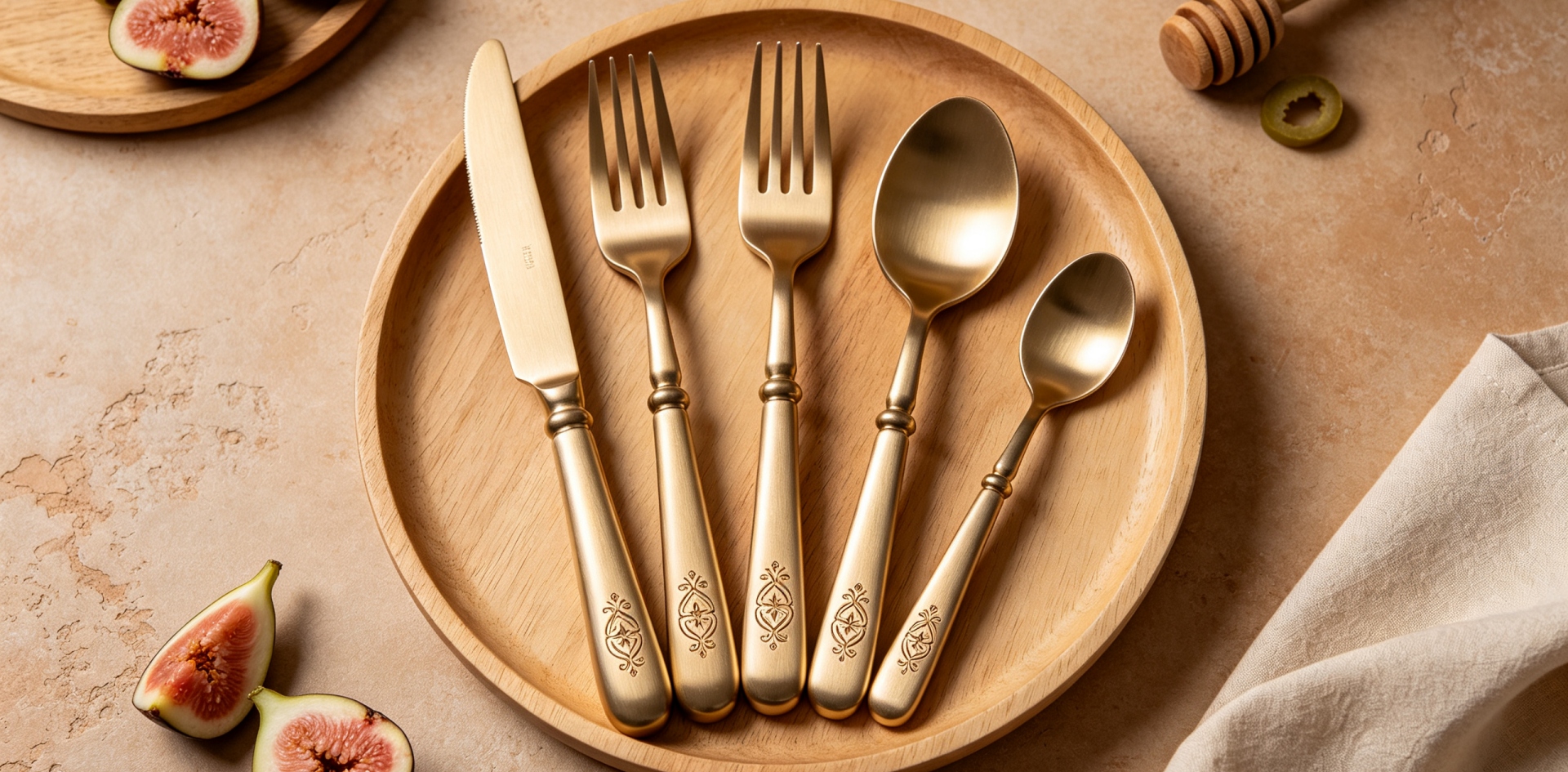
Managing Stainless Steel Cutlery Order Mix for B2B Buyers
For B2B buyers, a stainless steel cutlery order is rarely limited to one product. A retailer may need several spoon, fork and knife designs, while a distributor may require different finishes, packaging formats or set combinations for multiple customers. Managing this product mix clearly is important because every additional variation can affect production planning, packaging, inspection and shipment.
For buyers working with a professional stainless steel cutlery factory, the goal is not simply to place a large order. The real objective is to organize the order in a way that allows different products to be manufactured accurately while keeping communication, production and delivery manageable.
Why Order Mix Matters in B2B Cutlery Purchasing
A commercial cutlery order may contain several dimensions of variation at the same time. Different models can have different handle shapes, weights, lengths, surface finishes and packaging requirements. Even when all products use stainless steel, they should not automatically be treated as one identical production item.
A clear order structure allows the factory to understand exactly what needs to be produced. This is especially important for OEM, ODM and private label projects where the buyer may be developing products that are not part of a standard factory catalog.
For example, one customer may order a complete table setting containing dinner knives, dinner forks, tablespoons and teaspoons. Another may request several individual pieces for separate sales channels. Each structure requires different quantity calculations and packaging arrangements.
Organizing Products by Model
The first step is to separate every cutlery design into a clear model or item reference. A model number should remain consistent throughout quotations, samples, purchase orders, production documents and packing information.
This becomes particularly useful when several products have similar appearances. Two forks may look almost identical in a catalog but have different lengths, weights or handle details. A consistent product reference reduces the possibility of selecting the wrong version during production.
For custom projects, Homefelt factory can work with buyer-provided specifications, drawings, samples or product concepts to establish clear product references before bulk production begins.
Separating Individual Pieces from Cutlery Sets
Another important consideration is whether products are sold individually or as complete sets.
A buyer may purchase 10,000 spoons, 10,000 forks and 10,000 knives as separate SKUs. Another project may require the same products to be packed as four-piece or sixteen-piece sets. The production quantities may be similar, but the packing requirements are very different.
When preparing an order, buyers should identify:
Product model
Individual piece quantity
Set composition
Number of pieces per set
Individual or set packaging
Retail packaging requirements
Master carton requirements
This information gives the factory a clearer production and packing structure.
Handling Different Finishes in One Order
Some B2B collections include the same basic cutlery design in different surface finishes. For example, a collection may include polished stainless steel together with selected colored or decorative versions.
These products should be identified separately even when the underlying shape is similar. Finish requirements can affect production scheduling, inspection and packing.
A well-organized order should therefore specify the finish for each individual model instead of describing the finish only at the collection level. This makes the production instructions easier to follow and helps reduce misunderstandings between purchasing teams and the factory.
Planning Quantities by Commercial Purpose
Not every SKU needs to have the same quantity.
A distributor may require larger quantities of standard table knives and forks but smaller quantities of specialty pieces. A retailer launching a new collection may initially order moderate quantities for several designs before increasing the volume of successful products later.
This makes quantity planning an important part of B2B cutlery purchasing.
Instead of forcing every product into the same quantity ratio, buyers can explain the commercial purpose of each SKU. A professional factory can then review the order structure and discuss suitable production arrangements based on the actual requirements.
This approach can be particularly useful for brands developing a new stainless steel flatware range.
Coordinating Custom Packaging With the Product Mix
Mixed product orders often become more complicated when custom packaging is included.
Different cutlery sets may require different inner boxes, sleeves, inserts, labels or carton configurations. If the packaging structure does not match the product structure, unnecessary rework can occur before shipment.
For OEM and private label projects, buyers should provide packaging information together with the product specifications whenever possible.
Homefelt factory can support customized stainless steel cutlery programs that include product development, packaging coordination and bulk production. This integrated approach allows the product and its packaging requirements to be considered together instead of being handled as completely separate projects.
Keeping Order Information Easy to Check
Large B2B orders can contain dozens of product references. A simple and consistent format makes communication much easier.
A useful order structure can include:
Item code
Product name
Product image or drawing
Material
Size
Weight
Finish
Quantity
Set composition
Packaging
Special requirements
This information can then be compared with approved samples and production documents before manufacturing begins.
For buyers managing several suppliers or several product categories, this type of organization also makes future repeat orders easier. Instead of explaining the entire project again, the existing product information can be used as a reference for the next production cycle.
Supporting Product Range Development
A well-structured mixed order can also help a B2B brand develop its stainless steel cutlery range.
A buyer may begin with a small selection of knives, forks and spoons and later add complementary pieces or new designs. When the original product information is clearly organized, new items can be added without creating confusion around existing models.
This is useful for retailers, distributors and brands that want to build a consistent flatware collection over time.
The factory's role is not limited to producing the final quantity. A capable manufacturing partner can also help buyers review product specifications, develop custom items, coordinate packaging and prepare the order for larger-scale production.
Why a Factory With Broad Cutlery Capability Matters
When an order contains multiple knives, forks, spoons and set combinations, working with a factory that specializes in stainless steel cutlery can simplify communication.
Homefelt factory focuses on stainless steel cutlery manufacturing and can support custom knives, forks, spoons and complete flatware sets for B2B customers. OEM, ODM and private label projects can be developed according to the customer's product requirements, target market and packaging needs.
For customers with several product references, an integrated service can also reduce the need to coordinate separate suppliers for individual cutlery pieces and packaging requirements.
The objective is to create a practical production plan that matches the buyer's commercial needs rather than simply producing standard items.
Building a Clear Order Before Bulk Production
Before confirming a bulk stainless steel cutlery order, buyers should review the complete product mix and make sure that every SKU has a clear specification.
The final review can cover product models, quantities, materials, dimensions, finishes, set composition, packaging and special customization requirements.
Once these details are confirmed, the factory can prepare production according to the approved information. This gives both sides a common reference and makes future communication more efficient.
For B2B buyers, a well-organized order is more than administrative paperwork. It becomes the foundation for accurate manufacturing, consistent packaging and smoother delivery.
If you are developing a mixed stainless steel cutlery order, Homefelt can review your product requirements and discuss suitable manufacturing arrangements. Whether you need individual knives, forks and spoons, complete cutlery sets, OEM/ODM development or private label production, the service can be organized around your actual project requirements.
Custom Stainless Steel Cutlery Manufacturing
OEM & ODM Stainless Steel Flatware
Private Label Cutlery Production
Wholesale Stainless Steel Cutlery
Centralized Stainless Steel Cutlery Procurement for B2B Brands
Tailored Stainless Steel Cutlery Service for B2B Buyers
Related Article



