
Stainless Steel Cutlery Polishing: What B2B Buyers Should Know
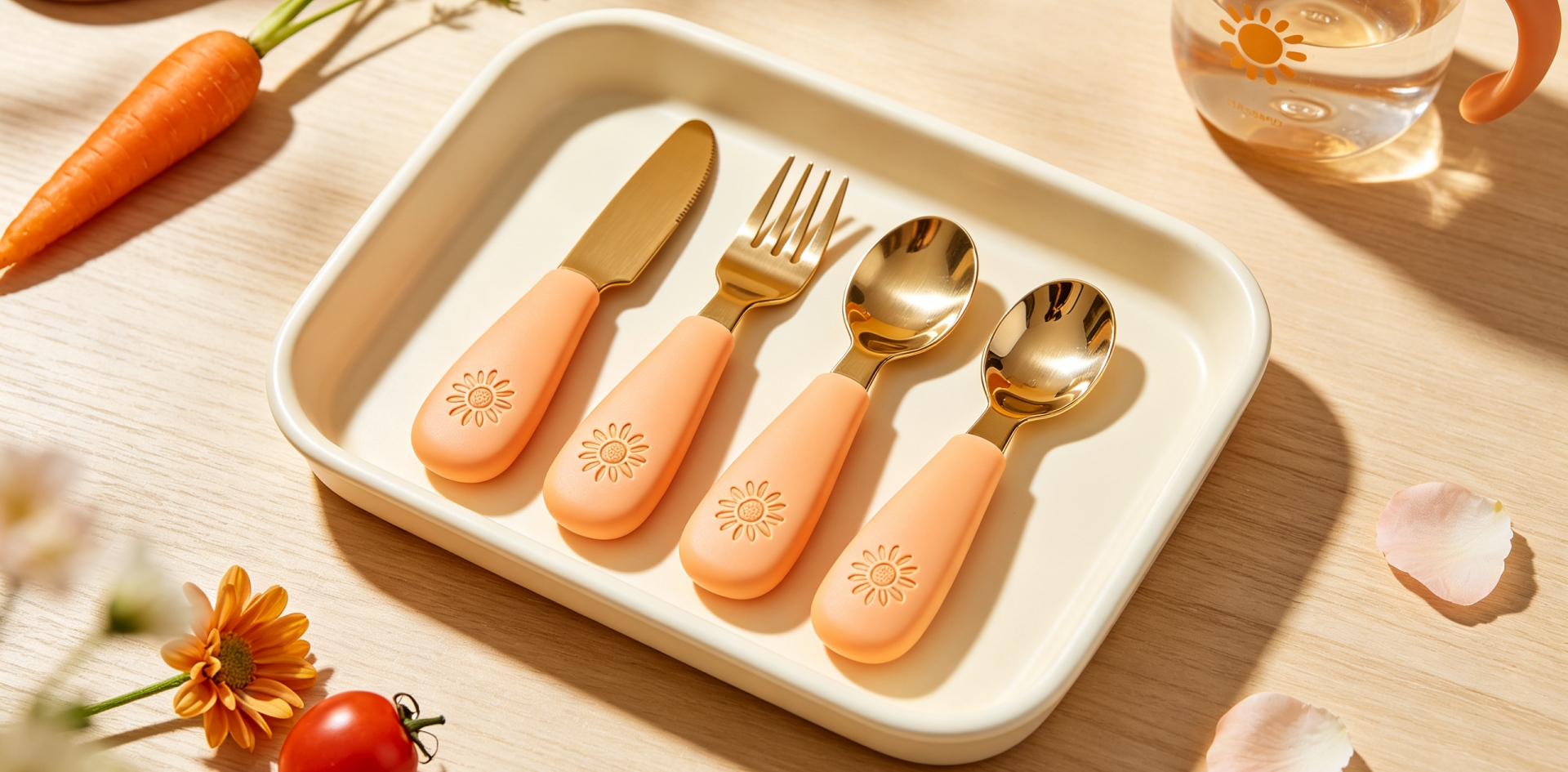
Stainless Steel Cutlery Polishing: A Detail That Shapes the Final Product
When buyers compare stainless steel cutlery from different suppliers, the first impression often comes from the surface. The shape may be similar, the material may be specified in the same way, and the dimensions may be close, but the final appearance can still feel very different.
For B2B buyers developing a new cutlery collection, polishing is therefore more than a finishing step. It is part of how the finished product presents itself to retailers, restaurants, hospitality customers and end users.
A well-controlled polishing process can help stainless steel knives, forks and spoons achieve a cleaner appearance, more consistent reflection and a more refined overall presentation. For OEM and private label projects, this becomes especially important when the same collection needs to be produced repeatedly and maintain a consistent visual standard.
Why Does Polishing Matter in Stainless Steel Cutlery?
Stainless steel cutlery goes through several forming and finishing operations before it becomes a finished product. After shaping, stamping, grinding and other processes, the surface may contain marks or uneven areas that need further treatment.
Polishing helps refine the surface and improve its appearance. Depending on the product design, the desired result may be a bright reflective surface, a softer satin appearance or another specified finish.
For a B2B buyer, the important point is not simply whether a product looks shiny. The finish should match the intended product positioning and remain reasonably consistent across different pieces and production batches.
This is particularly relevant when a brand sells a complete collection. If the spoon, fork and knife have noticeably different surface appearances, the collection may look less coordinated even when their basic designs are identical.
Polishing and Product Positioning
Different markets may have different expectations for stainless steel flatware. A premium retail collection may require a highly refined surface, while commercial foodservice products may prioritize a practical finish that combines appearance with everyday durability.
Neither approach is automatically suitable for every project. The correct finish depends on the product concept, target customer, price range and intended application.
This is why buyers working with a professional stainless steel cutlery manufacturer should communicate the expected surface appearance at the development stage.
Reference samples, product drawings and clear descriptions can help both sides establish a practical standard before bulk production begins.
Consistency Across a Cutlery Collection
For custom cutlery projects, consistency is often more important than achieving an impressive appearance on a single sample.
Imagine a collection containing several spoon sizes, multiple forks and different knife styles. Each piece may have a slightly different shape and production route. If polishing standards are not properly controlled, differences in surface appearance may become visible when all products are displayed together.
A capable cutlery factory needs to consider the collection as a whole rather than treating every SKU as an isolated product.
For private label brands, this is especially useful. A consistent surface finish helps different products look like part of the same brand family, even when the pieces serve different functions.
Polishing for OEM and Private Label Projects
OEM and private label buyers often start with a reference product, drawing, photograph or design concept. The final result, however, depends on how that concept is translated into an actual manufacturing specification.
Surface finishing should be included in that discussion.
A buyer may specify a polished appearance, but practical questions can still arise. How reflective should the surface be? Should the entire piece have the same appearance? Are certain areas intentionally different? Should the handle and working area share the same finish?
These details may seem small during product development, but they can become important once hundreds or thousands of pieces are produced.
A stainless steel cutlery manufacturer with experience in OEM production can help turn a visual requirement into a workable production standard. This makes it easier to evaluate samples and communicate expectations before placing a bulk order.
The Role of Quality Inspection
Polishing quality should not be considered separately from overall product inspection.
During production, buyers may also care about visible scratches, uneven areas, polishing marks, surface contamination, edge condition and consistency between individual pieces.
Inspection standards should reflect the actual requirements of the project. For example, a premium retail collection may require closer attention to appearance, while a high-volume commercial program may place greater emphasis on practical consistency across large quantities.
For B2B projects, defining these expectations in advance can reduce unnecessary misunderstandings between the buyer and supplier.
Choosing a Manufacturing Partner for Custom Cutlery
A reliable supplier should be able to discuss more than material and price. The manufacturer should understand how product design, forming, finishing and inspection work together.
This is particularly important when developing a custom stainless steel flatware collection.
An experienced factory can support buyers with different product requirements, including stainless steel knives, forks, spoons and complete cutlery sets. OEM, ODM and private label programs can also be developed according to the customer's specifications, target market and packaging requirements.
For brands planning a new collection, it is useful to provide as much information as possible when requesting a quotation. Product drawings, reference samples, estimated quantities, desired finish and target market can all help the manufacturer understand the project more accurately.
From Sample to Bulk Production
The sample stage provides an opportunity to confirm whether the visual appearance matches the intended product direction.
Once the sample is approved, the same requirements can be carried forward into bulk manufacturing. For larger B2B programs, keeping the approved sample as a reference can also help both sides maintain a common understanding of the finished product.
This approach is useful when a brand plans repeat orders or expects to expand its collection later.
A well-defined finishing requirement can make future communication easier because the supplier has a clear reference for what the customer expects.
Building Better Stainless Steel Flatware Products
Polishing may happen near the end of the manufacturing process, but its influence can be seen immediately when a finished piece reaches the customer's hand.
The surface affects how the product looks under retail lighting, how individual pieces appear when placed together and how a complete collection communicates its overall quality.
For wholesalers, distributors, hospitality suppliers and private label brands, these details can contribute to the way a stainless steel cutlery range is presented in the market.
The goal is not simply to make stainless steel cutlery look shiny. The goal is to create a controlled and repeatable finish that fits the product concept and remains practical for the intended application.
If you are developing a new stainless steel cutlery collection, working with the right manufacturing partner from the beginning can make the process more straightforward. A clear product specification, appropriate sample development and practical quality standards provide a stronger foundation for successful bulk production.
For businesses looking for OEM, ODM or private label stainless steel cutlery, a detailed project discussion is a useful starting point. Share your design, required products, estimated quantity and finishing expectations, and the manufacturer can evaluate the project and prepare a suitable quotation.
Request a Custom Stainless Steel Cutlery Quote
Discuss Your OEM Cutlery Project
Get a Wholesale Flatware Price
Start Your Private Label Cutlery Project
Edelstahlbesteck: Warum der Übergang zwischen Griff und Funktionsteil wichtig ist
Couverts Inox Empilables : Un Détail de Design Important pour les Projets B2B
Related Article



