
Stainless Steel Cutlery Polishing Quality for Consistent B2B Orders
Stainless Steel Cutlery Polishing Quality for Consistent B2B Orders
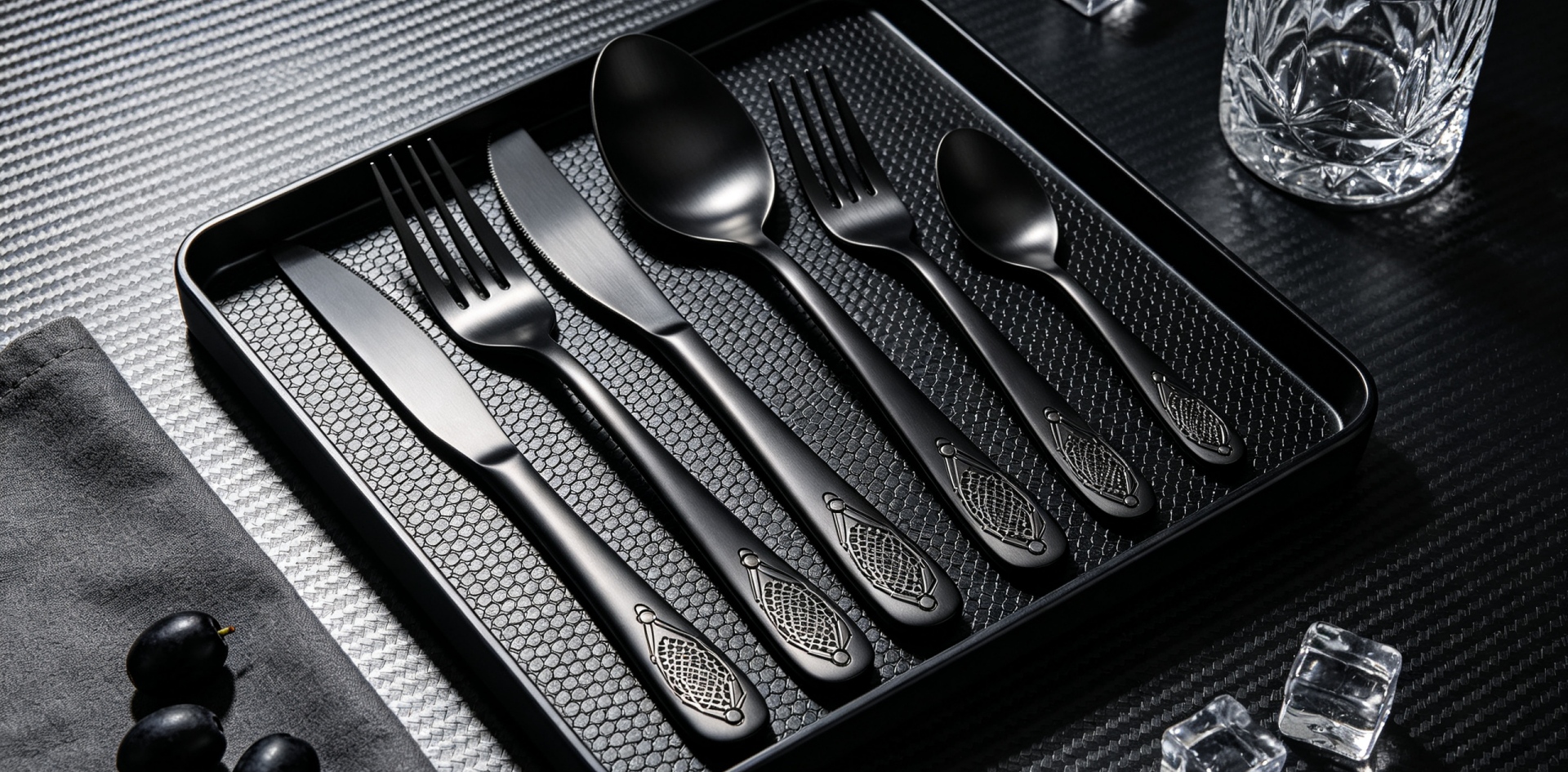
Polishing is one of the important finishing stages in stainless steel cutlery production. For spoons, forks and knives, the quality of polishing affects the overall appearance, surface consistency and presentation of the finished product. For B2B buyers purchasing large quantities, consistent polishing is particularly important because every piece in the shipment should meet the approved product standard.
A stainless steel cutlery product can have the correct material, shape and dimensions but still create a different impression if the polishing quality is inconsistent. Uneven polishing, visible marks or differences between production batches can affect how a cutlery collection looks when displayed, packed or used in commercial environments.
For this reason, polishing should be treated as part of the complete product quality process rather than simply a final cosmetic step.
Why Polishing Matters for Stainless Steel Cutlery
Stainless steel cutlery goes through multiple manufacturing stages before reaching the final customer. After forming and other production processes, the surface may contain marks or visual differences that need to be processed before the product is ready for shipment.
Polishing helps create a more uniform appearance across stainless steel spoons, forks and knives. A well-controlled process can make the surface look cleaner and more consistent while helping the finished products match the approved sample.
For B2B buyers, this consistency is especially important when hundreds, thousands or larger quantities of cutlery pieces are purchased under the same order. The customer may display multiple pieces together, pack them in the same set or supply them to restaurants, hotels and other commercial users.
A consistent surface therefore contributes to the overall perception of the product.
Polishing Requirements for Spoons, Forks and Knives
Although spoons, forks and knives are all stainless steel cutlery, their structures are different. This means the polishing process needs to take the product shape into consideration.
A spoon has a curved bowl and handle, while a fork contains multiple tines that require careful treatment. A knife has its own blade and handle structure, creating different areas that need to be controlled during finishing.
The objective is not simply to make every surface look bright. The polishing process needs to follow the approved product design and finish requirement so that the final appearance remains consistent with the customer's expectations.
For a B2B project, buyers should therefore confirm the desired appearance during the sampling stage rather than relying only on a general description such as "polished stainless steel."
Sample Approval and Polishing Standards
A physical sample provides a useful reference for evaluating stainless steel cutlery polishing quality. Buyers can inspect the actual appearance under normal lighting and compare different pieces from the same sample set.
Important details may include surface uniformity, visible polishing marks, transitions between different areas and the overall appearance of the spoon, fork or knife.
Once the sample has been approved, it can serve as a reference for bulk production. This is particularly useful for private label and OEM projects where the buyer expects future orders to maintain the same appearance.
For repeat business, a clear approved sample and product specification can reduce uncertainty between different production batches.
Consistency During Bulk Stainless Steel Cutlery Production
For large-volume orders, maintaining polishing consistency requires more than checking a small number of finished pieces.
Production teams need to control the process throughout the order and identify unusual surface conditions before the products are packed and shipped. Inspection procedures can be arranged according to the customer's quality requirements and order specifications.
For distributors and importers, this is important because they may receive products from one production batch and later reorder the same model. If the appearance changes significantly between orders, the difference can become noticeable to their customers.
A stable manufacturing process helps reduce this risk and provides a stronger foundation for long-term B2B cooperation.
Polishing Quality and Product Positioning
Different stainless steel cutlery products can be developed for different commercial markets. A product intended for everyday retail distribution may have different appearance requirements from a collection designed for restaurants, hotels or premium hospitality projects.
The polishing requirement should therefore be considered together with the intended market and product positioning.
Buyers can communicate their target price level, application, reference products and expected appearance when discussing a new project. This gives the manufacturer more information when evaluating the appropriate production solution.
The purpose is to balance appearance, manufacturing requirements and commercial expectations rather than choosing a finishing process without considering the complete product.
How Factories Control Cutlery Polishing
A professional stainless steel cutlery factory normally coordinates polishing with the other stages of production. Product shape, material, forming condition and finishing requirements can all influence the final result.
Quality inspection can then be used to identify surface defects or inconsistencies before the products move to packaging.
For B2B buyers, it is useful to ask manufacturers how they handle sample approval, production references and quality inspection. These questions can provide a clearer understanding of how the factory manages consistency during bulk orders.
This is especially relevant when the buyer is developing a new stainless steel flatware collection and plans to reorder the same products in the future.
Polishing for OEM and Private Label Cutlery
OEM and private label projects often require a higher level of consistency because the stainless steel cutlery represents the buyer's own brand.
When a company develops its own spoon, fork or knife collection, the approved sample becomes an important reference for future manufacturing. Polishing quality should therefore be included in the product specification together with other requirements.
Homefelt factory can support OEM/ODM and private label stainless steel cutlery projects, including product development, sample confirmation, production, quality control, packaging and large-volume orders.
Customers can provide existing product references, drawings, samples or other specifications. The factory can then discuss the practical manufacturing requirements based on the project.
Supporting Long-Term Cutlery Orders
A B2B stainless steel cutlery order is often part of a longer purchasing relationship. A distributor may initially purchase several models and later add more products. A restaurant supplier may reorder the same collection according to customer demand.
In these situations, maintaining consistent production standards becomes increasingly important.
An experienced manufacturer can keep the approved product information as a reference for future orders. This can help purchasing teams communicate requirements more efficiently and reduce unnecessary repeated discussions when the same products are reordered.
For customers developing their own cutlery brands, consistency can also make it easier to expand the product range while maintaining a recognizable product identity.
Choosing a Stainless Steel Cutlery Manufacturing Partner
When comparing stainless steel cutlery suppliers, buyers can look beyond price and minimum order quantity. Manufacturing experience, quality control procedures, sample management, production capacity and communication can all affect the final result of a bulk order.
Homefelt factory has 40 years of experience in the stainless steel cutlery business and provides stainless steel spoon, fork and knife customization for B2B customers. The factory supports OEM/ODM, private label, wholesale and large-volume production, allowing customers to discuss different requirements within one manufacturing relationship.
The team can also assist with product development, packaging and shipping arrangements according to the customer's project requirements.
Stainless Steel Cutlery Handle Joint Quality for B2B Orders
Stainless Steel Cutlery Logo Customization for Private Label Brands
Related Article



