
Stainless Steel Cutlery Price Range Planning for B2B Brands
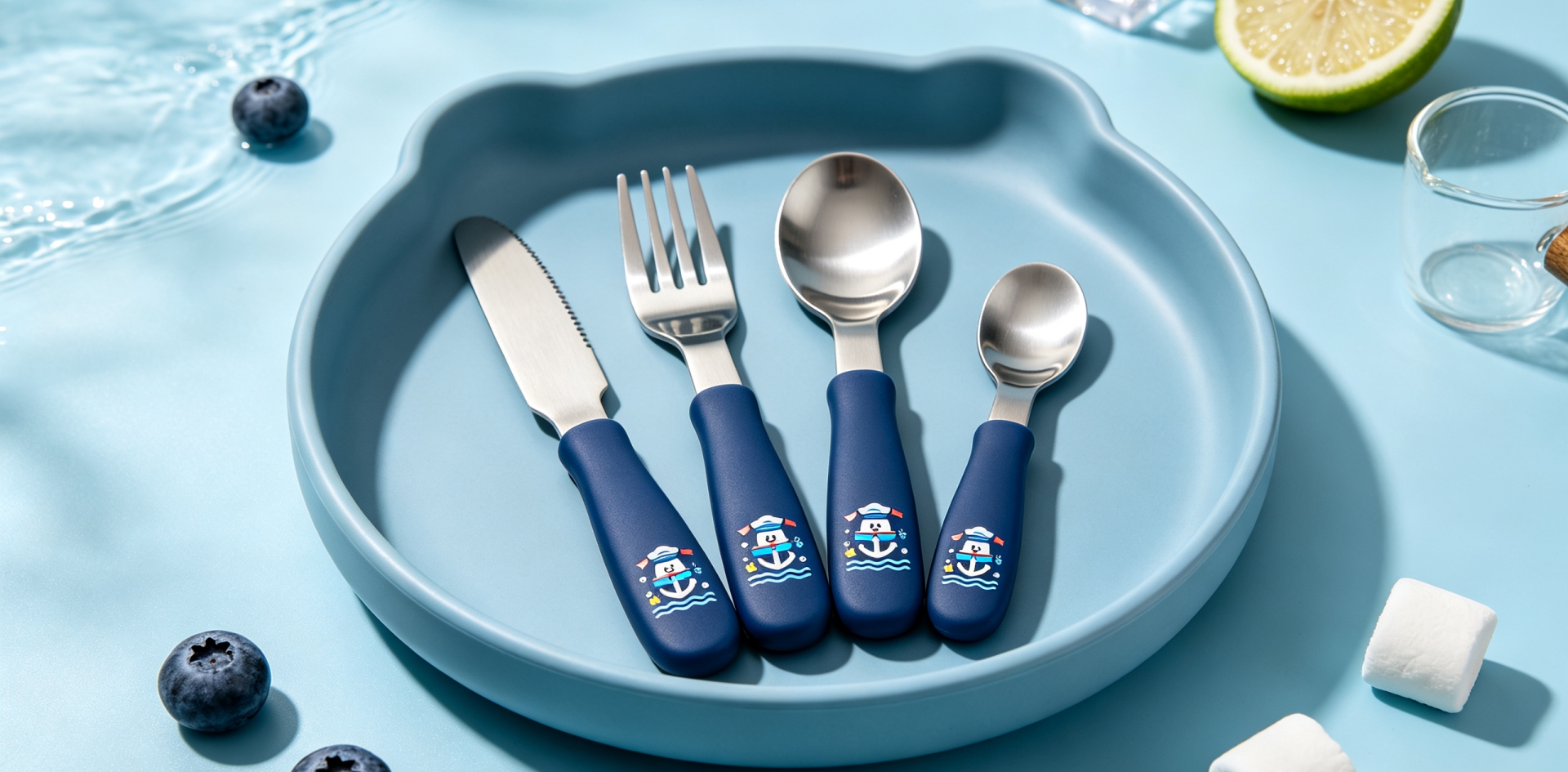
Stainless Steel Cutlery Price Range Planning for B2B Brands
A stainless steel cutlery collection does not always need to target only one type of customer. For wholesalers, retailers and private label brands, offering products at different price positions can create more flexibility across sales channels.
A practical range might include an accessible everyday collection, a more detailed mid-range design and a premium stainless steel flatware option.
The objective is not simply to create different prices. Each product level should have a clear reason to exist and a specification that matches its intended market.
Why Build Different Price Positions?
B2B customers often serve different types of end markets.
A distributor may supply both independent retailers and larger chains. A private label brand may sell through several channels with different customer expectations. A wholesaler may need products for both entry-level and higher-value programs.
A single stainless steel cutlery design may not suit all of these requirements.
Creating several product positions allows a business to organize its assortment around different commercial opportunities.
Define the Role of Each Product Level
Before developing several products, it is useful to define what each price position is intended to achieve.
An entry-level collection may focus on practical specifications, straightforward design and efficient wholesale supply.
A mid-range collection can introduce additional design details, refined proportions or upgraded presentation.
A premium range may focus more strongly on distinctive design, special finishes, customized details or higher-end packaging.
The exact structure depends on the buyer's market and brand positioning.
Different Does Not Mean Unrelated
Products at different price positions can still belong to the same overall brand.
For example, a company may use a consistent design language across several stainless steel knife, fork and spoon collections while changing selected features for different market segments.
Handle details, surface treatments, product weight, packaging and other specifications can be adjusted without making the collections look completely unrelated.
This can help a brand maintain recognition across its product range.
Consider the Core Product
Knives, forks and spoons form the foundation of many stainless steel cutlery collections.
When developing multiple price positions, buyers can start by establishing the core requirements for these products.
The entry collection may use a straightforward handle and standard presentation.
A higher-level collection may introduce a more distinctive handle design, refined surface treatment or additional customization.
The important point is to ensure that each level provides a meaningful difference rather than simply changing the product name.
Use Design Features Carefully
Custom design details can help differentiate stainless steel flatware collections.
A handle shape, decorative element or special surface treatment can create a different visual impression.
However, every additional feature should be considered together with manufacturing requirements.
For OEM and ODM projects, the factory can review the design and discuss how the selected features can be produced consistently at the intended order volume.
This helps connect product positioning with practical manufacturing.
Packaging Can Reinforce Product Positioning
Packaging is another way to distinguish different product levels.
A wholesale collection may use efficient bulk packaging, while a retail-oriented private label range may require more detailed presentation.
A premium collection may use specially designed packaging that emphasizes the product's design and brand identity.
Packaging should support the product's intended position rather than creating a disconnect between the product and how it is presented.
Consider the Sales Channel
The same stainless steel cutlery product can be presented differently depending on the sales channel.
A distributor may sell individual pieces or bulk packs. A retailer may focus on complete cutlery sets. A private label brand may combine individual products with giftable sets.
The product assortment should therefore be designed around the actual purchasing environment.
This can help buyers avoid developing products that are difficult to position within their existing sales structure.
Avoid Too Many Similar Products
A larger catalog does not automatically create a stronger product range.
If several stainless steel spoons, forks or knives are almost identical in appearance and specifications, buyers may find it difficult to understand why each product exists.
A more practical approach is to give each product a clear role.
The differences can come from design, finish, product configuration, packaging or intended market.
This makes the collection easier for sales teams and distributors to explain.
Work With the Factory Early
When a brand plans several product levels, it is useful to discuss the concept with the stainless steel cutlery manufacturer early in the process.
The factory can review the intended products and identify which specifications can be shared across the range and which need separate development.
This can help the buyer organize the collection before moving into sample development and bulk production.
For a growing brand, early communication can also make future product additions easier to manage.
OEM and ODM for Different Product Positions
OEM manufacturing can be suitable when a buyer already has defined product designs for each price position.
ODM manufacturing can be useful when the buyer wants support in developing products around a particular market direction.
Both approaches can be combined within one B2B cutlery program.
For example, a brand may use an existing factory design for its core wholesale range while developing customized stainless steel flatware for a higher-value private label collection.
Homefelt Factory for B2B Cutlery Programs
Homefelt factory specializes in stainless steel knives, forks, spoons and complete flatware sets for B2B customers.
The factory supports OEM, ODM and private label manufacturing for wholesalers, distributors, retailers and brands, including wholesale and large-volume production.
Buyers can provide existing product references or develop new designs according to their target market and product positioning.
For a brand building several stainless steel cutlery price positions, this approach allows the product range to be developed with both commercial requirements and manufacturing considerations in mind.
Build a Clearer Commercial Cutlery Range
A well-planned stainless steel cutlery assortment can serve more than one customer segment without becoming unnecessarily complicated.
The key is to give each product position a clear purpose and make sure the differences are supported by real product characteristics.
Whether you are developing a wholesale collection, retail range or private label flatware program, discussing the intended market and product positioning with the manufacturer can provide a useful starting point.
Custom Stainless Steel Cutlery Manufacturing
OEM and ODM Stainless Steel Flatware
Private Label Cutlery Production
Stainless Steel Cutlery Factory Assessment for B2B Buyers
Stainless Steel Cutlery Batch Sampling for B2B Orders
Related Article



