Stainless Steel Cutlery for Different Price Points: A B2B Range Strategy
Stainless Steel Cutlery for Different Price Points: How B2B Brands Can Build a Balanced Range
A successful stainless steel cutlery business does not always depend on having one product at one price. For many B2B brands, wholesalers and distributors, customers with different budgets may need different product options.
A retailer may want an affordable everyday cutlery set, while another customer may be looking for a more refined design with additional details. A distributor may also need several options to serve different sales channels.
This is where a clearly structured cutlery range can make a difference.
Instead of offering products that compete directly with each other, a B2B buyer can build several price levels, with each collection having a clear purpose. Stainless steel knives, forks, spoons and cutlery sets can then be positioned according to design, specifications, presentation and target customer.
Why Different Price Points Matter in B2B Cutlery
Customers do not all make purchasing decisions for the same reasons.
Some buyers focus strongly on cost and practical everyday use. Others are willing to pay more for a distinctive appearance, a more developed design or a stronger brand presentation.
If a distributor offers only one type of stainless steel flatware, it may miss opportunities in other parts of the market.
A multi-level range provides more flexibility. The entry-level collection can address price-sensitive customers, while a higher-level collection can target buyers looking for greater design value.
For B2B companies, this can create a broader sales structure without requiring every product to serve the same commercial purpose.
Building a Clear Entry-Level Collection
An entry-level stainless steel cutlery range should have a clear commercial objective.
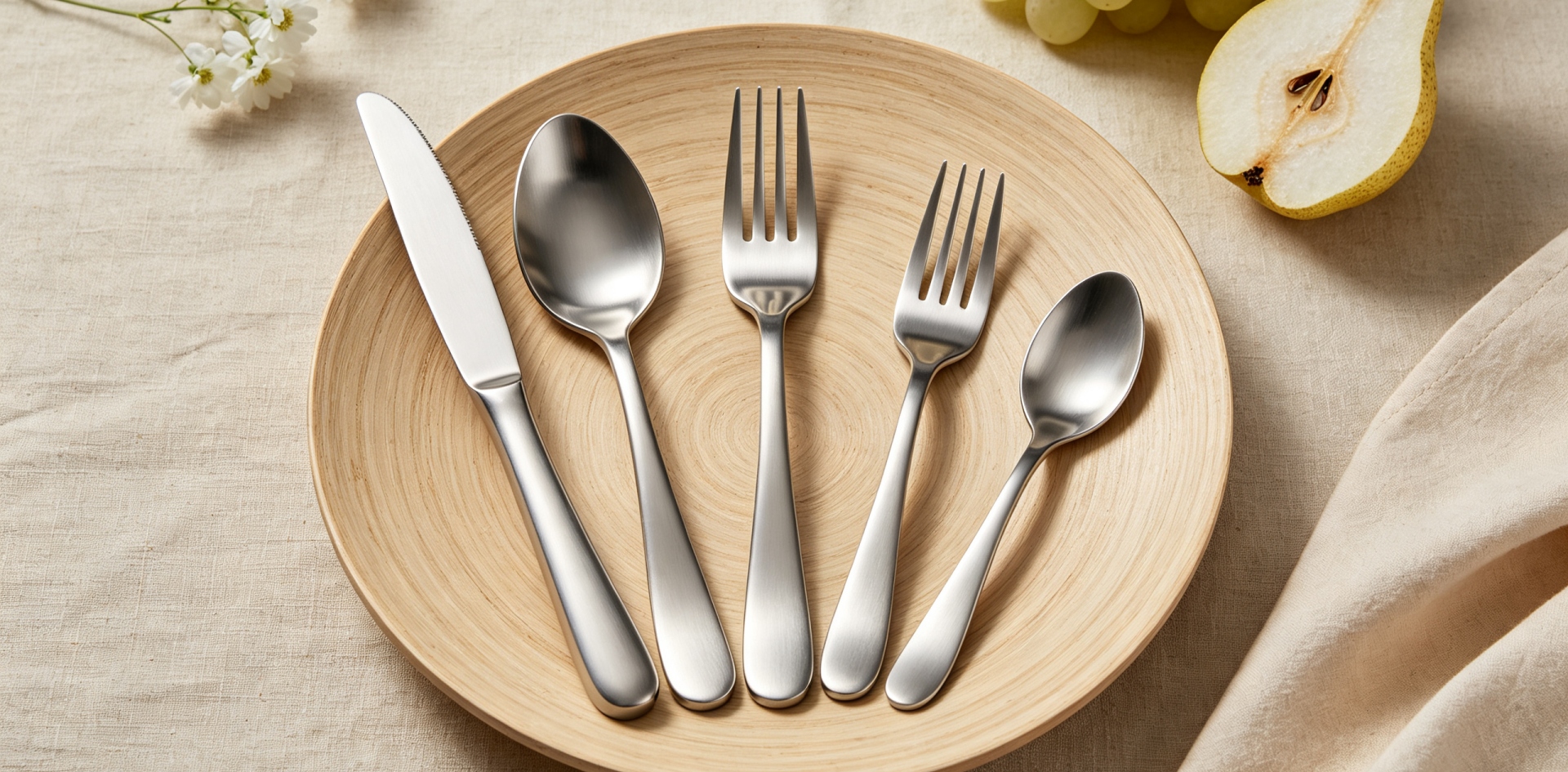
The focus can be on practical design, efficient production and broad usability. Simple knives, forks and spoons can provide a strong foundation for customers who want functional flatware at an accessible price.
This does not mean that the product should appear poorly designed. Even a straightforward cutlery collection should have balanced proportions, a consistent appearance and a professional presentation.
For wholesalers, an entry-level range can be useful for serving customers who prioritize affordability and reliable everyday use.
A Mid-Range Collection with More Design Value
The middle of the range is often where a B2B brand can create the greatest variety.
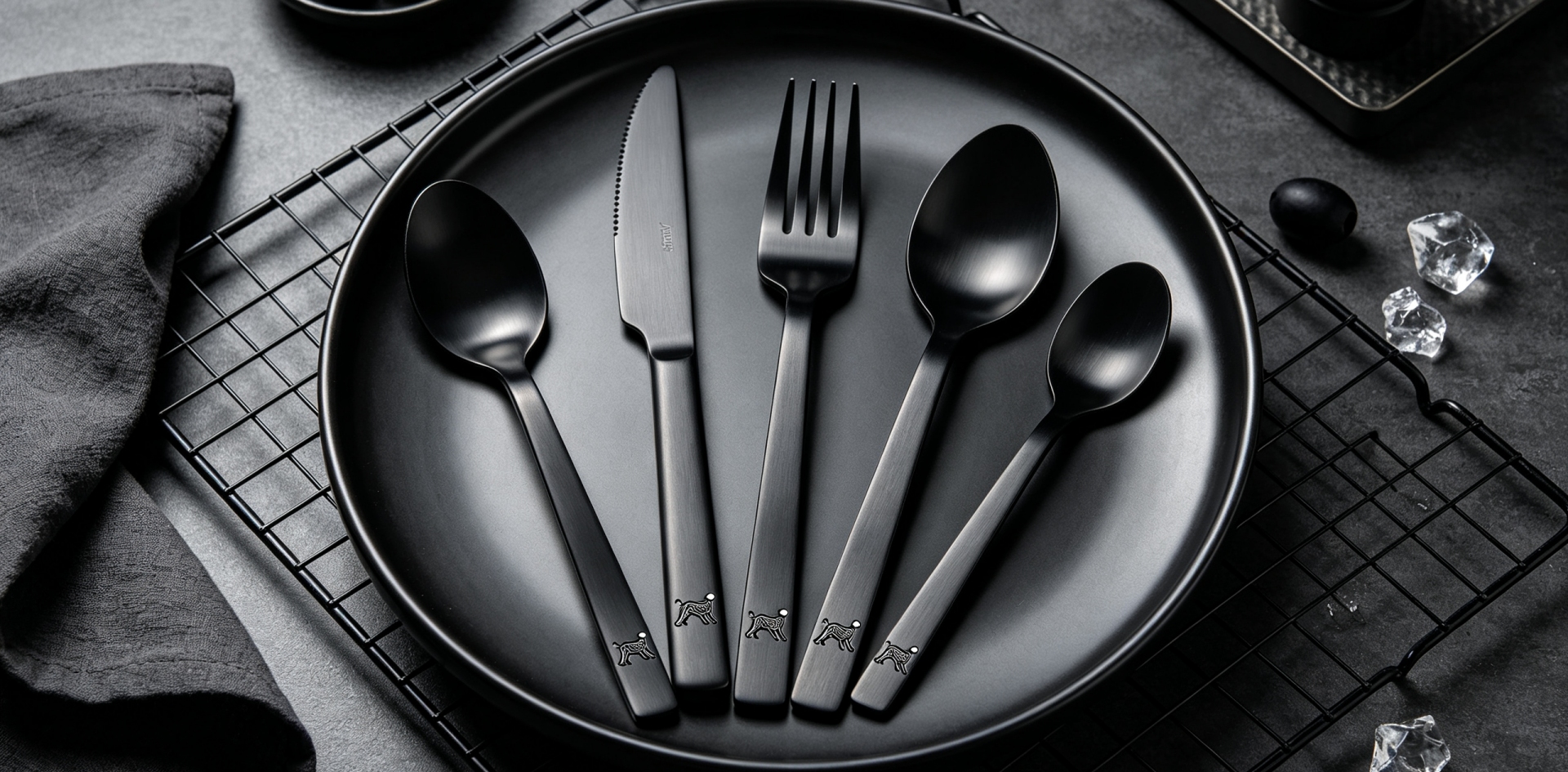
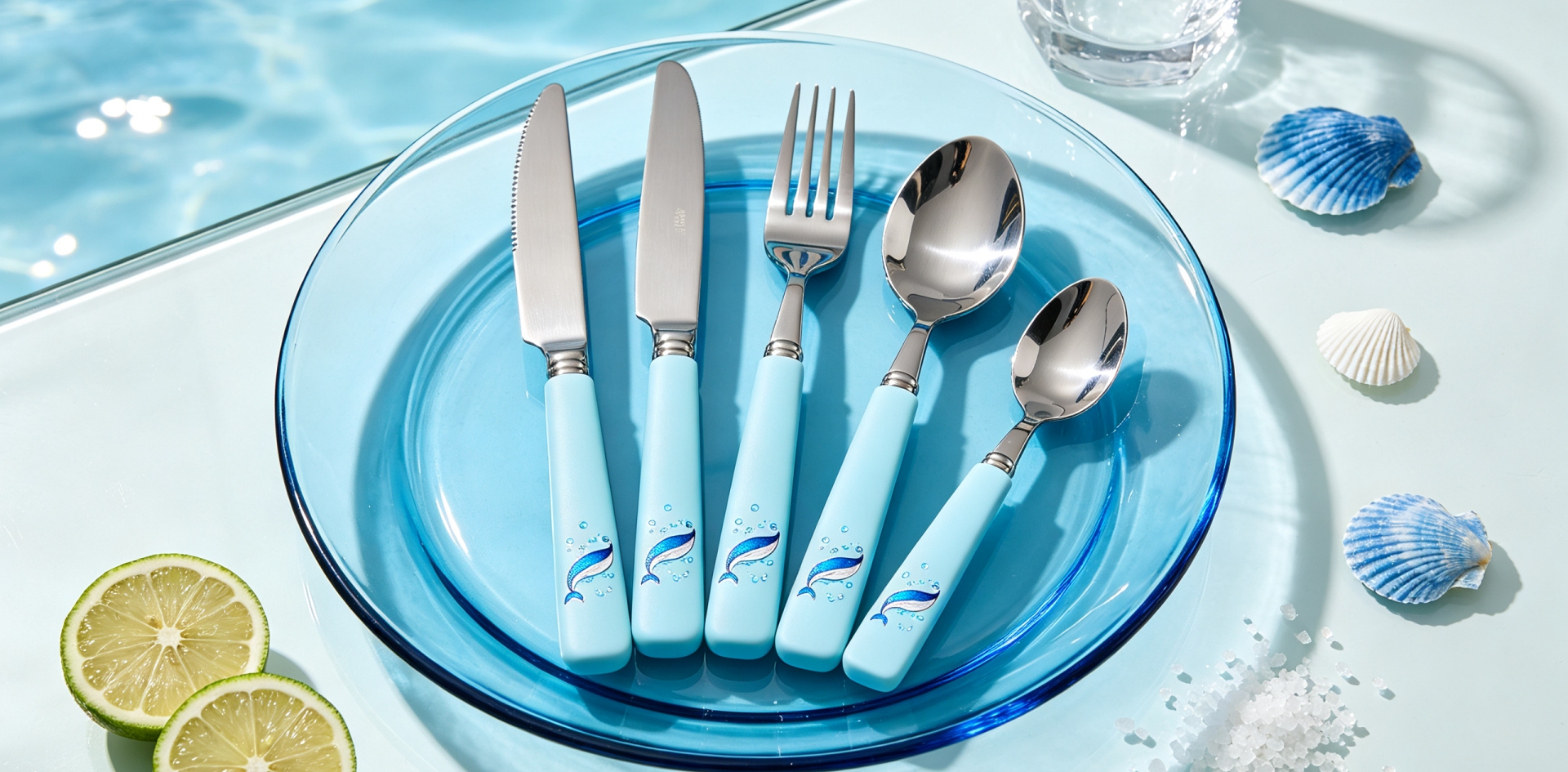
A mid-range stainless steel cutlery collection can introduce more distinctive handle shapes, refined proportions or additional design elements while remaining suitable for a broad customer base.
This type of collection can work well for retailers and distributors that want products with a stronger visual identity without moving into a highly specialized market position.
For a private label brand, the mid-range can also become an important part of its core collection.
Premium Cutlery Requires a Different Approach
A higher price point should not simply mean adding random decorative details to an existing product.
Premium positioning usually works better when several elements support the same concept.
The shape of the knife, fork and spoon should feel deliberate. The design language should be consistent. The overall appearance should communicate why the product belongs at a higher price level.
For B2B brands, this means that premium stainless steel flatware should be developed as a complete product concept rather than simply treated as a more expensive version of a basic model.
The Role of Design in Price Positioning
Design is one of the most visible ways to separate different cutlery collections.
Two products may both be manufactured from stainless steel, yet their appearance can be completely different.
Handle proportions, overall silhouette, decorative details and surface appearance can all influence how a buyer perceives the product.
For a manufacturer, the challenge is to translate the desired market position into a product that can be manufactured consistently.
For the buyer, the goal is to make sure the design supports the intended selling price.
This is particularly important for private label projects, where the product itself needs to communicate the brand's positioning.
Avoiding Overlap Between Different Collections
When several price levels are offered, each collection should have a clear reason to exist.
If two products look almost identical but have significantly different prices, customers may find it difficult to understand the difference.
On the other hand, if the products are too different, the overall brand may lose its visual identity.
A well-structured range finds a middle ground. The collections can share certain brand characteristics while offering meaningful differences in design and product presentation.
This makes it easier for sales teams, distributors and retailers to explain the range to their customers.
How B2B Manufacturers Can Support Multiple Price Levels
An experienced stainless steel cutlery manufacturer can work with buyers on different product configurations.
A distributor may request several standard models for different customer groups. A brand may develop a private label collection with different levels of design. An importer may want to combine established products with customized models.
In each case, the manufacturing partner needs to understand the commercial purpose behind the product.
The objective is not simply to produce three different prices. It is to create products that make sense at their respective positions.
This requires communication about target customers, design direction, expected quantities and the overall role of each collection.
Using OEM Manufacturing for a Structured Range
OEM manufacturing can give brands more flexibility when developing several price levels.
Instead of choosing unrelated products from different sources, a company can work with one stainless steel cutlery manufacturer to develop a coordinated range.
The products can share a common design language while having different levels of detail.
This approach can be especially useful for brands that want to build recognition across multiple collections.
It also allows the buyer to communicate one overall brand concept to the manufacturing partner instead of managing completely separate development projects.
How Distributors Can Use Multiple Price Levels
For distributors, a tiered cutlery range can simplify product selection for different customers.
A foodservice buyer may require a practical and economical product. A retail customer may prefer a more distinctive design. A specialty brand may be interested in a higher-positioned collection.
Instead of searching for completely different suppliers for every segment, the distributor can organize these requirements within a structured stainless steel flatware program.
This can make the sales process easier because each product has a clear role.
Private Label Opportunities Across Different Tiers
Private label brands can also use several price levels to reach different customer groups.
A company might develop a core collection for everyday use and introduce a more distinctive collection for customers looking for additional design value.
The two ranges can still share the same brand identity.
This approach gives the brand more room to grow without having to create an entirely new identity every time it enters another price segment.
For a manufacturer, it also creates opportunities to support the brand with knives, forks, spoons and complete flatware sets across several collections.
The Importance of a Consistent Product Story
Price alone should not define a collection.
Each range should have a clear product story. Buyers should be able to understand what makes one collection different from another.
The entry-level range may emphasize practicality. The core collection may focus on balanced design and everyday versatility. A higher-positioned range may emphasize distinctive styling and stronger product presentation.
When these messages are clear, distributors and retailers have an easier time presenting the products to their own customers.
Turning Price Strategy into a Manufacturing Project
Before approaching a manufacturer, B2B buyers can prepare a simple structure for their planned range.
They can define the target price level, preferred product style, expected quantities and the types of knives, forks, spoons or cutlery sets required for each collection.
Reference products or images can also help communicate the desired direction.
With this information, a manufacturer can better understand the project and discuss which designs and production solutions are appropriate for each level.
This is particularly useful when the buyer wants to develop a long-term private label or wholesale program rather than purchase a single standard product.
A balanced stainless steel cutlery range gives B2B brands and distributors more ways to serve their customers. By separating products according to clear price positions while maintaining a consistent brand identity, companies can build a collection that is easier to sell and easier to expand.
Whether you need practical wholesale flatware, a core private label collection or a more distinctive OEM range, the right manufacturing partner can help turn your commercial positioning into stainless steel knives, forks, spoons and cutlery sets designed for your target market.
If you are planning stainless steel cutlery at different price levels, you can send your product ideas, target quantities and preferred positioning to a manufacturer. This provides a practical starting point for discussing custom designs, OEM production and a B2B quotation for your planned collection.
Request a Quote for Stainless Steel Cutlery
Develop a Multi-Level Private Label Flatware Range
Individuelle Edelstahlbesteck-Abmessungen für B2B und Private Label
Couverts inox de remplacement : une solution B2B pour le réassort professionnel
Related Article