
Stainless Steel Cutlery Product Assortment for B2B Brands
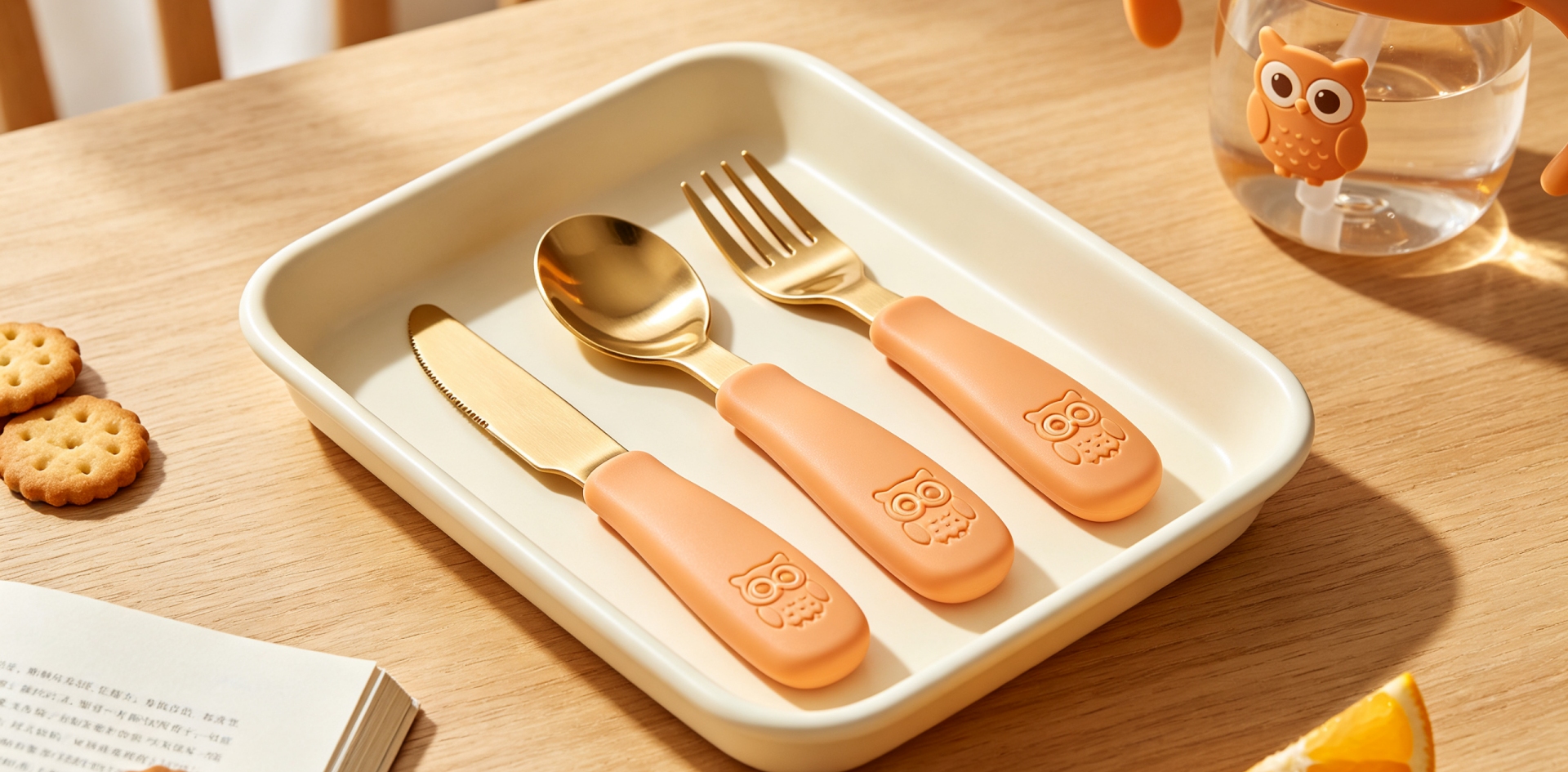
Stainless Steel Cutlery Product Assortment for B2B Brands
A successful stainless steel cutlery collection is rarely built by simply adding as many products as possible. For B2B brands, distributors and retailers, the more important question is whether the assortment creates a practical and commercially useful product range.
A well-planned collection can include the right combination of knives, forks, spoons and cutlery sets while keeping the overall range easy to understand, manufacture and expand.
For buyers working with an OEM, ODM or private label manufacturer, assortment planning is therefore an important part of product development.
Start With the Purpose of the Collection
Before selecting individual cutlery products, it helps to define what the collection needs to achieve.
A retail brand may need a coordinated range that can be presented across different price points. A distributor may want several styles that can serve different customers. A hospitality supplier may require core pieces that can be purchased repeatedly in commercial quantities.
The purpose of the collection influences the number of products, design relationships, finishes, packaging formats and production requirements.
Instead of developing unrelated products, buyers can create a clear product structure where each SKU has a specific role.
Build Around Core Cutlery Pieces
Most stainless steel flatware collections begin with the basic knife, fork and spoon combination.
A B2B assortment may then expand with additional pieces depending on the target market. For example, a collection can include dinner knives, dinner forks, table spoons, teaspoons and selected dessert pieces.
The exact assortment should be based on the intended sales channel rather than simply following a standard list.
For some buyers, a compact collection with a few strong designs is more practical. For others, offering several coordinated styles can help cover different customer preferences.
The key is to make each additional SKU meaningful.
Keep the Collection Visually Connected
When several cutlery designs are sold under one brand, visual consistency can be important.
The knife, fork and spoon do not have to be identical in every dimension. However, their proportions, handle language, surface treatment and overall appearance can be developed as part of the same collection.
This becomes particularly relevant for private label projects.
A coordinated collection gives buyers more flexibility when creating product pages, catalogs, retail displays and wholesale presentations. Customers can recognize that different pieces belong to the same product family.
For OEM and ODM development, the factory can review individual designs together to help maintain consistency across the collection.
Balance Standard Products With Custom Designs
Not every SKU in a B2B collection needs to start from a completely new design.
A practical approach may combine selected existing stainless steel cutlery designs with customized elements.
For example, a buyer may use a proven fork and spoon shape while developing a distinctive handle for the collection. Another brand may select an existing knife profile but request a different finish or branding detail.
This allows the product range to remain commercially distinctive while keeping development manageable.
A manufacturer experienced in custom stainless steel flatware can discuss which parts of the collection can be adapted and which may require new tooling or development.
Plan the Range in Product Families
Grouping products into families can make a collection easier to manage.
A buyer could organize products according to design style, handle shape, finish or target market. Each family can then contain several related knives, forks and spoons.
This structure can also make future expansion easier.
For example, once a core handle design has been established, additional cutlery pieces may be developed around the same design language. The collection can therefore grow without appearing disconnected.
For B2B brands, this can be useful when introducing new products over time rather than launching a very large assortment at once.
Consider Commercial Quantities From the Beginning
Product assortment planning should also consider expected order quantities.
A design that looks attractive as a single sample still needs to work within the requirements of commercial production. Material usage, production methods, finishing requirements, packaging and expected volumes can all influence the final product decision.
Discussing these factors with the manufacturer early can help buyers understand how different products fit into a larger wholesale program.
This is particularly important when the collection contains multiple customized SKUs. Each product may have its own production requirements, while the buyer still needs the complete collection to remain commercially practical.
Prepare a Clear Assortment File
Before requesting a quotation, buyers can prepare a simple assortment document.
Useful information can include:
-
Product name or SKU
-
Product type
-
Reference image or drawing
-
Stainless steel specification
-
Approximate dimensions
-
Finish
-
Handle requirements
-
Logo or branding requirements
-
Packaging requirements
-
Estimated quantity
-
Target market or sales channel
The purpose is not to create complicated documentation. A clear assortment file simply gives the factory a complete picture of the collection.
This can make it easier to discuss which products are standard, which are customized and which require further development.
Supporting Private Label Flatware Collections
Private label brands often need their cutlery assortment to look distinctive while remaining suitable for repeat production.
The collection may begin with several core products and later expand into additional knives, forks, spoons or complete flatware sets.
Working with one experienced manufacturer can help maintain continuity as the collection develops.
Homefelt factory provides stainless steel cutlery customization for B2B customers, including knives, forks, spoons and complete flatware sets. OEM, ODM and private label programs can be developed around individual products or coordinated collections, depending on the buyer's requirements.
From Assortment to Wholesale Production
Once the product assortment is established, the next step is to confirm specifications, quantities, packaging and commercial requirements for each SKU.
A good assortment plan should make this transition easier because every product already has a defined position within the collection.
For distributors and wholesalers, this can create a clearer catalog structure. For retail brands, it can support a more consistent product launch. For importers, it can provide a practical basis for requesting quotations and comparing production options.
The goal is not simply to create more stainless steel cutlery products. It is to create a collection where each knife, fork, spoon or set has a clear commercial purpose.
A B2B buyer preparing a new stainless steel flatware range can start by defining the target market, selecting the core products and identifying which elements require customization. With a clear assortment plan, the manufacturer can then review the project and provide suitable OEM, ODM, private label or wholesale production solutions.
Custom Stainless Steel Flatware Collections
OEM & ODM Stainless Steel Cutlery Manufacturing
Private Label Stainless Steel Cutlery
Stainless Steel Cutlery Master Samples for B2B Production
Stainless Steel Cutlery Order Consolidation for B2B Buyers
Related Article



