
Stainless Steel Cutlery Product Brief for B2B Projects
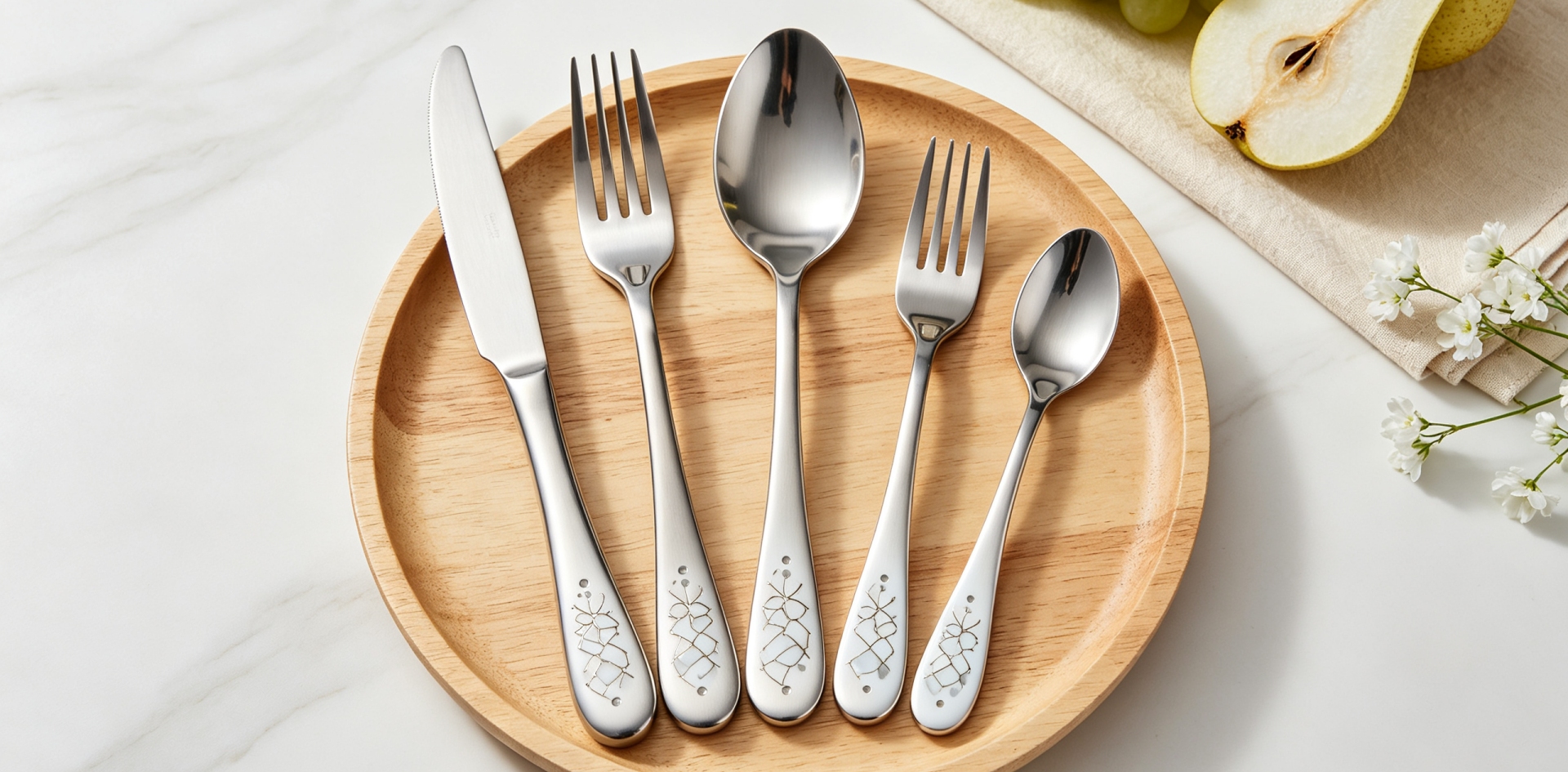
Stainless Steel Cutlery Product Brief for B2B Projects
A stainless steel cutlery project often starts with a simple idea: a new spoon design, a branded fork, a complete flatware set or a product range for an upcoming collection.
Turning that idea into a factory quotation, sample and bulk order becomes much easier when the buyer can provide a clear product brief.
For importers, wholesalers, retailers and private label brands, a good product brief does not need to be complicated. It simply needs to give the manufacturer enough information to understand what needs to be developed.
Why a Product Brief Matters
A stainless steel cutlery manufacturer may receive inquiries from many different types of buyers. Some customers have finished technical drawings, while others may only have photographs, reference samples or an initial concept.
The clearer the information, the easier it is for both sides to understand the project.
A product brief creates a common reference for the buyer and factory. It helps organize design requirements, product expectations and commercial information before development begins.
This is especially useful when a project includes several knives, forks, spoons or complete cutlery sets.
Start With the Intended Product
The first part of the brief should explain what products the buyer wants to develop.
This could be a table knife, dinner fork, stainless steel spoon, teaspoon or complete flatware set. If several products belong to the same collection, each item can be identified separately.
The buyer can also explain how the products will be sold.
For example, the range may be intended for retail packaging, wholesale distribution, hospitality supply or a private label brand.
This background gives the manufacturer a better understanding of the project before specific production details are discussed.
Provide Reference Images or Samples
Visual references are often extremely useful during the early stage of a custom cutlery project.
A buyer can provide photographs, sketches, existing products or physical samples to show the desired appearance.
Images can communicate details that are difficult to describe with words, including handle shape, decorative elements, overall proportions and surface appearance.
If a specific part of the reference product must be changed, it is helpful to identify that difference clearly.
For example, the buyer may want to keep the handle shape while changing the spoon bowl or surface finish.
Define the Main Product Specifications
A product brief should include the key specifications that are already known.
Depending on the project, these may include:
Stainless steel material
Product dimensions
Approximate weight
Handle requirements
Surface finish
Color requirements
Logo or branding
Packaging
Estimated quantity
Not every specification needs to be finalized at the beginning.
If the buyer is unsure about a particular detail, it can be marked as open for discussion with the manufacturer.
This is often more useful than making an assumption that later needs to be changed.
Explain the Design Direction
For a custom stainless steel cutlery project, the buyer should explain what kind of visual direction the collection should have.
A brand may want a minimalist appearance, a traditional style, a contemporary handle or a distinctive decorative element.
The product brief can also identify existing products in the buyer's range that the new cutlery should complement.
This helps the manufacturer understand the overall design objective instead of looking at one spoon, fork or knife in isolation.
Consider the Complete Collection
If several products are being developed together, the brief should show how they are related.
A knife, fork and spoon may need to share similar handle proportions and surface treatment. A larger collection may require the same visual language across different product sizes.
This information is useful during product development because the manufacturer can consider the relationship between individual pieces.
For a private label brand, this can help create a more consistent flatware collection rather than a group of unrelated products.
Clarify Branding Requirements
Branding should be included in the product brief when the project involves private label manufacturing.
The buyer can provide the logo, preferred logo position and branding method if already decided.
If the branding method is still under discussion, the manufacturer can evaluate the available options based on the product design and intended application.
Providing the branding information early can also help the factory understand whether the product requires additional development before production.
Include Packaging Expectations
Packaging is another important part of a B2B cutlery project.
A retail brand may require individual boxes, branded sets or specially designed packaging. A wholesaler may prefer bulk packaging for distribution.
The product brief should therefore explain the expected packaging format whenever possible.
Even an approximate description is useful at the beginning. The final packaging details can be developed later if necessary.
Share Expected Quantities
Estimated quantities help the manufacturer understand the commercial scale of the project.
The buyer can provide the expected first order quantity and, if available, an estimated future requirement.
This is particularly useful for OEM and ODM projects because custom development may involve tooling, samples and production preparation.
A long-term product program can be discussed differently from a one-time small order.
Separate Confirmed Details From Open Questions
One of the simplest ways to improve communication is to distinguish between confirmed specifications and items that still need discussion.
For example:
Confirmed: stainless steel material, product type and basic dimensions.
To be confirmed: final finish, packaging and logo position.
Under discussion: sample details and future product expansion.
This gives the manufacturer a clearer understanding of what is already decided and where professional input may still be useful.
A Product Brief Can Develop With the Project
A product brief does not have to remain unchanged throughout the entire project.
During sample development, some details may be adjusted. The buyer may change the handle, modify the surface treatment or refine the packaging.
The important point is to keep the latest approved information clear.
When the project moves toward bulk production, the final specifications should provide a reliable reference for the approved product.
Homefelt Factory for OEM and Private Label Cutlery
Homefelt factory specializes in stainless steel knives, forks, spoons and cutlery sets for B2B customers.
The factory supports OEM, ODM and private label manufacturing for wholesalers, distributors, retailers and brands. Custom projects can begin with drawings, photographs, reference samples or an initial product concept.
For buyers who are developing a new collection, the factory can work with the provided product information to understand the required design, specifications, branding and production needs.
The objective is to turn an initial product idea into a practical stainless steel cutlery product that can be developed, sampled and manufactured in larger quantities.
Prepare Your Next Cutlery Project
A well-prepared product brief does not need dozens of pages. Clear product information, useful references and realistic quantity expectations can already give a stainless steel cutlery manufacturer a strong starting point.
If you are preparing an OEM, ODM or private label project, you can send your product concept together with available drawings, images, specifications, branding requirements and estimated quantities.
The more clearly the project is described, the easier it becomes to discuss samples, production and a suitable quotation.
Custom Stainless Steel Cutlery Manufacturing
OEM and ODM Stainless Steel Flatware
Private Label Cutlery Production
Stainless Steel Cutlery Market Launch for B2B Brands
Stainless Steel Cutlery Cost Structure for B2B Projects
Related Article



