
Stainless Steel Cutlery Product Data for B2B Buyers
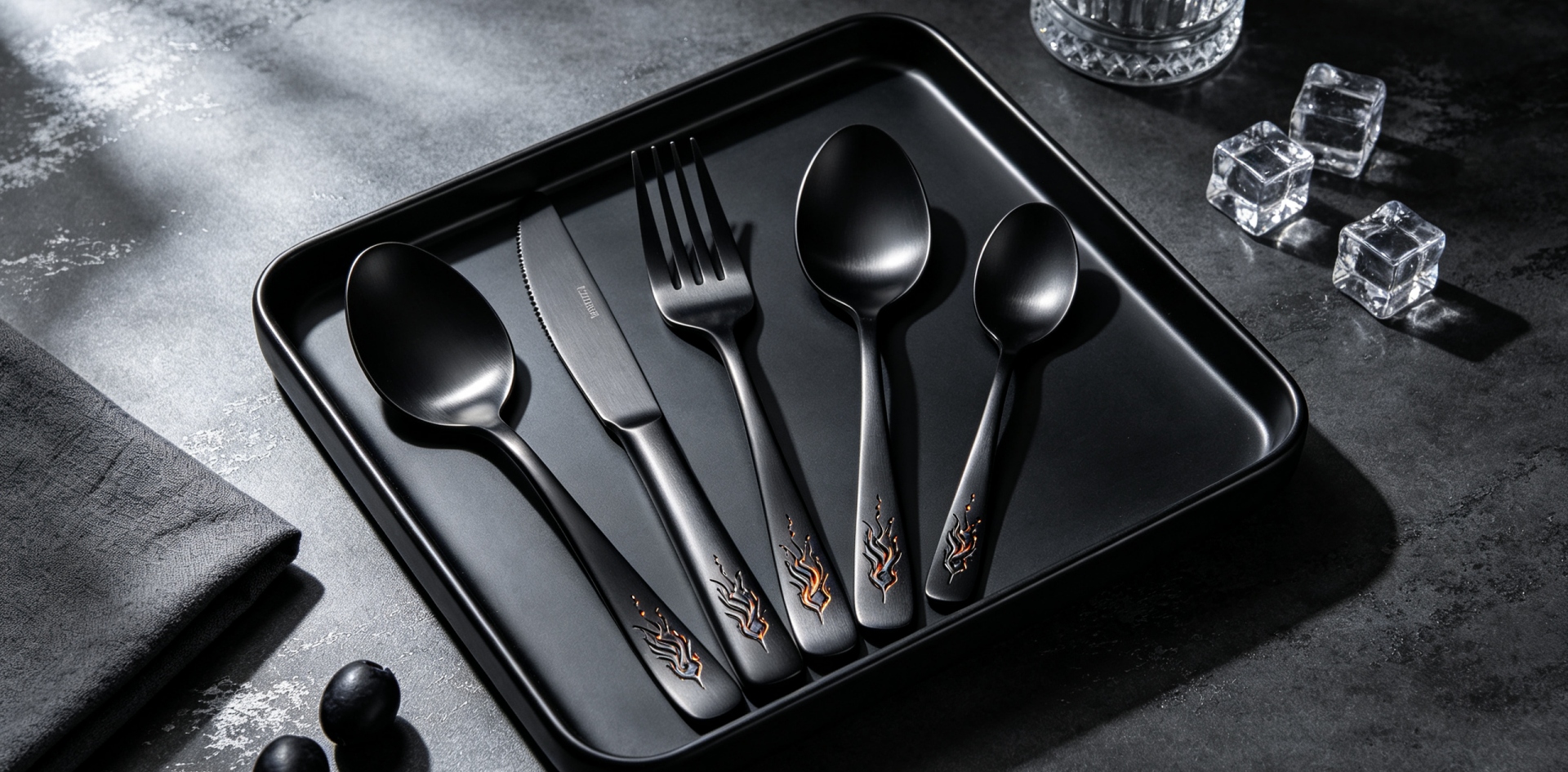
Stainless Steel Cutlery Product Data for B2B Buyers
For a B2B buyer, choosing stainless steel cutlery is rarely based on appearance alone. A product may look right in a catalogue or sample, but a successful commercial order also depends on clear specifications, consistent product information and an efficient way to turn an approved design into repeat production.
This is especially important when buyers are developing a private label collection, comparing several suppliers or preparing a large wholesale order. A clear product data package allows purchasing teams, designers, quality departments and logistics teams to work from the same information.
For a stainless steel cutlery manufacturer, providing accurate product information is therefore part of the service, not simply an administrative step.
What Should a Stainless Steel Cutlery Product Data Sheet Include?
A useful product data sheet should give buyers enough information to understand exactly what they are purchasing. For stainless steel knives, forks, spoons and cutlery sets, the basic information normally includes product name, model number, dimensions, weight, material, finish and packaging configuration.
For a complete cutlery set, the composition should also be clearly stated. A four-piece set, for example, may include a dinner knife, dinner fork, dinner spoon and teaspoon, while another market may require a different combination.
The more clearly these details are recorded, the easier it becomes for a purchasing team to compare products and prepare an internal approval.
Material and Construction Information
Material information is particularly important for stainless steel cutlery because different grades and constructions can influence the product's appearance, weight, performance and target price.
B2B buyers should confirm the stainless steel specification for each component rather than assuming that every item in a collection uses exactly the same material. Knives, forks and spoons may have different construction requirements depending on the product design.
Other useful information can include thickness, overall length, handle construction and production method when these factors are important to the project.
For custom orders, the approved specification should become the reference used throughout production. This helps reduce misunderstandings when an order contains multiple models or when a collection is reordered several months later.
Finish and Appearance Details
The surface finish is another important part of a commercial cutlery specification.
Mirror polishing, satin or brushed surfaces, matte treatments and other finishes can create significantly different visual results. If a buyer is developing a coordinated collection, the appearance of the knife, fork and spoon should be considered together rather than approved separately.
For customized projects, the product information can also record logo position, decorative details, handle patterns and color requirements.
This becomes particularly useful for private label brands that need to maintain a consistent visual identity across several products.
Dimensions Matter More Than Many Buyers Expect
Small dimensional differences can affect the overall appearance of a cutlery collection.
Useful product information may include overall length, handle width, bowl dimensions for spoons, fork head dimensions and knife blade measurements. These details give buyers a more objective reference than photographs alone.
For B2B projects, dimensional information is also useful when a buyer needs to compare a new product with an existing collection or make sure that several pieces work visually as one range.
A professional stainless steel cutlery manufacturer can review these requirements before production and advise whether a requested design is practical for manufacturing.
Information for Custom and OEM Projects
When a buyer is purchasing standard catalogue items, a relatively simple product sheet may be sufficient. Custom OEM and ODM projects normally require more detailed information.
A customized product data package may include:
-
Product drawings or reference images
-
Material specifications
-
Product dimensions
-
Weight requirements
-
Surface finish
-
Logo or branding requirements
-
Handle design
-
Set composition
-
Packaging requirements
-
Carton information
-
Approved sample reference
-
Special inspection requirements
Keeping these details together gives the production team a clear working reference.
It also makes communication easier when several people are involved in a project. A designer may focus on appearance, a purchasing manager may focus on quantity and price, while a quality team may need exact specifications for inspection.
One document cannot replace good communication, but accurate product information gives everyone the same starting point.
Product Data and Private Label Development
For private label brands, product information is often connected to more than manufacturing.
The same cutlery product may need to appear in a catalogue, online store, retailer presentation, packaging artwork and internal purchasing system. Consistent product names, dimensions and descriptions help reduce differences between these materials.
A private label flatware manufacturer can support this process by organizing the information around the actual product configuration.
For example, if a brand develops a collection containing several stainless steel spoons, forks and knives, each model can have its own product reference while still belonging to the same collection.
This structure makes future expansion easier. New pieces can be added without rebuilding the entire product information system.
From Product Information to Production
Good documentation becomes especially valuable when an order moves from development into manufacturing.
Once the buyer approves the product, the factory needs a clear reference for production. The approved sample, specifications and customization requirements should correspond with the information used by the manufacturing team.
This is particularly important for repeat orders.
A buyer may return six months later and request the same model with a new quantity or packaging configuration. If the original product information is organized properly, the supplier can identify the correct model and requirements more efficiently.
For long-term B2B cooperation, this can save considerable communication time.
Supporting Packaging and Export Requirements
Product data can also connect the manufacturing side with packaging and logistics.
For a wholesale or private label project, buyers may need to know the number of pieces per inner box, set configuration, carton quantity and carton dimensions. These details can be coordinated with the customer's packaging design and shipping plan.
Homefelt factory can support stainless steel cutlery projects beyond the individual knife, fork or spoon. Depending on the project, buyers can discuss product design, customization, set composition, branded packaging and transportation arrangements as part of an integrated service package.
This is useful for companies that prefer to coordinate a complete cutlery program with one experienced factory instead of managing every stage separately.
Why Clear Product Information Helps B2B Buyers
A well-prepared product data package does not simply make a product look more professional. It can make the purchasing process easier to manage.
Buyers can use the information to compare different models, obtain internal approval, communicate requirements to colleagues and prepare purchasing documents. Quality teams can use it as a reference during inspection, while logistics teams can use packaging information when planning shipments.
For suppliers, clear information also reduces unnecessary clarification during production.
The result is a more organized path from initial product selection to sample approval, bulk manufacturing and future reorders.
How Homefelt Supports Custom Cutlery Projects
Homefelt factory focuses on stainless steel knives, forks, spoons and complete flatware solutions for B2B customers.
For customers with an existing design, Homefelt can discuss the required specifications and customization details. For customers who are still developing a collection, the team can work around the customer's target market, product concept and order requirements to develop a suitable solution.
The service can include stainless steel cutlery customization, OEM and ODM manufacturing, private label support, packaging coordination and large-volume production.
The goal is not simply to supply individual products. A complete service approach helps customers connect product development, manufacturing, packaging and transportation into a practical purchasing program.
For wholesalers, distributors and brands, this can also make future product expansion easier. Once the basic requirements are understood, additional knives, forks, spoons or coordinated sets can be developed around the same collection direction.
Start With the Information You Already Have
B2B buyers do not always need a finished technical drawing before contacting a factory.
A product reference photo, existing sample, estimated quantity, target market, preferred material, finish or packaging idea can already provide a useful starting point.
From there, a professional supplier can review the requirements and explain which details need to be confirmed before quotation and production.
If you are developing a new stainless steel cutlery collection or looking for a factory to support an existing product line, providing the information you already have is a practical first step.
Custom Stainless Steel Cutlery Manufacturing
OEM & ODM Stainless Steel Flatware Solutions
Private Label Cutlery Factory Service
Wholesale Stainless Steel Cutlery
Stainless Steel Cutlery Development for B2B Brands
Stainless Steel Cutlery Product Training for B2B Sales Teams
Related Article



