Stainless Steel Cutlery Manufacturer | Custom Product Development for B2B
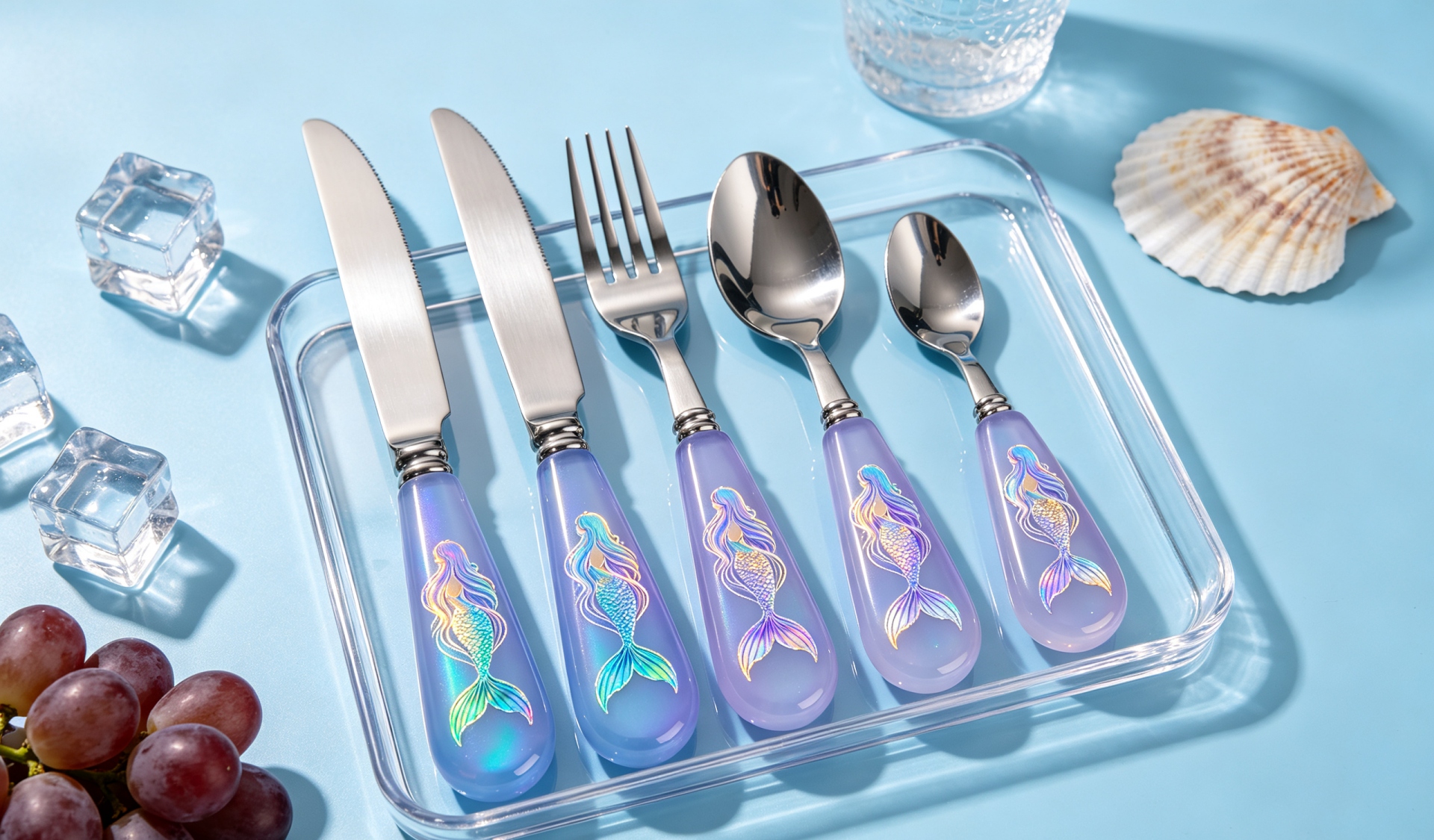
Stainless Steel Cutlery Manufacturer: Supporting B2B Product Development from Concept to Market
When a brand, retailer, distributor, or hospitality supplier plans to introduce a new cutlery collection, finding a suitable Stainless Steel Cutlery Manufacturer is only one part of the process. A successful product launch also depends on how efficiently an idea can be developed into a practical, manufacturable, and commercially suitable product.
For B2B buyers, custom cutlery development is often more complex than selecting an existing spoon, fork, knife, or flatware set from a catalog. Product dimensions, handle design, surface finish, branding, packaging, production requirements, and target-market expectations all need to work together.
An experienced manufacturer can therefore play an important role during the development stage, helping buyers transform an initial concept into stainless steel cutlery that is suitable for repeat commercial production.
From Product Idea to a Practical Cutlery Design
Many custom cutlery projects begin with a simple idea. A buyer may have a drawing, reference product, brand concept, mood board, or existing collection and want to develop a new stainless steel spoon, fork, knife, or complete flatware series.
At this stage, the manufacturer needs to understand more than the appearance of the product. The design should also be evaluated from a production perspective.
Handle proportions, overall dimensions, thickness, weight, shape, surface treatment, and the relationship between different pieces can influence how the final product is manufactured.
For example, a handle may look attractive in a digital drawing but require additional tooling or production considerations before it can be manufactured efficiently at commercial volumes.
Working with a Stainless Steel Cutlery Manufacturer during the early development stage allows B2B buyers to consider manufacturing requirements before the design becomes fixed.
Developing a Consistent Product Family
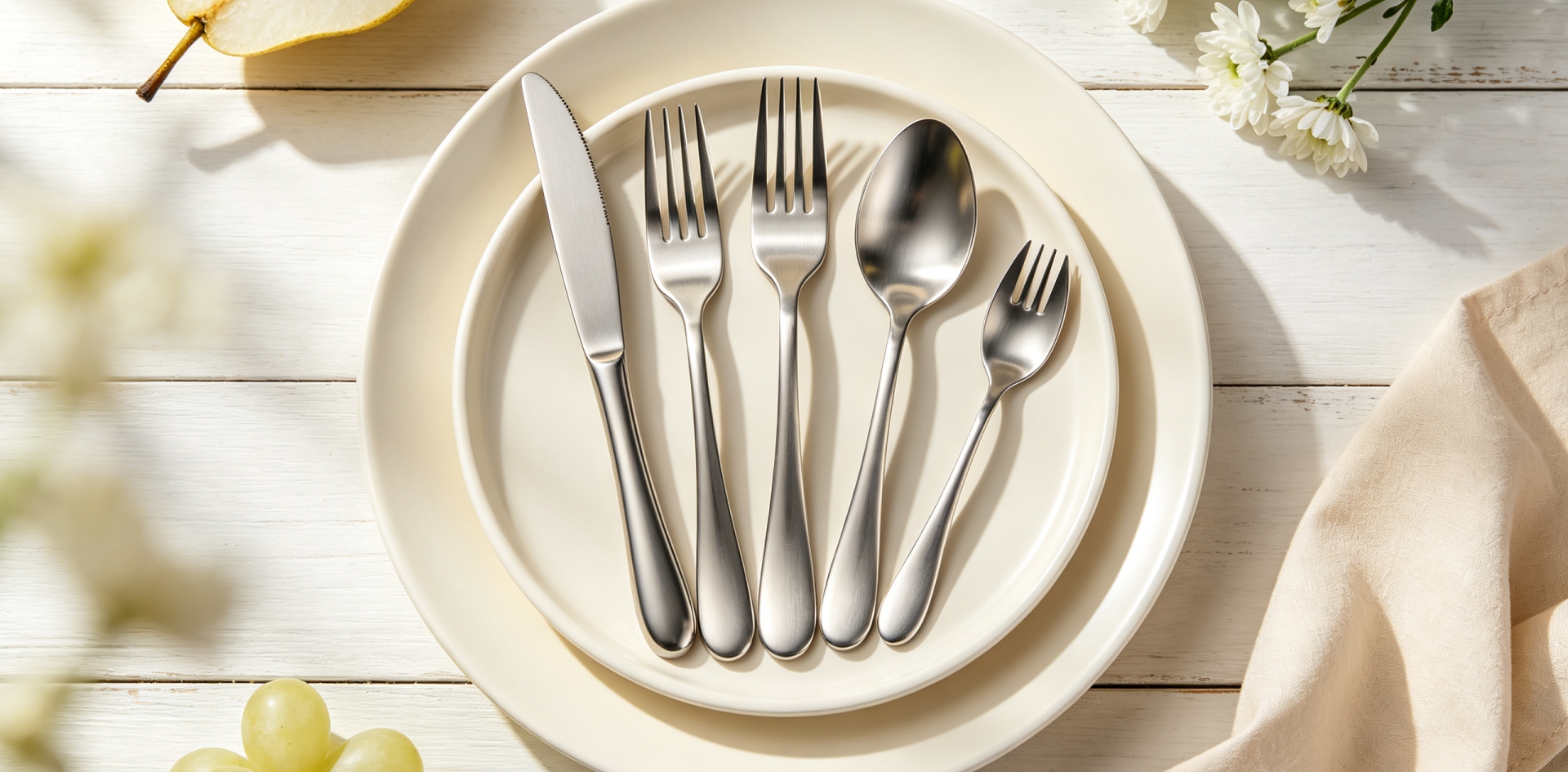
A new cutlery project may include more than one individual product. Brands often want a coordinated collection containing tablespoons, teaspoons, forks, dinner knives, dessert pieces, serving utensils, or other related items.
The challenge is to make every piece look like part of the same collection.
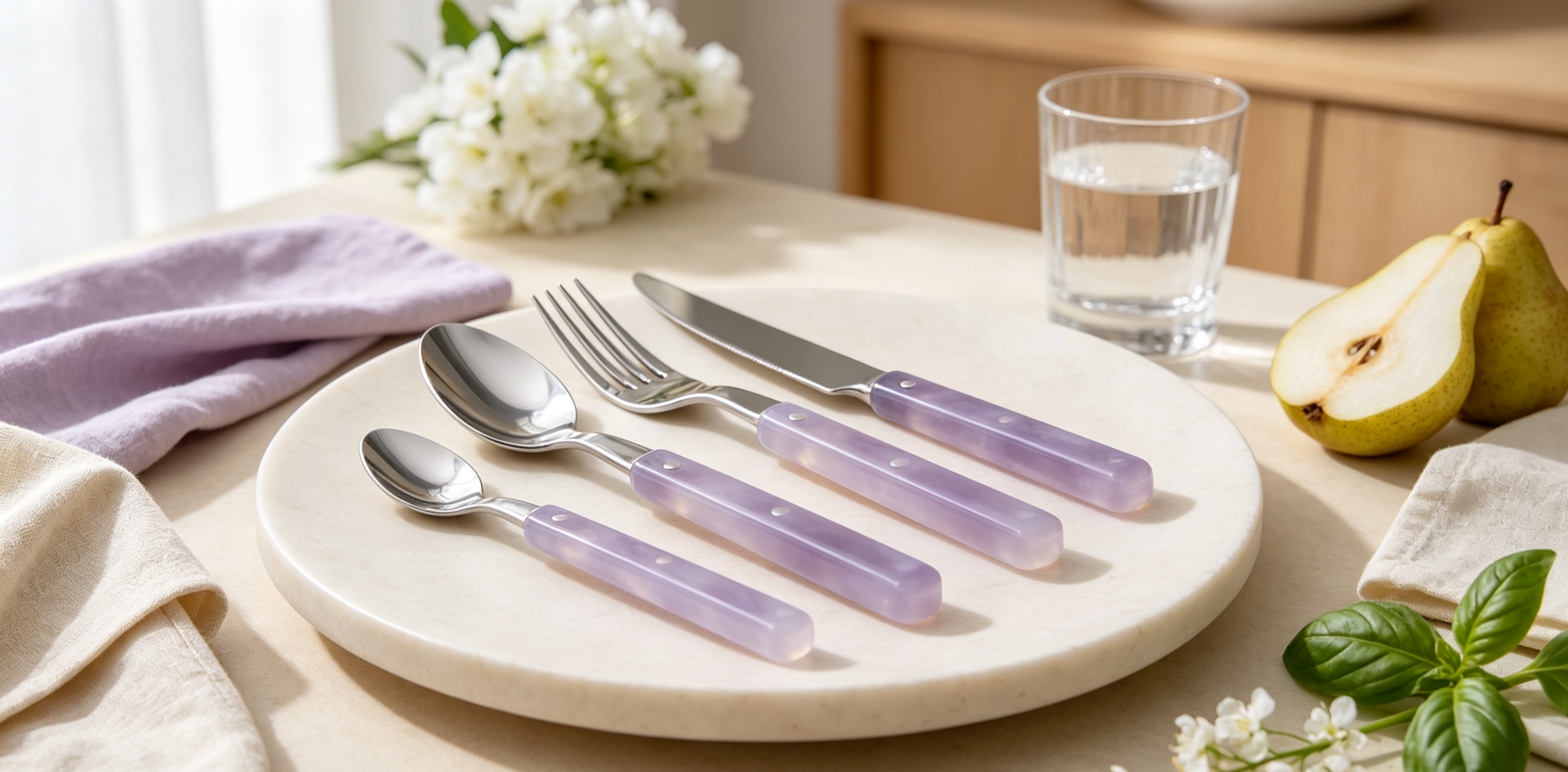
A consistent design language can be created through similar handle proportions, decorative elements, surface finishes, edge treatments, and overall visual characteristics.
A professional manufacturer can help translate these design principles into production specifications for individual pieces.
This is especially valuable when a buyer plans to expand the collection in the future. A well-planned design system can make it easier to introduce additional pieces without making the new products look disconnected from the original collection.
Design Development for Different Business Models
Different B2B customers have different product development requirements.
A retail brand may need a visually distinctive collection designed for consumer shelves or online presentation. A distributor may prefer a practical design that can serve multiple customer groups. A restaurant supplier may prioritize functional construction and a consistent appearance across large quantities.
Private-label brands may also require products that combine their own visual identity with established manufacturing capabilities.
For these projects, custom development does not necessarily mean creating a completely new shape from the beginning. Buyers can also use an existing production concept as a starting point and adjust selected elements to create a more suitable product.
This approach can help balance customization with practical production considerations.
OEM and ODM Support for New Cutlery Projects
OEM and ODM services can be particularly useful when a buyer does not have an internal product development team.
With OEM development, the buyer may provide detailed specifications, drawings, samples, branding requirements, or other design information. The manufacturer then works according to the agreed requirements.
With ODM development, the buyer may begin with a broader concept and work with the manufacturer to develop a suitable product based on the intended market and product positioning.
Both approaches can provide flexibility for B2B customers.
An experienced Stainless Steel Cutlery Manufacturer can support communication between the commercial concept and manufacturing requirements, helping buyers identify important specifications before production begins.
Turning Design Details Into Production Specifications
A successful custom cutlery project requires clear specifications.
A design file may show the overall appearance, but production also needs information that can be measured and controlled. This can include product dimensions, material requirements, thickness, weight range, handle construction, surface treatment, logo placement, and packaging requirements.
The clearer these details are, the easier it becomes for both buyer and manufacturer to evaluate the finished product.
For collections containing several pieces, specifications should also be coordinated across the entire range.
This helps avoid situations where individual pieces technically meet their own requirements but do not feel or look consistent when presented together.
Sampling Before Commercial Production
Physical samples remain an important stage of custom product development.
A sample allows buyers to evaluate characteristics that may be difficult to judge from drawings or digital images. These can include hand feel, balance, proportions, visual appearance, surface quality, handle comfort, and the relationship between different pieces.
For a B2B buyer preparing a new product launch, sample evaluation can also provide an opportunity to compare the product with competing items or existing products in the same collection.
Once the sample has been reviewed and the required specifications are confirmed, the project can move toward commercial production with a clearer understanding of the expected result.
Branding as Part of Product Development
For private-label and branded projects, branding should be considered during product development rather than added at the last moment.
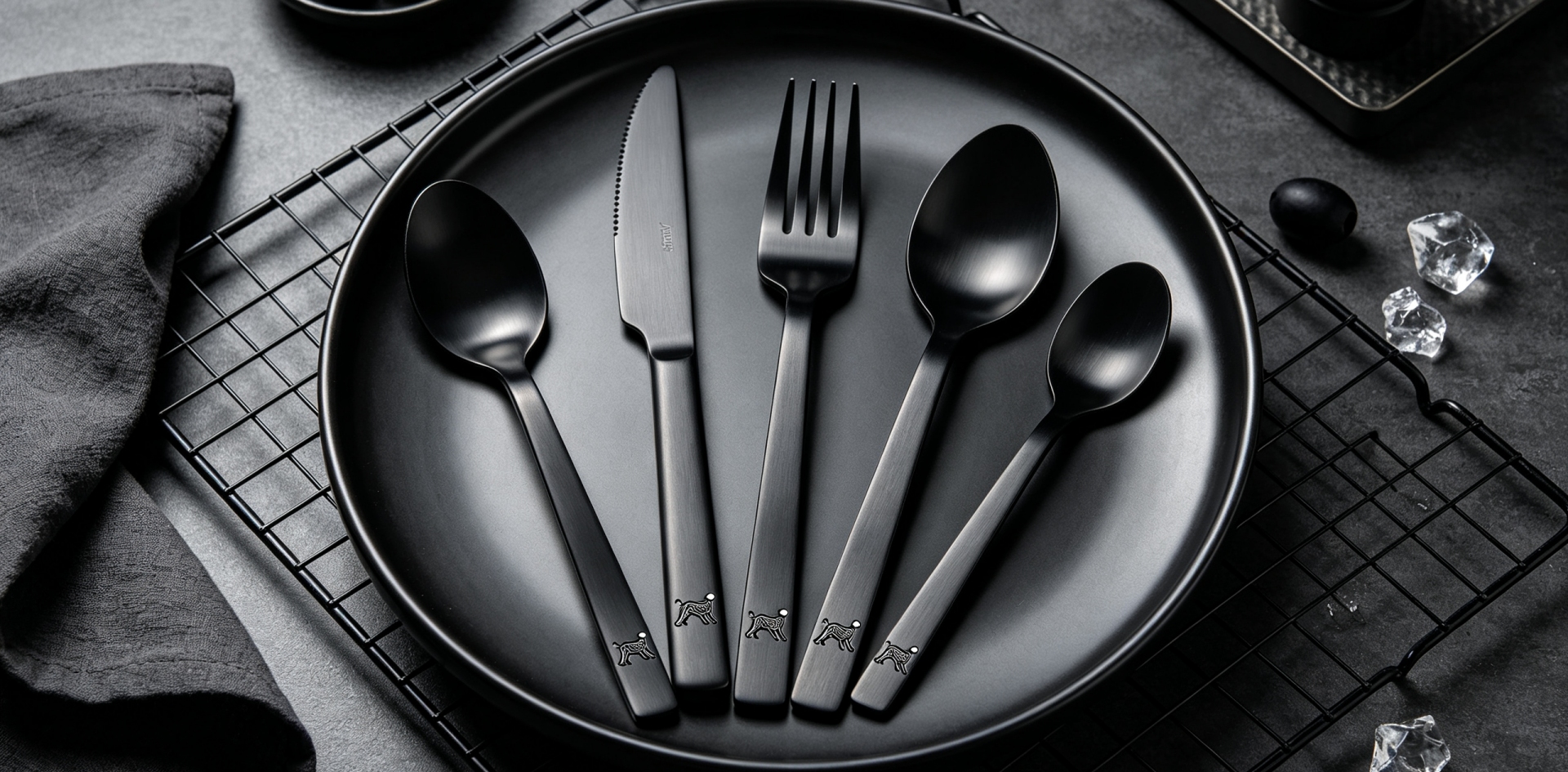
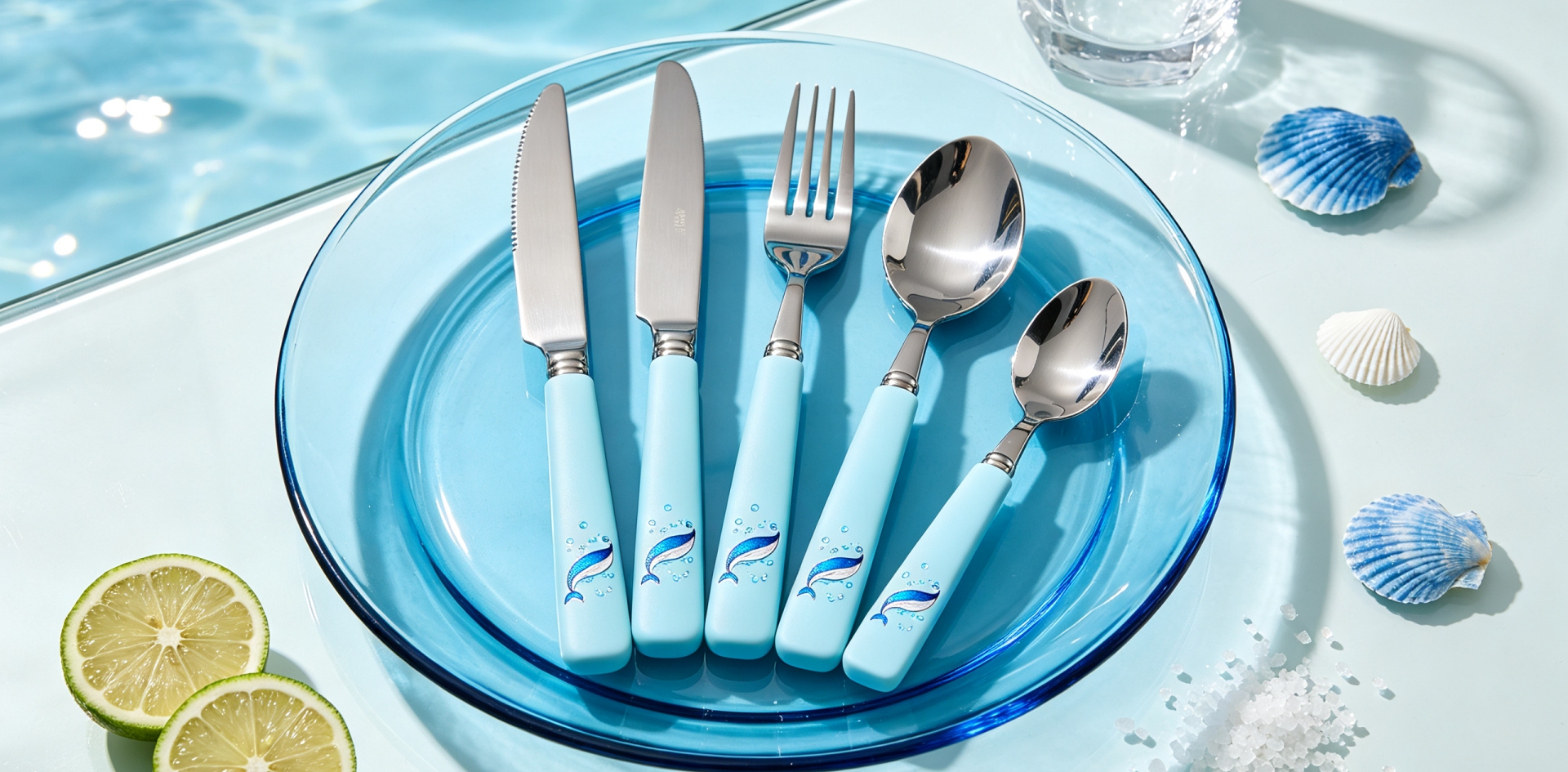
A logo may be placed on a handle or another suitable area depending on the design and manufacturing requirements. The size, position, visual relationship with the handle design, and finishing method can all influence the final appearance.
Branding can be subtle or more prominent depending on the market positioning of the collection.
For B2B buyers, the objective is not simply to place a logo on a product. The branding should look like a natural part of the cutlery design and support the overall identity of the collection.
Preparing a Product for Commercial Launch
A product that looks good as a sample still needs to be suitable for commercial production.
Before launching a new collection, buyers should consider how the product will be produced in larger quantities, how specifications will be controlled, how different pieces will remain consistent, and how the finished products will be packed and shipped.
These considerations are particularly important when the product is intended for long-term sales.
A well-developed product should not only work for the first order. Its specifications should provide a clear reference for future production and repeat purchasing.
This gives the buyer a more stable foundation for building a product line.
Communication Between Buyer and Manufacturer
Clear communication is one of the most important elements of custom cutlery development.
Buyers should provide as much relevant information as possible, including product drawings, reference samples, target dimensions, material expectations, finish preferences, branding requirements, estimated order quantities, packaging concepts, and intended applications.
The manufacturer can then evaluate the information and identify areas that require further clarification.
Good communication is especially important when several parties are involved, such as product designers, purchasing teams, quality departments, packaging suppliers, and factory production teams.
A structured development process helps keep these requirements aligned.
Why Manufacturing Experience Matters During Development
Product development decisions can affect production, quality, cost, packaging, and future repeat orders.
This is why experience in stainless steel cutlery manufacturing can be valuable before a product reaches the production line.
A manufacturer with long-term industry experience understands that small design decisions can influence the practicality of manufacturing.
For example, handle geometry, decorative details, surface treatments, or unusual dimensions may require different production considerations. Identifying these factors early can help buyers make informed decisions before committing to large-scale production.
For B2B customers, this manufacturing perspective can make the development process more efficient and predictable.
Building Custom Cutlery for Long-Term Business Value
A custom cutlery project should ideally be developed with more than the first order in mind.
A successful collection can become a long-term product for a retail brand, distributor, hospitality supplier, or private-label business.
Therefore, buyers should consider whether the design can support future replenishment, additional pieces, new finishes, updated packaging, or expansion into other product categories.
A consistent product platform can make future development easier while maintaining a recognizable brand identity.
Choosing a Stainless Steel Cutlery Manufacturer for Product Development
When evaluating a potential manufacturing partner, B2B buyers should look beyond the ability to produce standard stainless steel cutlery.
It is useful to consider the manufacturer's experience with custom development, OEM and ODM projects, sampling, branding, production management, quality control, packaging, and international B2B orders.
Manufacturing history can also provide useful insight into whether a supplier understands the requirements of long-term commercial customers.
Homefelt Houseware Co., Limited has more than 40 years of experience in the stainless steel cutlery business and provides custom stainless steel cutlery solutions for international B2B customers. The company supports OEM, ODM, private-label, and bulk cutlery projects, helping customers move from product concepts toward commercial production.
For buyers developing a new collection, this type of manufacturing experience can provide practical support throughout the product development process.
Start Your Custom Stainless Steel Cutlery Development
Developing a new cutlery product does not have to begin with a finished technical drawing. A project can start with a product idea, reference image, existing sample, brand concept, or basic specification.
The important step is to communicate the intended product clearly and work with a manufacturer that understands both design requirements and commercial production.
Whether the project involves a custom spoon, fork, knife, complete flatware collection, private-label product, or branded stainless steel tableware, early cooperation between the buyer and manufacturer can help create a more practical path from concept to finished product.
For B2B buyers preparing a new cutlery launch, choosing an experienced Stainless Steel Cutlery Manufacturer at the development stage can help turn an initial concept into a product ready for commercial production and long-term supply.
Request a Quote for Custom Stainless Steel Cutlery
Contact Our Stainless Steel Cutlery Factory for Your Project
Send Your Custom Cutlery Requirements to Our Manufacturer
Start Your OEM Stainless Steel Cutlery Project
Discuss Your Private Label Cutlery Development
Request Custom Spoon, Fork and Knife Manufacturing
Contact Our Factory for Custom Flatware Solutions
Start Your Stainless Steel Cutlery Product Development
Request a Custom Cutlery Sample for Your New Collection
Talk to a Stainless Steel Cutlery Manufacturer About Your Design
Stainless Steel Cutlery Manufacturer | B2B Technical Specification Guide
Stainless Steel Cutlery Manufacturer | B2B Inventory & Replenishment Planning
Related Article