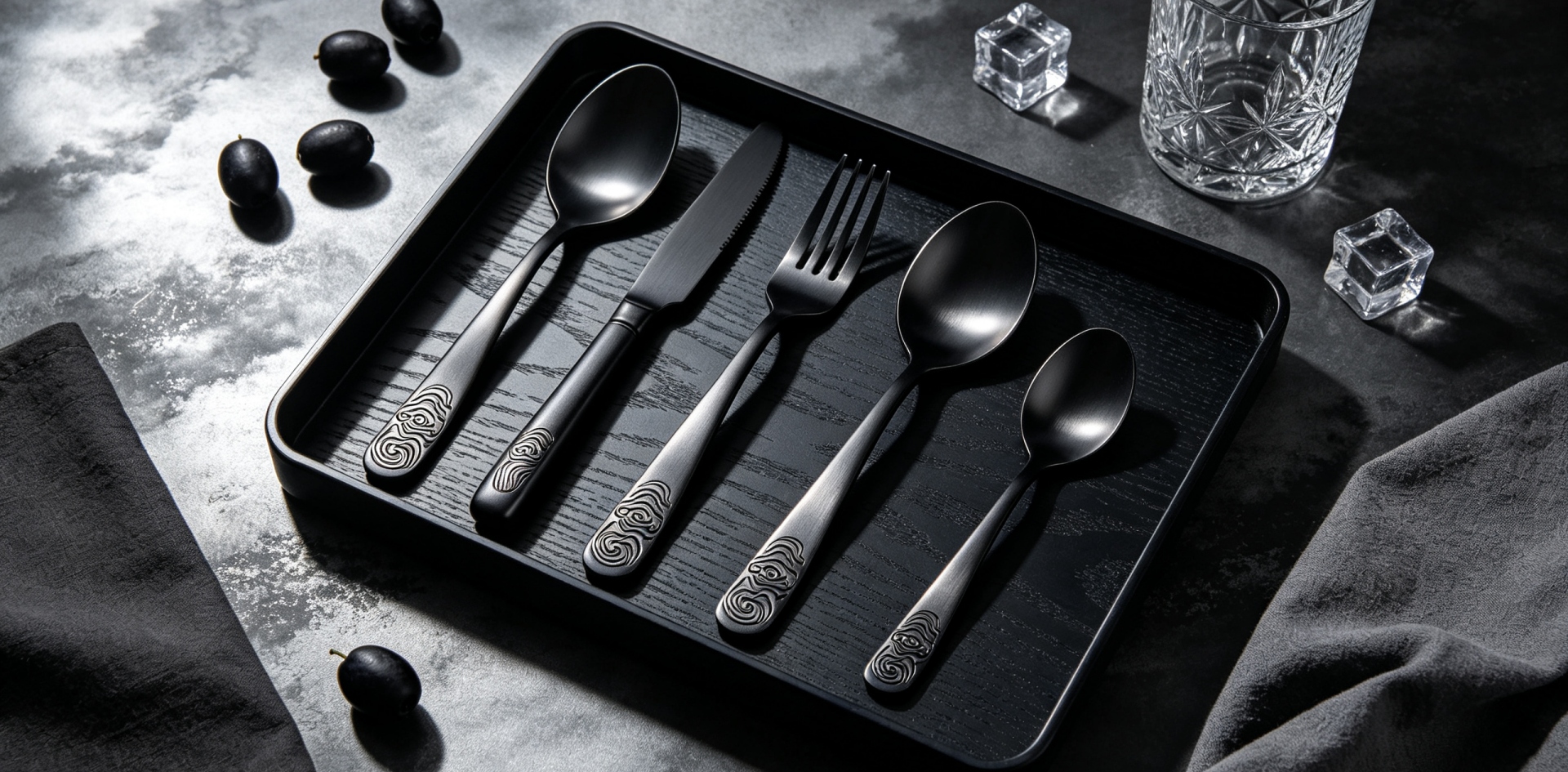
How Product Mix Analysis Improves Stainless Steel Cutlery Wholesale Sales
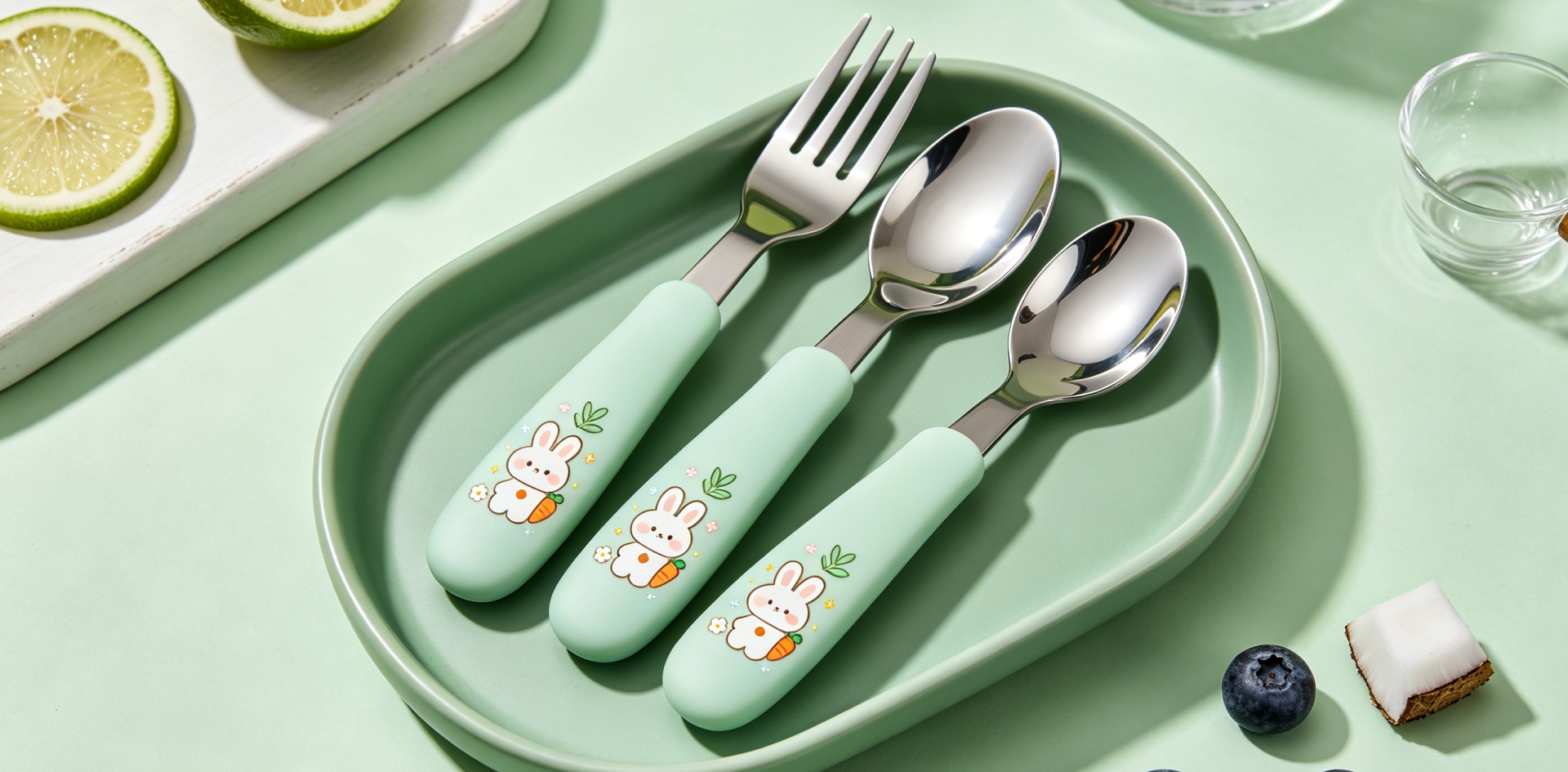
How Product Mix Analysis Improves Stainless Steel Cutlery Wholesale Sales
A stainless steel cutlery distributor may sell dozens of spoons, forks, knives, and flatware sets, but not every product contributes equally to business performance. Some items generate frequent repeat orders, while others attract new customers, complete a collection, or serve a specific price segment. Product mix analysis helps importers and wholesalers understand how individual products work together and where adjustments could improve sales and inventory management.
The goal is not simply to remove low-selling items. A well-balanced product portfolio gives customers meaningful choices, supports different purchasing budgets, and helps the business use its inventory and supplier relationships more effectively.
What Product Mix Analysis Means for Cutlery Buyers
Product mix analysis evaluates the range of products a business sells and the role each item plays in its overall performance. For stainless steel flatware, this can include standard cutlery sets, individual spoons and forks, different knife styles, premium collections, and customized products.
A distributor might find that one entry-level set generates large quantities but limited contribution per order. A higher-priced collection may sell less frequently but attract customers who also purchase gift packaging or additional serving pieces. Another product may have modest sales but remain important because it completes a collection for a major retail account.
Understanding these differences helps purchasing teams avoid making decisions based on sales volume alone.
Group Products by Commercial Purpose
Before comparing results, organize products into meaningful categories. The right structure depends on the distributor's customers and sales channels.
Common groupings include:
-
Price segment: entry-level, mid-range, and premium cutlery.
-
Product type: spoons, forks, knives, and complete flatware sets.
-
Customer segment: retailers, wholesalers, hospitality buyers, and private-label brands.
-
Design or finish: standard polished products, brushed finishes, and customized collections.
-
Sales role: core products, collection-completing items, seasonal products, and new launches.
These categories help identify whether the portfolio serves its intended customers. For example, a distributor focused on large-volume wholesale may need reliable core products and practical packaging, while a retailer supplying premium gifts may require distinctive designs and presentation boxes.
Avoid creating categories that are so narrow that each contains only one or two items without a clear business reason.
Evaluate Sales, Contribution, and Stock Requirements
A useful product mix review considers several measures together.
Sales contribution
Review revenue and units sold by product family and SKU. This reveals which products generate the largest share of business, but it does not show profitability by itself.
Contribution after relevant costs
Consider the product's selling price alongside its purchase cost and relevant variable expenses. Depending on the business model, these may include freight, duties, sales commissions, packaging, and handling costs. Use consistent cost definitions when comparing items.
Inventory requirements
Examine stock turnover, minimum order quantities, replenishment lead times, and the risk of slow-moving inventory. A product that sells well may still create planning challenges if it requires unusually large purchasing commitments.
Repeat order behavior
Check whether products attract repeat purchases or are mainly bought once. Repeat orders can make replenishment easier to plan, while one-off items may require more careful control of purchase quantities.
Together, these measures provide a more complete view than ranking products by revenue alone.
Understand How Products Work Together
Individual SKU performance does not tell the whole story. Some items support sales of other products or help a distributor offer a complete collection.
For example, a customer purchasing a stainless steel flatware set may also need matching serving spoons or additional forks. Removing those supplementary items because their individual sales are lower could weaken the overall offer.
Conversely, several similar spoon designs may compete for the same customer without creating a meaningful difference in use, appearance, or price. If buyers cannot easily explain the distinction, the distributor may be carrying unnecessary complexity.
Review customer purchasing patterns to understand which items are commonly ordered together, which products attract new accounts, and which combinations lead to repeat business. Use this information to improve product bundles, catalog structure, and sales recommendations.
Balance Standard Products and Custom Collections
A strong B2B portfolio often combines standard products with selected customized ranges. Standard stainless steel cutlery may suit buyers seeking straightforward replenishment and broad distribution. OEM, ODM, and private-label products can help brands differentiate their collections through design, logos, material choices, and packaging.
Customization also introduces additional considerations. Buyers may need to approve samples, confirm artwork, establish minimum quantities, and plan packaging materials before bulk production. A customized product should therefore be evaluated not only by its expected sales but also by the resources required to develop and maintain it.
Homefelt supports B2B stainless steel cutlery projects involving product design, specification confirmation, packaging coordination, and bulk production. When reviewing a portfolio, buyers can discuss which products should remain standard and where a customized collection may provide a clear commercial advantage.
Use Product Mix Analysis to Guide Purchasing
Once the portfolio has been reviewed, convert the findings into purchasing actions. Core products with consistent demand may justify regular replenishment and closer stock monitoring. Products with uncertain demand may need smaller initial commitments, while customized items may require clearer customer forecasts and approval milestones.
A practical review can assign each product one of four actions:
-
Grow: increase attention or availability where demand and contribution justify it.
-
Maintain: keep the current role and monitor performance.
-
Improve: revise pricing, packaging, product information, or positioning.
-
Review: investigate weak demand, overlapping products, or excessive inventory before deciding whether to retain the item.
These are decision categories rather than automatic rules. Customer commitments, seasonal patterns, and the strategic value of a product should be considered before changes are made.
Measure Whether Portfolio Changes Work
After changing the product mix, monitor the results over an appropriate period. Useful measures include overall contribution, inventory turnover, average order value, repeat order rate, stockout frequency, and the proportion of sales generated by core products.
Also gather feedback from sales representatives and customers. A portfolio may appear more efficient on paper but fail commercially if it no longer covers important customer requirements or leaves gaps in a collection.
Review the results by customer segment where possible. A product that is less suitable for one channel may remain valuable in another, so company-wide averages should not replace a closer look at customer needs.
Build a More Effective Stainless Steel Cutlery Portfolio
Product mix analysis helps wholesalers understand which products drive sales, which support broader collections, and which create avoidable complexity. By combining sales data with contribution, inventory requirements, and customer feedback, businesses can build a portfolio that is easier to manage and more useful to buyers.
For stainless steel spoons, forks, knives, and flatware sets, clear specifications and a reliable supplier relationship also help maintain consistency across the range. To discuss wholesale, OEM, ODM, or private-label requirements with Homefelt, email ingrid@homefelt.net. Include your target market, preferred product types, estimated quantities, material requirements, and packaging preferences to help the team understand your project.
You May Be Interested In
-
How to Optimize Stainless Steel Cutlery Assortments for Wholesale Profitability
-
How SKU Rationalization Improves Stainless Steel Cutlery Inventory Planning
-
How to Plan New Product Development Costs for Stainless Steel Cutlery Collections
-
How to Evaluate Product Line Profitability for Stainless Steel Cutlery Distributors
How to Manage Product Obsolescence in Stainless Steel Cutlery Wholesale
How Scenario Planning Helps Manage Stainless Steel Cutlery Demand Changes
Related Article