
Stainless Steel Cutlery Product Tiers for B2B Brands
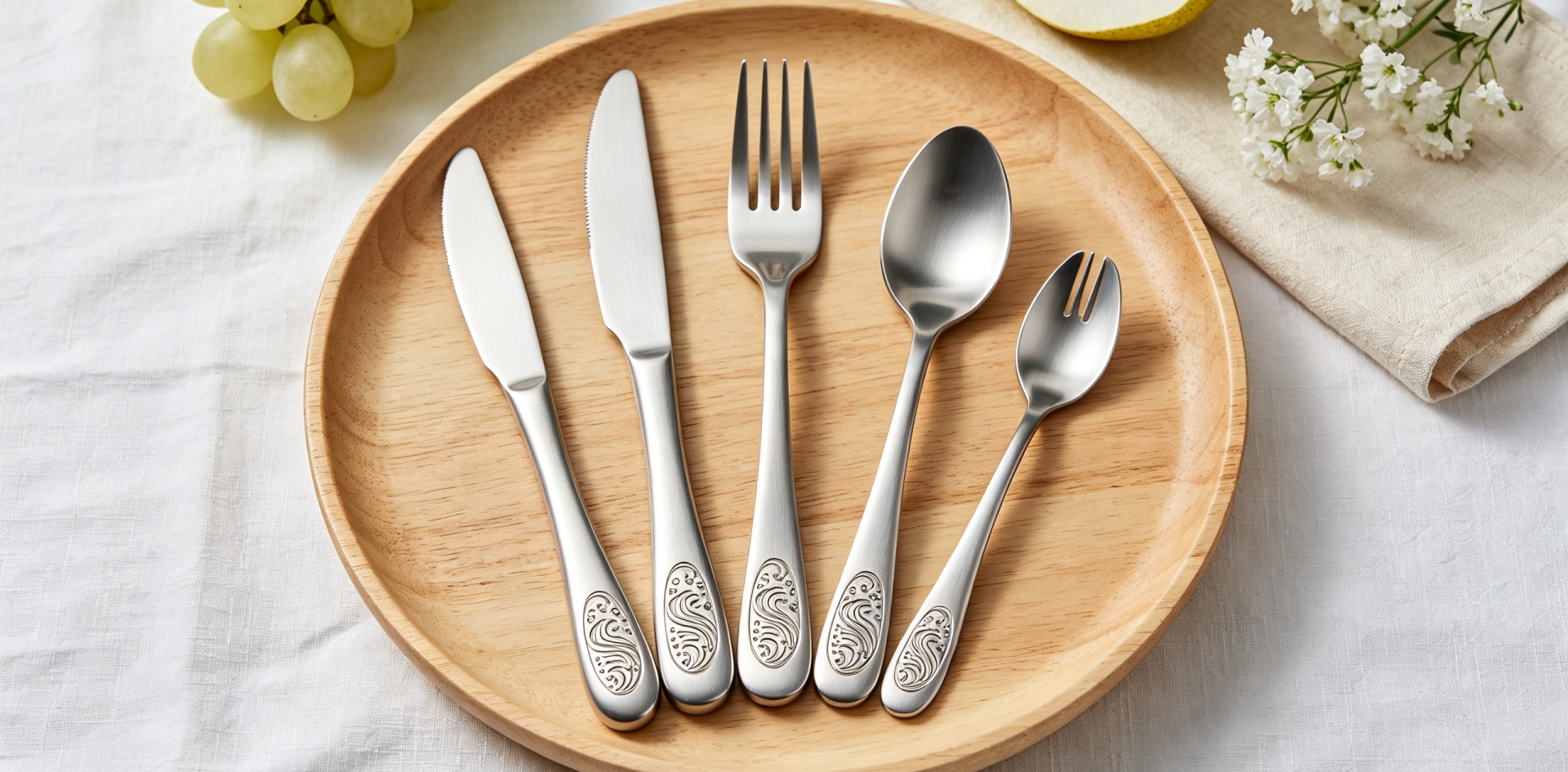
Stainless Steel Cutlery Product Tiers for B2B Brands
A stainless steel cutlery brand does not always need to sell one product at one price level. For B2B companies, creating several product tiers can provide a more flexible way to serve different customers, sales channels and market positions.
Instead of developing completely unrelated collections, a brand can build a structured stainless steel cutlery range with different levels of design, specification and presentation.
This approach can be useful for retailers, distributors and private label brands that want to serve more than one customer segment while maintaining a recognizable product identity.
For OEM and ODM projects, product tier planning can also help manufacturers understand how different collections are expected to relate to each other.
What Is a Product Tier in Stainless Steel Cutlery?
A product tier is a defined level within a broader product range.
For stainless steel cutlery, a company might develop a basic everyday collection, a more distinctive mid-level collection and a premium range.
The exact structure depends on the brand and target market. The purpose is not simply to create products at different prices. Each tier should have a clear reason for existing.
One collection may focus on practical everyday use, another may emphasize design differentiation, while another may target customers looking for a more premium overall product experience.
Why B2B Brands Use Different Product Levels
Different customers have different expectations.
A retailer may need an accessible flatware collection for a broad customer base while also offering a more distinctive range for customers looking for something special.
A distributor may serve several types of buyers and therefore need products covering different market positions.
Without a clear product structure, companies may end up with overlapping products that are difficult for customers to distinguish.
A well-organized product tier system can make the range easier to understand.
Building a Clear Entry-Level Collection
An entry-level stainless steel cutlery collection is often designed around practical everyday use.
The product may use a straightforward design language that can appeal to a broad range of customers.
For B2B buyers, the focus can be on creating a commercially practical product that fits the requirements of the intended sales channel.
The goal is not necessarily to make the collection look inexpensive. Instead, the design should communicate simplicity and practicality while maintaining the quality expected from stainless steel cutlery.
This type of product can provide a foundation for a broader brand portfolio.
Developing a Core Collection
The core collection can represent the main product identity of a brand.
Compared with an entry-level range, it may include stronger design characteristics or a more distinctive overall appearance.
Because this collection may become one of the brand's main products, consistency across knives, forks and spoons becomes particularly important.
A core range can also serve as the reference point for other collections.
For a private label brand, this makes it possible to build a recognizable visual language that can later be adapted for additional product levels.
Creating a Premium Cutlery Tier
A premium collection may focus more strongly on design details, product experience and overall presentation.
The purpose is not simply to make the product larger or heavier. Instead, the premium tier should provide a clear difference that customers can understand.
This may come from a distinctive design concept, a more refined overall appearance or a more carefully developed collection experience.
For B2B buyers, the premium range should still be practical to manufacture and suitable for the intended sales channel.
The relationship between the different tiers is also important. The premium collection should feel like part of the same brand while clearly having its own position.
Maintaining Brand Consistency
One of the biggest challenges in multi-tier product development is avoiding a fragmented product range.
If every collection uses a completely different visual language, customers may not recognize the relationship between them.
A better approach can be to maintain selected brand characteristics across different tiers while allowing each collection to have its own identity.
For stainless steel cutlery, this can involve recurring design principles across handles, overall proportions, surface appearance or collection styling.
The exact details depend on the brand, but the objective is to create a family of products rather than unrelated items.
Different Customers, Different Product Requirements
Product tiers can also be designed around different customer requirements rather than only different price levels.
For example, one collection may be intended for broad retail distribution, while another is designed for a more specialized customer group.
A distributor may want several collections that can be presented to different buyers without changing the manufacturer's overall supply relationship.
This makes product tier planning particularly relevant to B2B businesses with multiple sales channels.
OEM and ODM Support for Different Tiers
OEM and ODM manufacturing can give brands flexibility when building a multi-level product portfolio.
Some buyers may begin with an existing factory design and adapt it to their brand. Others may provide original designs for each product tier.
A manufacturer can support both approaches depending on the project.
For custom projects, it is useful to establish which characteristics should be shared across the different collections and which elements should remain unique.
This helps prevent unnecessary duplication while keeping each product tier commercially distinct.
Avoiding Too Much Overlap
Having several product tiers does not mean creating a large number of almost identical products.
If two collections look and feel too similar, customers may have difficulty understanding why both products exist.
Before adding a new tier, B2B buyers can ask what specific customer need or market position it addresses.
The answer may involve design, target customer, sales channel or overall product concept.
This simple distinction can make the product range easier for sales teams, distributors and retailers to communicate.
Planning the Range With a Manufacturer
When a B2B brand plans several stainless steel cutlery tiers, discussing the complete product architecture with the manufacturer can be useful.
Instead of developing each collection independently, the buyer can explain the broader product strategy.
The factory can then understand which products belong together and which characteristics need to remain consistent.
This is particularly valuable for brands expecting to add new collections over time.
A clear overall direction can make future product development easier because new designs can be evaluated against an established product framework.
Homefelt Factory for Multi-Level Cutlery Programs
Homefelt Factory produces stainless steel knives, forks, spoons and complete flatware sets for B2B customers.
The factory supports OEM, ODM, private label, wholesale and large-volume manufacturing projects.
For brands developing multiple product tiers, buyers can provide existing product references, drawings, photographs or general design concepts.
The development process can then focus on creating collections that have their own commercial identity while remaining part of a coherent product family.
This can be useful for companies that want to build a broader stainless steel flatware portfolio rather than rely on a single collection.
Supporting Wholesale and Distribution Programs
Wholesalers and distributors may particularly benefit from a structured product range.
Different customers can be offered different collections without requiring the distributor to work with completely unrelated product categories.
A clearly structured range can also make product presentations easier.
Sales teams can explain the differences between collections based on their intended market position rather than simply listing technical specifications.
For B2B buyers, this creates a more organized approach to selling stainless steel cutlery.
Preparing a Product Tier Brief
When requesting development or quotation from a factory, buyers can prepare a simple product tier brief.
Start by identifying the intended customer for each collection.
Then describe the desired design direction and explain how the collections should relate to each other.
It is also useful to provide estimated quantities and identify whether each collection is intended for wholesale, retail, private label or another commercial channel.
Reference products can help communicate the desired direction, especially when the buyer already has an established brand identity.
A clear brief allows the manufacturer to understand the broader objective instead of treating every product as an isolated request.
From Individual Products to a Complete Brand Portfolio
A stainless steel cutlery business can become more flexible when its products are organized around clear market positions.
Instead of simply adding more SKUs, B2B brands can develop collections with distinct purposes.
An entry-level range can serve broad demand, a core collection can represent the main brand identity, and a premium range can address customers looking for a more distinctive product experience.
The exact structure will vary by company, but the underlying principle remains the same: every collection should have a clear reason to exist.
With OEM and ODM manufacturing support, these different product levels can be developed as part of a coordinated stainless steel cutlery program.
For private label brands, this can create a foundation for future collection development and long-term wholesale growth.
Stainless Steel Cutlery Collection Storytelling for B2B Brands
Seasonal Stainless Steel Cutlery Collections for B2B Brands
Related Article



