
Stainless Steel Cutlery Production Slots for B2B Orders
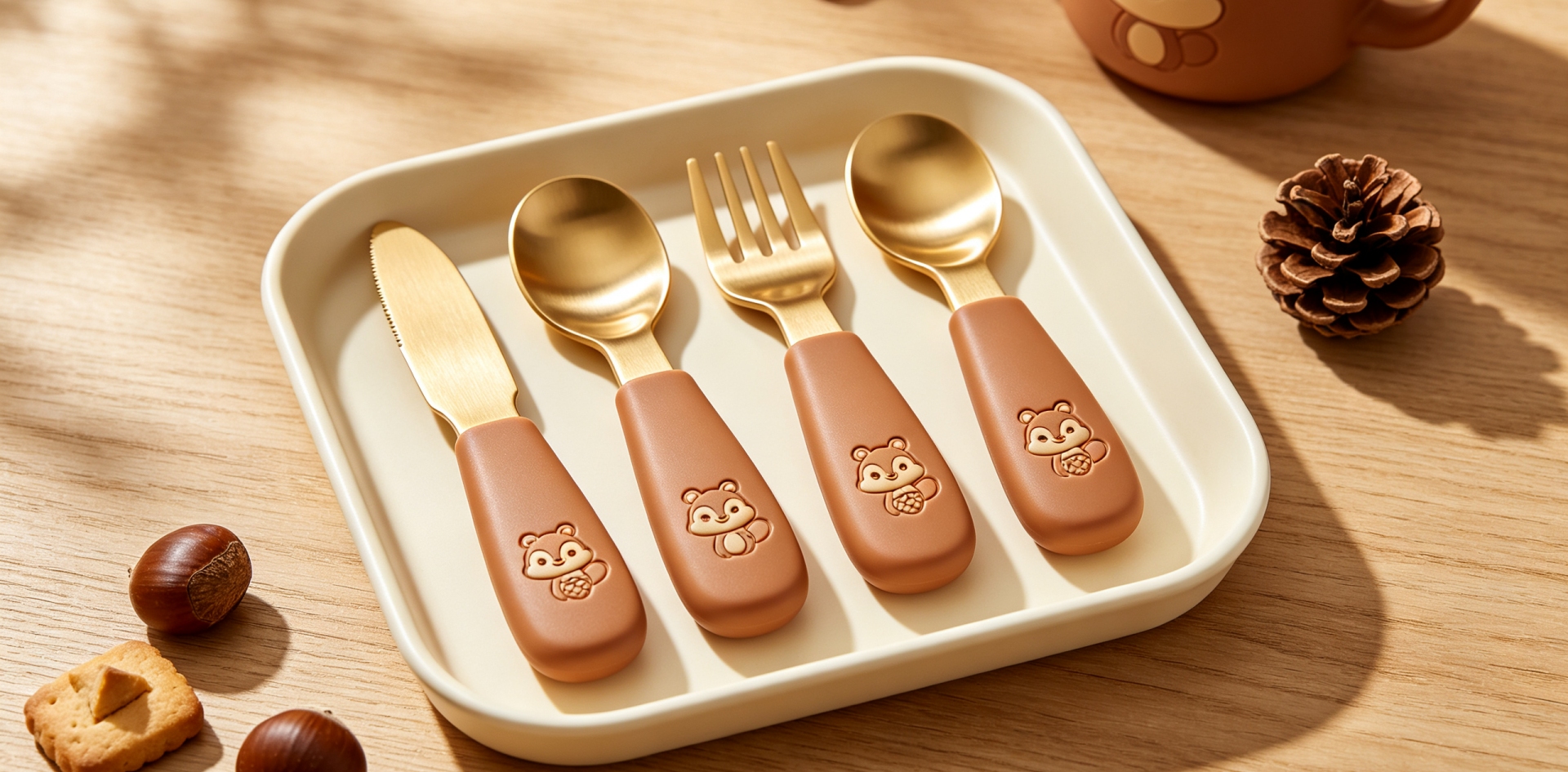
Stainless Steel Cutlery Production Slots for B2B Orders
For a B2B cutlery project, placing an order is only one part of the purchasing process. When a buyer needs custom stainless steel knives, forks, spoons or complete flatware sets, production timing also needs to be coordinated with the factory’s manufacturing schedule.
For wholesalers, distributors, retailers and private label brands, understanding how production slots work can make the ordering process more predictable. It can also help buyers coordinate product launches, replenishment plans and bulk purchasing schedules with their stainless steel cutlery supplier.
What Is a Production Slot for Stainless Steel Cutlery?
A production slot is a planned period in a factory’s manufacturing schedule allocated to a specific order or group of products. It connects an approved order with the factory’s available production resources.
For standard stainless steel cutlery, the production arrangement may be relatively straightforward. Custom projects can require more coordination because several specifications need to be confirmed before manufacturing begins. These may include product dimensions, material requirements, handle design, surface treatment, set composition, branding details and packaging requirements.
A clear production schedule gives both the buyer and manufacturer a common reference point before bulk manufacturing starts.
Why Production Slot Planning Matters for B2B Buyers
B2B cutlery orders are often connected to commercial deadlines. A distributor may need stock for a customer, a retailer may be preparing a new collection, or a private label brand may have a planned product launch.
If production timing is discussed only after every other purchasing decision has been completed, the buyer may have less flexibility when requesting a specific delivery period.
Early communication with a stainless steel cutlery factory allows the buyer to discuss the expected order volume and target timing before final production arrangements are made.
This is particularly useful for large orders involving multiple stainless steel cutlery SKUs. A collection containing knives, forks and spoons may require coordinated production rather than treating every item as an independent purchase.
Production Slot Planning for Custom Cutlery
Custom cutlery projects usually involve more than selecting an existing product from a supplier catalog.
A buyer may provide a reference sample, drawing or design concept and request modifications to the handle, proportions, weight, finish or overall appearance. The factory then needs to organize the required manufacturing resources around the confirmed specifications.
For OEM and ODM projects, the production schedule therefore works best when the technical requirements are already clear.
A practical B2B workflow can include:
Product specifications are confirmed.
Samples or reference designs are approved where required.
Order quantities and SKU combinations are confirmed.
Branding and packaging requirements are finalized.
Commercial terms are agreed.
The bulk production period is then scheduled with the factory.
This approach reduces unnecessary changes after the production plan has been established.
How Order Volume Can Affect Production Planning
Order quantity is an important part of production scheduling. A small trial order and a large wholesale program may require different planning approaches.
For example, a buyer ordering several thousand pieces of one spoon design may have different scheduling requirements from a distributor ordering several stainless steel cutlery sets with multiple SKUs.
Large-volume programs can also benefit from discussing future purchasing plans with the manufacturer. When the supplier understands the expected business scale, it becomes easier to discuss how different orders can be organized over time.
For B2B buyers, this is one reason to communicate not only the immediate order quantity but also the broader purchasing requirement when requesting a quotation.
Coordinating Multiple Stainless Steel Cutlery SKUs
A complete flatware collection may contain several products with different manufacturing requirements. A typical order could include dinner knives, dinner forks, tablespoons and teaspoons, for example.
The buyer may want all products to arrive as one commercial collection, even though each item is manufactured separately.
This makes production coordination important.
The factory can review the SKU structure and organize the manufacturing schedule around the overall order rather than looking at every product in isolation. For private label projects, maintaining a consistent appearance across the collection is especially important.
This is also where working directly with a stainless steel cutlery manufacturer can simplify communication. Instead of coordinating separate suppliers for different pieces, a buyer can discuss the complete collection with one manufacturing partner.
Production Scheduling and Private Label Programs
Private label cutlery projects often have additional commercial requirements. The buyer may need the products to match an existing brand identity and may be purchasing the collection for retail distribution.
The manufacturing schedule should therefore take into account the confirmed product specifications and the requirements connected with the private label program.
For OEM and ODM buyers, early production planning can also make future repeat orders easier to coordinate. Once a product specification has been established and successfully manufactured, the buyer can communicate the same approved product requirements when planning subsequent purchases.
A reliable stainless steel cutlery manufacturer should be able to discuss production scheduling as part of the broader B2B order process rather than treating it as a separate issue.
Questions B2B Buyers Should Discuss Before Scheduling
Before asking a factory to reserve manufacturing time, buyers should provide enough information for the supplier to understand the project.
Useful information can include:
The required cutlery products and SKUs
Estimated order quantity
Material specification
Product dimensions or reference samples
Handle or design requirements
Surface treatment requirements
Logo or branding requirements
Packaging requirements
Target production period
Expected delivery schedule
The more complete the information, the easier it is for the factory to evaluate the project and arrange an appropriate manufacturing schedule.
Why Early Communication Helps
Production schedules are connected to actual factory workloads. A supplier may be manufacturing several customer orders at the same time, so discussing timing early can give both parties a clearer understanding of what needs to happen before bulk production.
For a buyer with a fixed launch date or seasonal sales plan, this communication can be particularly valuable.
It also gives the factory an opportunity to identify potential scheduling issues before the order enters bulk manufacturing.
Homefelt for Custom Stainless Steel Cutlery Projects
Homefelt focuses on stainless steel knives, forks, spoons and complete cutlery sets for B2B customers. With long-term experience in stainless steel cutlery manufacturing, the factory supports wholesale orders as well as OEM, ODM and private label projects.
For buyers developing a new flatware collection, the project can begin with product requirements, reference samples or design specifications. The factory can then discuss the manufacturing requirements, order quantities and production planning needed for the project.
This approach is suitable for importers, distributors, retailers, hospitality suppliers and brands looking for a manufacturing partner for stainless steel cutlery.
For larger programs, discussing the expected product range and purchasing schedule at the quotation stage can help create a clearer path from product development to bulk production.
Turning a Production Plan Into a B2B Order
A well-planned production schedule should ultimately support the commercial objective of the project: receiving the right stainless steel cutlery products in the required specifications and quantities.
For buyers, the best starting point is a clear inquiry. Providing the product type, estimated quantity, customization requirements and target timing allows the manufacturer to understand the project before preparing a quotation.
Whether you need stainless steel spoons, forks, knives, flatware sets or a complete custom collection, a detailed inquiry gives the factory a practical basis for discussing the next steps.
Request a Quote for Custom Stainless Steel Cutlery
Explore OEM and ODM Flatware Manufacturing
Stainless Steel Cutlery SKU Planning for B2B Orders
PVD Stainless Steel Cutlery for B2B Custom Projects
Related Article



