
Stainless Steel Cutlery B2B Projects: Better Factory Communication
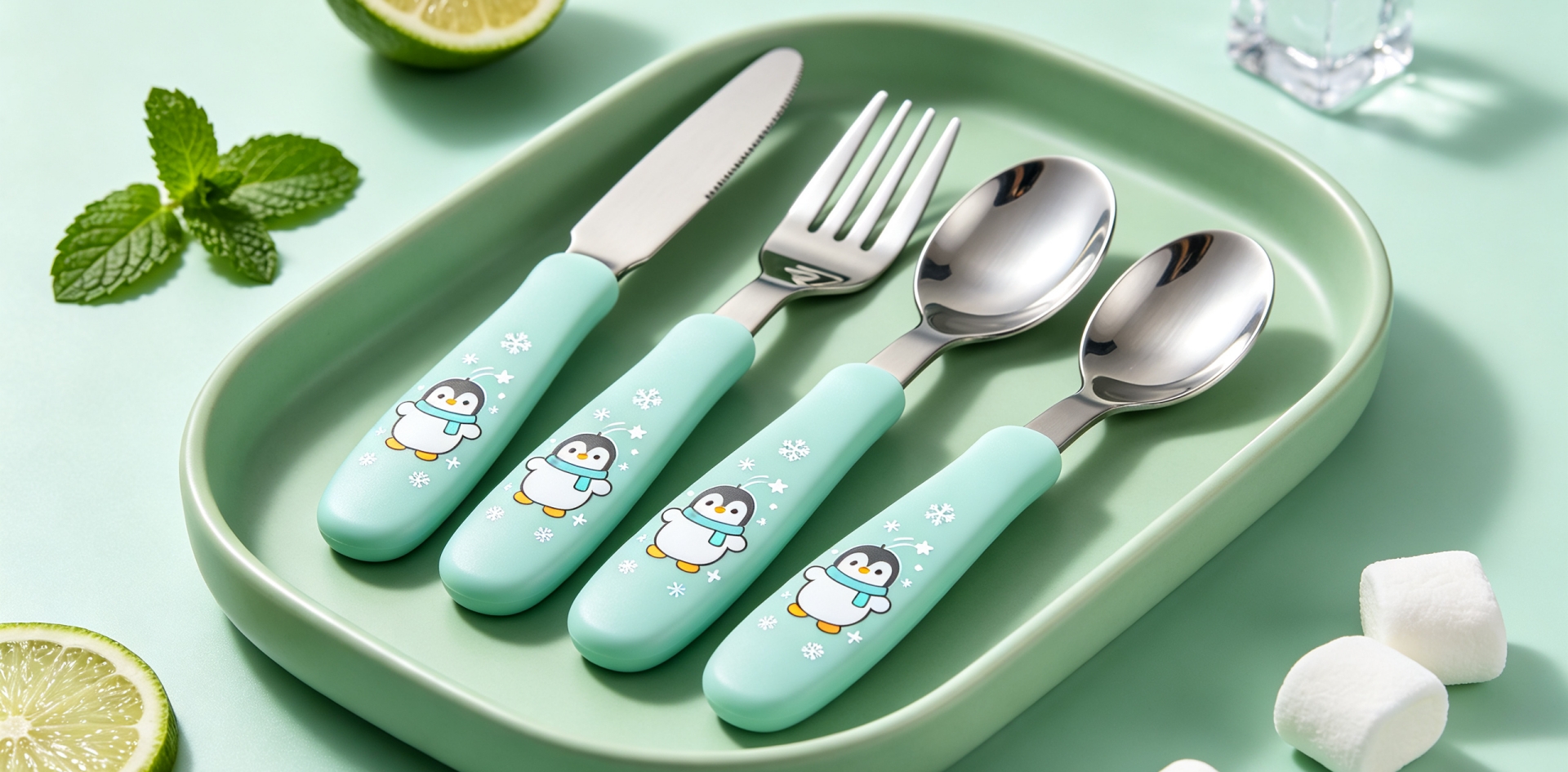
Stainless Steel Cutlery B2B Projects: Better Factory Communication
For a B2B stainless steel cutlery project, product quality is only one part of the purchasing decision. Clear communication between the buyer and the manufacturer can have an equally important influence on how smoothly a custom project moves from an initial idea to bulk production.
This is particularly important when a buyer is developing a private label collection, adding new flatware designs, or placing a large OEM or ODM order. A cutlery factory may need to understand product dimensions, material requirements, surface treatment, handle design, branding, packaging, quantities and delivery expectations before production can begin.
A clear communication process helps both sides work from the same information.
Why Communication Matters in Custom Cutlery Manufacturing
Standard cutlery products are relatively straightforward to purchase. A buyer can select an existing knife, fork, spoon or cutlery set and request a quotation based on quantity and specifications.
Custom B2B projects are different.
A buyer may have a reference product, drawing, photograph or concept rather than a fully developed production specification. The manufacturer then needs to understand what should remain unchanged, what can be modified and which details are essential to the final product.
For example, a buyer may want a stainless steel flatware collection with a particular handle proportion and surface appearance. If these requirements are discussed only in general terms, different people may interpret the design differently.
Clear communication turns an idea into information that a factory can use for manufacturing.
Start With the Commercial Purpose
Before discussing every technical detail, it is useful to explain what the cutlery will be used for.
A distributor may need a versatile stainless steel cutlery range for several customers. A retail brand may be developing a private label collection. A hospitality supplier may require large quantities of knives, forks and spoons for a specific project.
The intended market can influence many decisions.
A B2B buyer should therefore communicate the target sales channel, expected order quantity, product positioning and intended collection structure when possible. This gives the manufacturer useful context when discussing materials, construction, finishes, packaging and production options.
For an OEM or ODM project, this initial information can also help the factory identify practical manufacturing solutions instead of simply reproducing a concept without considering production requirements.
Keep Product Information Consistent
Custom stainless steel cutlery projects often involve several people on the buyer's side, including purchasing managers, designers, product developers, quality teams and logistics staff.
If each person uses different product information, confusion can appear quickly.
A product may be described by one person according to its commercial name, by another according to its internal code and by another according to its dimensions. This becomes more difficult when a project includes multiple spoons, forks and knives with similar appearances.
Using consistent product names, reference numbers, drawings and photographs makes communication much easier.
For a B2B cutlery manufacturer, clear references also help connect discussions about samples, production versions and future repeat orders.
Separate Essential Requirements From Preferences
Not every design detail has the same level of importance.
Some requirements may be essential to the project. Others may simply be preferences that can be adjusted if they create production difficulties or affect the target cost.
For example, a buyer may consider the overall handle silhouette essential while allowing the manufacturer some flexibility regarding a minor decorative detail. Communicating this difference gives the factory a better basis for proposing practical solutions.
This is especially useful for OEM and private label cutlery projects, where the buyer wants a distinctive product but also needs it to remain commercially viable for bulk manufacturing.
Discuss Feasibility Before Finalizing the Project
A concept may look simple on paper but require additional manufacturing work.
This is why B2B buyers benefit from discussing production feasibility with the stainless steel cutlery factory before treating a design as final.
The manufacturer can review the proposed knife, fork or spoon and identify details that may require special tooling, additional processing or changes to the production method.
This does not mean the factory should replace the buyer's design. Instead, the purpose is to identify practical manufacturing considerations early enough for both sides to make informed decisions.
For custom flatware, early technical discussion can save considerable time compared with discovering production limitations after an order has already been confirmed.
Make Sample Discussions Specific
Samples are an important communication point in a custom cutlery project.
Rather than simply saying that a sample is acceptable or unacceptable, B2B buyers can provide specific feedback about the details that need attention.
Comments may relate to the overall appearance, proportions, handle shape, spoon bowl, fork structure, knife profile, surface appearance or other defined product characteristics.
Specific feedback gives the manufacturer a clearer direction for the next version.
It is also useful to distinguish between changes that apply to one item and changes that should be applied across the entire collection. When a buyer is developing several matching pieces, this distinction can prevent unnecessary modifications.
Think About the Whole Collection
A cutlery order rarely consists of one isolated product when it is developed for a retail or hospitality program.
A collection may include dinner knives, dinner forks, table spoons, teaspoons and other related pieces. The products should therefore be discussed not only individually but also as a coordinated range.
The buyer can communicate which visual elements should remain consistent across the collection, such as general handle character, surface treatment or design language.
For a manufacturer, this information helps when developing several related products for the same B2B customer.
This is one area where an experienced stainless steel cutlery factory can contribute practical manufacturing knowledge while the buyer maintains control over the commercial direction of the collection.
Communication Should Continue Into Bulk Production
Good communication should not stop once the sample has been approved.
Before bulk manufacturing, the buyer and supplier should have a shared understanding of which version is being produced and which requirements are considered final.
This is particularly important for repeat business. A successful B2B cutlery program may involve additional orders months or even years later. Keeping product information organized makes it easier to return to an established product without unnecessarily rebuilding the project from the beginning.
For private label brands and distributors, this can make long-term cooperation much more efficient.
Choosing a Manufacturer That Understands B2B Requirements
The manufacturer's role in a custom stainless steel cutlery project goes beyond producing metal products.
A capable B2B supplier should be able to communicate clearly about product development, manufacturing feasibility, samples, customization and bulk production.
Homefelt has more than 40 years of experience in the stainless steel cutlery business and supports B2B customers looking for knives, forks, spoons and complete flatware collections.
The factory can work with customers on OEM, ODM and private label projects, including customized product development for wholesale and bulk orders. With experience working with international brands and B2B buyers, Homefelt understands that different projects require different levels of customization and communication.
For a buyer preparing a new cutlery project, the most useful first step is usually to provide the available product information, estimated quantity, target market and customization requirements. The manufacturer can then review the project and discuss suitable production options.
From Initial Idea to Bulk Order
A successful custom stainless steel cutlery project is usually built through a series of clear decisions.
The buyer defines the commercial objective. The factory reviews the manufacturing requirements. Product details are discussed and developed. Samples help both sides confirm the physical result. Once the requirements are clear, the project can move toward bulk manufacturing.
This approach gives B2B buyers a practical way to develop distinctive cutlery without losing sight of production efficiency and commercial requirements.
Whether the project involves a new private label collection, an OEM cutlery set, customized spoons and forks, or a large wholesale order, clear communication creates a stronger foundation for cooperation.
If you are sourcing stainless steel cutlery for your next B2B project, providing clear requirements at the beginning can make the quotation and product development process much more efficient.
Custom Stainless Steel Cutlery for B2B Projects
OEM & ODM Stainless Steel Flatware Manufacturing
Private Label Cutlery Manufacturing
Stainless Steel Cutlery Supplier Onboarding for B2B Buyers
Stainless Steel Cutlery Product Catalog for B2B Buyers
Related Article



