
Stainless Steel Cutlery Project Confirmation for B2B Orders
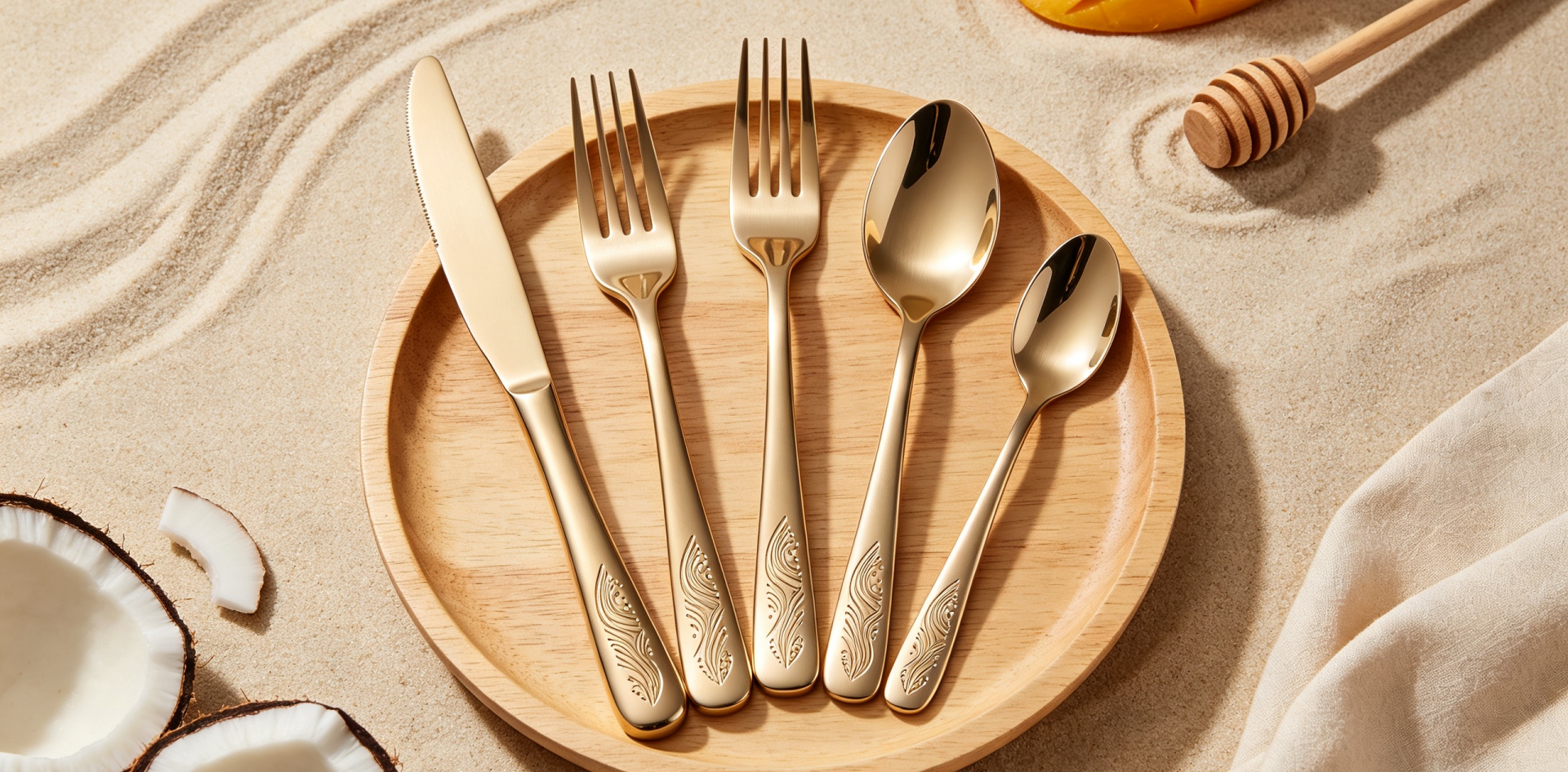
Stainless Steel Cutlery Project Confirmation for B2B Orders
For a B2B stainless steel cutlery project, the production process does not begin when the factory starts forming, polishing or assembling the products. It begins much earlier, when the buyer and manufacturer have a clear understanding of exactly what is being ordered.
This is especially important for OEM, ODM and private label projects. A cutlery design may look simple, but a complete order can involve material, dimensions, finish, handle details, logo treatment, set composition, packaging and quantity requirements. If one detail remains unclear, it can affect samples, quotation accuracy or production later.
A well-organized project confirmation gives both sides a practical reference before production moves forward.
Why Project Confirmation Matters for Custom Cutlery
Standard stainless steel cutlery can often be ordered from an existing product range with relatively straightforward specifications. Custom projects are different.
A B2B buyer may provide drawings, reference samples, product photos or an existing collection and ask a manufacturer to develop a similar or modified version. The factory then needs to understand which elements are fixed and which elements can be adjusted.
For example, the buyer may already have a preferred spoon shape but want a different handle. Another project may require the same fork and spoon design in several finishes. A private label customer may also need branding details to match an existing product line.
Confirming these requirements before production helps establish one clear product reference instead of relying on separate messages, images and verbal instructions.
Start With the Product Structure
The first part of a project confirmation should identify the actual products involved.
For a cutlery collection, this may include table knives, dinner forks, tablespoons, teaspoons and other required pieces. The buyer should also clarify whether the products will be sold individually, as coordinated sets or in different combinations.
This information is useful for an OEM stainless steel flatware factory because it helps determine how the individual pieces need to work together as one collection.
For example, a coordinated collection may require consistent handle proportions, surface treatment and overall visual language across different pieces. Confirming the collection structure at the beginning makes later development more efficient.
Confirm Material and Surface Requirements
Material is another important part of project confirmation.
Buyers may specify a particular stainless steel grade, while some projects may have requirements related to thickness, construction or production standards. Surface treatment should also be clearly identified.
A project may require a polished stainless steel appearance, a matte surface or a colored finish for selected products. If the buyer is developing a private label range, the finish may also need to correspond with the appearance of other products in the same collection.
For custom cutlery manufacturing, these details should be confirmed before the final production specification is released.
Clarify Custom Design Details
Custom cutlery projects often involve small design features that are easy to overlook.
These can include handle proportions, decorative elements, surface transitions, logo treatment and other visual details. A buyer may consider one detail essential to the brand identity while another detail may simply be a reference.
A useful project confirmation should distinguish between mandatory requirements and flexible elements.
This is particularly helpful when working with an ODM cutlery manufacturing supplier. The manufacturer can then understand where its technical experience can be used to suggest practical solutions without changing the buyer's core concept.
Make Branding Requirements Specific
For private label stainless steel flatware, branding should be confirmed as part of the product specification rather than treated as an afterthought.
The buyer may need a logo on a particular position, a defined logo size or a specific marking method. Artwork files and branding references should be clearly identified so that the production team works from the approved information.
When a brand has several cutlery designs, maintaining the same branding approach across the range can also help create a more consistent product presentation.
Confirm Set Composition and Quantity
A cutlery set may contain different numbers of pieces depending on the target market and sales channel.
For example, one project may require a basic four-piece set, while another may involve larger sets or different combinations for retail, hospitality or distribution programs.
Quantity should therefore be confirmed together with the product composition.
For a wholesale stainless steel cutlery factory, knowing the required quantities by item helps prepare an accurate production plan and quotation. It also allows the buyer to review whether the planned product mix matches the intended sales program before the order is released.
Use One Approved Reference
One of the most practical ways to manage a custom cutlery project is to establish a single approved reference.
This can be an approved sample, drawing, specification document or a combination of these references. The important point is that both the buyer and manufacturer should know which version represents the current production requirement.
This becomes particularly valuable when a project develops over several rounds of communication.
A buyer may send an updated drawing after reviewing a sample, change the finish after seeing a physical prototype, or adjust the quantity before placing the order. Without a clear final reference, different versions can easily become mixed.
For B2B custom cutlery production, a confirmed reference provides a simple point of control.
Review the Details Before Production
Before bulk production begins, the buyer should review the main project elements together rather than checking each item separately.
The review can include product names, materials, dimensions, finishes, branding, set composition, quantities and packaging requirements where applicable.
This final check does not need to be complicated. Its purpose is to make sure that the quotation, approved sample and production information are consistent.
For a stainless steel cutlery manufacturer, receiving a complete and confirmed project brief also reduces unnecessary back-and-forth communication between sales, engineering and production teams.
A Better Starting Point for OEM and ODM Projects
For brands developing their own stainless steel flatware collection, project confirmation is more than administrative work. It creates a practical bridge between product ideas and factory production.
An experienced manufacturer can help review whether a proposed design is suitable for mass production, identify details that require clarification and suggest adjustments when a design needs to be adapted for manufacturing.
This is where OEM and ODM cooperation can become more valuable than simply purchasing an existing catalog item.
The buyer retains control over the product concept, while the factory contributes manufacturing knowledge, production experience and the ability to turn the confirmed specifications into finished stainless steel cutlery.
Supporting B2B Buyers From Confirmation to Production
Homefelt factory works with B2B customers on stainless steel knives, forks, spoons and complete flatware collections for wholesale, OEM, ODM and private label projects.
For customers with their own drawings, samples or product concepts, the project can begin with a review of the requested specifications and manufacturing requirements. The team can then support sample development and production preparation before moving toward bulk manufacturing.
This approach is suitable for importers, distributors, retailers, hospitality suppliers and brands that need a dependable manufacturing partner for repeat or large-volume stainless steel cutlery programs.
A clear project confirmation gives the factory the information needed to quote and manufacture accurately, while giving the buyer a practical reference for reviewing the finished products.
When the requirements are clear from the beginning, communication becomes easier and the transition from product idea to bulk order becomes much more straightforward.
Custom Stainless Steel Cutlery Manufacturing
OEM & ODM Stainless Steel Flatware
Private Label Cutlery Production
Stainless Steel Cutlery Product Naming for B2B Brands
Stainless Steel Cutlery Price Tiers for B2B Product Lines
Related Article



