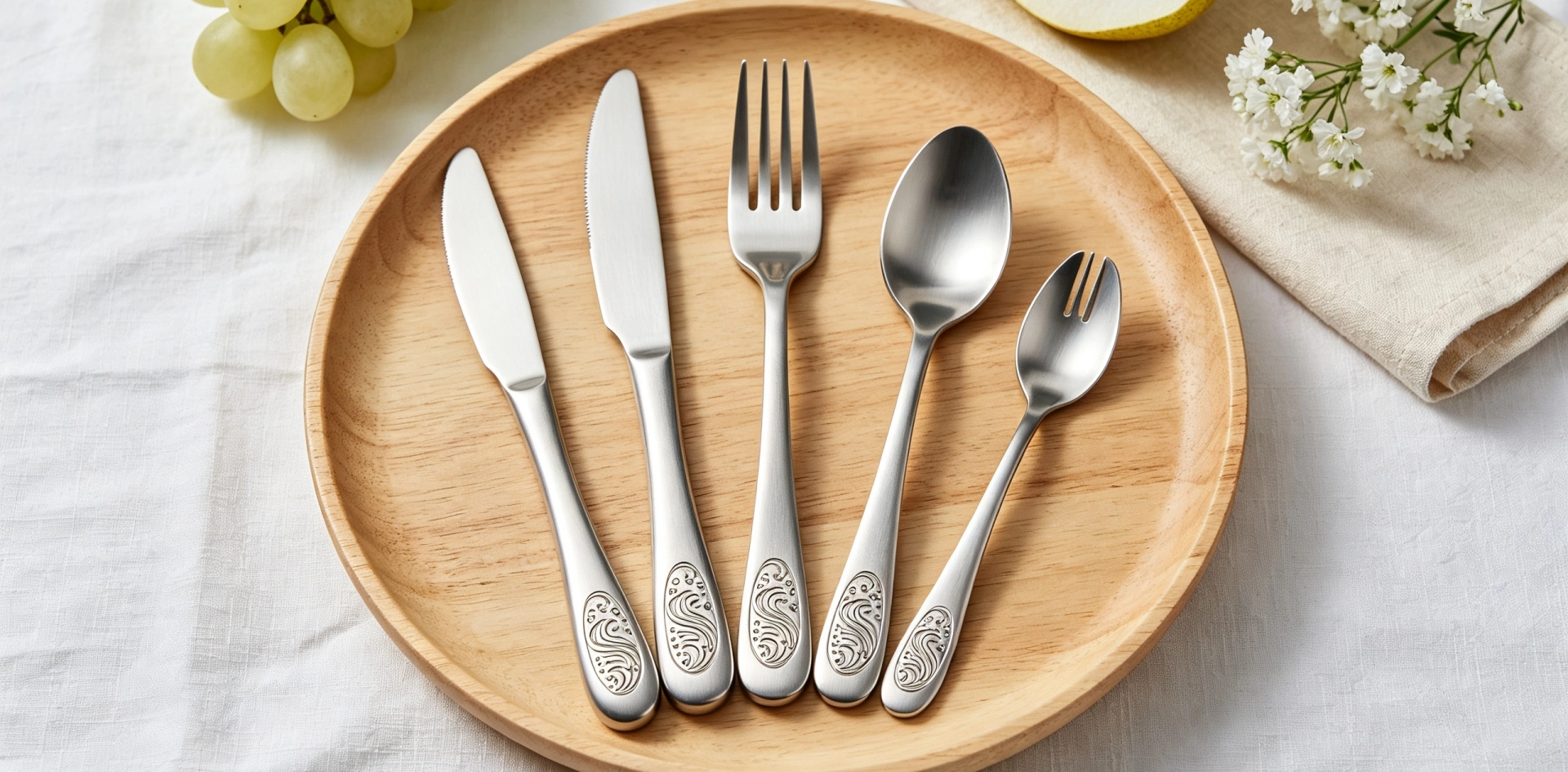
Stainless Steel Cutlery Quality Control and Inspection Guide

Stainless Steel Cutlery Quality Control and Inspection Guide for B2B Buyers
Quality control is a critical part of stainless steel cutlery sourcing, especially when a buyer is placing a large commercial order. A fork, spoon or knife may look simple, but the finished product depends on multiple manufacturing stages and specifications.
For importers, distributors, restaurant suppliers, hotel groups and private label brands, quality should be evaluated against clearly defined requirements rather than general expectations. Material, dimensions, weight, surface finish, workmanship and packaging can all influence whether a shipment meets the buyer's expectations.
A structured quality control process can help identify problems before products leave the factory. It can also provide a consistent reference for future production and repeat orders.
Why Quality Control Matters
Large B2B orders can contain thousands or more individual pieces of cutlery.
A small production issue can therefore become significant when repeated across a large quantity.
Quality control helps buyers and manufacturers identify potential differences before shipment.
A well-defined inspection process can review:
-
Material requirements
-
Product dimensions
-
Weight
-
Surface finish
-
Shape
-
Workmanship
-
Quantity
-
Packaging
-
Labeling
-
Product consistency
Start With the Product Specification
Inspection is only meaningful when the product requirements are clear.
Before production begins, the buyer and manufacturer should agree on the relevant specifications.
A product specification can include:
-
Product name
-
Material
-
Length
-
Width
-
Thickness
-
Weight
-
Surface finish
-
Packaging
-
Branding
-
Approved sample
The approved sample can provide an especially useful visual and physical reference.
Material Verification
The material requirement should be confirmed before production.
Different stainless steel specifications can have different characteristics and applications.
B2B buyers should clearly communicate the required material and retain documentation related to the agreed specification.
For projects where material composition is critical, buyers can discuss appropriate verification procedures with the manufacturer.
Dimension Inspection
Dimensions can affect both appearance and compatibility with other tableware.
Common measurements may include:
-
Overall length
-
Handle width
-
Product thickness
-
Bowl dimensions
-
Fork head dimensions
-
Knife dimensions
The exact measurement points should be defined according to the product design.
Weight Inspection
Weight can be useful for confirming production consistency.
However, weight should be evaluated together with dimensions because changes in product shape can affect the total weight.
If weight is a critical specification, buyers should define the target weight or acceptable range before production.
Surface Finish Inspection
Surface appearance is one of the most visible quality characteristics.
Depending on the product, inspection may identify:
-
Scratches
-
Uneven polishing
-
Grinding marks
-
Inconsistent brightness
-
Surface stains
-
Uneven brushing
-
Visible defects
The agreed finish should be compared with the approved sample.
Shape and Forming Inspection
The fork, spoon or knife should maintain the intended shape.
Forming problems can affect both appearance and functionality.
Inspectors can compare the finished product against drawings or approved samples.
For custom products, shape consistency is particularly important.
Fork Inspection
Fork inspection can include:
-
Overall length
-
Handle profile
-
Tine alignment
-
Tine shape
-
Neck transition
-
Surface finish
-
Weight
The tines should be formed consistently and maintain the intended spacing and alignment.
Spoon Inspection
Spoon inspection can focus on:
-
Bowl shape
-
Bowl depth
-
Handle dimensions
-
Handle alignment
-
Surface finish
-
Weight
The bowl should maintain the intended profile without obvious deformation.
Knife Inspection
Knives may require different inspection criteria because their construction can differ from forks and spoons.
Inspection can include:
-
Overall dimensions
-
Blade shape
-
Handle profile
-
Edge condition
-
Surface finish
-
Weight
The exact requirements should follow the approved product specification.
Handle Inspection
Handles are highly visible and frequently touched.
Inspection can review:
-
Length
-
Width
-
Thickness
-
Shape
-
Edge treatment
-
Surface finish
-
Alignment
A consistent handle profile helps maintain the visual identity of the collection.
Finish Consistency Between Pieces
A complete flatware collection should have a coordinated appearance.
If the fork has a noticeably different finish from the spoon or knife, the table setting may look inconsistent.
The same finish specification should therefore be applied across the collection where applicable.
Inspection of Custom Products
Custom products require particular attention because the buyer may have developed specifications specifically for the project.
The approved sample should be available as a reference during production.
Any approved design changes should also be documented.
This helps prevent outdated specifications from being used during manufacturing.
Packaging Inspection
Packaging protects products during transportation and supports warehouse management.
Inspection can check:
-
Product quantity per package
-
Inner box condition
-
Master carton condition
-
Labels
-
Carton markings
-
Packaging artwork
-
Product identification
Packaging should match the approved requirements.
Quantity Verification
The shipment quantity should correspond with the purchase order.
A discrepancy can create problems for distributors and multi-location buyers.
Quantity checks should therefore be part of the final inspection process.
Branding Inspection
Private label orders may include logos, labels or customized packaging.
The branding should be checked against approved artwork.
Position, size, spelling and visual presentation should be verified before shipment.
Sampling During Production
Quality control does not have to begin only at the end of production.
For larger projects, buyers and manufacturers can establish inspection points during production.
Early checks can identify issues before large quantities are completed.
This can reduce the potential cost and time associated with correcting a problem at the final stage.
Final Inspection Before Shipment
A final inspection provides an opportunity to verify the finished order before shipment.
Depending on the buyer's requirements, it can review:
-
Product specifications
-
Appearance
-
Dimensions
-
Weight
-
Quantity
-
Packaging
-
Branding
-
Carton condition
The final inspection should follow the agreed quality criteria.
Use an Approved Sample
A physical sample is often more useful than a general description such as premium or high quality.
The sample allows the buyer and manufacturer to compare:
-
Shape
-
Weight
-
Finish
-
Dimensions
-
Handle design
-
Overall appearance
For repeat orders, retaining the approved sample can help maintain consistency.
Quality Tolerances
Manufacturing processes naturally involve some variation.
Where dimensions or weight are important, the buyer and manufacturer should agree on reasonable tolerances before production.
A defined tolerance creates a practical basis for inspection and avoids uncertainty over minor production variation.
Documentation for Repeat Orders
Quality specifications should be saved for future purchasing.
Useful records can include:
-
Product drawings
-
Material information
-
Dimension specifications
-
Weight requirements
-
Finish requirements
-
Packaging specifications
-
Approved samples
-
Inspection records
This documentation can make future replenishment more efficient.
Quality Control for Restaurant Suppliers
Restaurant suppliers often need consistent products for multiple customers.
A documented inspection process can help ensure that repeated shipments remain aligned with the original product specification.
This is especially useful when a supplier stocks the same collection for long-term distribution.
Quality Control for Hospitality Groups
Hotel and restaurant groups may use the same cutlery collection across multiple locations.
Consistency becomes particularly important when products are purchased at different times.
A central specification and approved sample can help each location receive compatible products.
Quality Control for Wholesale Distributors
Distributors may purchase large quantities and hold inventory before selling to customers.
Packaging accuracy, product identification and consistent quality can therefore be important in addition to product appearance.
Clear carton markings can also support warehouse operations.
Quality Control for Private Label Brands
Private label buyers need to evaluate both product quality and brand presentation.
The cutlery, packaging and branding should all match the approved specifications.
A final inspection can verify the complete finished product before shipment.
Working With an Experienced Manufacturer
A reliable quality control process depends on both manufacturing experience and clear communication.
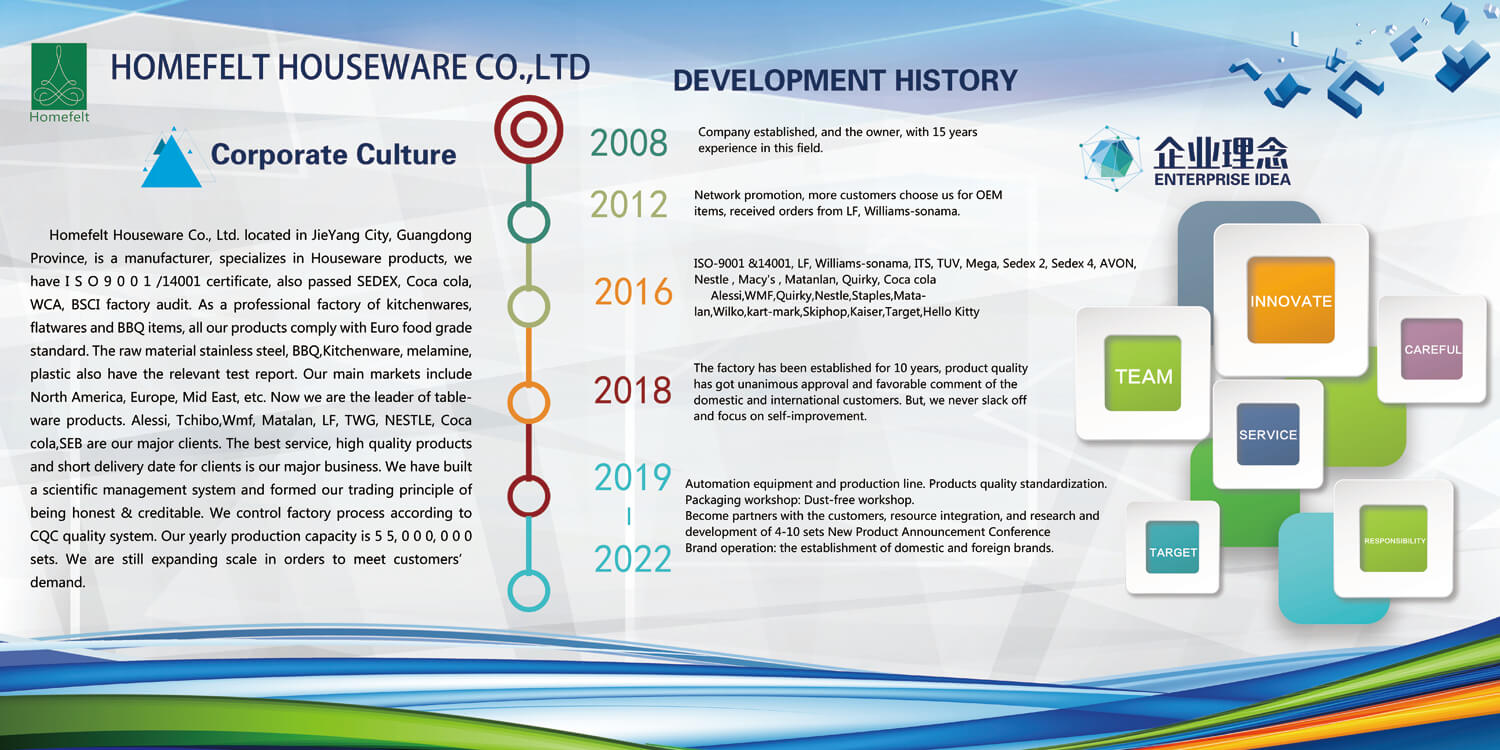
Homefelt has more than 30 years of stainless steel manufacturing experience and produces stainless steel cutlery together with kitchen and dining products, BBQ tools, pet bowls and children's tableware.
For international B2B customers, Homefelt supports standard and customized stainless steel products.
Importers, distributors, restaurant suppliers, hospitality businesses and private label brands can discuss material, dimensions, weight, finish, packaging, branding and inspection requirements according to their projects.
Approved samples and documented specifications can also support consistent repeat production.
What B2B Buyers Should Prepare
Before production begins, buyers can prepare:
-
Product specification
-
Material requirement
-
Product drawings or reference images
-
Dimension requirements
-
Weight requirements
-
Surface finish
-
Packaging specifications
-
Branding artwork
-
Inspection requirements
-
Approved sample
Clear information gives the manufacturer a stronger reference for production and quality control.
Create a Quality Control Standard
Businesses with regular purchasing needs can establish an internal quality standard for each product collection.
The standard can define critical dimensions, appearance requirements, packaging and acceptable tolerances.
This can make future inspections more consistent across different purchase orders.
Quality Control and Long-Term Supply
Quality control should not be viewed as a single inspection before shipment.
For long-term B2B programs, the goal is to maintain the same product characteristics across multiple production cycles.
Consistent documentation, approved samples and clear communication can help manufacturers reproduce the agreed product over time.
Conclusion
Stainless steel cutlery quality control involves much more than checking whether a fork, spoon or knife looks attractive.
B2B buyers should establish clear requirements for material, dimensions, weight, shape, surface finish, workmanship, packaging and quantity before production begins.
Physical samples and documented specifications provide useful references for both initial production and repeat orders.
Homefelt has more than 30 years of stainless steel manufacturing experience and works with international B2B customers on standard and customized stainless steel products.
By establishing a clear quality control standard and communicating inspection requirements before production, importers, distributors, restaurant suppliers and hospitality brands can reduce uncertainty and build a more reliable long-term cutlery sourcing program.
You May Be Interested In
Stainless Steel Cutlery Polishing and Surface Finish Process
Stainless Steel Cutlery Weight Guide for Bulk and Wholesale Buyers
Stainless Steel Cutlery Thickness Guide: What B2B Buyers Need to Consider
How to Buy Stainless Steel Cutlery in Bulk for Hotels, Restaurants and Distributors
Custom Stainless Steel Flatware Development From Sample to Production
How Stainless Steel Flatware Is Made: From Sheet to Finished Product

18/10 vs 18/0 Stainless Steel Flatware: A B2B Buying Guide
Stainless Steel Cutlery Handle Design Guide for B2B Buyers
Related Article