
Stainless Steel Cutlery Quality Standards for B2B Orders
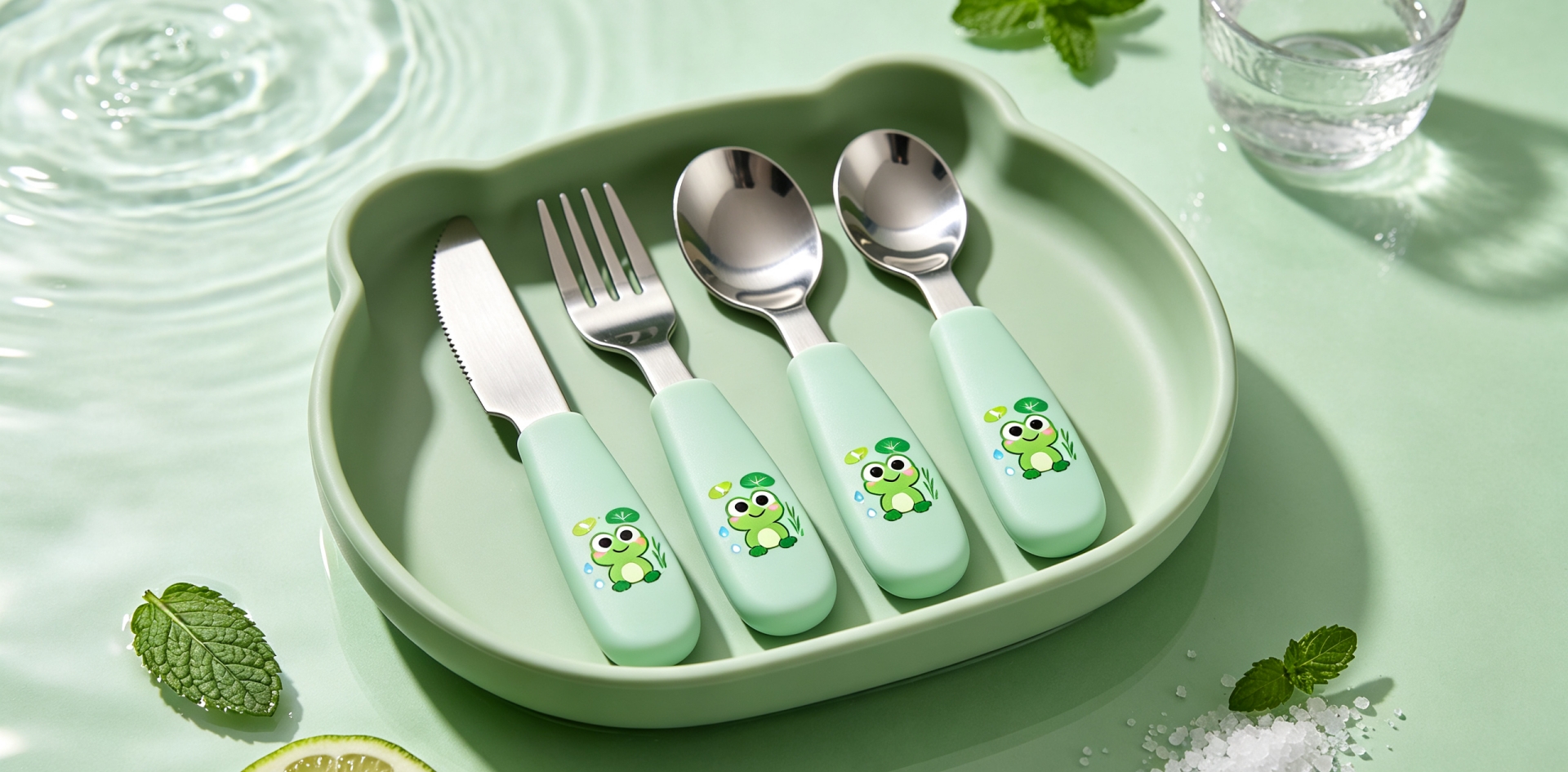
Stainless Steel Cutlery Quality Standards for B2B Orders
For a B2B cutlery project, product quality is not only about whether the first production batch looks good. The bigger challenge is maintaining the same product standard when an order is repeated, quantities increase, or several production batches are made over time.
This is especially important for retailers, distributors, hospitality suppliers and private label brands. A stainless steel spoon, fork or knife may look simple, but a commercial cutlery program can involve many details that need to remain consistent from one order to the next.
For buyers working with an OEM or ODM stainless steel cutlery manufacturer, defining these standards early can make production and future purchasing much easier.
What Should a B2B Cutlery Quality Standard Include?
A useful quality standard should describe the finished product in practical terms rather than relying only on a product photo.
For stainless steel cutlery, this can include the material specification, dimensions, weight range, surface finish, shape, construction, appearance and packaging requirements.
For example, a buyer may specify a particular stainless steel grade, target weight, handle dimensions, polishing level and acceptable appearance range. The manufacturer can then use these requirements as a reference during product development and production.
The more clearly the important characteristics are defined, the easier it becomes for both sides to understand what the finished product should look and feel like.
Material Requirements
Material is one of the basic elements of stainless steel cutlery quality.
Depending on the project, buyers may have specific requirements for stainless steel grade, material thickness or other technical characteristics. These requirements can influence the product's appearance, strength, weight and production cost.
For private label and OEM projects, material requirements should ideally be confirmed before quotation and mass production. This helps prevent situations where a buyer compares a sample made with one specification against a production order based on another.
A professional stainless steel cutlery manufacturer can review the material requirement together with the product design and production method before the order is released.
Dimensional Consistency
Dimensions are another important part of a B2B quality standard.
Small differences in length, width or proportions may not always be obvious when looking at one individual piece. However, they can become noticeable when products are displayed together or when a brand sells several related cutlery designs.
For example, knives, forks and spoons within one collection should have a coordinated visual relationship. If one production batch has noticeably different dimensions from an approved reference, the collection may no longer look consistent.
Clear dimensional specifications give the factory a practical reference for production and inspection.
Weight and Feel
Weight is often connected with the perceived quality of stainless steel cutlery.
B2B buyers may have a target weight or acceptable range for each item because the product needs to match an existing collection, market positioning or packaging configuration.
Weight should therefore be considered together with material thickness, dimensions and construction rather than treated as an isolated number.
For an OEM project, establishing a target weight during sample development can provide a useful reference before the buyer moves into larger production quantities.
Surface Finish
Surface appearance is particularly important for polished or decorative stainless steel flatware.
Buyers may require a bright polished surface, a satin appearance, a brushed finish or another defined treatment. The important point is that the selected finish should be clearly identified and consistently reproduced.
Surface quality can also influence how a product appears under retail lighting or when several pieces are displayed together.
For branded collections, consistency between production batches is often more important than simply achieving an attractive finish on one sample.
Shape and Construction
The overall shape of a knife, fork or spoon should also be part of the product standard.
This can include the shape of the spoon bowl, fork head, knife blade, handle and transitions between different sections of the product.
When a custom design has been approved, the factory needs a reliable reference for reproducing that design during mass production.
This is one reason why an approved sample and clear product specifications are valuable in an OEM or private label program. They help turn a design concept into a repeatable production reference.
Appearance Standards
Not every visual difference is a manufacturing defect. Stainless steel products are produced through multiple forming, polishing and finishing processes, so buyers and factories should understand which variations are acceptable and which are not.
A practical appearance standard can identify the types of visible issues that should be controlled, such as noticeable scratches, surface marks, uneven finishing or obvious shape deviations.
The purpose is not to create an unnecessarily complicated inspection system. Instead, it gives both the buyer and manufacturer a common understanding of acceptable commercial quality.
Why Repeat Orders Need the Same Standard
For many B2B customers, the first order is only the beginning of the relationship.
A retailer may reorder a successful SKU, a distributor may purchase the same collection for different customers, or a private label brand may expand its sales into additional markets.
In these situations, maintaining the original product standard becomes important.
Without a clear reference, different production orders may gradually develop small differences in dimensions, surface appearance, weight or construction. Over time, these differences can create problems when old and new inventory are sold together.
A documented product standard helps reduce this risk.
Quality Standards Also Support Faster Communication
Clear specifications can make communication between buyers and manufacturers more efficient.
Instead of explaining a product from the beginning for every new order, the buyer can refer to an established specification, approved sample or product reference.
This is especially useful when a company manages many stainless steel cutlery SKUs.
A professional supplier can review the buyer's requirements, confirm the manufacturability of the product and establish the necessary production references before the order enters mass production.
For international B2B purchasing, this type of communication can also reduce misunderstandings caused by different terminology or expectations.
Supporting OEM and Private Label Programs
OEM and private label cutlery projects often require more than standard wholesale products.
The buyer may provide its own design, dimensions, packaging concept, branding requirements or target market specifications. The manufacturer then needs to convert these requirements into a practical production standard.
This is where factory experience becomes valuable.
Homefelt factory supports stainless steel knife, fork, spoon and cutlery set customization for wholesale and large-volume B2B projects. OEM, ODM and private label customers can discuss their product requirements with the factory before production, allowing specifications and production details to be confirmed according to the project.
For growing brands, this approach can also make future product expansion easier. Once a clear standard has been established for one collection, related products can be developed with the same quality expectations.
Building a Practical Standard for Your Next Order
A useful quality standard does not need to be unnecessarily complicated.
For most B2B stainless steel cutlery projects, the key is to identify the characteristics that matter commercially and make them clear before production.
These may include:
Material specification
Product dimensions
Target weight
Surface finish
Shape and construction
Appearance requirements
Packaging requirements
Approved sample reference
When these points are agreed before mass production, both the buyer and factory have a clearer production target.
For repeat orders, the same references can then be used to maintain continuity across future batches.
Choosing a Manufacturing Partner
A reliable stainless steel cutlery supplier should be able to discuss quality standards as part of the product development and production process, rather than treating quality control as something that happens only at the end.
For B2B buyers, this can be particularly important when developing private label collections or purchasing large quantities.
The right manufacturing process should connect product specifications, approved samples, production and inspection into one consistent workflow.
Homefelt combines stainless steel cutlery manufacturing experience with OEM, ODM, private label and wholesale production capabilities. The factory can support customized knives, forks, spoons and complete flatware sets for customers developing their own product programs.
For buyers planning a new collection, the first step can simply be to share the product concept, required specifications and estimated quantity. The factory can then review the project and provide a suitable quotation and production solution.
Custom Stainless Steel Cutlery for Your Brand
OEM & ODM Stainless Steel Flatware Manufacturing
Private Label Cutlery Factory for Wholesale Orders
Stainless Steel Cutlery Product References for B2B Orders
Stainless Steel Cutlery Range Optimization for B2B Brands
Related Article



